Sleep
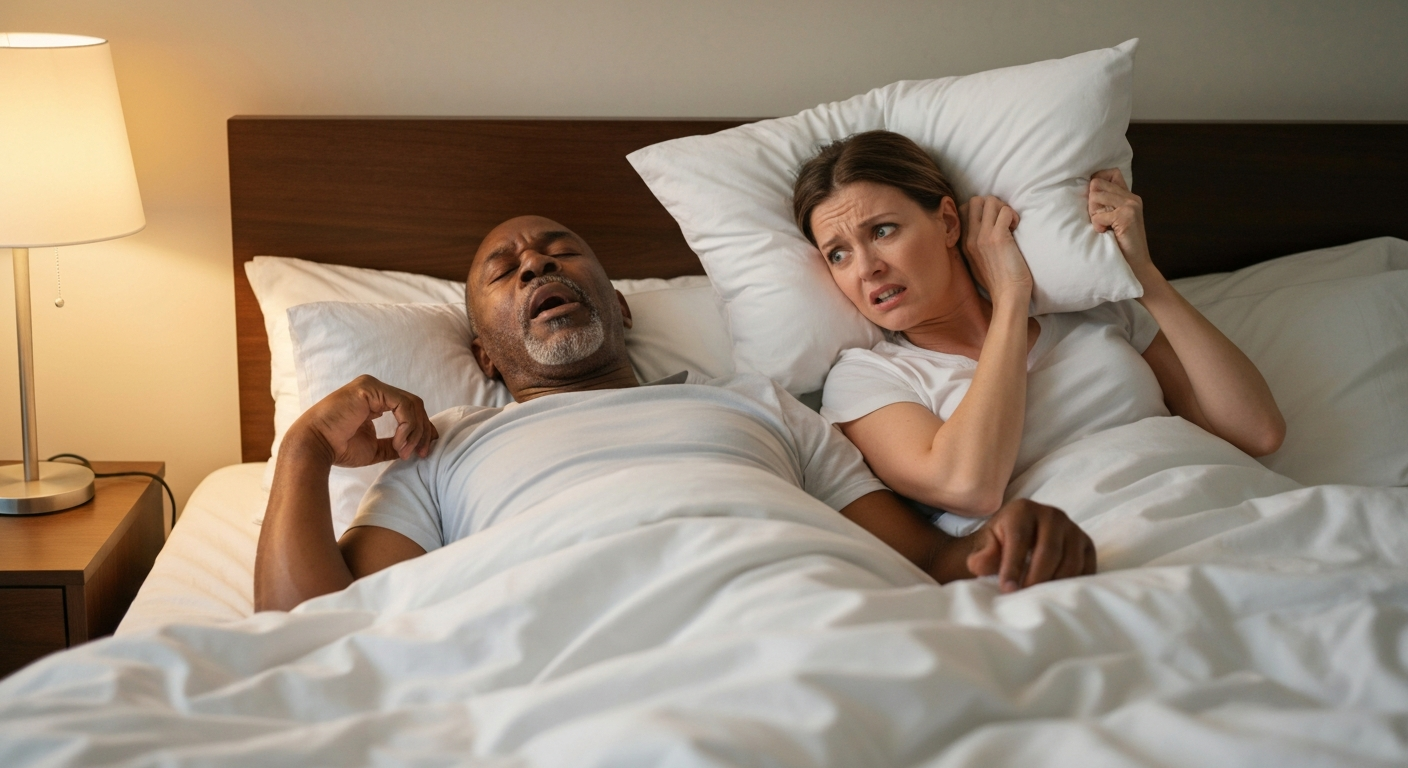

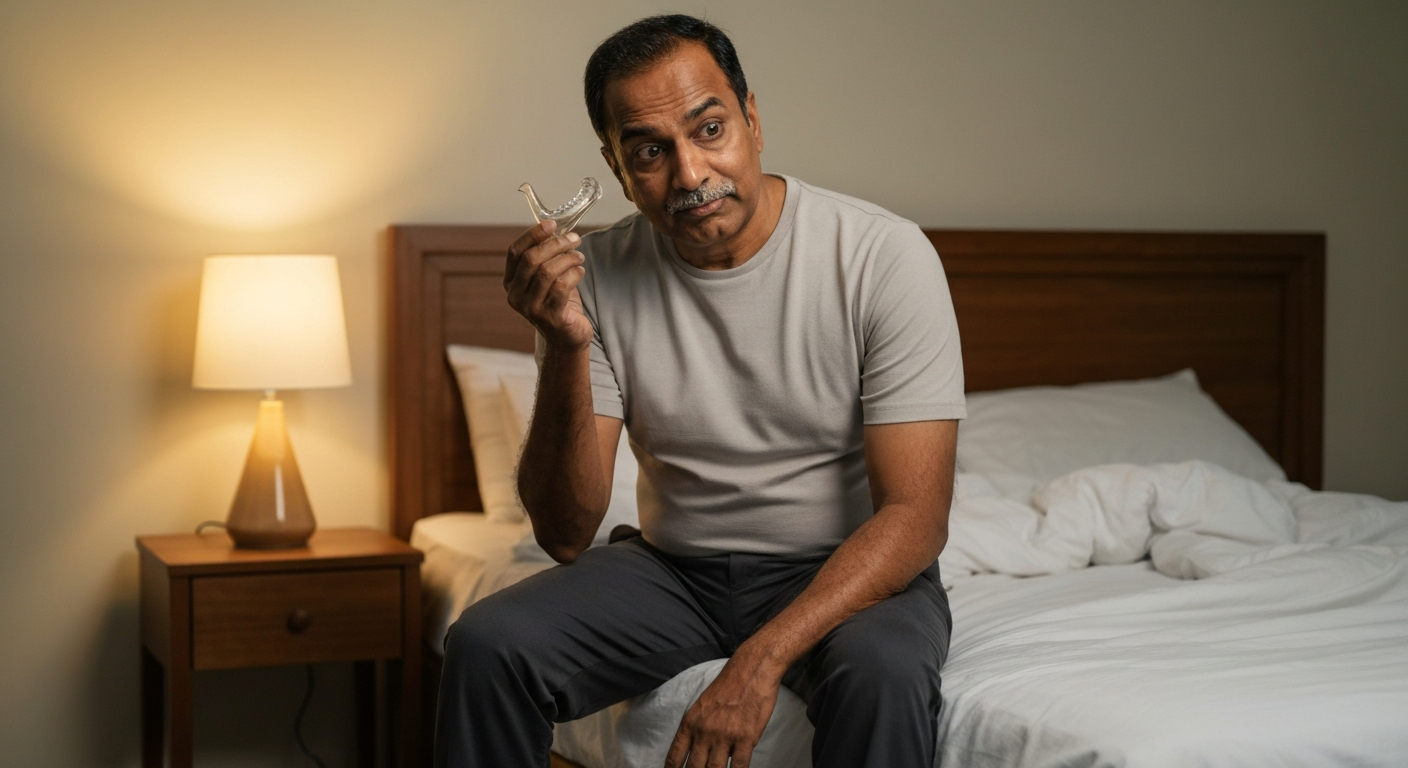
Snora is a common misspelling or search term people use when looking for information about snoring, anti-snoring devices, or specific products like "Snora" mouthpieces — and if you're here because you or your partner snores, the good news is that effective solutions exist in 2026 that can reduce or eliminate snoring entirely.
| ✓Our Pick |
Custom-fit anti-snoring mouthpiece — repositions your jaw to eliminate snoring Save yourself the frustration — a proven solution with consistently positive feedback from real buyers. Learn More → |
Whether you searched "snora" looking for a specific brand, a general snoring fix, or you're simply fed up with sleepless nights caused by loud breathing, this guide covers what snoring actually is, why it happens, and the most effective ways to stop it. You'll find device comparisons, lifestyle fixes, and clear guidance on when snoring signals something more serious.
Snoring occurs when air flows past relaxed tissues in your throat during sleep, causing those tissues to vibrate and produce the characteristic rumbling or rattling sound.
The term "snora" appears in searches for several reasons. Some people misspell "snore" or "snorer," while others are looking for branded anti-snoring products with similar names. Regardless of how you arrived here, the underlying concern is the same: snoring disrupts sleep for both the snorer and anyone sharing the bedroom.
During sleep, the muscles in your throat and tongue naturally relax. When these tissues relax too much, they partially block your airway. As you breathe, air forces its way through this narrowed passage, causing vibrations. The intensity of snoring depends on how much the airway is obstructed and how forcefully air moves through.
"Snoring is produced by vibration of the soft tissues of the upper airway during sleep." — American Academy of Sleep Medicine
Approximately 57% of men and 40% of women snore regularly, according to research published in sleep medicine journals. The sound can range from a quiet whistle to noise exceeding 90 decibels — louder than a lawnmower.
Also Read: What Type of Snoring Is Dangerous? 5 Warning Signs
Multiple factors contribute to snoring, from anatomy to lifestyle choices, and understanding your specific trigger is the first step toward an effective solution.
Sleeping on your back allows gravity to pull your tongue and soft palate backward, narrowing the airway. This is the most common positional cause of snoring. Side sleepers typically experience less obstruction because gravity works differently on throat tissues.
Extra weight, particularly around the neck, compresses the airway during sleep. Fat deposits around the throat narrow the breathing passage even when muscles are fully toned. A neck circumference greater than 17 inches in men or 16 inches in women significantly increases snoring risk.
Alcohol acts as a muscle relaxant, causing throat tissues to collapse more than usual during sleep. Drinking within three hours of bedtime dramatically increases both the likelihood and volume of snoring. The effect is temporary but pronounced.
Blocked nasal passages from allergies, colds, or structural issues like a deviated septum force you to breathe through your mouth. Mouth breathing increases turbulent airflow and vibration in the throat. Chronic nasal congestion from allergies is a frequently overlooked snoring cause.
Enlarged tonsils or adenoids physically narrow the airway, leaving less room for air to pass. This is particularly common in children but can affect adults as well. Chronic tonsil inflammation creates persistent obstruction.
Muscle tone naturally decreases with age, including in the throat. The tissues become looser and more prone to vibration. Snoring often worsens or begins in middle age even without other risk factors.
Sedatives, antihistamines, and certain pain medications relax throat muscles similarly to alcohol. If your snoring started or worsened after beginning a new medication, this connection is worth investigating with your doctor.
| Snoring Cause | Who It Affects Most | Primary Solution |
|---|---|---|
| Back sleeping | All snorers | Side sleeping, positional therapy |
| Excess weight | BMI over 25 | Weight loss, neck exercises |
| Alcohol | Evening drinkers | Avoid alcohol 3+ hours before bed |
| Nasal congestion | Allergy sufferers | Nasal strips, antihistamines, neti pot |
| Enlarged tonsils | Children, some adults | Medical evaluation, possible surgery |
| Age-related muscle loss | Adults 40+ | Throat exercises, oral devices |
| Medications | Those on sedatives | Medication timing adjustment |
Mandibular advancement devices (MADs) — mouthpieces that hold your lower jaw slightly forward — are the most effective non-medical snoring solution for most adults.
MADs reposition your lower jaw forward by a few millimeters, which pulls the tongue base away from the back of your throat. This opens the airway and reduces tissue vibration. Custom-fit devices from dental labs offer better comfort and effectiveness than boil-and-bite versions.
"Oral appliance therapy is an effective treatment option for snoring and obstructive sleep apnea." — American Academy of Dental Sleep Medicine
The best MADs are adjustable, allowing you to find the optimal jaw position. Too little advancement won't stop snoring; too much causes jaw discomfort. Quality devices let you make millimeter adjustments until you find the sweet spot.
Tongue-retaining devices (TRDs) use suction to hold the tongue forward without repositioning the jaw. They're less common than MADs but can help people who can't tolerate jaw advancement or have dental issues that prevent MAD use. Most people find them less comfortable than MADs.
Nasal strips and internal dilators can help if your snoring stems primarily from nasal obstruction. They work by mechanically opening the nasal passages. However, if your snoring originates in the throat — which is most common — nasal solutions alone won't solve the problem.
Specialty pillows designed to encourage side sleeping or optimal head positioning have limited evidence supporting their effectiveness. They may help mild, position-dependent snorers but rarely eliminate snoring completely. They work best as part of a broader approach rather than a standalone solution.
Also Read: 7 Best Anti-Snore Devices That Actually Work in 2026
Beyond devices, several evidence-based lifestyle modifications can significantly reduce snoring — some showing results within days.
Losing just 10% of body weight can reduce snoring severity by more than half in overweight individuals. Fat loss around the neck directly opens the airway. This is one of the most effective long-term solutions for snorers carrying extra weight.
Training yourself to sleep on your side eliminates gravity's effect on throat tissues. The "tennis ball technique" — sewing a tennis ball into the back of a sleep shirt — prevents comfortable back sleeping. Positional therapy devices and smart pillows offer more sophisticated approaches.
Eliminating alcohol within three to four hours of bedtime allows throat muscles to maintain normal tone during sleep. This change alone can transform severe snoring into mild or absent snoring for some people.
Oropharyngeal exercises — specific movements that strengthen throat and tongue muscles — can reduce snoring frequency by 36% and intensity by 59%, according to research published in the journal Chest. These exercises take about 20 minutes daily and show results within three months.
Sample exercises include:
Sleep deprivation leads to deeper sleep stages where muscle relaxation is more pronounced. Going to bed and waking at consistent times reduces sleep debt, which can moderate snoring intensity.
Snoring accompanied by breathing pauses, gasping, or excessive daytime sleepiness may indicate obstructive sleep apnea (OSA) — a serious condition requiring medical evaluation.
Sleep apnea differs from simple snoring in a critical way: during apnea episodes, breathing actually stops. The brain detects oxygen drops and briefly wakes you to resume breathing, though you usually don't remember these micro-awakenings. This cycle can repeat hundreds of times per night.
Warning signs that distinguish sleep apnea from ordinary snoring include:
If you experience these symptoms, a sleep study (polysomnography) can definitively diagnose sleep apnea. Treatment typically involves CPAP therapy, oral appliances, or in some cases, surgery.
"Untreated sleep apnea is associated with an increased risk of high blood pressure, heart disease, stroke, and type 2 diabetes." — National Heart, Lung, and Blood Institute
Also Read: Snoring vs Sleep Apnea
When lifestyle changes and devices don't provide sufficient relief, medical procedures can address the structural causes of snoring.
This outpatient procedure uses a laser to shorten the uvula and make small cuts in the soft palate. As the cuts heal, they stiffen the tissue, reducing vibration. Multiple sessions may be needed.
Low-intensity radiofrequency energy shrinks and stiffens tissues in the soft palate, tongue base, or nasal turbinates. The procedure is performed under local anesthesia with minimal recovery time. Results vary, and multiple treatments may be necessary.
Small polyester rods are inserted into the soft palate to stiffen it and reduce vibration. This outpatient procedure works best for mild to moderate snoring without significant sleep apnea.
This more invasive surgery removes excess tissue from the throat, including portions of the uvula, soft palate, and sometimes tonsils. It's typically reserved for severe cases or when other treatments have failed.
Also Read: Snore Laser Treatment: How It Works, Cost & Effectiveness
| Solution | Approximate Cost | Effectiveness | Best For |
|---|---|---|---|
| Lifestyle changes | Free | Moderate to high | Mild snorers, weight-related snoring |
| Nasal strips | $10-20/month | Low to moderate | Nasal congestion snorers |
| OTC mouthpieces | $30-100 | Moderate | Trying before custom devices |
| Custom MAD | $500-2,000 | High | Persistent snorers |
| CPAP therapy | $500-3,000 | Very high | Sleep apnea diagnosis |
| Surgical procedures | $2,000-10,000 | Variable | Structural issues, failed conservative treatment |
Snoring affects nearly half of adults and stems from vibrating throat tissues during sleep — causes range from sleep position and weight to alcohol, nasal congestion, and age-related muscle changes. Custom-fit mandibular advancement devices are the most effective non-medical solution for most snorers, repositioning the jaw to open the airway. Lifestyle modifications including weight loss, side sleeping, and avoiding evening alcohol can significantly reduce snoring within weeks. When snoring is accompanied by breathing pauses, gasping, or daytime sleepiness, medical evaluation for sleep apnea is essential.
Yes, snoring typically worsens with age due to natural loss of muscle tone in the throat and soft palate. Tissues become looser and more prone to vibration even without other risk factors. This is why many people begin snoring in their 40s or 50s despite no weight gain or lifestyle changes. Throat exercises and oral devices can counteract age-related muscle relaxation.
You can reduce snoring through consistent practice of oropharyngeal exercises that strengthen throat and tongue muscles. Research shows these exercises can decrease snoring frequency and intensity by more than 30% within three months. However, complete elimination typically requires addressing underlying causes like sleep position, weight, or structural issues alongside training.
Snoring does have a genetic component. Anatomical features like jaw structure, palate shape, and airway size are inherited and can predispose certain people to snoring. If both parents snore, their children have a higher likelihood of snoring as adults. However, lifestyle factors often determine whether genetic predisposition manifests as actual snoring.
Intermittent snoring usually results from variable factors like alcohol consumption, sleep deprivation, sleeping position, or nasal congestion from allergies or illness. When these triggers are absent, your airway remains open enough to prevent snoring. Tracking your snoring alongside potential triggers can help identify patterns and inform targeted solutions.
Research published in peer-reviewed journals confirms that specific mouth and throat exercises (oropharyngeal exercises) reduce snoring in most practitioners. A study in the journal Chest found participants reduced snoring frequency by 36% and total snoring power by 59% after three months of daily exercises. The exercises strengthen the muscles that keep airways open during sleep.
Reviewed and Updated on June 14, 2026 by George Wright