Sleep

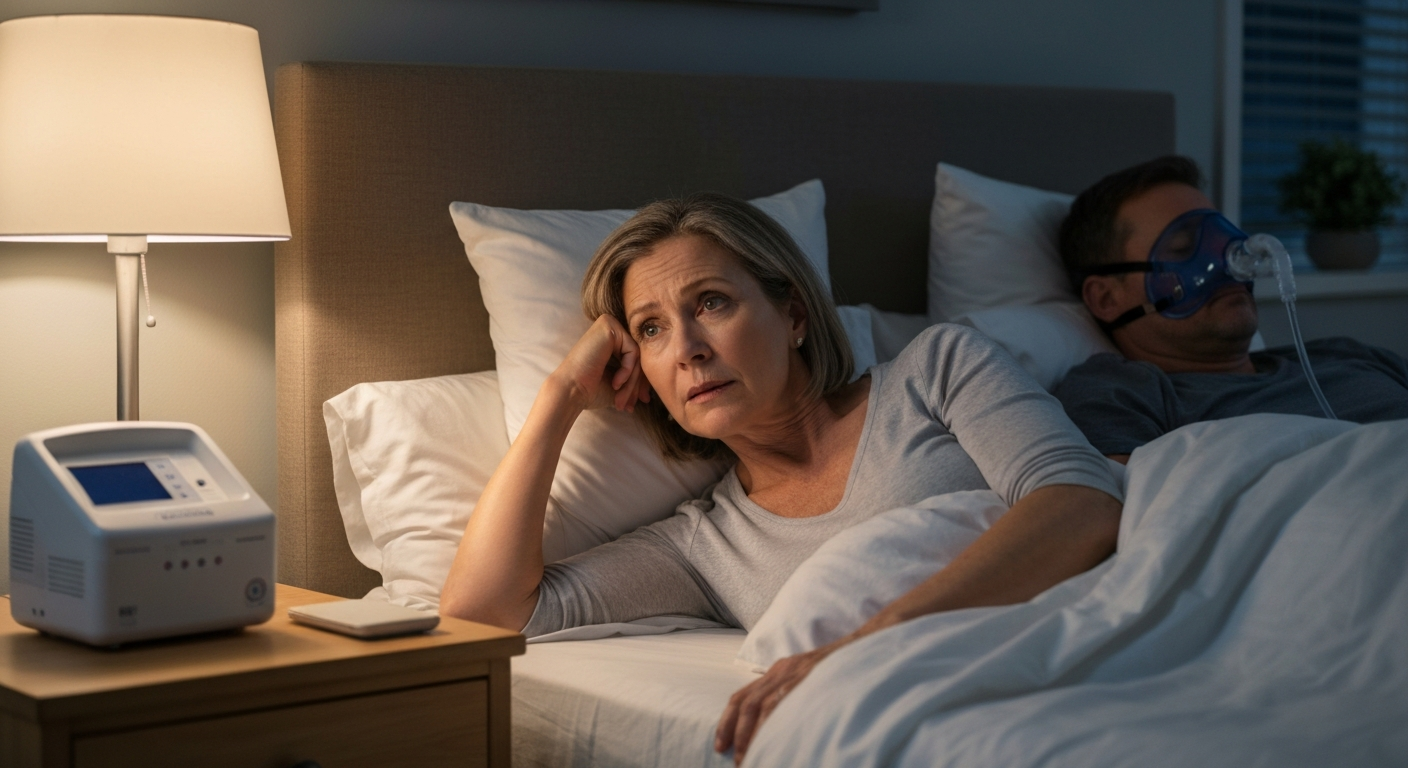
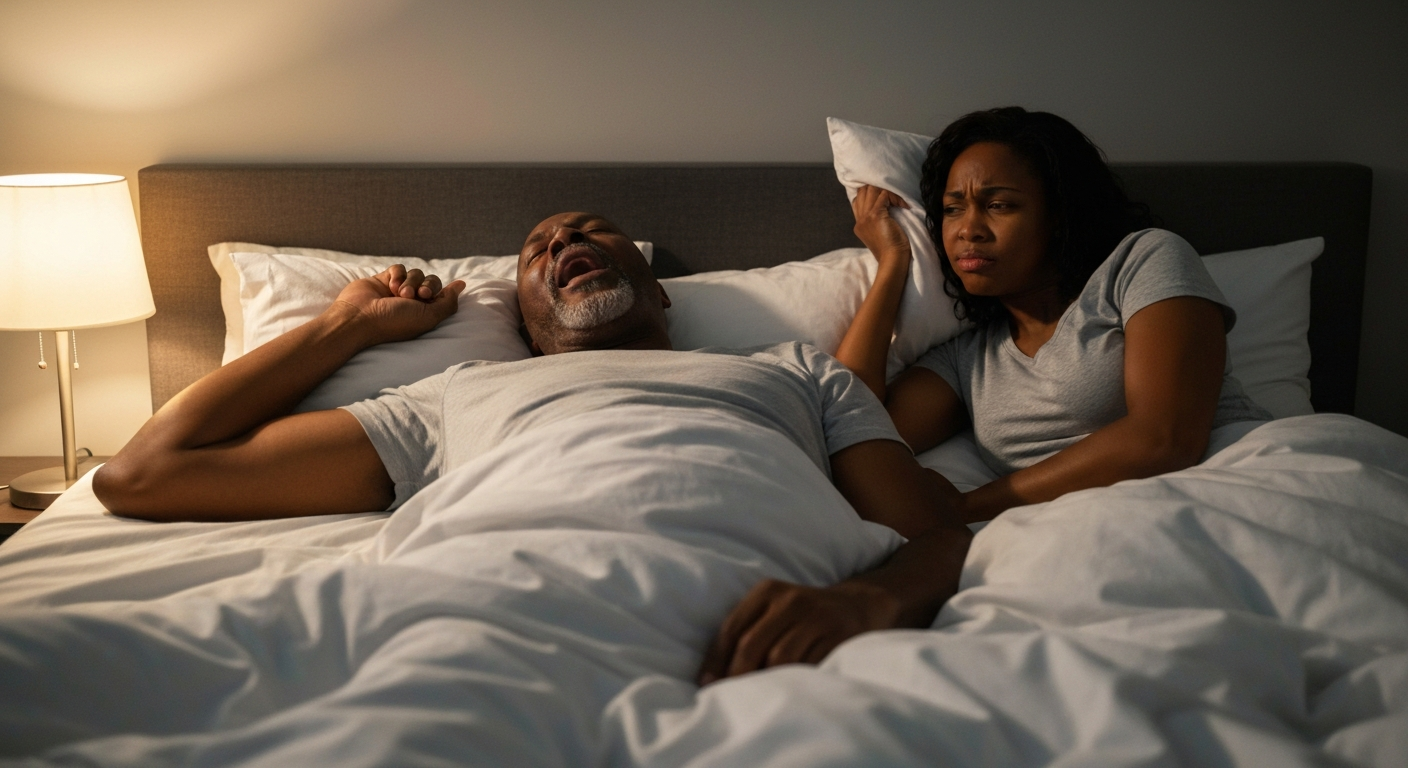
Snoring and sleep apnea both disrupt your sleep, but they're not the same condition — snoring is a sound caused by vibrating airway tissues, while sleep apnea is a serious medical disorder where breathing repeatedly stops and restarts throughout the night, sometimes hundreds of times.
The difference matters more than you might think. Simple snoring, though annoying for your bed partner, typically doesn't affect your oxygen levels or cause significant health problems. Sleep apnea, on the other hand, starves your brain and heart of oxygen, dramatically increasing your risk of heart disease, stroke, diabetes, and daytime accidents. Understanding whether you're dealing with harmless snoring or something more dangerous could genuinely save your life.
Snoring is a symptom — a noise your body makes — while sleep apnea is a diagnosable medical condition that requires treatment.
When you snore, air flows through a narrowed airway and causes the soft tissues in your throat (the soft palate, uvula, and tongue base) to vibrate. That vibration creates the familiar rumbling, rattling, or whistling sound. The airway stays open throughout, and breathing continues uninterrupted.
Sleep apnea involves something far more concerning: the airway actually collapses or becomes completely blocked, stopping airflow entirely. Your brain detects the drop in oxygen and briefly wakes you — often so briefly you don't remember it — to restart breathing. In moderate to severe cases, this cycle repeats 15 to 60+ times per hour, all night long.
"Obstructive sleep apnea occurs when the muscles that support the soft tissues in your throat, such as your tongue and soft palate, temporarily relax. When these muscles relax, your airway is narrowed or closed, and breathing is momentarily cut off." — Mayo Clinic Staff at Mayo Clinic
| Feature | Simple Snoring | Sleep Apnea |
|---|---|---|
| Airway status | Narrowed but open | Repeatedly collapses/blocks |
| Breathing | Continuous | Stops and restarts |
| Oxygen levels | Normal | Drop repeatedly |
| Sleep quality | Usually preserved | Severely fragmented |
| Health risks | Low (mostly social) | High (heart, brain, metabolic) |
| Treatment required | Optional | Medically necessary |
Also Read: Sleep Apnea vs Snoring: Key Differences & When to Worry
No — and this misconception causes many people with sleep apnea to go undiagnosed for years.
While snoring is extremely common in sleep apnea (roughly 70–95% of cases involve snoring), it's not universal. Some people with sleep apnea snore quietly or not at all, especially if they have:
The reverse is also true: most people who snore do not have sleep apnea. Studies suggest roughly 40% of adult men and 24% of adult women snore regularly, but only about 4% of men and 2% of women have clinically significant sleep apnea.
"Not everyone who snores has sleep apnea, and not everyone with sleep apnea snores. The biggest telltale sign is how you feel during the day. Normal snoring doesn't interfere with the quality of your sleep as much as sleep apnea does, so you're less likely to suffer from extreme fatigue and sleepiness during the day." — Melinda Smith, M.A. at HelpGuide
The warning signs extend far beyond the sound you make at night — sleep apnea leaves a trail of daytime symptoms that simple snoring doesn't.
If your partner reports that you stop breathing, gasp, choke, or make snorting sounds as if catching your breath, that's a major red flag. Simple snoring is relatively steady, even if it varies in volume. Sleep apnea sounds different — periods of silence (the apnea events) followed by a sudden gasp or snort as breathing resumes.
Simple snorers may feel well-rested after a full night's sleep. Sleep apnea sufferers rarely do. The constant micro-awakenings prevent your brain from completing normal sleep cycles, leaving you exhausted even after 8+ hours in bed. If you consistently wake up feeling unrefreshed, that's a significant warning sign.
We're not talking about normal afternoon tiredness. Sleep apnea causes the kind of sleepiness where you struggle to stay awake during meetings, while watching TV, or — dangerously — while driving. The National Highway Traffic Safety Administration estimates drowsy driving causes 100,000 crashes annually, and untreated sleep apnea significantly increases this risk.
Also Read: Does Snoring Cause Headaches? 5 Reasons & Fixes
Sleep apnea triggers a cascade of physiological stress responses that simple snoring doesn't — and the long-term consequences can be severe.
Each time your breathing stops, your blood oxygen level drops. Your brain responds to this emergency by releasing stress hormones (cortisol and adrenaline) that jolt your heart into action and partially wake you to reopen the airway. Repeat this 30, 40, or 60+ times per hour, eight hours a night, year after year, and you're looking at:
"Sleep apnea can increase the risk of high blood pressure, heart attack, stroke, obesity, and diabetes. It can also increase the risk of heart failure, make irregular heartbeats more likely, and increase the chance of having work-related or driving accidents." — American Heart Association
Simple snoring, by contrast, doesn't cause these problems because oxygen levels remain stable and sleep architecture stays intact. The main consequences of simple snoring are social — relationship strain, bedroom exile, embarrassment — rather than medical.
Both conditions share some risk factors, but sleep apnea has additional predictors that simple snoring doesn't.
Also Read: Does Being Overweight Make You Snore? The Science Explained
Only a sleep study can definitively diagnose sleep apnea — questionnaires and symptom checklists can point in the right direction, but they can't measure what's actually happening to your breathing.
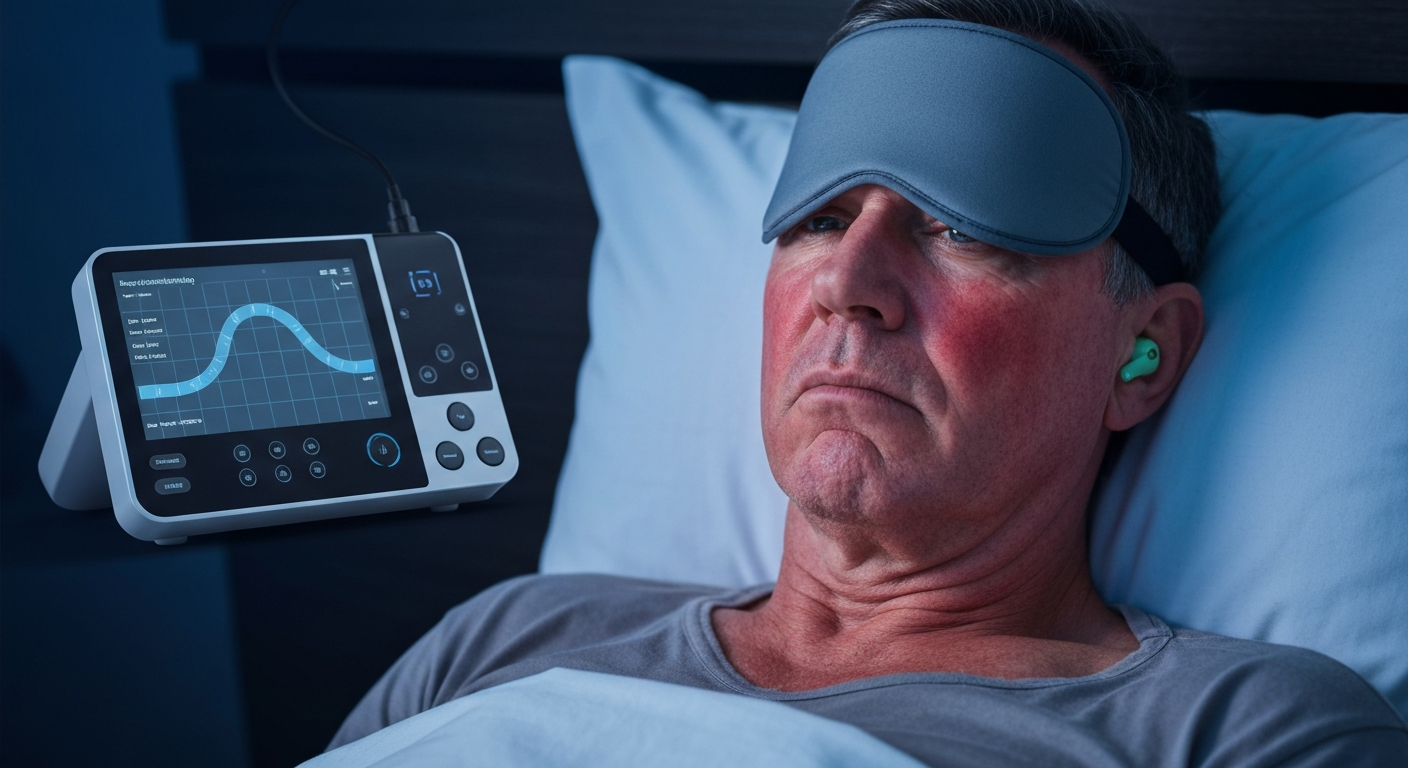
The gold standard is polysomnography (PSG), an overnight study conducted in a sleep lab. Sensors monitor your brain waves, eye movements, heart rate, blood oxygen, breathing effort, airflow, and body position. The results reveal exactly how many times your breathing stops (apnea events) or becomes dangerously shallow (hypopnea events) per hour — a measurement called the Apnea-Hypopnea Index (AHI).
| AHI Score | Severity | What It Means |
|---|---|---|
| < 5 | Normal | Simple snoring or no issue |
| 5–14 | Mild | Treatment often recommended |
| 15–29 | Moderate | Treatment strongly recommended |
| 30+ | Severe | Urgent treatment needed |
Home sleep tests are now widely available and increasingly accurate for diagnosing obstructive sleep apnea. They're simpler (you wear a portable device in your own bed) and cheaper, though they may miss milder cases or central sleep apnea.
Consider a sleep study if you have:
- Witnessed apneas (partner sees you stop breathing)
- Excessive daytime sleepiness affecting your work or safety
- A combination of loud snoring + morning headaches + unrefreshing sleep
- Treatment-resistant high blood pressure
- A bed partner who can't sleep due to your snoring and gasping
The treatments overlap somewhat, but sleep apnea requires more aggressive intervention to actually protect your health.
Also Read: Why Is My Husband Still Snoring With CPAP? 7 Causes & Fixes
Lifestyle changes and over-the-counter devices can help reduce both snoring and mild apnea, but moderate to severe sleep apnea requires medical treatment.
If you suspect apnea but haven't been diagnosed yet, or if you have mild apnea, these strategies may help:
| ✓Our Pick |
Custom-fit snore mouthpiece — repositions your jaw to eliminate snoring Trusted by professionals and everyday users alike — a smart investment that pays for itself. Learn More → |
Snoring is a sound; sleep apnea is a disease. While most snorers don't have sleep apnea, sleep apnea almost always involves some form of disrupted breathing that may or may not produce loud snoring. The critical difference is that sleep apnea stops your breathing repeatedly throughout the night, dropping your oxygen levels and fragmenting your sleep in ways that damage your heart, brain, and metabolism over time. If your snoring comes with daytime exhaustion, gasping episodes, or morning headaches, don't dismiss it as just noise — get a sleep study and find out what's really happening while you sleep.
No. Obstructive sleep apnea (OSA) is a medical condition where the airway repeatedly collapses during sleep, causing breathing to stop for 10 seconds or longer. Snoring is simply the noise produced when air flows past relaxed tissues that vibrate. Snoring can occur with or without apnea, and some people with apnea barely snore at all. OSA requires treatment; simple snoring usually doesn't.
Yes. While snoring is present in most obstructive sleep apnea cases, it's not universal. Central sleep apnea, where the brain fails to signal the breathing muscles properly, often occurs without any snoring. Some people with obstructive apnea also experience silent apneas, especially if their airway collapses completely rather than partially. If you have excessive daytime sleepiness and other apnea symptoms but don't snore loudly, you could still have the condition.
Simple snoring tends to be relatively steady and rhythmic, varying in volume but continuing throughout the night. Sleep apnea sounds different — it often includes periods of silence (when breathing stops), followed by a choking, gasping, or snorting sound as breathing resumes. Bed partners frequently describe it as "scary" or "like they're struggling to breathe." The pattern of silence-then-gasp is the key auditory difference.
See a doctor if your snoring is accompanied by witnessed breathing pauses, excessive daytime sleepiness that affects your work or driving safety, morning headaches
Reviewed and Updated on June 14, 2026 by George Wright