Sleep
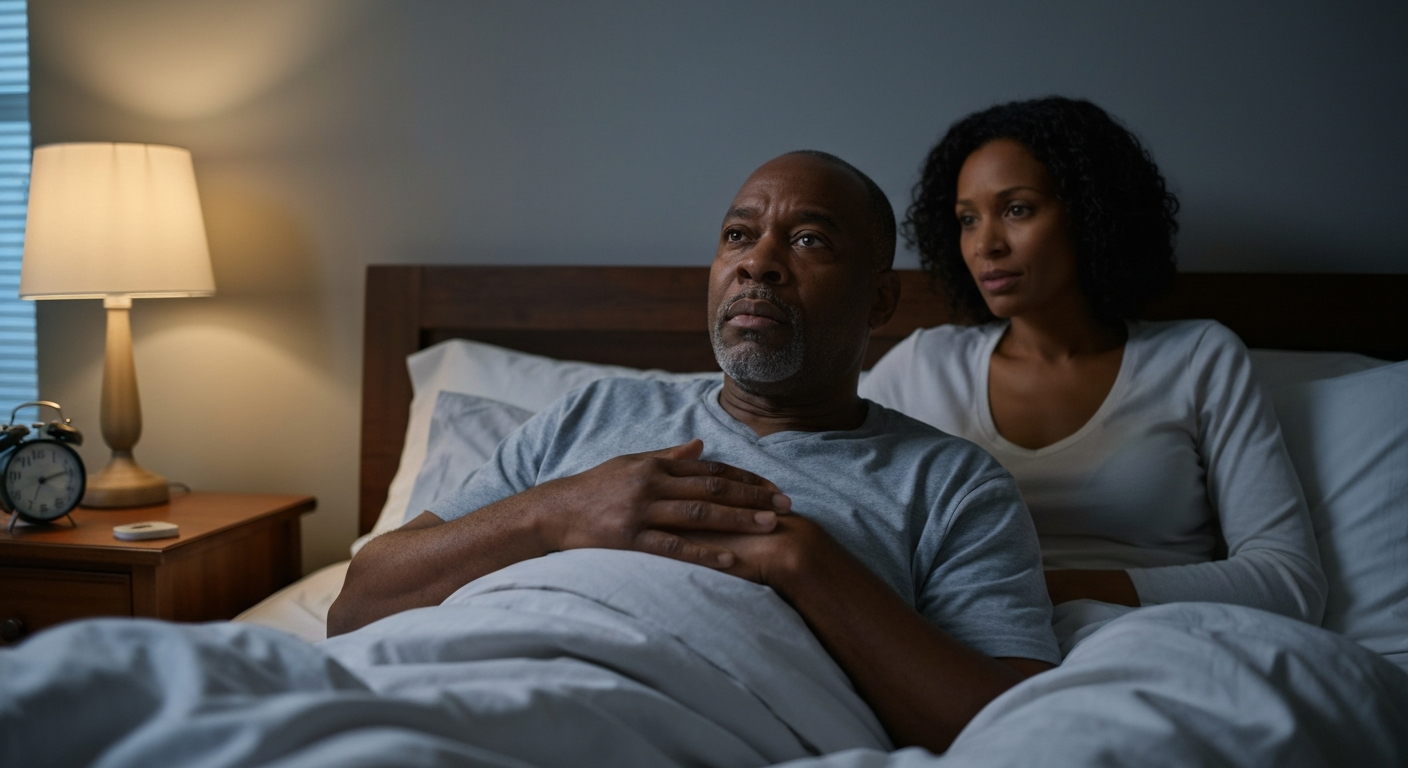

Snoring that includes gasping, choking, or long silent pauses followed by loud snorts is dangerous because it signals obstructive sleep apnea (OSA) — a condition where your airway repeatedly collapses during sleep, starving your brain and heart of oxygen.
| ✓Our Pick |
Custom-fit anti-snoring mouthpiece — repositions your jaw to keep the airway open Save yourself the frustration — a proven solution with consistently positive feedback from real buyers. Learn More → |
The key difference is whether your breathing stops during sleep — harmless snoring is continuous, while dangerous snoring involves repeated pauses, gasps, or choking sounds.
Not all snoring means something is wrong. Millions of people snore softly and sleep through the night without any health consequences. The sound alone does not determine risk. What matters is the pattern of breathing behind the noise.
Harmless snoring tends to be:
- Steady and rhythmic without interruptions
- Positional (it stops when you shift off your back)
- Occasional, often linked to a cold, allergies, or alcohol
- Relatively quiet, not heard through walls
Dangerous snoring tends to be:
- Interrupted by silence lasting 10 seconds or longer
- Followed by gasping, choking, or snorting sounds
- Present every night regardless of sleep position
- Loud enough to disturb others in the room
"Snoring that is interrupted by pauses in breathing followed by gasping or choking is a hallmark sign of obstructive sleep apnea." — American Academy of Sleep Medicine
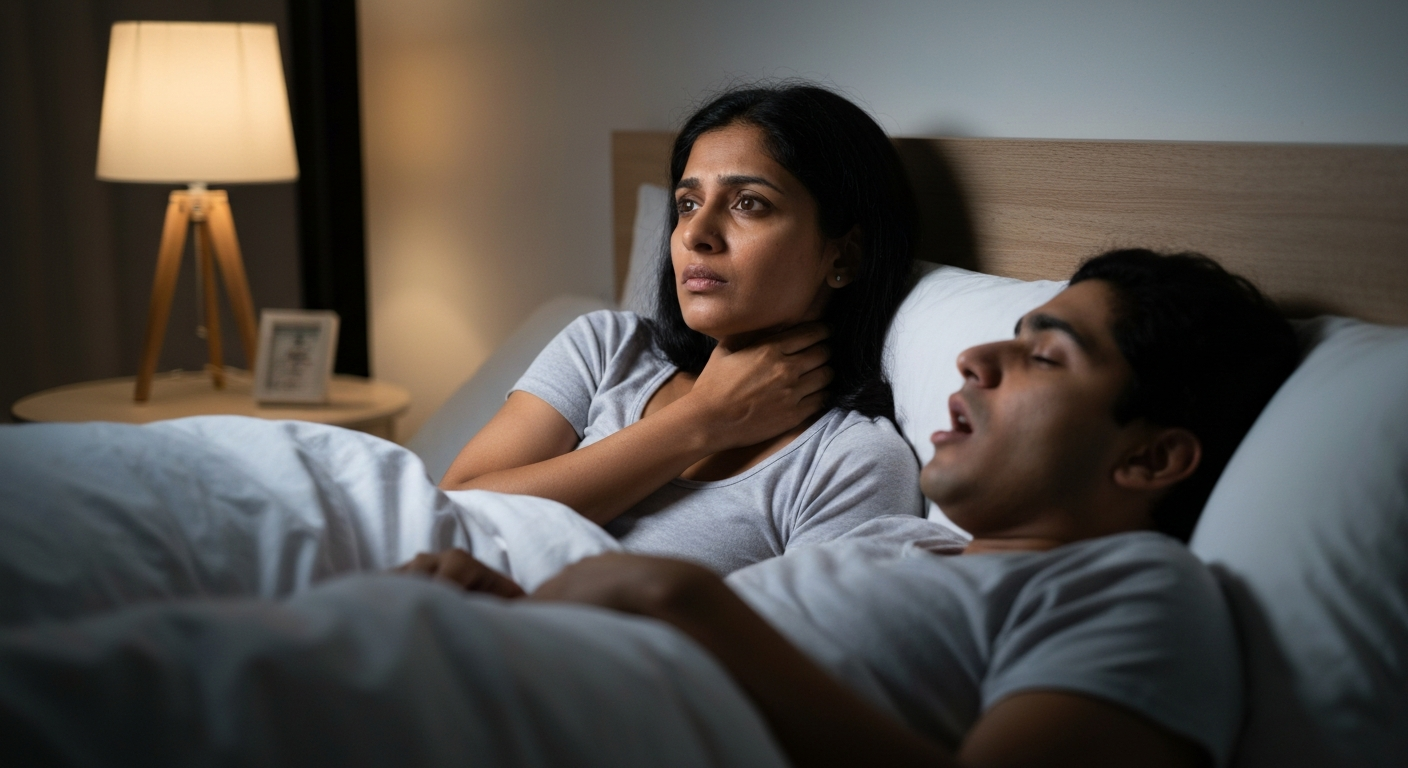
If your partner describes your snoring as "you stopped breathing and then made this horrible sound," that is the clearest warning sign. Your body is essentially waking itself up to restart breathing — sometimes dozens of times per hour without you consciously realizing it.
Also Read: Snoring vs Sleep Apnea: How to Tell the Difference
OSA repeatedly cuts off oxygen to your brain and cardiovascular system, triggering stress hormones that damage your heart, blood vessels, and metabolic function over time.
During an apnea event, your airway collapses completely. Your blood oxygen level drops, your heart rate spikes, and your body releases adrenaline to force you awake enough to breathe again. You may not remember waking, but your sleep quality is destroyed.
This cycle happening 30, 50, or even 100 times per night puts enormous strain on your body.
Yes. Each time oxygen drops and adrenaline surges, your blood pressure spikes. Over months and years, this leads to sustained hypertension even during the day. Studies show that 30 to 50 percent of people with high blood pressure also have OSA.
Yes, the risk is significant. Untreated severe OSA increases the risk of heart attack, stroke, and irregular heart rhythms. The repeated oxygen drops and blood pressure surges damage blood vessel walls and promote inflammation.
"Patients with untreated obstructive sleep apnea have a two to three times higher risk of cardiovascular events including heart attack and stroke." — National Heart, Lung, and Blood Institute
Yes. The stress hormones released during apnea events interfere with insulin regulation. People with OSA are more likely to develop insulin resistance and type 2 diabetes, even when controlling for weight.
Watch for these specific red flags — any one of them warrants further investigation, and multiple signs together strongly suggest OSA.
If someone has seen you stop breathing during sleep, this is the most direct evidence of apnea. Even one observed pause is worth mentioning to a doctor.
Waking suddenly feeling like you cannot breathe, or waking with your heart racing, suggests your body is reacting to an airway obstruction.
Feeling tired despite sleeping seven or eight hours is a hallmark of OSA. The constant micro-awakenings prevent restorative deep sleep.
Oxygen deprivation during the night dilates blood vessels in the brain. Waking with a dull headache that fades after an hour or two is a common OSA symptom.
Snoring that happens regardless of sleep position, alcohol intake, or congestion — and that is loud enough to be heard through doors — is more likely to indicate structural airway narrowing.
Also Read: Is Snoring Unhealthy? 6 Risks & What Your Body Is Telling You
| Snoring Pattern | What It Sounds Like | What It May Indicate |
|---|---|---|
| Continuous, soft | Steady rhythmic sound | Benign snoring (often positional) |
| Continuous, loud | Room-filling rumble | Possible airway narrowing, may be benign |
| Interrupted by silence | Snoring stops for 10+ seconds | Obstructive apnea event |
| Gasping/choking | Snort or choke after silence | Apnea event ending, body restarting breathing |
| High-pitched wheeze | Whistling or stridor sound | Nasal obstruction or upper airway issue |
| Gurgling/wet sound | Fluid-like noise | Possible mucus, reflux, or rarely pulmonary issue |
If the middle two patterns describe your snoring, you should pursue diagnostic testing.
The gold standard is a sleep study (polysomnography), which monitors your breathing, oxygen levels, heart rate, and brain activity overnight.
A sleep study can be done in a sleep lab or increasingly with a home sleep apnea test (HSAT). The test measures the apnea-hypopnea index (AHI) — how many times per hour your breathing is significantly reduced or stopped.
| AHI Score | Severity | What It Means |
|---|---|---|
| Less than 5 | Normal | No significant apnea |
| 5 to 14 | Mild OSA | Some events, treatment may help |
| 15 to 29 | Moderate OSA | Treatment recommended |
| 30 or higher | Severe OSA | Treatment strongly recommended |
Your doctor may order a home test first if OSA is suspected but your symptoms are not extreme. If results are inconclusive or you have other conditions, an in-lab study provides more detailed data.
"Home sleep apnea testing is an appropriate diagnostic option for patients with a high pretest probability of moderate to severe obstructive sleep apnea." — American College of Physicians
Seek evaluation if you have any witnessed breathing pauses, excessive daytime sleepiness, or multiple risk factors for OSA.
You should schedule an appointment if:
Do not wait for symptoms to become severe. OSA is highly treatable, and early intervention prevents cardiovascular damage.
Also Read: Does Snoring Cause Headaches? 5 Reasons & Fixes
Treatment depends on severity — mild cases may respond to oral appliances or lifestyle changes, while moderate to severe OSA typically requires CPAP therapy or surgery.
Continuous positive airway pressure is the first-line treatment for moderate to severe OSA. A mask worn during sleep delivers pressurized air that keeps your airway open. Modern CPAP machines are quieter and more comfortable than older models.
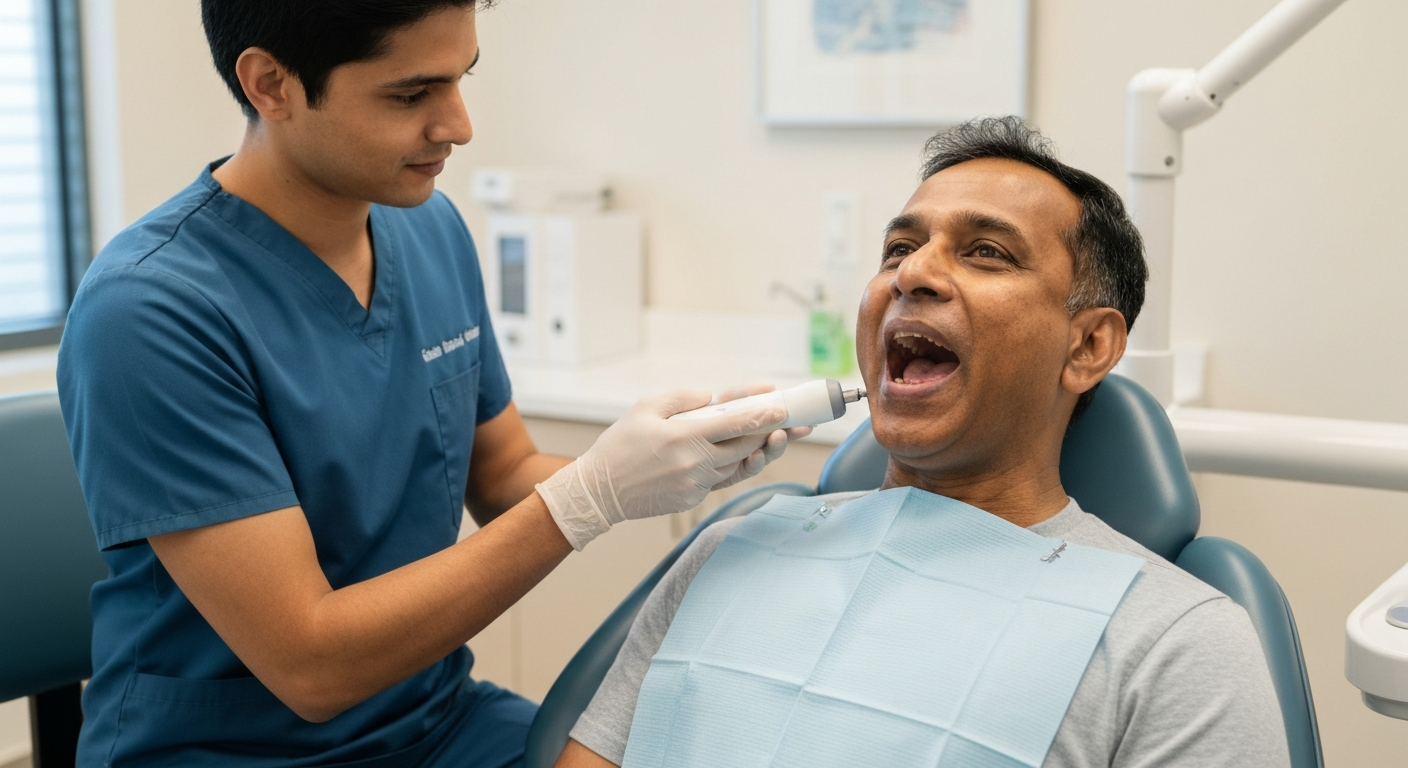
For mild to moderate OSA or for people who cannot tolerate CPAP, a custom-fitted mouthpiece repositions the lower jaw forward to keep the airway open. These work best when fitted by a dentist trained in sleep medicine.
Weight loss, avoiding alcohol before bed, and sleeping on your side can reduce AHI in some patients. These changes may not eliminate OSA but can reduce severity.
For specific anatomical issues — enlarged tonsils, deviated septum, or excess tissue in the throat — surgery may help. Procedures include UPPP (removal of tissue from the throat), nasal surgery, or hypoglossal nerve stimulation devices.
Also Read: How to Remove Snoring: 8 Proven Methods That Work
Men over 40, people with excess weight, and those with certain facial structures are at highest risk, but OSA can affect anyone.
Risk factors include:
Women's risk increases after menopause when hormonal changes affect muscle tone. Children can also have OSA, usually related to enlarged tonsils or adenoids.
Dangerous snoring is characterized by pauses in breathing, gasping, or choking sounds — all signs of obstructive sleep apnea. Unlike harmless snoring, OSA starves your body of oxygen repeatedly throughout the night, increasing your risk of heart disease, stroke, high blood pressure, and diabetes. If you or your partner notice these patterns, get a sleep study. OSA is treatable, and addressing it can add years to your life.
No, snoring alone is not always apnea. Many people snore due to nasal congestion, sleep position, or mild tissue vibration without any breathing obstruction. The distinction is whether breathing stops during sleep. Continuous, soft snoring without daytime symptoms is usually harmless.
Yes. Children who snore loudly and regularly, especially with pauses or gasping, may have pediatric OSA. The most common cause is enlarged tonsils and adenoids. Warning signs include mouth breathing during sleep, restless sleep, bedwetting, and behavioral problems during the day.
Side sleeping can reduce snoring and mild OSA in some people by preventing the tongue from falling back into the airway. However, positional therapy alone is rarely sufficient for moderate to severe OSA. It works best as a supplement to other treatments.
Untreated severe sleep apnea significantly increases mortality risk, primarily through cardiovascular events like heart attack and stroke. Direct suffocation during sleep is extremely rare because the body's arousal response kicks in. The danger is cumulative damage over months and years of untreated apnea.
Volume alone does not determine danger. A loud snorer with continuous breathing may be fine, while a quieter snorer with pauses and gasps has OSA. However, extremely loud snoring (above 80 decibels) often correlates with more severe airway narrowing. The pattern matters more than the volume.
Reviewed and Updated on June 14, 2026 by George Wright