Sleep
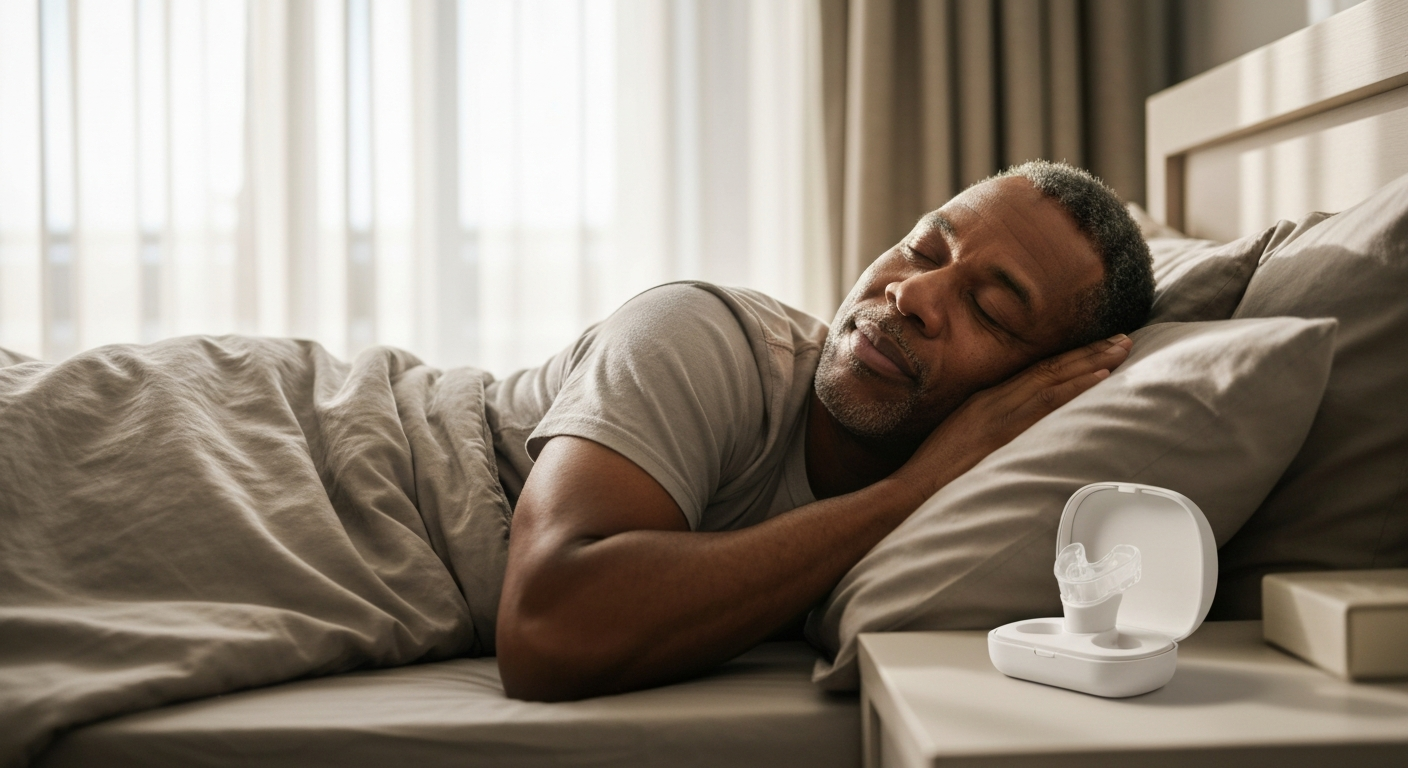

The best anti-snore devices work by repositioning your jaw, keeping your airway open, or encouraging side-sleeping—and the right choice depends on whether you snore through your mouth, nose, or both.
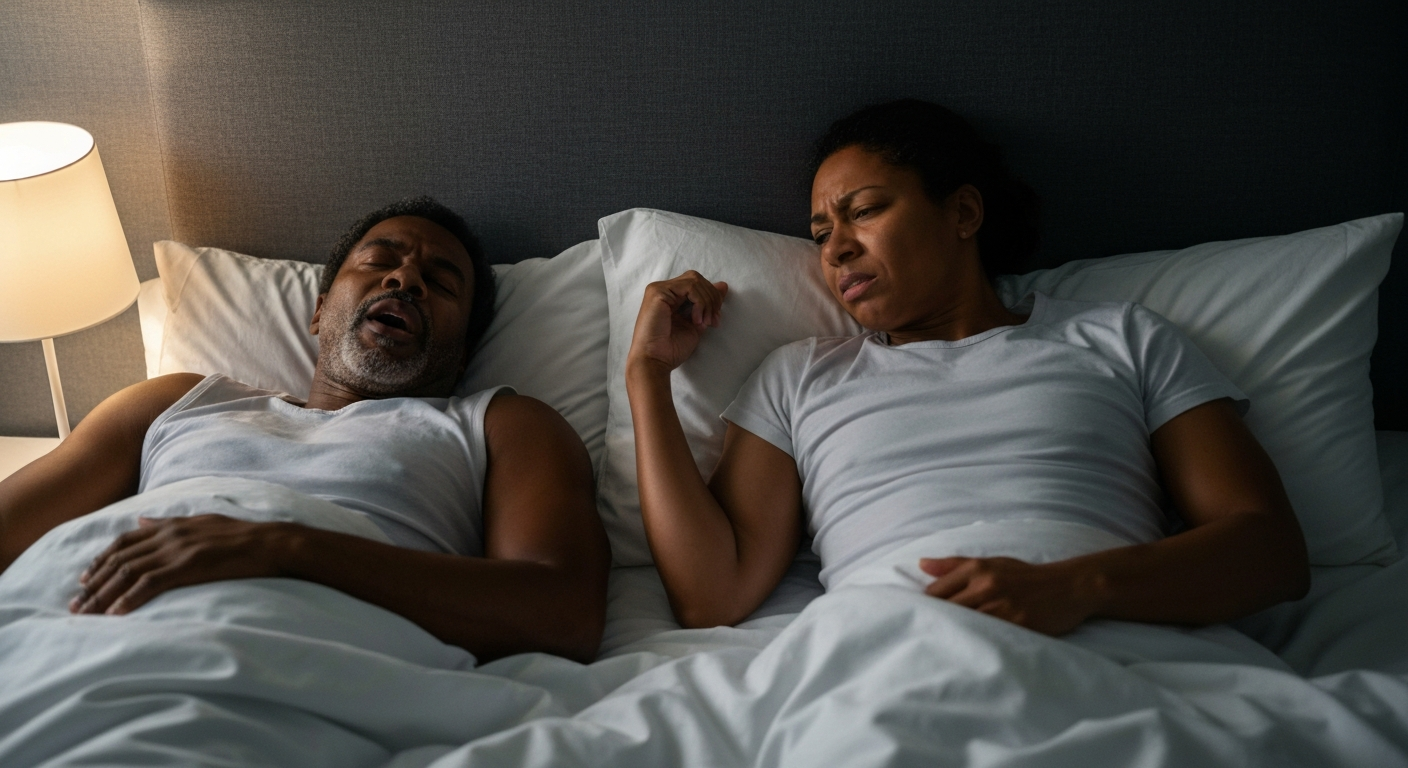
Snoring affects roughly 57% of men and 40% of women in the US, according to the American Academy of Sleep Medicine. If you've tried pillows, sprays, and sleeping on your side without success, a dedicated anti-snore device may finally give you (and your partner) a quiet night. This guide breaks down the snore aids that actually work in 2026, explains the science behind each type, and helps you match the best product to your specific snoring pattern.
Anti-snore devices target the physical cause of snoring—soft tissue vibration in a narrowed airway—by mechanically holding structures open or repositioning them while you sleep.
When you sleep, the muscles in your throat relax. In some people, this relaxation causes the tongue, soft palate, or uvula to partially block the airway. As air squeezes through the narrowed space, those tissues vibrate, producing the familiar rumble of snoring.
Different devices tackle different points of obstruction:
"The mandibular advancement device is considered a first-line treatment for snoring and mild to moderate obstructive sleep apnea." — Dr. Colleen G. Lance at the American Academy of Sleep Medicine
Understanding your snoring type matters. Mouth snorers benefit most from MADs and chin straps. Nasal snorers need dilators or strips. Positional snorers—those who only snore on their back—often get results from a simple tennis-ball shirt or smart positional device.
Also Read: Does Snoring Mean Deep Sleep? The Truth About Sleep Quality
The best snore device for you depends on your anatomy, comfort tolerance, and whether you breathe through your mouth or nose at night.
| Device Type | How It Works | Best For | Effectiveness | Comfort Level |
|---|---|---|---|---|
| Mandibular Advancement Device (MAD) | Holds jaw forward | Mouth snorers, mild sleep apnea | High (70–90% reduction) | Moderate (adjustment period) |
| Tongue-Retaining Device (TRD) | Suctions tongue forward | Those who can't use MADs, denture wearers | Moderate–High | Low–Moderate |
| Nasal Dilator (internal) | Expands nostrils from inside | Nasal snorers, deviated septum | Moderate | High |
| Nasal Strip (external) | Lifts nostrils open from outside | Mild nasal snoring, congestion | Low–Moderate | Very High |
| Chin Strap | Keeps mouth closed | Mouth breathers who can nose-breathe | Moderate | Moderate |
| Positional Device | Prevents back sleeping | Positional snorers only | High for positional snoring | Varies |
| Smart Anti-Snore Pillow | Detects snoring, adjusts head position | Light snorers, tech enthusiasts | Low–Moderate | High |
MADs have the strongest clinical evidence behind them. A 2020 meta-analysis in the Journal of Clinical Sleep Medicine found that custom-fitted MADs reduced snoring intensity by an average of 78% and improved bed partner sleep quality significantly.
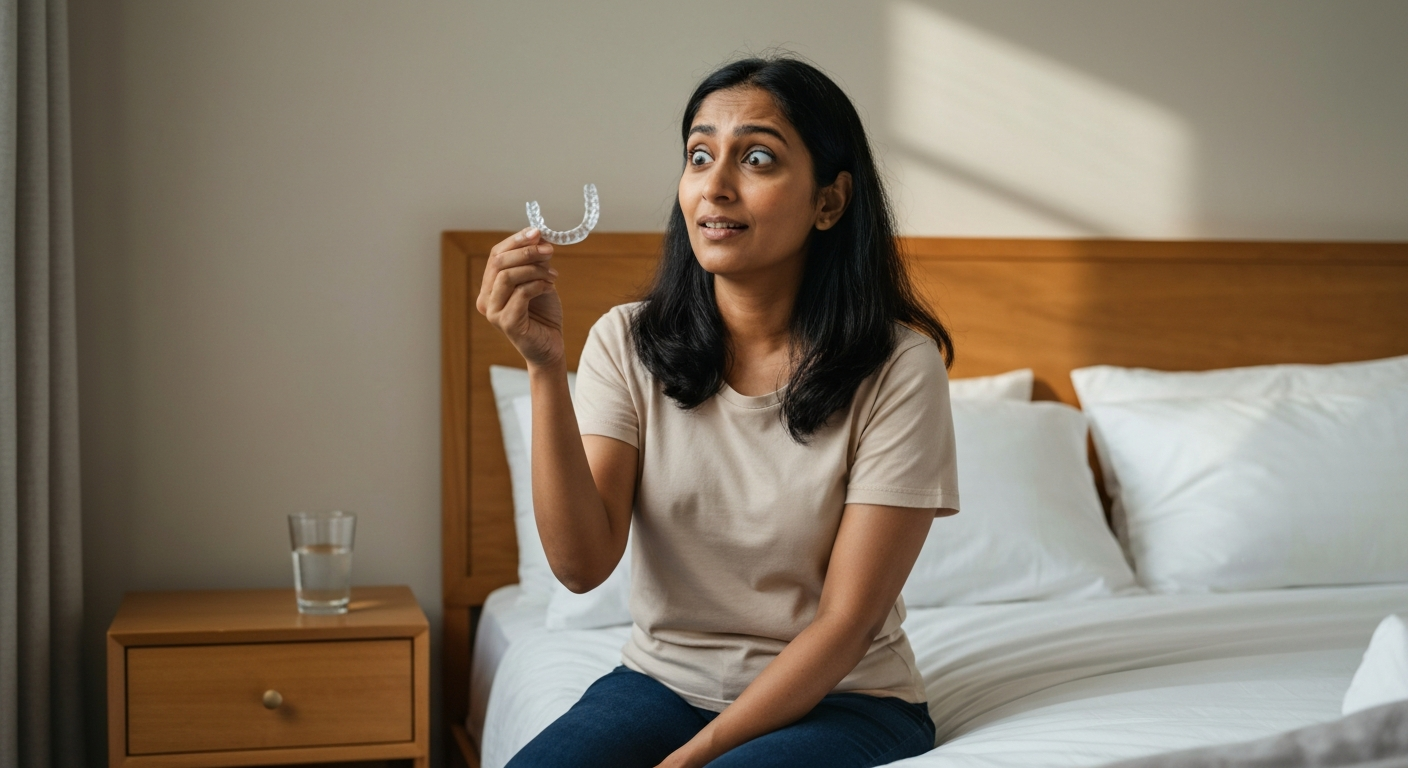
The catch: they require an adjustment period. Most people experience jaw soreness, excess saliva, and mild tooth discomfort during the first one to two weeks. Custom-fitted versions from a dentist run $500–$2,000, but boil-and-bite models available online offer a more affordable entry point at $30–$100.
TRDs work well for people who can't tolerate MADs—including those with dentures, crowns, or TMJ disorders. They use suction to hold the tip of your tongue forward, preventing it from collapsing backward.
Research published in Sleep and Breathing showed TRDs reduced snoring in 70% of participants, though compliance tends to be lower because many find the tongue suction uncomfortable initially.
Nasal products work best for snorers whose primary obstruction is in the nose rather than the throat. If you snore through your nose even with your mouth closed, or if congestion makes your snoring worse, nasal dilators may help.
"Nasal resistance accounts for about half of total airway resistance, so improving nasal airflow can reduce snoring in patients with nasal obstruction." — Dr. Michael Friedman at the American Academy of Otolaryngology
However, if your snoring originates in your throat, nasal products alone won't solve the problem.
Also Read: Snoring With Mouth Closed: 4 Causes & How to Stop It
The best cure for snoring starts with identifying where your airway collapses—mouth, nose, or both—then choosing a device that targets that specific point.
Here's a simple self-test:
| Snoring Type | Recommended Devices | Secondary Options |
|---|---|---|
| Mouth snorer | MAD, chin strap | Positional device |
| Nasal snorer | Internal nasal dilator, nasal strip | Allergy treatment, humidifier |
| Tongue-based snorer | MAD, TRD | Myofunctional therapy |
| Positional snorer | Positional belt, tennis-ball shirt | Smart pillow |
| Combined (mouth + nasal) | MAD + nasal dilator | Comprehensive ENT evaluation |
If you snore regardless of position, the obstruction is likely in your throat rather than being gravity-dependent. MADs tend to be the most effective solution here. Some people with persistent snoring also have undiagnosed sleep apnea, which requires a sleep study and potentially CPAP therapy.
Also Read: Snoring vs sleep apnea
The best product to stop snoring combines clinical effectiveness with features you'll actually tolerate night after night—because no device works if it ends up in your nightstand drawer.
MADs with incremental advancement settings let you start with minimal jaw protrusion and gradually increase it. This reduces initial discomfort and helps you find the "sweet spot" where snoring stops without jaw pain.
If you get congested at night, choose an MAD with airflow ports. Being able to breathe through your mouth when needed improves compliance dramatically.
Medical-grade silicone and BPA-free plastics are standard for reputable devices. Cheap knockoffs may contain phthalates or other chemicals you don't want in your mouth for eight hours.
Custom-fitted MADs from a dentist offer the best fit and longest lifespan. Boil-and-bite models work well for many people and cost a fraction of the price, making them a reasonable first step before investing in a professional device.
"Over-the-counter mandibular advancement devices can be an effective and economical first-line option for patients with primary snoring." — Dr. B. Tucker Woodson at the Sleep Foundation
Given the adjustment period, look for devices with at least a 30-day return window. Many people need to try two or three devices before finding one that works and feels tolerable.
Snoring accompanied by gasping, choking, or daytime exhaustion may signal obstructive sleep apnea—a serious condition that anti-snore devices alone can't treat safely.
See a healthcare provider if you experience:
A sleep study can determine whether you have sleep apnea and how severe it is. Mild cases may still respond to MADs, but moderate to severe apnea typically requires CPAP or other medical interventions.
Also Read: Sleep Apnea vs Snoring: Key Differences & When to Worry
After reviewing clinical evidence, user feedback, and product specifications, these are the snore aids that work for most people in each category.
For mouth snorers and tongue-based snoring, a custom-fit mandibular advancement mouthpiece offers the best balance of effectiveness and comfort. Models that mold to your specific bite pattern eliminate the fit issues that cause many people to abandon cheaper devices.
Silicone nasal dilators that sit inside your nostrils provide more airflow improvement than external strips. They're reusable, discreet, and work well for allergy sufferers or those with mild deviated septums.
Electronic positional trainers vibrate gently when you roll onto your back, teaching your body to stay on its side without waking you fully. They're more effective than tennis balls sewn into shirts, which often just wake you up.
If you want to test whether an MAD works for you before spending hundreds at the dentist, a quality boil-and-bite device offers a reasonable trial run at $40–$80.
| ✓Our Pick |
Shop custom-fit anti-snoring mouthpieces — repositions jaw to eliminate snoring No special skills required — straightforward to use and most orders ship quickly. Learn More → |
The best anti-snore device depends on your snoring type: MADs work best for mouth and tongue-based snoring, nasal dilators help nasal snorers, and positional aids solve back-sleeping snoring. Start by identifying where your airway collapses using the self-test above, then choose a device that targets that specific point. If snoring comes with gasping, choking, or daytime exhaustion, see a doctor before relying on over-the-counter solutions—you may have sleep apnea that needs medical treatment.
Lifestyle changes can reduce or eliminate snoring for some people. Losing weight reduces fatty tissue in the throat, sleeping on your side prevents tongue collapse, avoiding alcohol within three hours of bed keeps throat muscles from over-relaxing, and treating nasal allergies improves airflow. These approaches work best for mild snoring and may be enough on their own.
MADs are FDA-cleared for mild to moderate obstructive sleep apnea and can reduce apnea events significantly. However, they're not appropriate for severe sleep apnea, where CPAP remains the gold standard. If you suspect sleep apnea, get a sleep study before choosing a device—treating apnea inadequately carries real health risks including heart disease and stroke.
Most people need one to three weeks to adjust fully. Initial side effects include jaw soreness, excess saliva, and mild tooth tenderness. These typically resolve as your muscles adapt. If discomfort persists beyond three weeks or you develop bite changes, consult a dentist.
Yes, combining devices often works better than a single approach. Pairing a nasal dilator with an MAD addresses both nasal and oral obstruction. Using a chin strap with nasal dilators keeps your mouth closed while ensuring adequate airflow through your nose. Experiment to find the combination that works for your anatomy.
Custom MADs from a dentist last longer, fit better, and cause fewer side effects. They're worth the investment if you've confirmed an over-the-counter MAD works for you and you want a long-term solution. However, starting with a boil-and-bite model makes sense to test whether MAD therapy helps your snoring before committing to a $500+ custom device.
Reviewed and Updated on June 14, 2026 by George Wright