Sleep
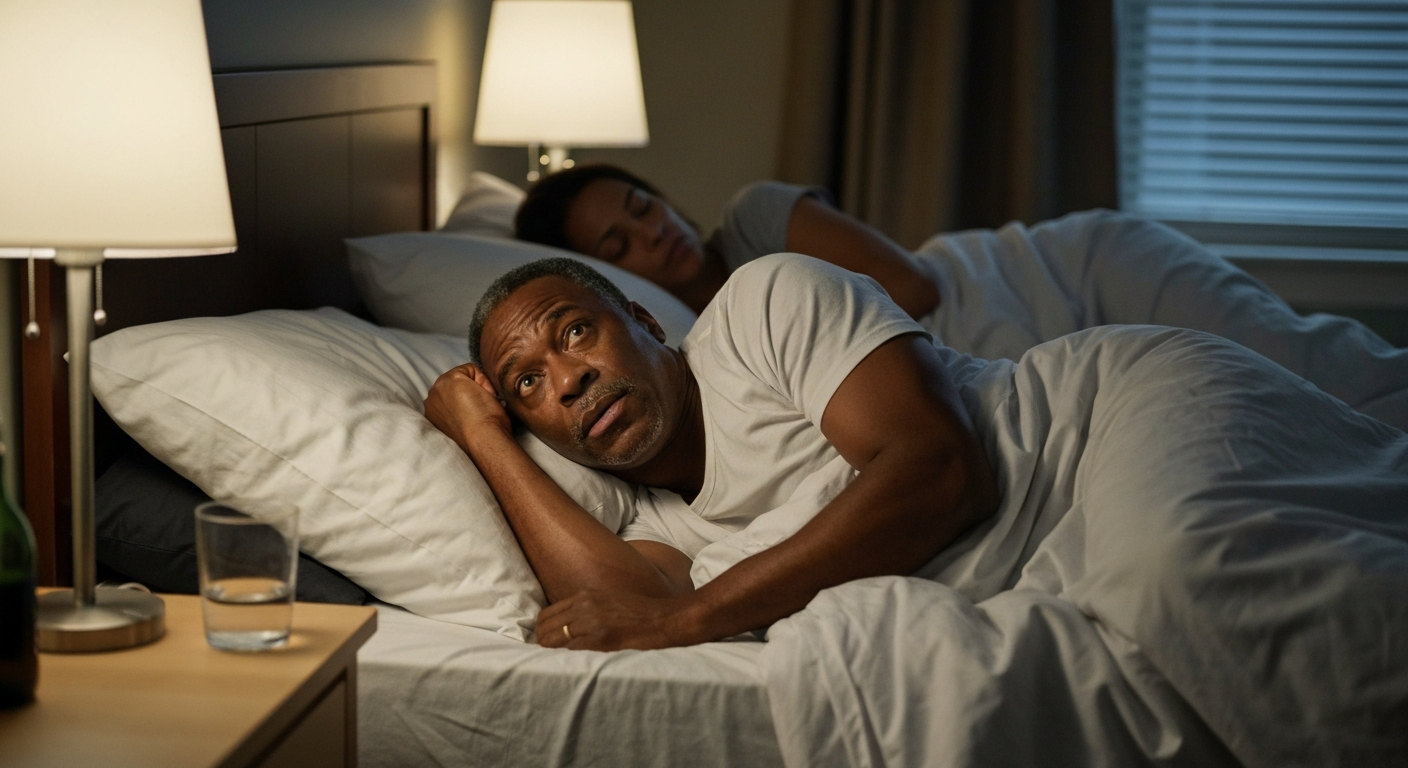

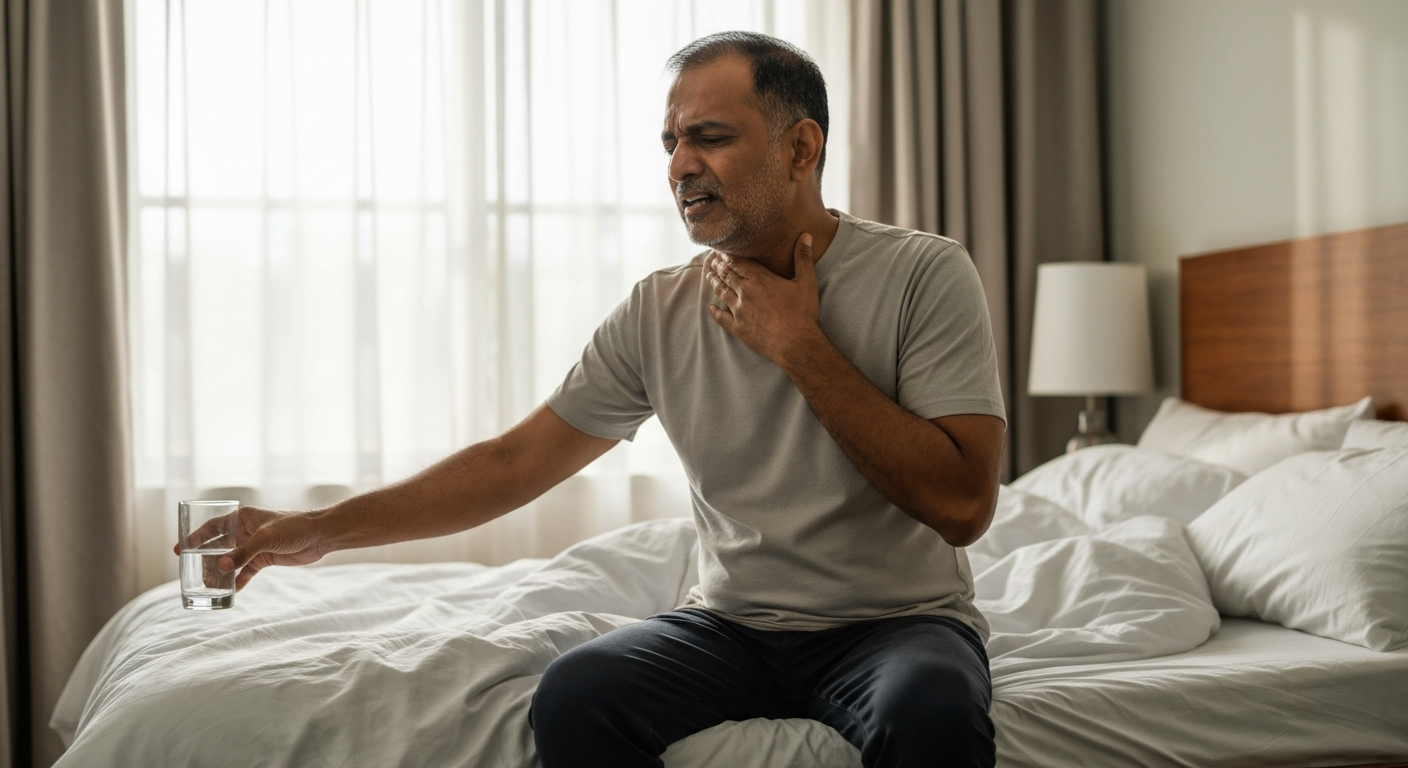
No, obstructive sleep apnea (OSA) and snoring are not the same thing — snoring is a sound caused by vibrating airway tissue, while sleep apnea is a medical disorder where breathing repeatedly stops during sleep, sometimes for 10 seconds or longer.
Many people snore without ever having sleep apnea, and some people with sleep apnea don't snore at all. Understanding the difference between snoring and sleep apnea matters because one is mostly a nuisance, while the other carries serious health risks including heart disease, stroke, and daytime fatigue that can lead to accidents. This article breaks down exactly how to tell them apart, who needs testing, and what to do next.
Snoring is simply noise; sleep apnea is a breathing disorder that happens to sometimes cause noise.
When you snore, air flows past relaxed tissues in your throat — the soft palate, uvula, or tongue base — and makes them vibrate. That vibration produces the familiar rumbling or rattling sound. The airway narrows but stays open, and breathing continues uninterrupted.
Sleep apnea works differently. In obstructive sleep apnea, the airway doesn't just narrow — it collapses completely or nearly completely, blocking airflow for at least 10 seconds at a time. Your brain detects the oxygen drop, triggers a brief arousal (you usually don't wake fully), and you gasp or snort before breathing resumes. This cycle can repeat dozens or even hundreds of times per night.
"Snoring is a sign of airway resistance, but apnea means the airway has actually closed. The clinical distinction is whether breathing stops — that's what defines apnea." — Dr. Raj Dasgupta at Keck School of Medicine of USC
The confusion arises because loud snoring often accompanies OSA — the same floppy tissues that vibrate during snoring are the ones that collapse during apnea events. But correlation isn't causation. Plenty of heroically loud snorers have no apnea whatsoever, and some people with severe OSA snore quietly or not at all.
Also Read: Is Snoring Normal? When to Worry & When to Relax
Yes — the majority of people who snore do not have obstructive sleep apnea.
Estimates suggest that around 40% of adult men and 24% of adult women snore regularly, but only about 2–9% of adults have clinically significant sleep apnea. That means most snorers fall into the category of "primary snoring" or "simple snoring" — noisy but harmless.
Primary snoring typically:
- Produces steady, rhythmic sound without gasping or choking
- Doesn't cause oxygen drops or sleep fragmentation
- Leaves you feeling reasonably rested in the morning
- Often gets worse with alcohol, allergies, or sleeping on your back
If your partner describes your snoring as consistent sawing or buzzing rather than erratic choking sounds followed by silence, you're more likely dealing with simple snoring. Age, weight, nasal congestion, and anatomy (a thick soft palate, large tonsils, or a small jaw) all contribute to primary snoring without crossing into apnea territory.
Also Read: What Causes Snoring in Females? 7 Causes & Fixes
Yes — some people with sleep apnea don't snore at all, which makes their condition harder to detect.
Sleep apnea without snoring is more common than most people realize. Research published in the journal Sleep found that roughly 20% of people with moderate-to-severe OSA either don't snore or snore only mildly. This happens because the airway can collapse silently — no vibration means no sound, even though breathing has stopped.
Non-snoring sleep apnea tends to occur more often in:
- Women (who may have different airway collapse patterns)
- People with central sleep apnea (where the brain fails to signal breathing, rather than tissue blocking the airway)
- Those with certain anatomical features
- Post-menopausal women
If you don't snore but wake up exhausted, have morning headaches, or find yourself falling asleep during the day, sleep apnea remains a possibility worth investigating.
"The absence of snoring doesn't rule out sleep apnea. We see patients all the time who were surprised by their diagnosis because they assumed snoring was a requirement." — Dr. Shalini Paruthi at American Academy of Sleep Medicine
The key differentiator is what happens between snores — silent pauses followed by gasps or choking sounds point toward apnea.
| Feature | Primary Snoring | Obstructive Sleep Apnea |
|---|---|---|
| Sound pattern | Steady, rhythmic | Irregular with silent pauses |
| Gasping or choking | Absent | Frequently present |
| Witnessed breathing stops | No | Yes (10+ seconds) |
| Daytime sleepiness | Minimal | Often severe |
| Morning headaches | Rare | Common |
| Waking with dry mouth | Occasional | Frequent |
| Night sweats | Uncommon | More common |
| Nocturia (nighttime urination) | Normal frequency | Increased |
| Blood oxygen during sleep | Normal | Drops during events |
| Impact on bed partner | Noise only | Noise plus anxiety about breathing |
A bed partner's observations are surprisingly valuable diagnostic clues. Someone who witnesses repeated breathing pauses, gasps, or thrashing provides information no self-report can capture. If you sleep alone, smartphone apps or consumer sleep trackers can offer preliminary data — though they can't diagnose apnea, they can flag patterns worth discussing with a doctor.
Also Read: Snoring With Mouth Closed: 4 Causes & How to Stop It
Not necessarily — but loud, frequent snoring increases your statistical likelihood of having OSA.
If you snore every night loudly enough to be heard through a closed door, your risk of sleep apnea is meaningfully higher than someone who occasionally snores softly after drinking wine. The relationship works like this: snoring and OSA share the same underlying anatomy problem (a floppy or crowded upper airway), so severe snoring suggests you're further along that spectrum.
Risk factors that push snoring toward apnea include:
If you check multiple boxes and snore loudly, the question shifts from "if I snore do I have sleep apnea?" to "how do I find out for certain?"
A sleep study — either in a lab or at home — is the only way to definitively distinguish snoring from sleep apnea.
Doctors diagnose OSA using polysomnography (an overnight sleep study) or a home sleep apnea test (HSAT). Both measure your apnea-hypopnea index (AHI), which counts how many times per hour your breathing stops or significantly decreases.
| AHI Score | Classification |
|---|---|
| Fewer than 5 events/hour | Normal (primary snoring if snoring is present) |
| 5–14 events/hour | Mild OSA |
| 15–29 events/hour | Moderate OSA |
| 30+ events/hour | Severe OSA |
Home sleep tests are convenient and increasingly accurate, though they may underestimate severity because they can't detect the brief arousals that in-lab studies catch. If your home test comes back normal but symptoms persist, a full in-lab study might still be warranted.
Your doctor may also use screening questionnaires like STOP-BANG, which assigns points based on snoring, tiredness, observed apneas, blood pressure, BMI, age, neck size, and gender. High scores prompt further testing.
Also Read: How to Stop Snoring While Sleeping: 6 Proven Methods
Primary snoring is annoying; untreated sleep apnea is dangerous.
When breathing stops repeatedly throughout the night, oxygen levels drop and the cardiovascular system takes a beating. The repeated stress responses raise blood pressure, strain the heart, and promote inflammation. Over time, untreated moderate-to-severe OSA significantly increases your risk of:
Primary snoring doesn't carry these risks. It may strain your relationship if your partner can't sleep, and chronic mouth-breathing during snoring can cause sore throats and dry mouth, but the long-term health picture is far less concerning.
"The cardiovascular consequences of untreated obstructive sleep apnea are well established. This is a condition where treatment genuinely saves lives." — National Heart, Lung, and Blood Institute
Snoring and mild OSA often respond to the same lifestyle changes and devices, but moderate-to-severe OSA typically requires CPAP or other medical intervention.
If you snore heavily but sleep apnea has been ruled out, an oral appliance that repositions your jaw can reduce or eliminate the noise. These devices work by pulling the lower jaw slightly forward, which tightens the soft tissue and opens the airway.
| ✓Our Pick |
Shop custom-fit anti-snoring mouthpieces that reposition your jaw Great value for money — this product tackles the root cause rather than just masking the symptoms. Learn More → |
Obstructive sleep apnea and snoring are related but not identical — snoring is a sound, while sleep apnea is a medical condition where breathing repeatedly stops during sleep. Most people who snore don't have sleep apnea, and some people with sleep apnea don't snore at all. The key warning signs that push snoring toward apnea are witnessed breathing pauses, gasping or choking sounds, and significant daytime sleepiness. If those signs are present — or if you have multiple risk factors like obesity, a large neck, or a family history — a sleep study is the only way to know for sure. Primary snoring is a nuisance; untreated sleep apnea is a cardiovascular risk factor that deserves treatment.
Not necessarily. The majority of people who snore — even loudly — do not have obstructive sleep apnea. Snoring becomes more concerning when it's accompanied by witnessed breathing pauses, gasping or choking sounds, severe daytime fatigue, or morning headaches. If you snore without these symptoms and wake up feeling reasonably rested, primary snoring is more likely. When in doubt, a home sleep test or in-lab sleep study provides a definitive answer.
No. Estimates suggest 30–40% of adults snore, but only about 2–9% have clinically significant obstructive sleep apnea. Many factors cause snoring without apnea — nasal congestion, alcohol, sleeping position, allergies, and normal age-related muscle relaxation all contribute to harmless primary snoring. The presence of snoring alone doesn't indicate a sleep apnea diagnosis.
Yes. Approximately 20% of people with moderate-to-severe OSA either don't snore or snore only quietly. This happens more often in women, people with central sleep apnea, and those with certain airway anatomies. If you're exhausted despite seemingly adequate sleep, wake with headaches, or struggle to stay awake during the day, sleep apnea should be considered even without snoring.
Listen for the pattern. Primary snoring is steady and rhythmic — like consistent sawing or buzzing. Sleep apnea snoring includes irregular pauses (often 10–30 seconds of silence) followed by gasps, snorts, or choking sounds as breathing resumes. A bed partner's observations are highly valuable. Smartphone apps can record audio patterns overnight, which can help identify suspicious gaps, though only a formal sleep study can diagnose apnea.
Primary snoring itself doesn't carry the cardiovascular risks associated with sleep apnea, but it's not entirely consequence-free. Chronic snoring can cause sore throats, dry mouth, and relationship strain when it disrupts a partner's sleep. Loud snoring may also indicate upper airway resistance that could worsen with age or weight gain. Addressing snoring early — through weight management, positional changes, or oral appliances — can prevent progression.
Reviewed and Updated on June 14, 2026 by George Wright