Sleep


Snoring is extremely common — about half of all adults snore at some point — but "normal" depends on context. Occasional, soft snoring is generally harmless. Loud, habitual snoring accompanied by gasping or daytime fatigue is not normal and warrants medical attention.
Snoring is statistically common, but common and normal aren't the same thing. The clinical question is whether your snoring pattern signals a simple annoyance or an underlying health condition.
Roughly 45% of adults snore occasionally, and about 25% are habitual snorers who snore on most or every night, according to the American Academy of Sleep Medicine. Men snore at higher rates (around 40%) than women (around 24% premenopausally, rising sharply after menopause). Snoring rates increase with age in both sexes.
The fact that so many people snore doesn't make it medically inconsequential. Snoring sits on a spectrum from benign to clinically significant:
According to the Mayo Clinic, "While snoring often is considered a minor annoyance, it can lead to disruptive sleep for both the snorer and their partner. In addition, snoring can sometimes signal a more serious condition."
"While snoring often is considered a minor annoyance, it can lead to disruptive sleep for both the snorer and their partner. In addition, snoring can sometimes signal a more serious condition." — Mayo Clinic
The key differentiator between normal snoring and a medical problem is whether the snoring is disrupting the snorer's own sleep quality — either through brief breathing pauses, oxygen drops, or sleep fragmentation.
A useful framework:
| Snoring Pattern | Likely Status | Action |
|---|---|---|
| Occasional, soft snoring | Normal / benign | No action needed |
| Snoring only when sick or after alcohol | Normal — situational | Address the trigger |
| Nightly snoring, partner notices loudness | May be UARS or early OSA | Lifestyle changes first |
| Snoring + gasping or choking sounds | Probable OSA | See a doctor |
| Snoring + severe daytime fatigue | Probable OSA or UARS | Sleep study recommended |
| Snoring + morning headaches | Probable OSA | Sleep study recommended |
| Snoring + high blood pressure | Probable OSA | Medical evaluation |
| ✓Our Pick |
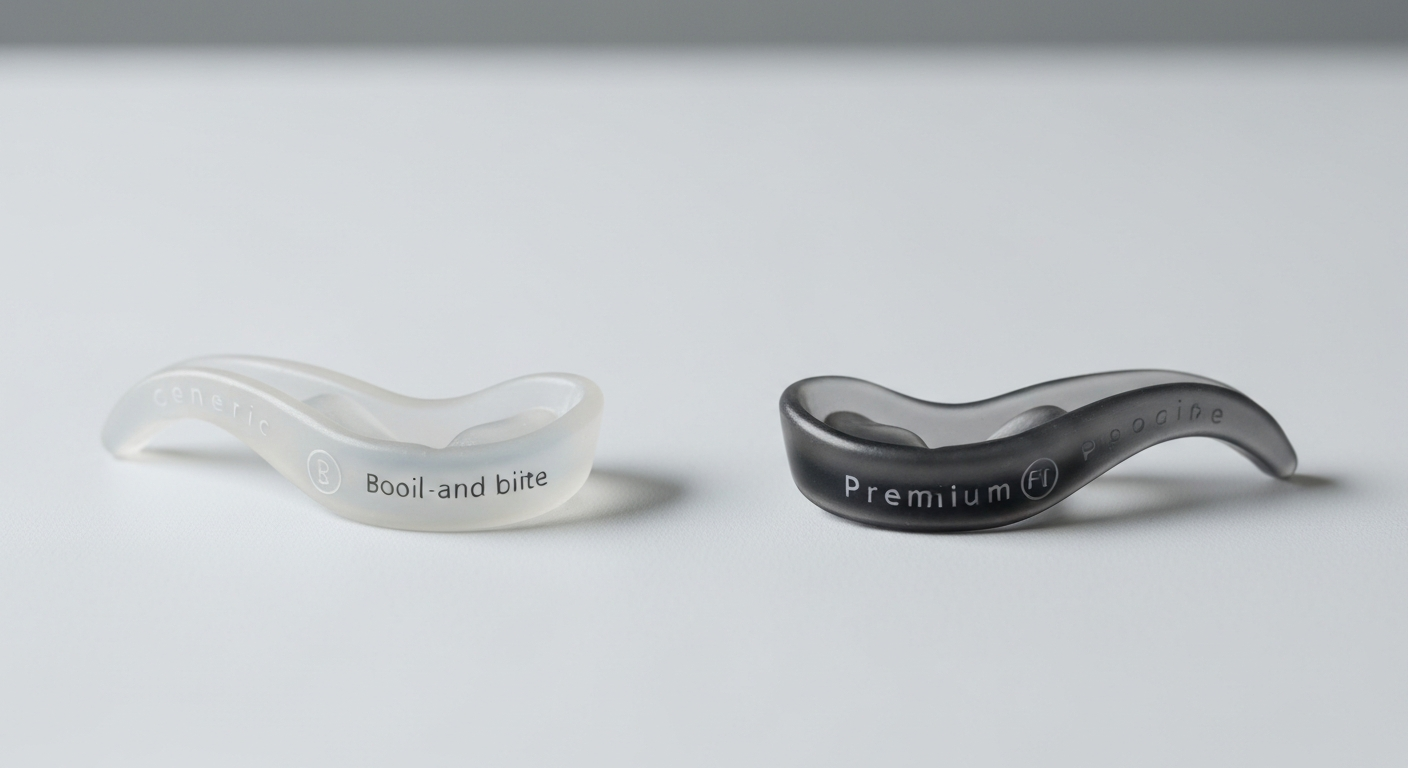
Custom-fit anti-snoring mouthpiece that gently repositions the jaw to widen the airway This is the go-to fix recommended by professionals — save time and money by getting it right the first time. Learn More → |
Snoring in children is less common than in adults but affects roughly 10–15% of children at any given time. Occasional light snoring in children is generally benign. Habitual, loud snoring in children — especially accompanied by mouth breathing, restless sleep, bedwetting, or behavioral problems — is not normal and often indicates enlarged tonsils or adenoids. Childhood sleep apnea can cause attention problems, hyperactivity, and school performance issues that are sometimes misattributed to ADHD.
Any child who snores every night or shows signs of breathing difficulty during sleep should be evaluated by a pediatrician or ENT.
Nightly snoring in an adult is common but not ideal. The question is whether it's simple snoring or something more serious. Nightly snorers should evaluate:
If all answers are "no," the snoring is likely benign even if nightly. If one or more answers is "yes," a clinical evaluation is warranted.
Yes and no. Occasional, mild snoring in pregnancy is common — up to 46% of women snore in the third trimester due to increased blood volume and nasal swelling. Mild pregnancy snoring is generally not concerning. However, loud, frequent, or new-onset pregnancy snoring — especially with witnessed breathing pauses — is associated with increased risk of gestational hypertension and should be discussed with an obstetrician.
Even if your baseline snoring is benign, certain triggers can escalate it to a disruptive or medically significant level.
The most reliable home screening tool is the STOP-BANG questionnaire, used by sleep clinics to identify high-risk patients. Score 1 point for each "yes":
Score of 0–2: low risk. 3–4: intermediate risk. 5–8: high risk for sleep apnea. This is a screening tool only — a sleep study is the diagnostic standard.
Snoring is statistically normal — about half of adults snore sometimes — but that doesn't mean all snoring is benign. Occasional, soft snoring with no daytime symptoms and no witnessed breathing pauses is generally harmless. Loud, nightly snoring accompanied by gasping, daytime fatigue, morning headaches, or high blood pressure is not normal and should be evaluated for sleep apnea. Children who snore every night should always be evaluated, as childhood sleep apnea has clear developmental consequences.
Also Read: Why Is My Bottom Lip Twitching? 7 Causes & How to Stop It
Occasional snoring in teens is fairly common, often related to allergies, nasal congestion, or sleep position. Habitual, loud snoring in a teenager — especially with daytime sleepiness, difficulty concentrating, or restless sleep — should be evaluated. Enlarged tonsils and adenoids are common causes in adolescents and respond well to treatment.
Not always, but genetics contribute meaningfully. The shape of the jaw, the size of the soft palate, and the anatomy of the nasal passages are all heritable. Studies of twins show a moderate genetic component to snoring tendency. However, environmental and behavioral factors — weight, alcohol use, sleep position, allergies — often determine whether a genetic predisposition translates into actual snoring.
No. This is a common myth. Snoring actually reflects lighter, more fragmented sleep in many cases. During the deepest stages of sleep (slow-wave sleep), muscle tone is still slightly better maintained than in lighter stages. Snoring-related sleep fragmentation often prevents reaching the deepest, most restorative sleep stages.
Reviewed and Updated on June 13, 2026 by George Wright