Sleep


Yes, snoring can absolutely cause a sore throat — and for many people, it does every single night. When you snore, you breathe through your mouth for hours at a time, which dries out and irritates the delicate tissues lining your throat. The vibration of soft tissues during snoring adds mechanical trauma on top of that dryness, leaving you with that raw, scratchy feeling each morning. The good news: once you understand the mechanism, you can fix it.
| ✓Our Pick |
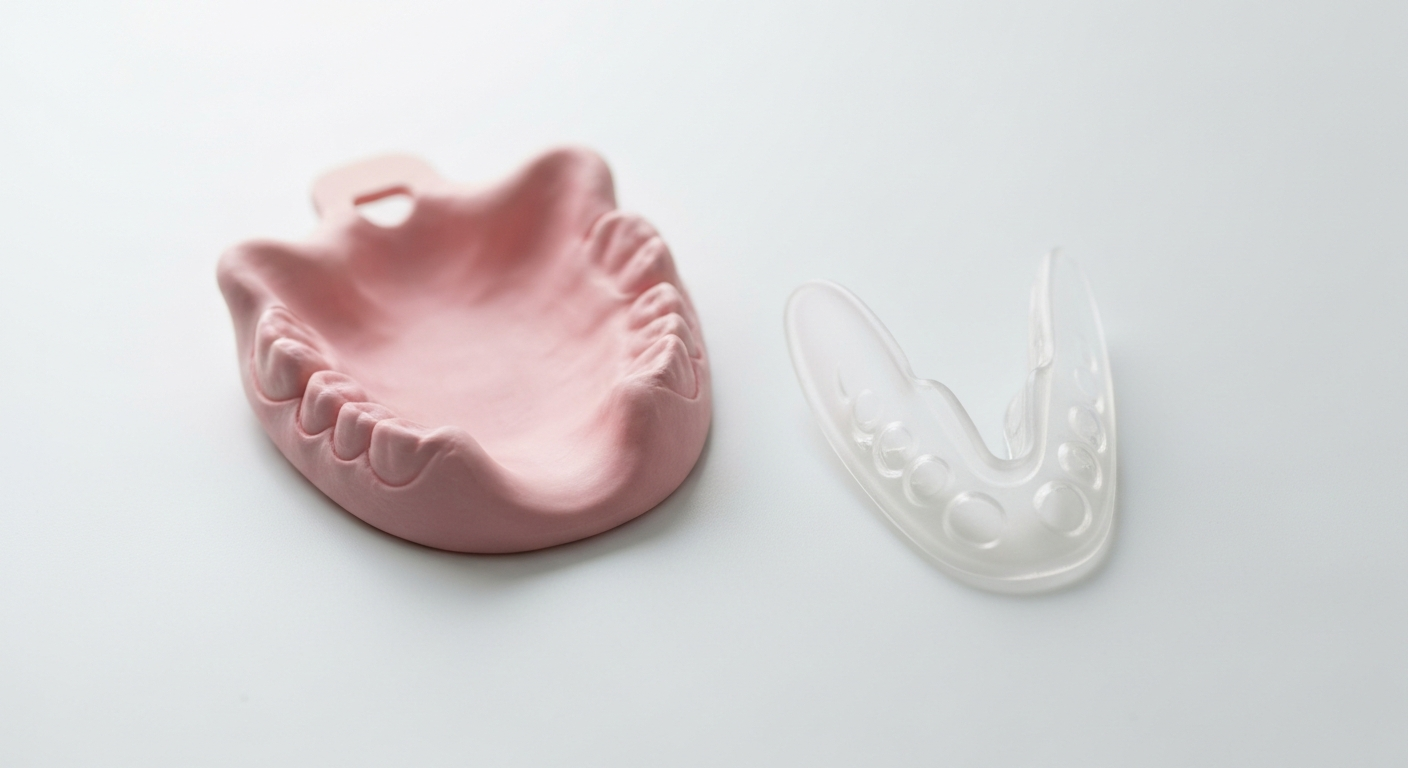
Custom-fit anti-snoring mouthpiece — repositions your jaw to eliminate snoring This is what many people find solves the problem quickly, without a costly professional visit. Learn More → |
Snoring causes sore throats through two main mechanisms: mouth breathing that dries out your throat, and tissue vibration that creates micro-trauma to the mucous membranes.
When you snore, air rushes past the relaxed soft palate, uvula, and throat tissues at high speed. This creates the characteristic rattling sound — but it also creates friction. That friction irritates the throat lining with every breath you take throughout the night.
Most snorers breathe through their mouths rather than their noses. Your nose naturally warms, filters, and humidifies incoming air. Your mouth doesn't. After six to eight hours of pulling dry bedroom air directly across your throat tissues, those tissues become dehydrated and inflamed.
The combination is particularly harsh. You're essentially sandpapering already-dry tissue hundreds of times per hour. By morning, the result is predictable: pain, scratchiness, and that unmistakable "I need water immediately" feeling.
"Habitual mouth breathing during sleep leads to significant desiccation of the pharyngeal mucosa, which can manifest as soreness, dryness, and increased susceptibility to infection." — Dr. Steven Park at Sleep-Disordered Breathing Research
Yes — chronic snorers often experience throat pain every single morning, and the damage can accumulate over time if left unaddressed.
The throat's mucous membranes have a limited capacity to recover between sleep sessions. When you snore nightly, you don't give those tissues enough time to fully heal before the next round of irritation begins.
This creates a cycle. Irritated tissues swell slightly. Swollen tissues narrow the airway. A narrower airway causes more turbulent airflow. More turbulence means more vibration. More vibration causes more irritation.
Over weeks and months, chronic snorers may notice their morning sore throats becoming more persistent. Some people find the discomfort lingers into the afternoon. Others develop chronic low-grade throat irritation that never fully resolves.
Also Read: Does Snoring Cause Sore Throat? The Biology Explained
Several factors can intensify the throat pain snoring causes — from bedroom humidity levels to alcohol consumption before bed.
Not all snoring-related sore throats are equal. Environmental and lifestyle factors play a significant role in how much damage occurs each night.
Dry air strips moisture from your throat tissues faster. During winter months with indoor heating, or in naturally arid climates, the air in your bedroom may contain very little moisture. This accelerates the dehydration that mouth breathing causes.
Humidity below 30% is particularly problematic. Your throat has to work harder to stay lubricated, and it loses that battle when you're unconscious and breathing through your mouth for hours.
Alcohol relaxes the muscles of your upper airway more than normal sleep does. This causes the tissues to collapse more dramatically and vibrate more intensely. The result is louder snoring and more mechanical trauma to the throat.
Alcohol is also a diuretic, meaning it pulls water from your body. This compounds the dehydration effect, leaving your throat even drier and more vulnerable to irritation.
Back sleeping allows gravity to pull your tongue and soft palate backward, partially blocking your airway. This creates more obstruction, more turbulence, and louder snoring.
Side sleeping keeps the airway more open. Many people who snore only when sleeping on their backs find their morning sore throat disappears entirely when they train themselves to sleep on their side.
| Factor | Effect on Throat Pain | Why It Matters |
|---|---|---|
| Low bedroom humidity | Worsens significantly | Dry air accelerates tissue dehydration |
| Alcohol before bed | Worsens significantly | Relaxes muscles, increases vibration, dehydrates |
| Back sleeping | Worsens moderately | Gravity narrows airway, increases turbulence |
| Nasal congestion | Worsens moderately | Forces mouth breathing even in non-habitual snorers |
| High bedroom humidity | Improves moderately | Keeps throat tissues hydrated |
| Side sleeping | Improves moderately | Reduces airway collapse |
A snoring-related sore throat has distinct characteristics that help distinguish it from illness: it's worst upon waking, improves after drinking water, and isn't accompanied by fever or swollen lymph nodes.
Many people wonder whether their morning throat pain is from snoring or from something else — like the start of a cold or strep throat. The pattern of symptoms usually makes this clear.
Snoring sore throats are always worst immediately upon waking. The pain is typically described as dry, scratchy, or raw rather than sharp or stabbing. Drinking water provides noticeable relief within minutes. The discomfort usually fades substantially within an hour or two of being awake.
Infectious sore throats behave differently. They typically worsen throughout the day, don't improve much with water alone, and come with other symptoms like fever, body aches, or visibly swollen tonsils.
If you live with a partner, ask them whether they hear you snoring. If you live alone, a smartphone sleep-recording app can capture audio evidence. Establishing that you snore is the first step in confirming the connection to your throat pain.
Also Read: Snoring Throat Pain: Why It Happens & How to Stop It
The most effective approach combines treating the snoring itself with protecting your throat from overnight dryness.
Adding moisture to your bedroom air helps counteract the drying effect of mouth breathing. Aim for 40–50% relative humidity. A cool-mist humidifier placed near your bed can make a noticeable difference within the first night.
Clean the humidifier regularly to prevent mold growth, which would create new problems.
If your nose is blocked, you'll breathe through your mouth regardless of intention. Treating allergies, using a saline rinse before bed, or applying nasal strips can help restore nasal breathing.
"Restoring nasal patency is often the first and most important step in reducing habitual mouth breathing during sleep." — American Academy of Otolaryngology–Head and Neck Surgery
Position therapy works for many mild to moderate snorers. Sew a tennis ball into the back of a sleep shirt, use a wedge pillow, or try a specialized positional therapy device. The goal is making back sleeping uncomfortable enough that you naturally roll to your side.
Stop drinking alcohol at least three to four hours before sleep. This gives your body time to metabolize it before your muscles need to maintain proper airway tension. Many people notice immediately quieter nights and less morning throat pain.
Mandibular advancement devices (MADs) work by holding your lower jaw slightly forward during sleep. This keeps the airway more open and reduces the vibration that causes both the snoring sound and the throat irritation.
Custom-fit options mold to your teeth for better comfort and effectiveness than one-size-fits-all alternatives.
Hydration isn't just about what you drink right before bed. Tissue hydration depends on your overall fluid intake. If you're chronically mildly dehydrated, your throat tissues start the night already compromised.
Aim for adequate water intake throughout the day, and keep a glass of water on your nightstand for when you wake.
Also Read: How to Stop Snoring While Sleeping: 6 Proven Methods
Seek medical evaluation if your snoring is accompanied by gasping, choking, witnessed breathing pauses, or excessive daytime sleepiness — these suggest sleep apnea rather than simple snoring.
Simple snoring, while annoying and potentially throat-irritating, isn't dangerous. Obstructive sleep apnea (OSA) is. The two conditions exist on a spectrum, and snoring that causes significant sore throat may indicate your airway obstruction is more severe than typical.
Warning signs that warrant a doctor visit include:
A sleep study can determine whether you have sleep apnea and how severe it is. Treatment options range from lifestyle modifications to CPAP therapy to surgical interventions, depending on the underlying cause and severity.
Snoring causes sore throats through the combination of mouth breathing that dries out throat tissues and tissue vibration that creates mechanical irritation throughout the night. The pattern is distinctive: worst upon waking, improves quickly with water, and repeats nightly as long as the snoring continues. Effective solutions include adding bedroom humidity, sleeping on your side, limiting alcohol, treating nasal congestion, staying well-hydrated, and using a snoring mouthpiece. If your snoring comes with gasping, breathing pauses, or excessive daytime sleepiness, see a doctor to rule out sleep apnea.
Yes, even a single night of heavy snoring can cause a noticeable sore throat by morning. This often happens when something temporarily worsens snoring — like drinking alcohol, sleeping in an unfamiliar dry environment, or having a stuffy nose from allergies. The throat irritation from one night typically resolves within a few hours of waking.
Simple snoring doesn't cause permanent throat damage in most people. The irritation heals between sleep sessions as long as you stay hydrated during the day. However, chronic severe snoring — especially snoring associated with sleep apnea — can cause lasting inflammation and has been linked to increased risk of throat-related health issues over many years.
Absolutely. While allergies and nasal congestion make snoring worse by forcing mouth breathing, plenty of people snore without any allergy component. Anatomical factors like a naturally narrow airway, enlarged tonsils, or a long soft palate can cause snoring and the associated sore throat regardless of allergy status.
Several factors determine snoring severity on any given night: sleep position, alcohol consumption, how hydrated you are, bedroom humidity, nasal congestion, and how tired you are. When multiple factors align unfavorably — like drinking wine, sleeping on your back in a dry room while slightly congested — snoring worsens and throat pain follows. Nights when conditions are better produce less snoring and less irritation.
For people whose sore throat is genuinely caused by snoring, yes — treating the snoring effectively eliminates the throat pain. Many people who start using a snoring mouthpiece or switch to side sleeping report immediate relief. If treating snoring doesn't help your sore throat, the pain may have a different cause worth investigating with a doctor.
Reviewed and Updated on June 14, 2026 by George Wright