Sleep

Snoring disrupts sleep for roughly 45% of adults at least occasionally, but the good news is that most cases respond well to targeted lifestyle changes, positional adjustments, or oral devices that reposition the jaw during sleep — no surgery required.
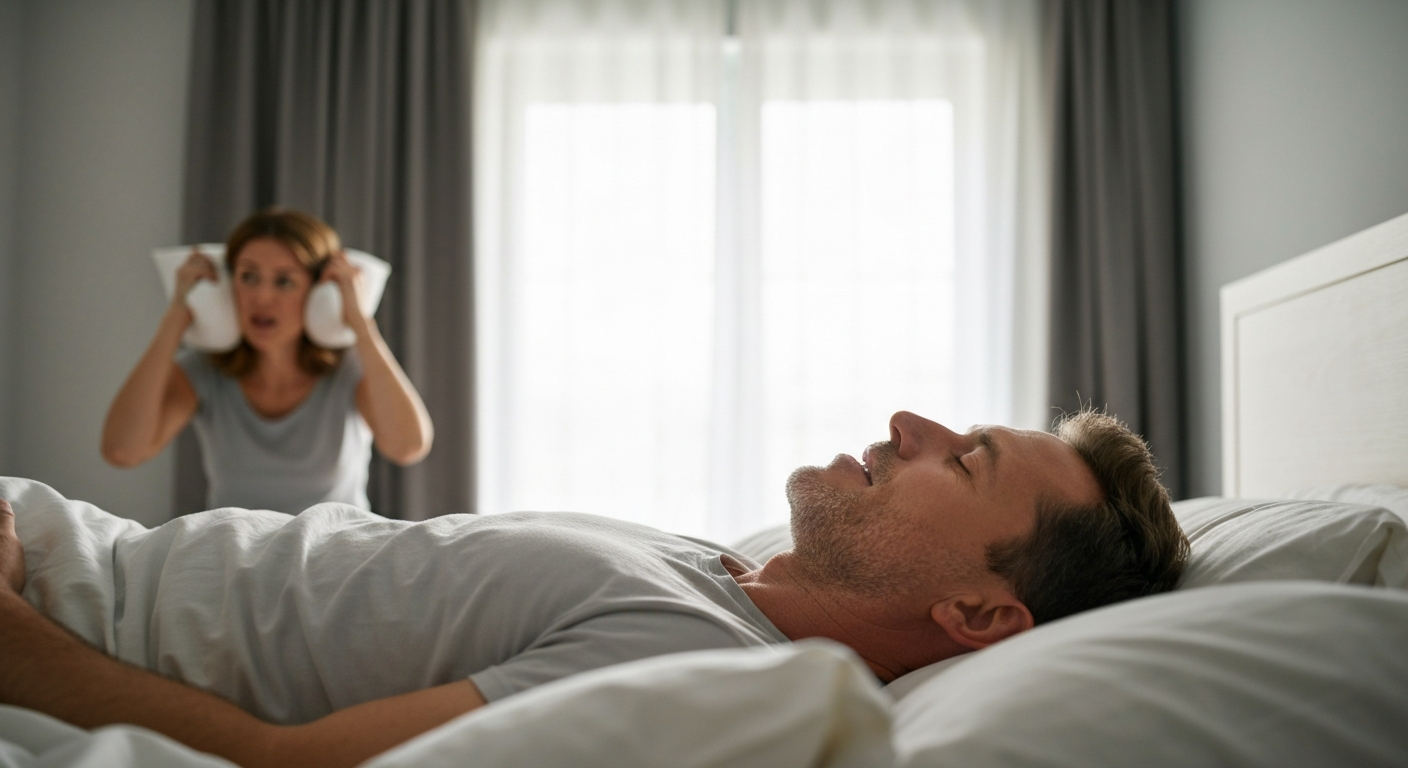
Snoring happens when air flowing past relaxed tissues in your throat causes those tissues to vibrate. The sound can range from a soft flutter to a freight-train rumble, and the underlying cause determines which fix will actually work for you. Below, you'll find the most effective evidence-based methods to remove snoring in 2026, organized from simple habit changes to professional interventions.
Snoring occurs when the muscles in your throat relax during sleep, narrowing the airway and causing surrounding soft tissues — the soft palate, uvula, and tongue base — to vibrate as you breathe.
Several factors increase the likelihood of this vibration:
| Factor | How It Contributes to Snoring |
|---|---|
| Excess weight | Fat deposits around the neck compress the airway |
| Alcohol before bed | Relaxes throat muscles more than normal sleep would |
| Sleep position | Back sleeping lets gravity pull the tongue backward |
| Nasal congestion | Forces mouth breathing, which dries and narrows tissues |
| Anatomy | Naturally narrow airway, enlarged tonsils, or deviated septum |
| Age | Muscle tone decreases with age, increasing tissue collapse |
Understanding your specific trigger is the first step toward choosing a solution that actually works.
"Snoring is produced by vibration of the soft tissues of the upper airway during sleep and is a sign of increased upper airway resistance." — American Academy of Sleep Medicine
Also Read: Is Snoring Normal? When to Worry & When to Relax
For many people, yes — lifestyle modifications alone can eliminate or dramatically reduce snoring, particularly when excess weight, alcohol, or sleep position is the primary cause.
Weight loss is one of the most effective long-term solutions for snoring. Excess fat around the neck and throat compresses the airway, and losing even 10–15% of body weight can significantly reduce snoring severity. A study published in the journal Sleep found that participants who lost weight through diet and exercise saw a 31% reduction in snoring frequency.
Alcohol acts as a muscle relaxant, causing the tissues in your throat to collapse more easily during sleep. Avoiding alcohol for at least 3–4 hours before bedtime allows your throat muscles to maintain better tone throughout the night. Many people notice an immediate improvement the first night they skip the evening drink.
Sleeping on your back allows gravity to pull the tongue and soft palate backward, partially blocking the airway. Side sleeping keeps the airway more open. You can train yourself to stay on your side by:
"Positional therapy can be an effective treatment for patients with position-dependent snoring and mild obstructive sleep apnea." — Journal of Clinical Sleep Medicine
Also Read: Does Being Overweight Make You Snore? The Science Explained
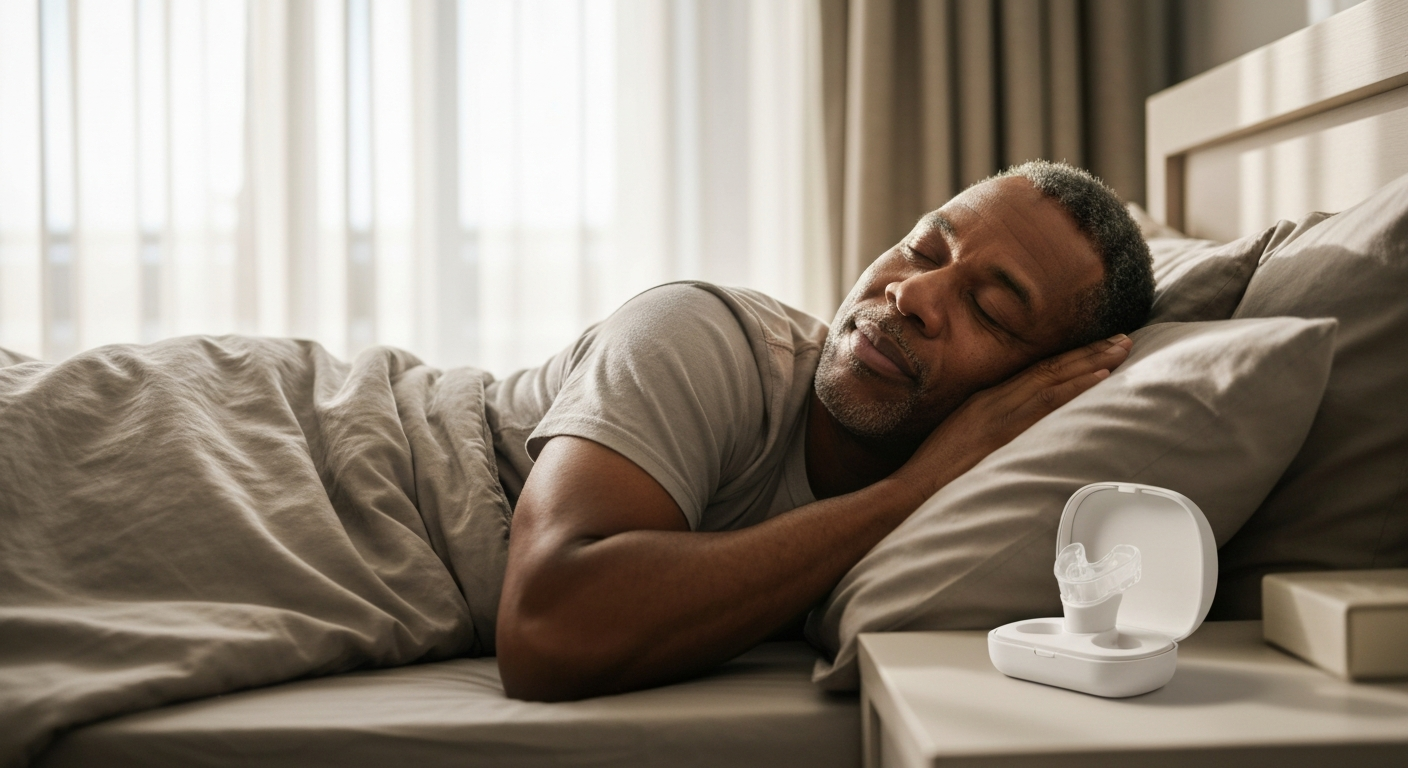
Mandibular advancement devices (MADs) are the most effective non-surgical option for removing snoring — they work by holding the lower jaw slightly forward, which prevents the tongue and soft tissues from collapsing into the airway.
MADs look similar to sports mouthguards and are worn during sleep. By advancing the lower jaw by 5–10 millimeters, they increase the space at the back of the throat and reduce tissue vibration. Studies show MADs reduce snoring in 70–90% of users.
Custom-fitted MADs from a dentist typically cost $500–$2,000, but boil-and-bite versions you mold at home offer an affordable starting point at $30–$100. The custom versions generally provide better comfort and durability.
Tongue-retaining devices (TRDs) use suction to hold the tongue forward, preventing it from falling back and blocking the airway. They're a good alternative for people who can't tolerate MADs due to dental issues or jaw discomfort, though some find them harder to get used to.
External nasal strips and internal nasal dilators work by physically opening the nasal passages. They're most effective when nasal congestion is the primary cause of snoring. If you snore primarily through your mouth or have significant throat tissue involvement, nasal solutions alone probably won't solve the problem.
| Device Type | How It Works | Best For | Effectiveness |
|---|---|---|---|
| Mandibular advancement device (MAD) | Holds jaw forward | Throat-based snoring | 70–90% reduction |
| Tongue-retaining device (TRD) | Holds tongue forward | People with dental issues | 60–80% reduction |
| Nasal strips | Opens nasal passages externally | Nasal congestion | Mild snoring only |
| Nasal dilators | Opens nostrils internally | Narrow nasal passages | Mild snoring only |
| Chin straps | Keeps mouth closed | Mouth breathers | Variable results |
Also Read: 7 Best Anti-Snore Devices That Actually Work in 2026
Some natural approaches can help reduce snoring, but their effectiveness varies widely depending on the underlying cause.
Oropharyngeal exercises — sometimes called "myofunctional therapy" — strengthen the muscles of the tongue, soft palate, and throat. Research published in the journal Chest found that participants who performed these exercises for 8 weeks reduced snoring frequency by 36% and snoring intensity by 59%.
Try these exercises daily:
Dry air irritates the membranes in your nose and throat, potentially worsening snoring. A bedroom humidifier maintains moisture levels between 40–50%, which can reduce tissue irritation. This is particularly helpful in winter months or in arid climates.
Peppermint and eucalyptus oils may help open nasal passages when congestion contributes to snoring, but there's limited clinical evidence supporting their use for snoring specifically. They're not harmful to try, but don't expect dramatic results.
Also Read: How to Lessen Snoring: 9 Evidence-Based Fixes for 2026
If your snoring is accompanied by gasping, choking, or pauses in breathing — or if you experience excessive daytime sleepiness despite adequate sleep time — you should see a doctor to rule out obstructive sleep apnea (OSA).
Sleep apnea is a serious condition where the airway completely closes during sleep, causing oxygen levels to drop and forcing the brain to partially wake you up to resume breathing. Left untreated, it increases the risk of high blood pressure, heart disease, stroke, and type 2 diabetes.
Signs that your snoring may indicate sleep apnea:
Your doctor may recommend a sleep study (polysomnography), which can be done in a sleep lab or at home with a portable device. If sleep apnea is diagnosed, CPAP therapy, oral appliances, or surgery may be recommended depending on severity.
"Untreated obstructive sleep apnea is associated with a two- to three-fold increased risk of stroke, heart failure, and coronary artery disease." — National Heart, Lung, and Blood Institute
Also Read: Snoring vs Sleep Apnea
For persistent snoring that doesn't respond to lifestyle changes or devices, medical procedures can physically alter the anatomy causing the obstruction.
This surgical procedure removes excess tissue from the throat, including parts of the uvula, soft palate, and pharynx. Recovery takes 2–3 weeks, and success rates for snoring reduction range from 40–60%. It's typically reserved for severe cases that haven't responded to other treatments.
This minimally invasive procedure uses radiofrequency energy to shrink and stiffen the tissues of the soft palate. It's performed in an outpatient setting under local anesthesia, with multiple sessions often required. Side effects are generally mild, and recovery is faster than traditional surgery.
Small polyester rods are inserted into the soft palate to stiffen it and reduce vibration. The procedure takes about 30 minutes under local anesthesia and is most effective for mild to moderate snoring without significant sleep apnea.
If a deviated septum or enlarged turbinates are causing nasal obstruction that contributes to snoring, surgical correction can significantly improve airflow. These procedures address the root cause rather than just the symptom.
The most effective approach depends on identifying your specific snoring trigger — no single solution works for everyone.
Start with the least invasive options first:
Many people find success by combining approaches — for example, losing weight while also using a MAD during the transition period.
| ✓Our Pick |
Custom-fit anti-snoring mouthpiece — repositions jaw to eliminate snoring This is the go-to fix recommended by professionals — save time and money by getting it right the first time. Learn More → |
Removing snoring is achievable for most people through a combination of lifestyle changes, positional adjustments, and oral devices. Start by identifying whether your snoring stems from excess weight, alcohol consumption, sleep position, or nasal congestion — then target that specific cause. Mandibular advancement devices offer 70–90% effectiveness for throat-based snoring and are worth trying before considering surgical options. If your snoring is accompanied by breathing pauses, gasping, or excessive daytime fatigue, see a doctor to rule out sleep apnea, which requires different treatment. Most importantly, don't accept snoring as inevitable — effective solutions exist for nearly every case.
Permanent snoring elimination typically requires addressing the underlying cause rather than just masking symptoms. For weight-related snoring, maintaining a healthy BMI provides lasting relief. For anatomy-related snoring, surgical procedures like UPPP or palatal implants can offer permanent results. Consistent use of a mandibular advancement device also provides ongoing relief as long as you continue wearing it. The key is identifying your specific trigger through a sleep study or trial-and-error with different interventions.
The fastest immediate relief usually comes from changing your sleep position — sleeping on your side instead of your back can reduce snoring the very first night. Using a mandibular advancement device also provides rapid results for most users, often within the first few nights of consistent use. Avoiding alcohol for 4 hours before bed shows improvement immediately as well. These quick fixes buy you time while working on longer-term solutions like weight loss.
Yes, many people eliminate snoring through natural methods alone. Weight loss, throat exercises, side sleeping, alcohol avoidance, and maintaining bedroom humidity can all reduce or eliminate snoring without any devices. Throat exercises take the longest to show results — typically 2–3 months of daily practice — but they strengthen the muscles permanently. The success of natural methods depends largely on the severity and underlying cause of your snoring.
Loud snoring usually indicates significant tissue vibration caused by a narrowed airway. Common causes include excess weight (fat deposits around the neck), sleeping on the back (gravity pulls tissues backward), alcohol consumption (over-relaxes throat muscles), or anatomical features like a large tongue, elongated uvula, or enlarged tonsils. Loud snoring combined with breathing pauses may indicate obstructive sleep apnea, which should be evaluated by a doctor.
Yes, clinical studies consistently show that mandibular advancement devices reduce snoring in 70–90% of users. Tongue-retaining devices work for 60–80% of users. However, effectiveness depends on matching the device type to your snoring cause — MADs work best for throat-based snoring, while nasal strips only help mild nasal-related snoring. Custom-fitted devices from a dentist generally outperform over-the-counter options in both comfort and effectiveness.
Reviewed and Updated on June 14, 2026 by George Wright