Sleep
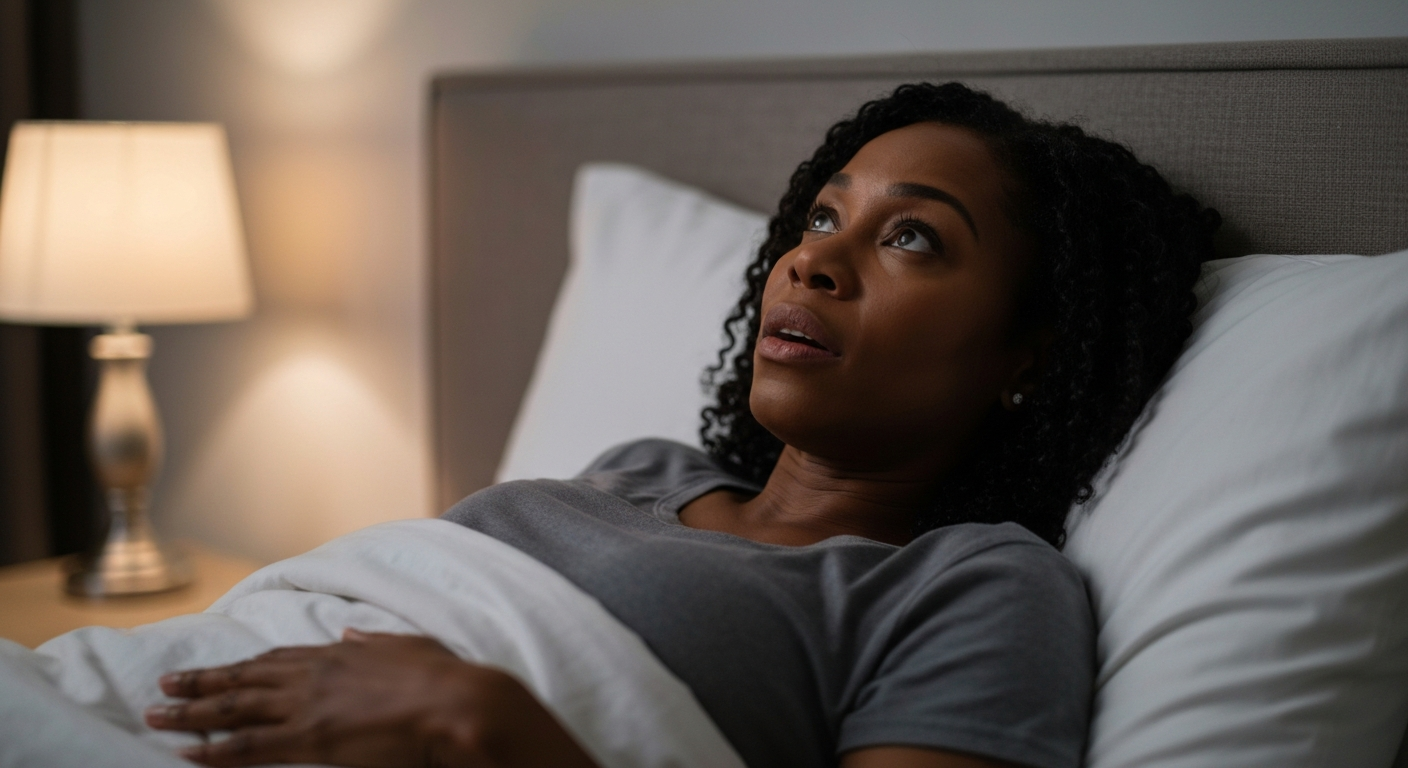

Being woken by your own snoring means the sound your airway produces has crossed a threshold loud enough to trigger a partial arousal — and this is more common than most people realize. The fix addresses whatever is making your snoring loud enough to wake you: sleep position, throat-tissue dryness, alcohol, or airway narrowing from jaw anatomy.
Snoring that wakes the snorer is typically louder or more acute than typical primary snoring. The auditory system does not fully shut down during sleep, and sudden, loud sounds — even self-generated ones — can trigger a micro-arousal or full awakening.
During light sleep stages (N1 and N2), auditory processing remains partly active. The brain can detect significant sound events and trigger a cortical arousal even without full conscious waking. For snorers, this means that a particularly loud snore can produce a brief awakening that the person may not remember but which fragments their sleep architecture.
When the snoring is loud enough to produce complete awakening — you open your eyes, register the sound, and re-enter sleep — it is called self-arousal from snoring. This is clinically distinct from primary snoring, which may disrupt sleep quality through micro-arousals without producing full wakefulness.
"Self-arousal from snoring indicates that the acoustic output of snoring has exceeded the arousal threshold for that individual. In some patients, this is the dominant form of sleep disruption — not a bed partner complaint." — Sleep Medicine Reviews at sciencedirect.com
Several factors push snoring volume above the self-arousal threshold. Identifying which ones apply to you directs the solution.
Back-sleeping is the position that produces the loudest snoring for most people. Gravity drops the tongue and soft palate directly into the airway, creating maximum narrowing. Airflow at this narrowed point is faster and more turbulent — producing louder, more acute sounds.
If your self-arousal snoring happens when you shift onto your back during the night, this is the primary cause.
Alcohol relaxes the pharyngeal muscles significantly more than sleep does on its own. The additional relaxation produces a narrower, more floppy airway — and louder, more intense snoring. Many people who never normally wake themselves up snoring will do so after drinking.
Dry air or systemic dehydration causes the mucous membranes in the throat to become stickier and less elastic. They vibrate with more force and produce higher-amplitude sounds. This is why snoring is often louder in winter (dry heating season) or when dehydrated.
In obstructive sleep apnea, the airway closes completely during sleep, oxygen levels drop, and the brain triggers a much stronger arousal to restart breathing. These arousal events — accompanied by a gasp or snort — can feel like waking to the sound of your own snoring but are actually breathing-pause events. If your self-arousal is accompanied by gasping or a sense of breathlessness, sleep apnea evaluation is indicated.
Also Read: Hearing Yourself Snore While Sleeping: What It Actually Means
The goal is to reduce snoring volume below your self-arousal threshold — which usually means addressing the specific amplifier that is making your snoring louder than usual.
The fastest intervention: if back-sleeping is causing the loudest snoring events, staying on your side removes the gravitational amplifier. Use a body pillow along your back or elevate the head of your bed.
If self-arousal snoring happens on nights when you've been drinking, the fix is immediate — shift your last drink to three hours before sleep. Most people notice reduced snoring intensity the following alcohol-free night.
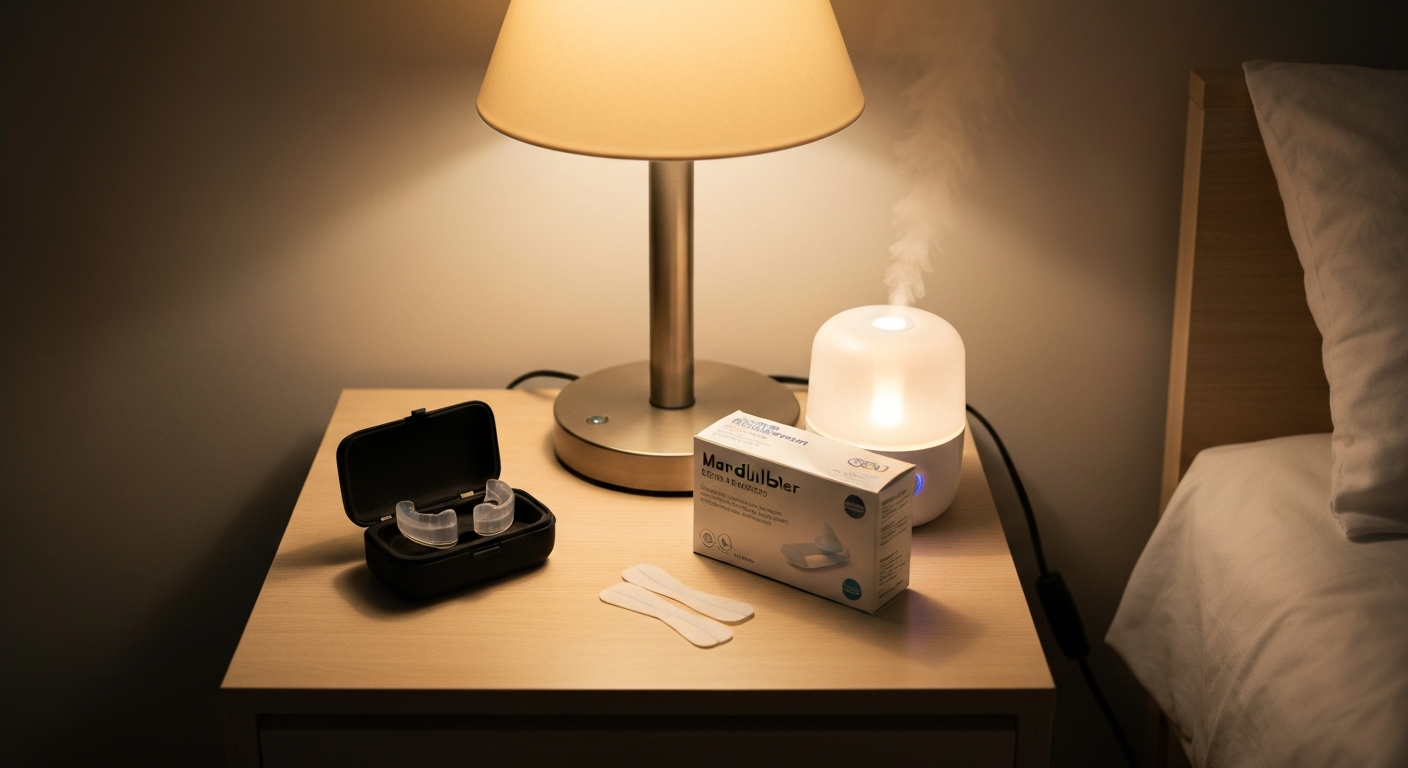
Drink adequate water throughout the day and run a cool-mist humidifier at 40 to 50 percent humidity in the bedroom. Well-hydrated throat tissues vibrate less forcefully. This reduces peak snoring volume — which is what crosses the self-arousal threshold.
Also Read: Why Snoring Causes Dry Mouth: 7 Causes & How to Fix It
A MAD holds the lower jaw forward during sleep, widening the airway and reducing the turbulence that produces loud snoring. Clinical studies show MADs reduce snoring loudness by 50 to 75 percent on average — often enough to drop snoring below the self-arousal threshold even if it does not eliminate snoring entirely.
SnoreMeds provides a self-impression MAD that molds to your teeth at home, producing a comfortable personalized fit that is worn throughout the night.
| ✓Our Pick |
Stop waking yourself up snoring — SnoreMeds custom mouthpiece reduces snoring volume by repositioning your jaw A top-rated pick that works — readers who tried this reported noticeable improvement within days. Learn More → |
Self-arousal from snoring that occurs nightly, produces significant daytime fatigue, or is accompanied by gasping or breathlessness warrants evaluation for obstructive sleep apnea.
A key distinction: in primary snoring, self-arousal is from sound (you heard yourself). In sleep apnea, arousal is from oxygen deprivation (your brain forced a breath). The person may experience them similarly from the inside, but the consequences are very different.
Red flags that suggest apnea rather than primary snoring:
- Waking feeling breathless or with a racing heart
- Gasping or choking on waking
- Extreme fatigue despite adequate time in bed
- Morning headaches
- High blood pressure that is hard to control
A home sleep test ordered by your doctor can confirm or rule out sleep apnea without requiring an overnight lab stay.
Waking from your own snoring means the sound has crossed your personal arousal threshold. The primary amplifiers are back sleeping, alcohol, and dry throat tissues — all addressable the same night. A mandibular advancement device reduces snoring volume by 50 to 75 percent in most users, which is often enough to prevent self-arousal even if snoring continues at a lower level. If you wake gasping or breathless — rather than just surprised by sound — get evaluated for sleep apnea.
Also Read: How to Reduce Snoring Immediately: 6 Steps for Tonight
It is common rather than normal in the clinical sense. Many people hear themselves snore occasionally — during light sleep stages or after alcohol. Consistently waking to your own snoring nightly suggests louder-than-typical snoring and warrants investigation and treatment.
Yes. Repeated self-arousal from snoring fragments sleep architecture over time, reducing the proportion of restorative deep sleep. Chronically fragmented sleep from any cause — including self-arousal snoring — is associated with fatigue, reduced cognitive performance, and mood disturbance over weeks to months.
No. Many people wake from the sound of their own snoring without having sleep apnea. The key apnea distinguisher is gasping, breathlessness, or a sense of oxygen-deprivation on waking — not sound alone. A home sleep test is the definitive diagnostic tool.
Snoring tends to peak during REM sleep, which dominates the second half of the night (after about 3 to 4 a.m.). During REM sleep, the brain actively suppresses muscle activity throughout the body — including in the throat — producing the most relaxed airway of the night and often the loudest snoring. This is why self-arousal from snoring often happens in the early morning hours.
Reviewed and Updated on June 17, 2026 by George Wright