Sleep
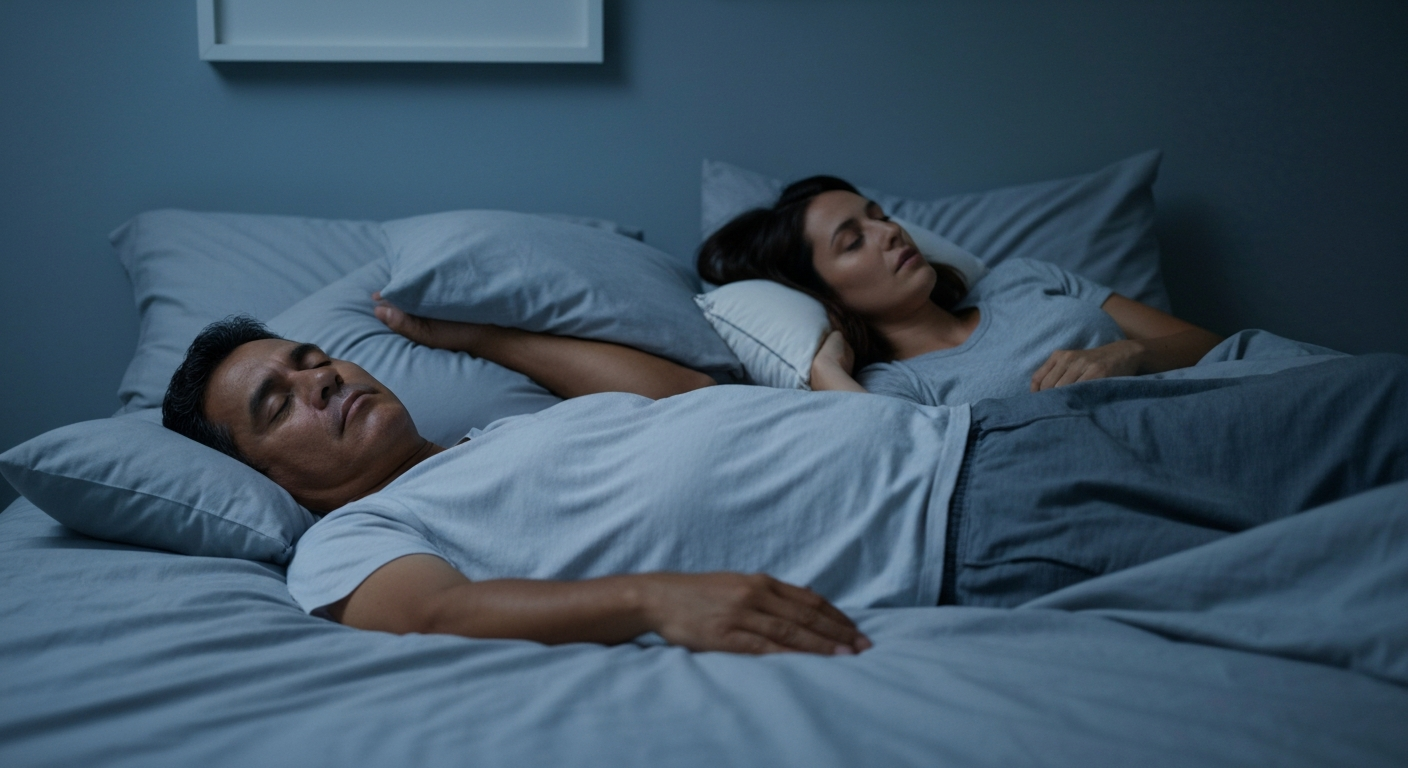

Loud snoring is caused by a combination of factors that narrow the airway and increase airflow turbulence: sleep position, excess throat tissue, alcohol, nasal obstruction, and jaw anatomy. Very loud snoring that is accompanied by gasping or breathing pauses is one of the most consistent warning signs of obstructive sleep apnea.
Snoring volume is determined by how narrow the airway is and how fast air moves through it. Anything that narrows the airway — or relaxes the tissues around it — amplifies the sound.
Loud snoring is a mechanical problem: the narrower the passage and the more relaxed the surrounding tissue, the more violently those tissues vibrate, and the louder the sound. Peak snoring has been measured at 90 to 100 decibels in some clinical studies — as loud as a lawn mower.
Several factors compound to produce very loud snoring. Most people with habitually loud snoring have multiple contributing factors active simultaneously.
"The amplitude and frequency characteristics of snoring sounds are strongly correlated with the degree of upper airway obstruction. Snoring loudness is a significant predictor of obstructive sleep apnea severity." — National Institutes of Health at nih.gov
When you lie on your back, gravity pulls the tongue and soft palate backward into the throat. The airway narrows at its most critical point. Airflow velocity at this narrow passage increases, and the surrounding loose tissue vibrates with maximum amplitude. This is the single most modifiable cause of loud snoring.
Side sleeping removes this gravitational factor. Position-dependent snorers often experience a dramatic reduction in snoring volume — measured by partners or recording apps — immediately after switching.
Fat deposits around the neck and pharynx compress the airway externally. A neck circumference above 17 inches in men or 16 inches in women is associated with meaningfully increased snoring severity. This is why people whose snoring has gotten louder over years of gradual weight gain often see significant improvement with even 5 to 10 percent weight reduction.
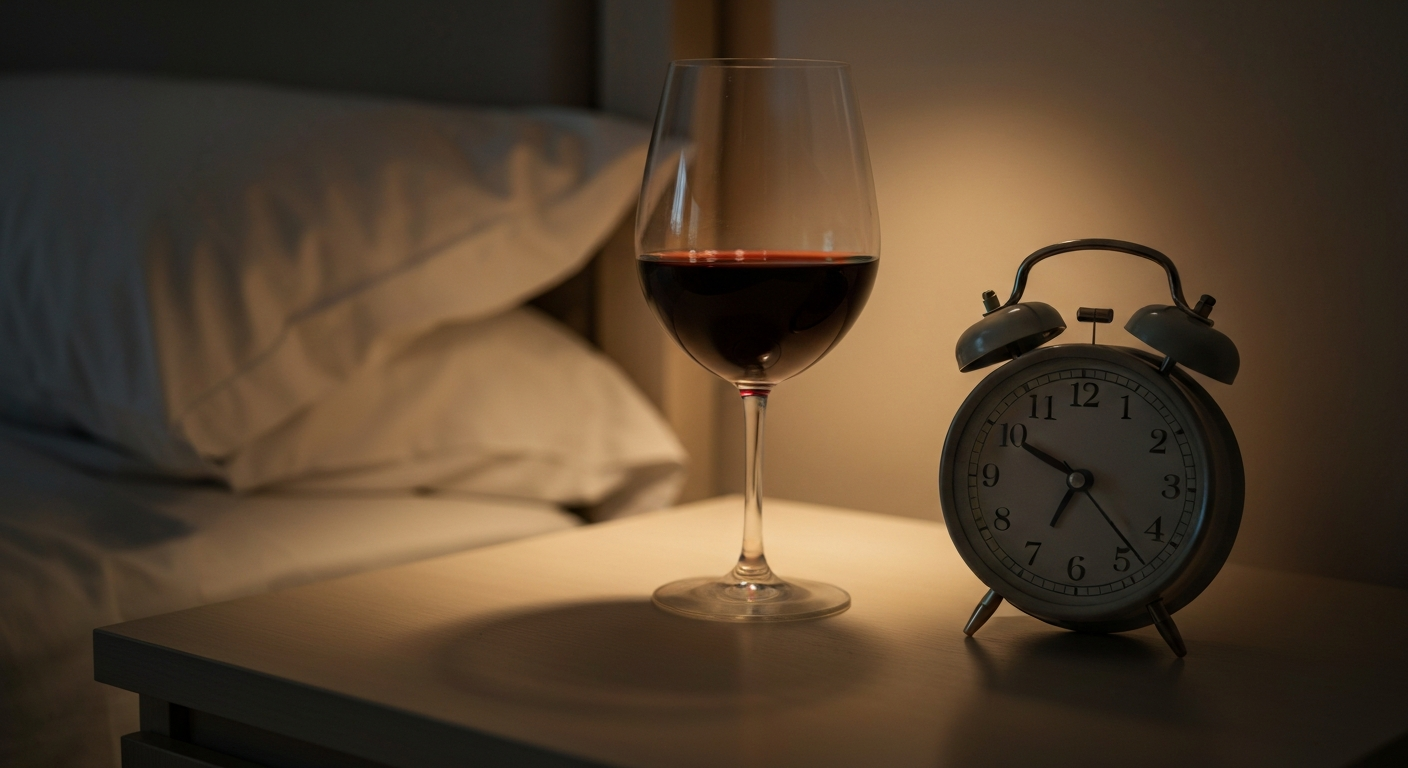
Alcohol is a central nervous system depressant that relaxes skeletal muscles throughout the body — including the pharyngeal muscles that maintain airway tone during sleep. After drinking, these muscles relax further than they would in sober sleep, narrowing the airway and increasing tissue flopiness. The result: noticeably louder snoring the same night.
A recessed lower jaw — whether congenital or developed — positions the tongue farther back in the mouth, closer to the throat. During sleep, this structural arrangement narrows the airway at the tongue base level. People with this anatomy typically snore loudly regardless of sleep position, though back-sleeping amplifies it further.
Also Read: Snore Sound Effect: What Your Snoring Sounds Tell You
When nasal passages are partially or fully blocked — from allergies, a deviated septum, or nasal polyps — more airflow is diverted through the mouth and throat. This increased oral airflow produces louder, more pronounced throat-tissue vibration. Treating nasal obstruction often reduces snoring volume significantly.
Enlarged tonsils physically reduce the airway diameter. An elongated uvula (the dangling tissue at the back of the throat) adds to the vibrating tissue mass. Both conditions contribute to loud, often low-pitched snoring that may not respond fully to behavioral interventions.
Loud snoring accompanied by breathing pauses is a red flag that requires medical evaluation — not a louder white noise machine.
The hallmark presentation of obstructive sleep apnea is a cycle of progressively louder snoring, then a pause of silence (the apnea event — breathing has stopped), followed by a loud gasp or snort as the brain triggers an arousal to restart breathing. This cycle can repeat 30 to 90 times per hour in severe cases.
If a bed partner has described this pattern, or if you regularly wake with gasping, breathlessness, morning headaches, or severe daytime fatigue despite adequate sleep time, a sleep medicine evaluation is urgent.
"Loud snoring accompanied by observed apneas, gasping arousals, and excessive daytime sleepiness is the classic clinical presentation of moderate to severe obstructive sleep apnea — a condition with significant cardiovascular consequences if untreated." — American Heart Association at heart.org
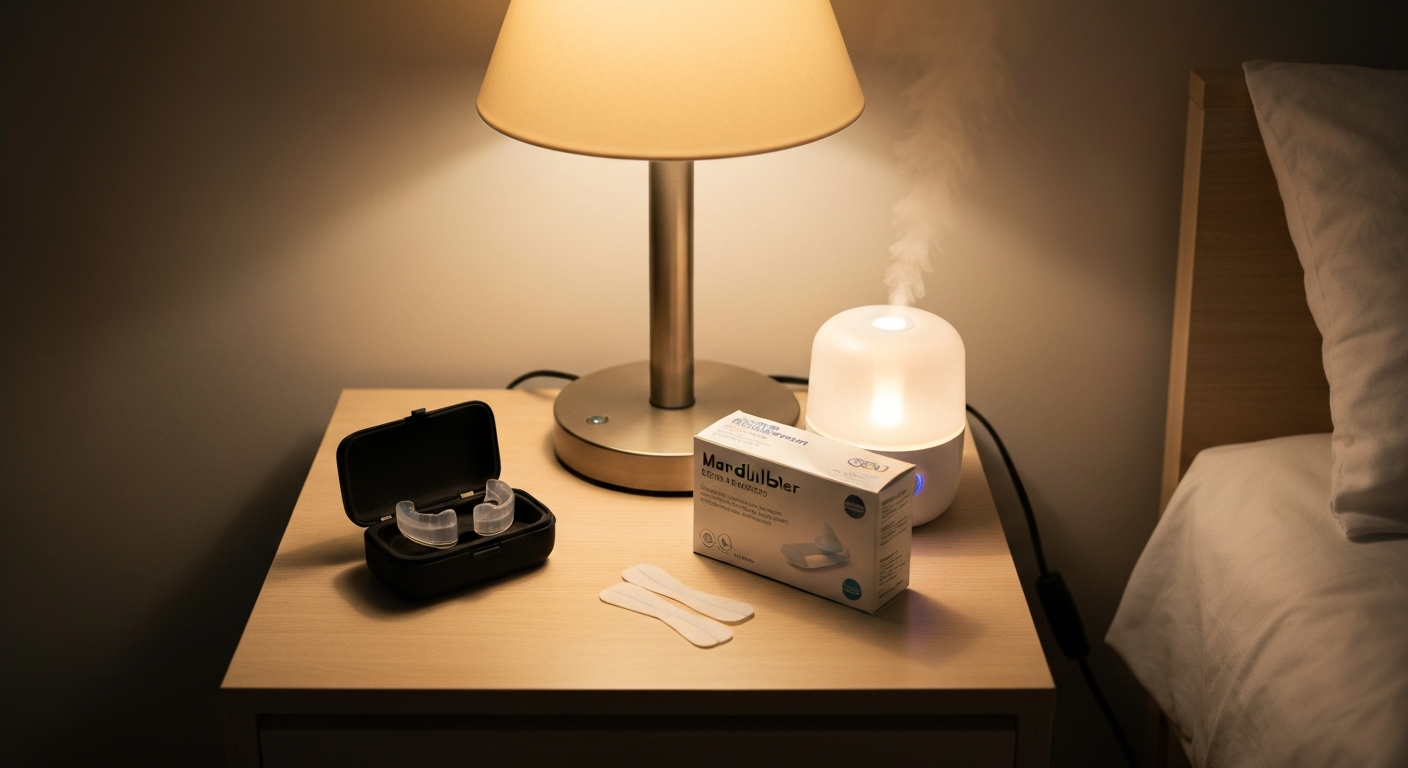
For structural contributors to loud snoring, a mandibular advancement device provides the most impactful non-prescription reduction.
A MAD holds the lower jaw forward during sleep, addressing both tongue-base narrowing and palatal collapse — the two most common structural contributors to loud snoring. Clinical trials show MADs reduce snoring intensity (measured in decibels) by 50 to 75 percent in most users.
SnoreMeds offers a self-impression MAD that you mold to your teeth at home, providing a personalized fit at a fraction of the dental-office cost.
| ✓Our Pick |
Reduce loud snoring significantly with a custom-fit SnoreMeds mouthpiece — repositions jaw, widens airway Highly rated by thousands of buyers — this is one of the most effective solutions for this issue you can try at home. Learn More → |
Alongside device use:
- Switch to side sleeping consistently
- Cut alcohol at least three hours before bed
- Manage nasal congestion with a daily saline rinse
- Run a bedroom humidifier at 40–50% humidity
For very loud snoring that persists despite these measures — particularly with suspected anatomical causes — an ENT evaluation can assess tonsil size, uvula length, septal deviation, and jaw anatomy to determine whether surgical options (uvulopalatopharyngoplasty, septoplasty, or tonsillectomy) are appropriate.
Also Read: Stop Snoring Procedures: 6 Options from Office to Surgery
Loud snoring results from compounded factors: back sleeping, excess neck weight, alcohol, jaw anatomy, nasal obstruction, and large soft tissue. The loudest snoring — especially with breathing pauses and gasping — is the primary sign of obstructive sleep apnea, which requires medical evaluation. For structural loud snoring without apnea signs, a mandibular advancement device provides the most effective non-prescription reduction. See a sleep specialist if snoring remains loud and disruptive despite behavioral and device interventions.
Average snoring registers at 50 to 70 decibels — similar to a conversation or vacuum cleaner. Loud snoring exceeds 70 to 80 decibels. Very loud snoring — the kind that can be heard through closed bedroom doors — can reach 85 to 95 decibels, comparable to a motorcycle at close range. Sustained exposure to 85+ decibels can cause hearing damage over time for people nearby.
Not always. Some people produce very loud primary snoring without apnea. However, loud snoring is one of the strongest predictors of sleep apnea, particularly when accompanied by daytime sleepiness, observed apneas, or morning headaches. The only way to definitively distinguish loud primary snoring from sleep apnea is a sleep study.
Weight loss can substantially reduce snoring volume in people who carry excess weight around the neck. Clinical studies show that weight loss of 10 to 15 percent significantly reduces both snoring frequency and loudness. For obese individuals with apnea, substantial weight loss can reduce or eliminate apnea events. Results depend on how much the snoring is driven by weight versus structural anatomy.
Yes, in appropriate candidates. Procedures like uvulopalatopharyngoplasty (UPPP), soft palate radiofrequency ablation, septoplasty, and hyoid suspension can reduce loud snoring by modifying the anatomy contributing to airway narrowing. Success rates vary and depend heavily on identifying the correct anatomical target. These are second-line options after behavioral and device approaches have been tried.
Reviewed and Updated on June 17, 2026 by George Wright