Sleep
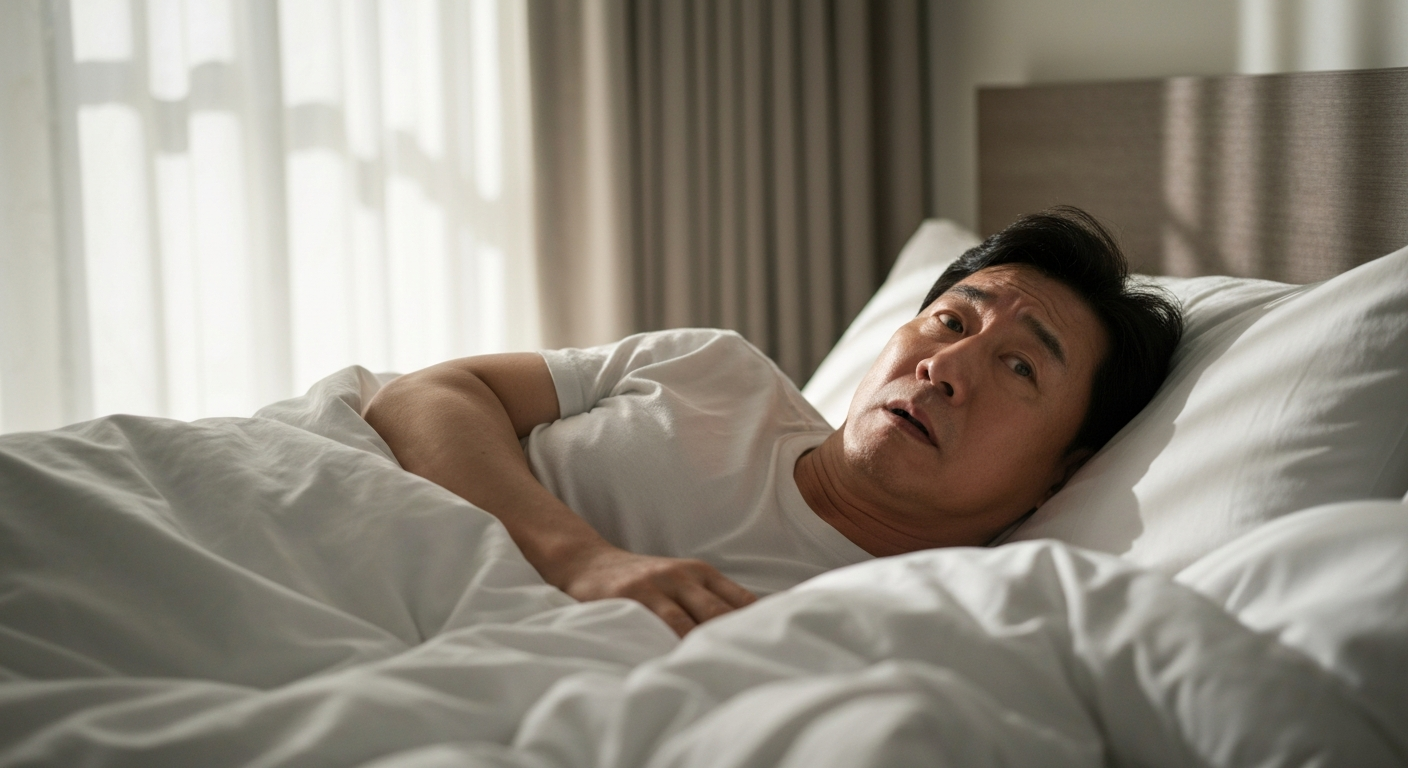

Hearing yourself snore while asleep is neurologically unusual — the sleeping brain suppresses its own noise perception. When you hear yourself snore, you have almost certainly woken briefly (often for just a few seconds) before drifting back to sleep. These micro-arousals are a normal part of snoring but become medically significant when they fragment sleep enough to cause daytime fatigue.
Technically, no — you cannot consciously process sound while fully asleep. The brain during sleep shifts to a state where external audio processing is significantly suppressed. What people describe as "hearing themselves snore" is a micro-arousal: a brief awakening triggered by the sound, perceived as happening during sleep.
This suppression is a feature, not a flaw. It allows the sleeping brain to ignore ambient noise (traffic, household sounds) that would otherwise interrupt sleep constantly. The snoring sound, however, can be loud enough — or occur at a frequency that penetrates this suppression — to trigger a brief awakening response.
Research using polysomnography (full sleep study measurement) shows that snorers frequently have micro-arousals aligned with their loudest snoring events. These typically last 3–15 seconds and are not fully remembered — which is why many snorers report waking once or twice per night when their actual arousal count may be 10–30 or more.
"Micro-arousals from snoring can significantly fragment sleep architecture without the sleeper having conscious memory of waking. Cumulative fragmentation reduces time in restorative slow-wave sleep." — American Academy of Sleep Medicine at aasm.org
The loudest snoring events produce sound pressure levels that exceed the brain suppression threshold, triggering a brief arousal. This is actually a protective mechanism — very loud snoring often precedes a complete airway obstruction (apnea), and the arousal restores enough muscle tone to reopen the airway.
Two main triggers for waking yourself from snoring:
Snoring below about 40–50 decibels rarely causes self-arousal. Heavy snoring at 60–80 dB or louder frequently crosses the arousal threshold. For reference, 60 dB is roughly conversation-level noise. At 80 dB, sound is comparable to a garbage truck at the curb — loud enough to interrupt anyone nearby's sleep, including your own.
Many snorers wake from snoring at the moment of a positional shift — rolling from side to back — because the positional change triggers a sudden intensification of snoring as the airway narrows. Similarly, if snoring escalates into a complete airway obstruction (apnea event) followed by a gasping breath, the sudden inhalation can cause a full awakening.
| ✓Our Pick |
 |
SnoreMeds custom mouthpiece — prevents the airway narrowing that causes both loud snoring and self-arousal No special skills required — straightforward to use and most orders ship quickly. Learn More → |
Occasionally waking from your own snoring is not in itself diagnostic of sleep apnea. However, regularly waking from your own snoring — particularly with a gasp, choking sensation, or feeling of air hunger — is a warning sign worth evaluating.
Key differences to note:
| Pattern | More Likely Primary Snoring | More Likely Sleep Apnea |
|---|---|---|
| Waking once or twice per night | Common in snorers | Possible |
| Waking with gasping or choking | Uncommon | Common |
| Feeling unrefreshed after 7–8 hours | Unusual | Very common |
| Partner reports breathing pauses | Rare | Frequent |
| Morning headaches | Uncommon | Common |
If you regularly wake gasping, feel exhausted despite adequate sleep, or a bed partner has observed you stop breathing for seconds at a time, these are indications for a sleep study (polysomnography) to measure apnea frequency and severity.
Practical steps to reduce the intensity of snoring and the frequency of self-arousal:
Change sleep position: Side sleeping reduces snoring intensity in most positional snorers. The reduction in volume often eliminates the self-arousal threshold being crossed.
Elevate your head: A 4–6 inch elevation (wedge pillow or adjustable base) keeps the airway more open during NREM sleep and reduces soft-tissue vibration that causes the loudest events.
Address nasal congestion: Nasal blockage forces mouth breathing, which amplifies palatal vibration significantly. Saline rinse, nasal strips, or a nasal steroid spray before bed can reduce congestion-related snoring.
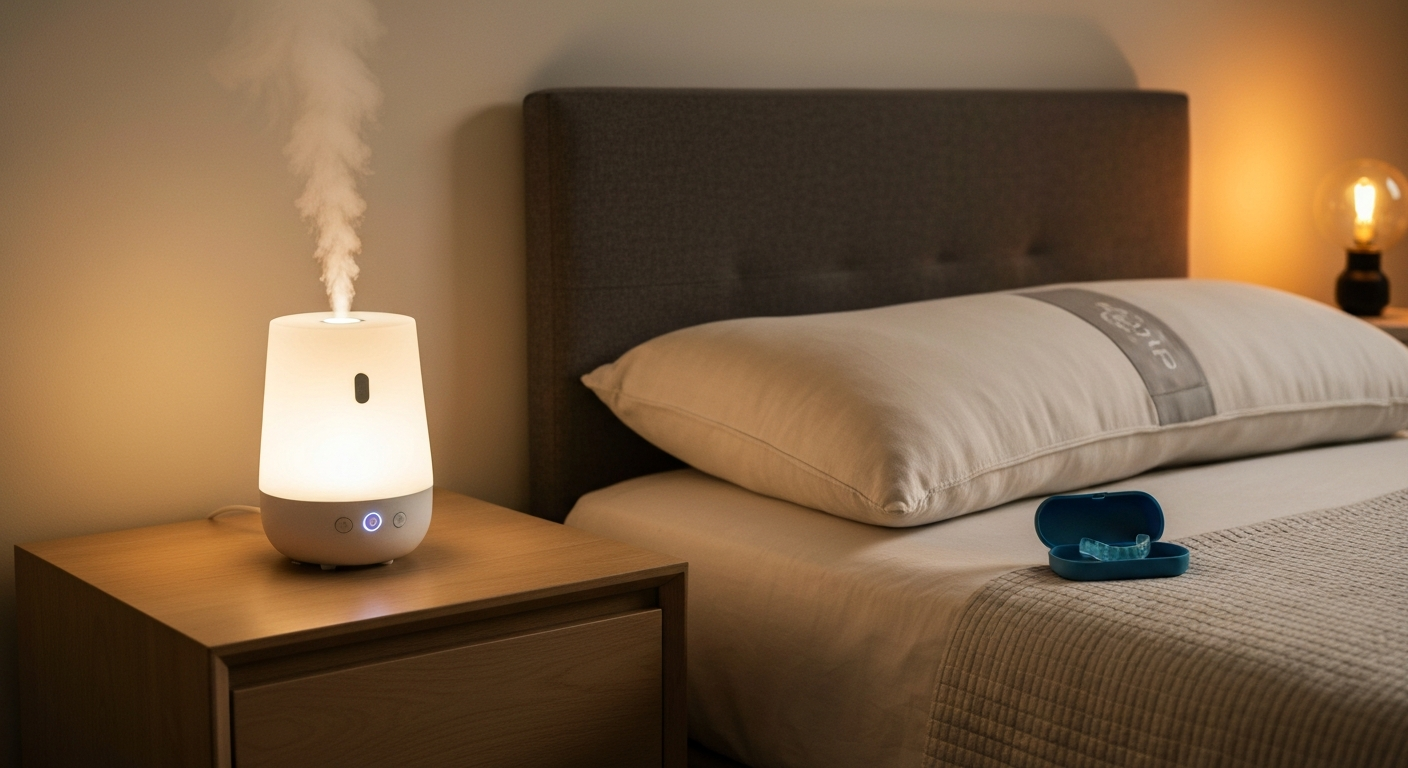
Use a mandibular advancement device: MADs hold the lower jaw slightly forward, preventing the tongue from collapsing into the airway. They reduce snoring volume sufficiently that self-arousal events typically decrease or stop.
"Mandibular advancement therapy reduces both the frequency and severity of snoring events. Patients with positional obstructive snoring typically experience the greatest benefit." — Journal of Clinical Sleep Medicine at aasm.org
Also Read: How to Sleep When Someone Is Snoring: 9 Expert Strategies
Hearing yourself snore means you have briefly woken from sleep — the brain cannot consciously process sound while fully asleep. These micro-arousals are triggered by loud snoring events and become more significant when they fragment sleep architecture enough to cause daytime fatigue. Side sleeping, head elevation, nasal congestion treatment, and a mandibular advancement device all reduce snoring volume enough to lower the frequency of self-arousal. If you wake gasping or feel chronically fatigued, a sleep study evaluation for obstructive sleep apnea is warranted.
It is common but technically involves a brief awakening. The sleeping brain normally suppresses noise processing, so when you consciously hear your own snoring, you have experienced a micro-arousal — a brief awakening that you may not fully remember. Occasional micro-arousals from snoring are normal; frequent ones fragment sleep and reduce its restorative quality.
Yes, though it requires the snoring to be loud enough to cross the arousal threshold during slow-wave sleep. Deep sleep has the highest arousal threshold — it takes more stimulus to wake you than during Stage 1 or Stage 2. Very loud snoring (above 70–80 dB) can penetrate this suppression. Gasping events during sleep apnea typically cause arousal from any sleep stage.
Back sleeping allows gravity to pull the tongue and soft palate toward the throat, significantly narrowing the airway. The narrower passage increases the velocity of airflow and amplifies soft tissue vibration — producing louder snoring than when lying on your side where gravity does not compound the narrowing.
Research measuring snoring intensity finds that snoring causing self-arousal typically measures 60–80 decibels at close range — comparable to normal conversation at the quieter end and a vacuum cleaner at the louder end. Snoring below about 45 dB rarely causes self-arousal.
Reviewed and Updated on June 16, 2026 by George Wright