Sleep
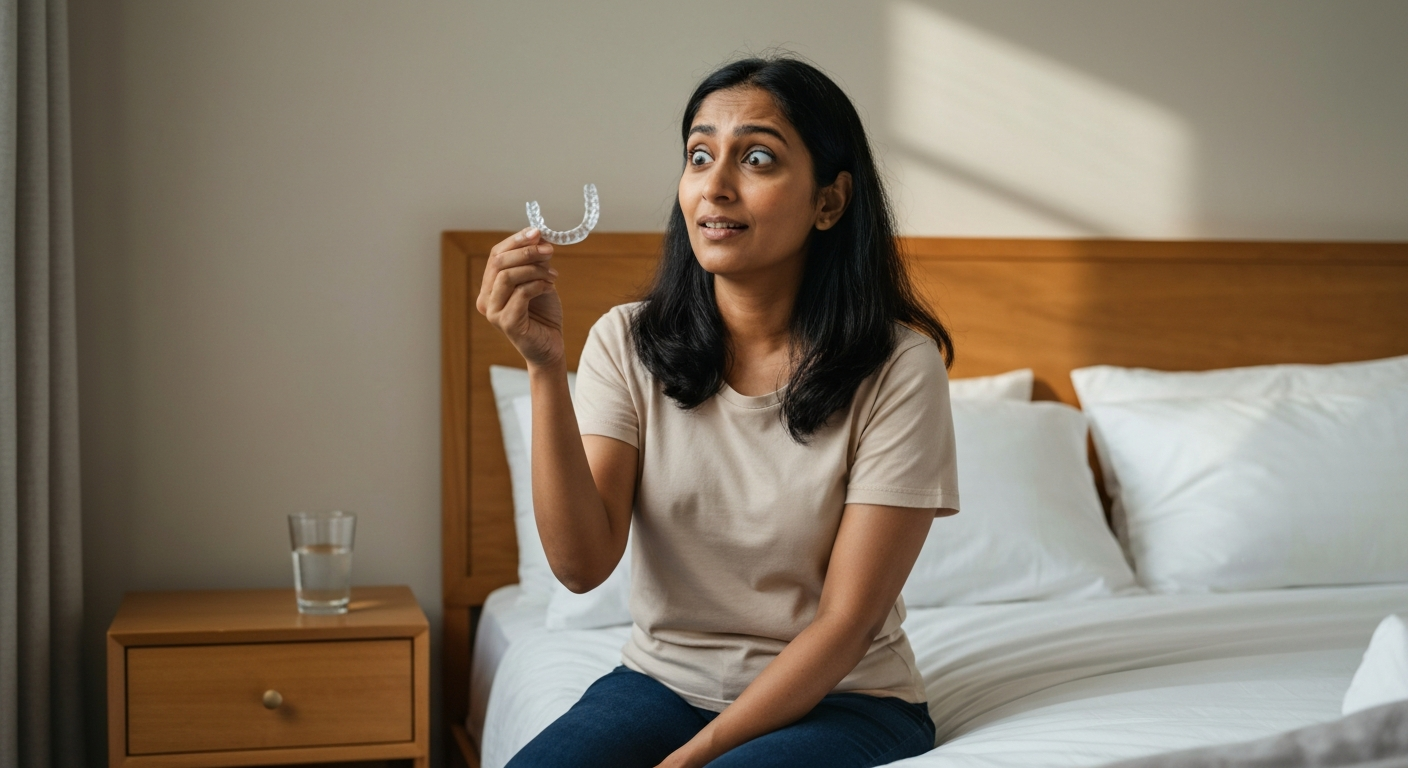

Invisalign aligners are not designed to function as snore guards, and wearing them during sleep will not stop snoring — they reposition teeth, not the jaw or tongue that cause airway obstruction. If you're hoping your Invisalign trays can double as an anti-snore mouthpiece, you'll need a separate device specifically engineered to advance your lower jaw forward and keep your airway open.
A snore guard is a mandibular advancement device (MAD) that holds your lower jaw slightly forward to prevent your tongue and soft tissues from collapsing into your airway — Invisalign does neither of these things.
Snore guards work by physically repositioning your mandible (lower jaw) forward by several millimeters. This forward position pulls your tongue base away from the back of your throat, preventing the vibration of soft tissues that creates snoring sounds. The design is intentionally bulky around the jaw hinge area to lock your bite in that advanced position all night.
Invisalign aligners, by contrast, are thin plastic shells that fit snugly over your teeth to apply gradual orthodontic pressure. They're engineered to move teeth millimeter by millimeter over months — not to change your jaw position while you sleep. The material thickness, design geometry, and intended function are completely different.
"Mandibular advancement devices work by holding the lower jaw in a protruded position during sleep, which increases the pharyngeal airway space and reduces the collapsibility of the upper airway." — American Academy of Dental Sleep Medicine
| Feature | Invisalign Aligners | Snore Guard (MAD) |
|---|---|---|
| Primary purpose | Teeth straightening | Airway opening |
| Jaw position | Unchanged | Advanced forward 6–10mm |
| Material thickness | 0.75mm | 2–3mm |
| Tongue repositioning | None | Yes (indirect) |
| FDA clearance for snoring | No | Yes (most models) |
Also Read: Snore Guard Guide: MAD vs TRD & How to Choose in 2026
You cannot wear both devices simultaneously — a snore guard requires direct contact with your teeth to anchor the jaw advancement mechanism, which is impossible over Invisalign trays.
This is one of the most common questions from people undergoing orthodontic treatment who also snore. The physics simply don't work: a MAD needs to grip your upper and lower teeth firmly to pull your mandible forward against resistance. Invisalign creates a smooth plastic barrier that prevents this grip.
Your options during Invisalign treatment include:
If snoring is severely affecting your sleep quality or relationship, discuss timeline options with your orthodontist. Some patients pause aligner treatment temporarily, though this isn't ideal for orthodontic results.
The search often comes from people who either misunderstand what Invisalign does, or who are looking for a single device that addresses both crooked teeth and snoring — which doesn't exist in one product.
There's also confusion stemming from the fact that some dentists offer both Invisalign and custom snore guards. When you see "Invisalign and snore guard" on a dental practice's service list, it's two separate treatments — not a hybrid device.
Another driver is the Joe Rogan effect. After Rogan discussed anti-snore mouthpieces on his podcast, searches for snore mouthpieces spiked. Some listeners already wearing Invisalign wondered if their aligners could serve a similar purpose.
The short answer: they cannot. If you're in Invisalign treatment and snoring is a problem, you need a separate solution — and the best time to get a custom-fit anti-snore mouthpiece is after your orthodontic treatment concludes.
Also Read: Joe Rogan Snore Device: What It Is & How It Works
Custom-fit snore guards from dental labs like Glidewell or through dentists offer the best results, but adjustable over-the-counter options work for many mild-to-moderate snorers.
Custom devices — including the Silent Nite snore guard and Glidewell dental lab snore guard — are fabricated from impressions of your teeth. They fit precisely, stay in place all night, and can be adjusted by your dentist for optimal jaw advancement. Expect to pay $500–$1,500 depending on your location (practices in Boston, Raleigh, and other metro areas tend to charge more).
The ADA dental code for a snore guard is D9946 for a "occlusal guard for bruxism, sleep apnea, or snoring" when custom-made. Insurance coverage varies widely — most medical plans don't cover snore guards unless you have a diagnosed sleep apnea condition.
OTC options from CVS, Walgreens, or Amazon range from $20–$100. Boil-and-bite models like the adjustable anti-snore mouthpiece let you customize the fit at home by softening the plastic in hot water. They're less precise than lab-made devices but work well for many people.
"Mandibular advancement devices, both custom and prefabricated, have been shown to reduce the apnea-hypopnea index in patients with mild to moderate obstructive sleep apnea." — Journal of Clinical Sleep Medicine
Popular OTC options include:
Reviews of snore mouth guards consistently show that fit and comfort determine whether people actually use them nightly. A perfectly engineered device that sits in your drawer does nothing.
Snore guards can reduce mild-to-moderate obstructive sleep apnea symptoms, but they're not a substitute for CPAP in severe cases — always get a proper diagnosis first.
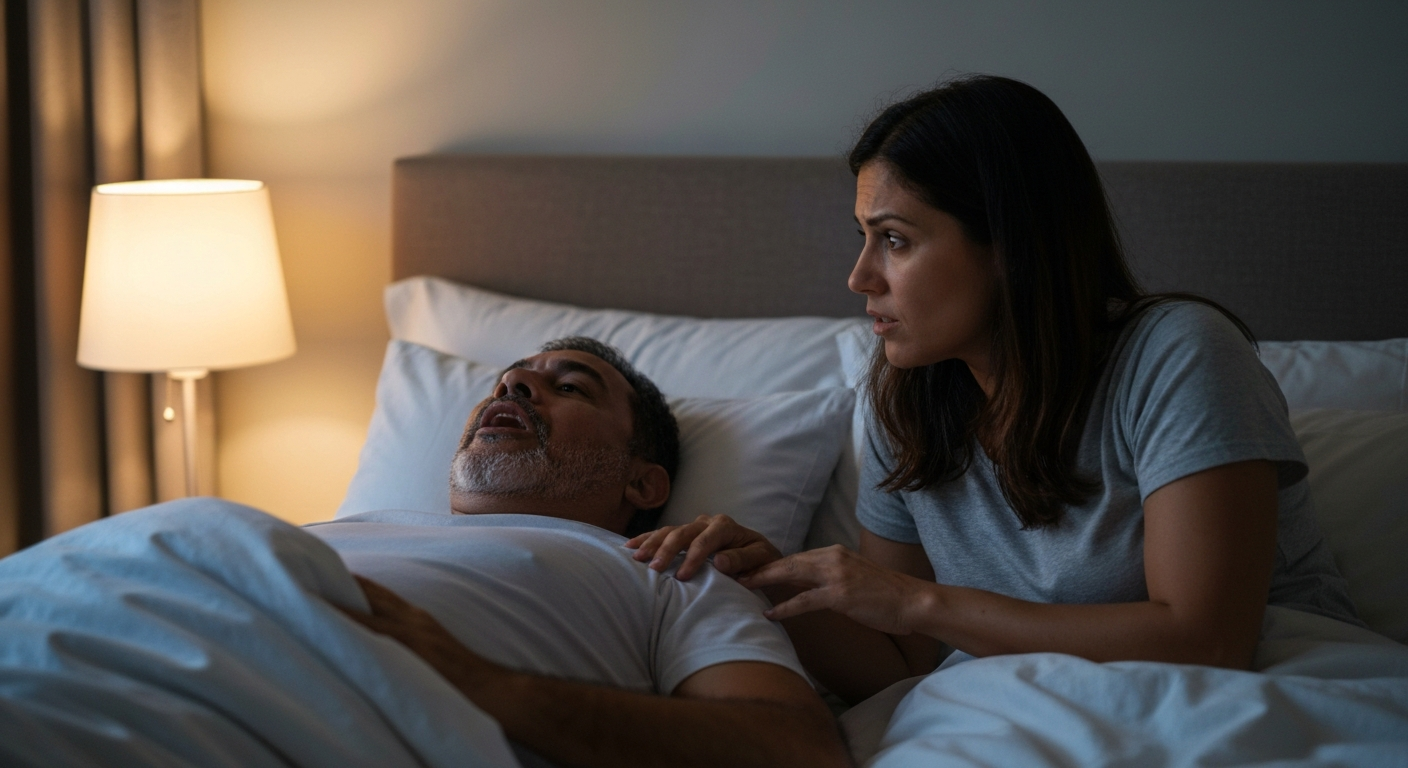
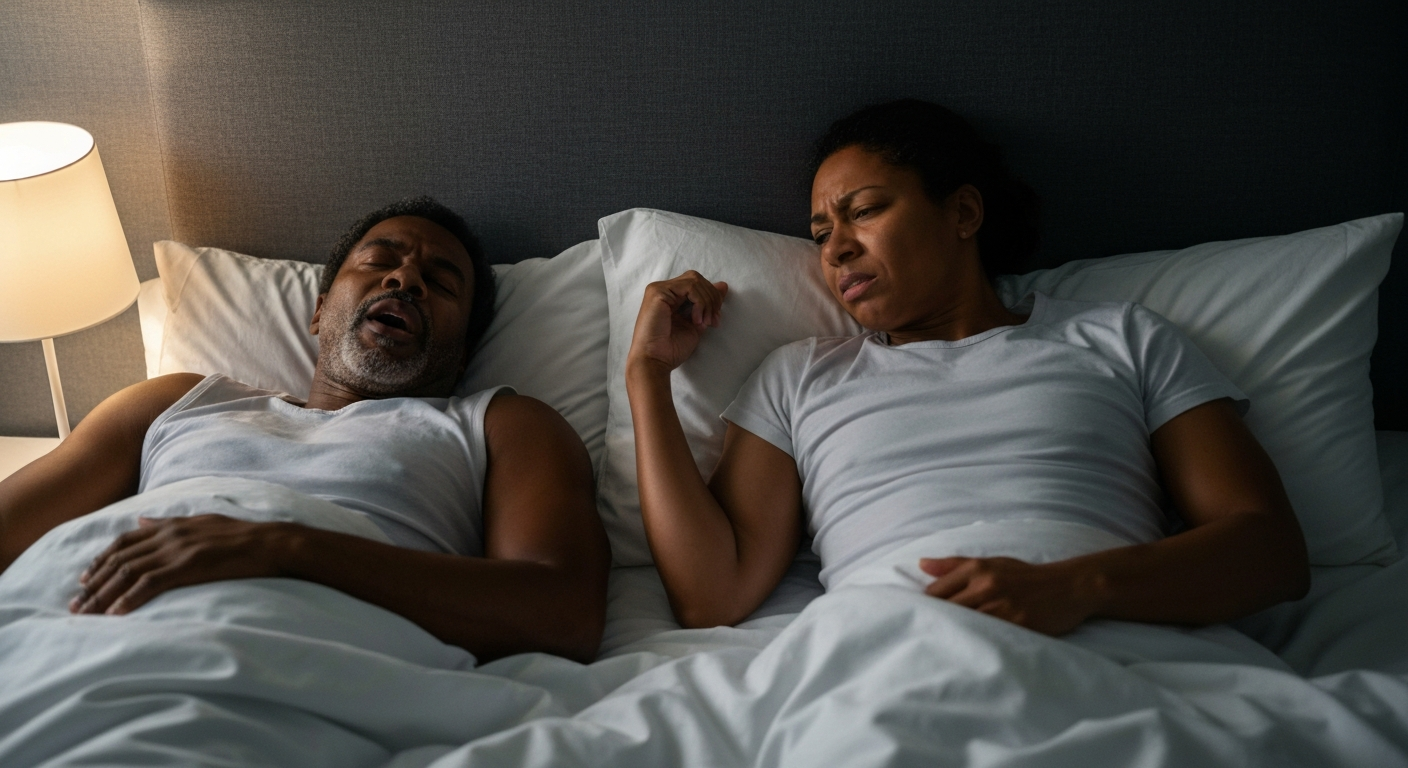
There's an important distinction between simple snoring and obstructive sleep apnea (OSA). Snoring is the sound of partially obstructed airflow. Sleep apnea means your airway completely closes, stopping breathing repeatedly throughout the night.
A snore guard may reduce apnea events by keeping the airway more open, but effectiveness varies significantly by individual anatomy and apnea severity. The American Academy of Sleep Medicine recommends oral appliances as a first-line treatment for mild-to-moderate OSA, or for severe OSA patients who cannot tolerate CPAP.
If you snore loudly, wake up gasping, experience daytime fatigue, or have been told you stop breathing during sleep, get a sleep study before buying any device. A snore guard alone won't adequately treat severe apnea.
Also Read: Snoring vs Sleep Apnea: Key Differences & When to Worry
The best snore guard for you depends on whether you need custom precision or prefer an affordable at-home solution — both categories have effective options.
For people finished with Invisalign (or not using aligners), here's how to approach your choice:
| Snorer Type | Best Option | Why It Works |
|---|---|---|
| Mild snoring, budget-conscious | OTC boil-and-bite MAD | Customizable fit, low commitment |
| Moderate snoring, comfort priority | Custom dental lab device | Precise fit, professional adjustment |
| Mouth breather who snores | MAD + chin strap or mouth tape | Keeps mouth closed, jaw forward |
| Tongue-based snoring | TRD (tongue-retaining device) | Directly addresses tongue collapse |
| Invisalign patient currently in treatment | TRD or nasal dilator | Compatible with aligners |
Some people combine approaches — using mouth tape (anti snore mouth tape) to keep their lips sealed while a MAD holds the jaw forward. This addresses both mouth breathing and jaw-related obstruction.
| ✓Our Pick |
Shop adjustable snore mouthpieces — custom-fit from your own impression Save yourself the frustration — a proven solution with consistently positive feedback from real buyers. Learn More → |
Invisalign and snore guards are entirely different devices serving different purposes — aligners straighten teeth while snore guards advance your jaw to open your airway. You cannot wear both simultaneously, and Invisalign will not reduce snoring. If you're currently in orthodontic treatment and struggling with snoring, consider a tongue-retaining device or nasal dilators until your Invisalign treatment ends. Once finished, a custom-fit or quality OTC mandibular advancement device can effectively eliminate snoring for most people. If your snoring is severe or accompanied by breathing pauses, get a sleep study before choosing any device — you may need more than a simple snore guard.
No — though both are oral appliances worn during sleep, they serve completely different functions. A night guard (for bruxism) cushions your teeth from grinding pressure and keeps upper and lower teeth separated. A snore guard advances your lower jaw forward to open the airway. Some dental labs offer combination devices, but standard night guards will not reduce snoring.
Yes, most pharmacies carry basic boil-and-bite snore guards in the sleep aid section. Brands vary by location, and these OTC options typically cost $20–$50. They work for mild snoring but lack the precise fit of custom devices. If you try one and find it uncomfortable or ineffective after proper molding, consider upgrading to an adjustable model or custom-fit device.
The ADA dental code for a custom snore guard is D9946, described as an "occlusal orthotic device for bruxism, sleep apnea, or snoring." Your dentist uses this code when billing. Insurance coverage depends on your plan and whether you have a documented sleep apnea diagnosis — snoring alone often isn't covered.
Joe Rogan has mentioned using a mandibular advancement device on his podcast, noting improved sleep quality and reduced snoring. His discussion brought mainstream attention to these devices, which had previously been recommended mainly by sleep specialists. Rogan's device appears to be a standard MAD similar to what any dentist can provide or what's available in quality OTC options.
Anti-snore mouth tape addresses a different problem — it keeps your lips sealed to prevent mouth breathing, but it doesn't advance your jaw. If you snore through your nose or your snoring originates from tongue collapse, mouth tape alone won't help. Some snorers benefit from using both: tape to keep the mouth closed and a MAD to hold the jaw forward. If taping your mouth feels uncomfortable, focus on the snore guard first.
Reviewed and Updated on June 14, 2026 by George Wright