Sleep
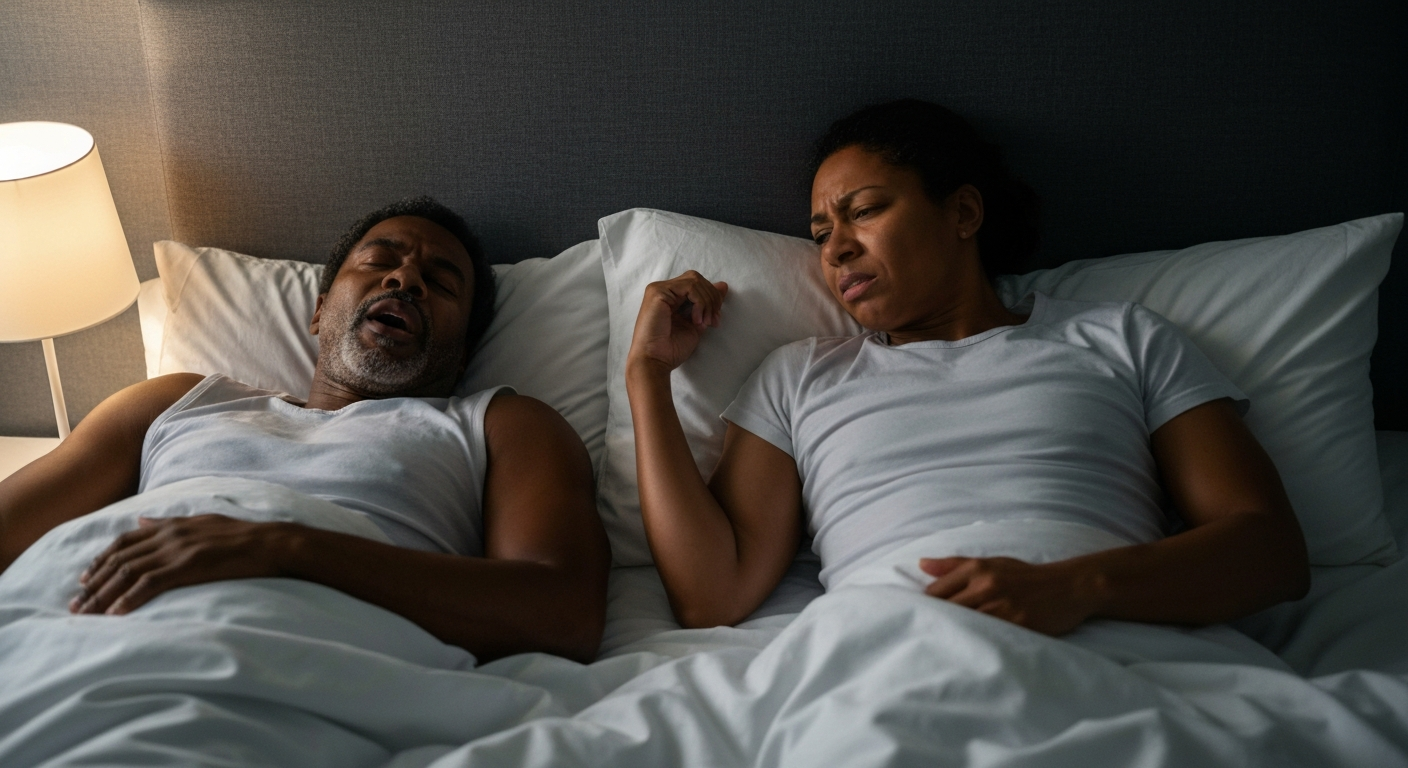

No, snoring does not mean you're in deep sleep — it's actually a sign of partially obstructed breathing that can occur in any sleep stage and often indicates your sleep quality is suffering, not thriving.
The myth that snoring equals deep, restful sleep is one of the most persistent misconceptions about sleep health. In reality, snoring happens when air struggles to move freely through your nose and throat, causing the surrounding tissues to vibrate. This obstruction can happen whether you're in light sleep, deep sleep, or REM sleep — and rather than being a sign of good sleep, habitual snoring often fragments your rest and leaves you tired the next day.
Also Read: Is Snoring Normal? When to Worry & When to Relax
The belief that snoring indicates deep sleep comes from observing that snorers seem difficult to wake and appear to be "out cold" — but this is misleading.
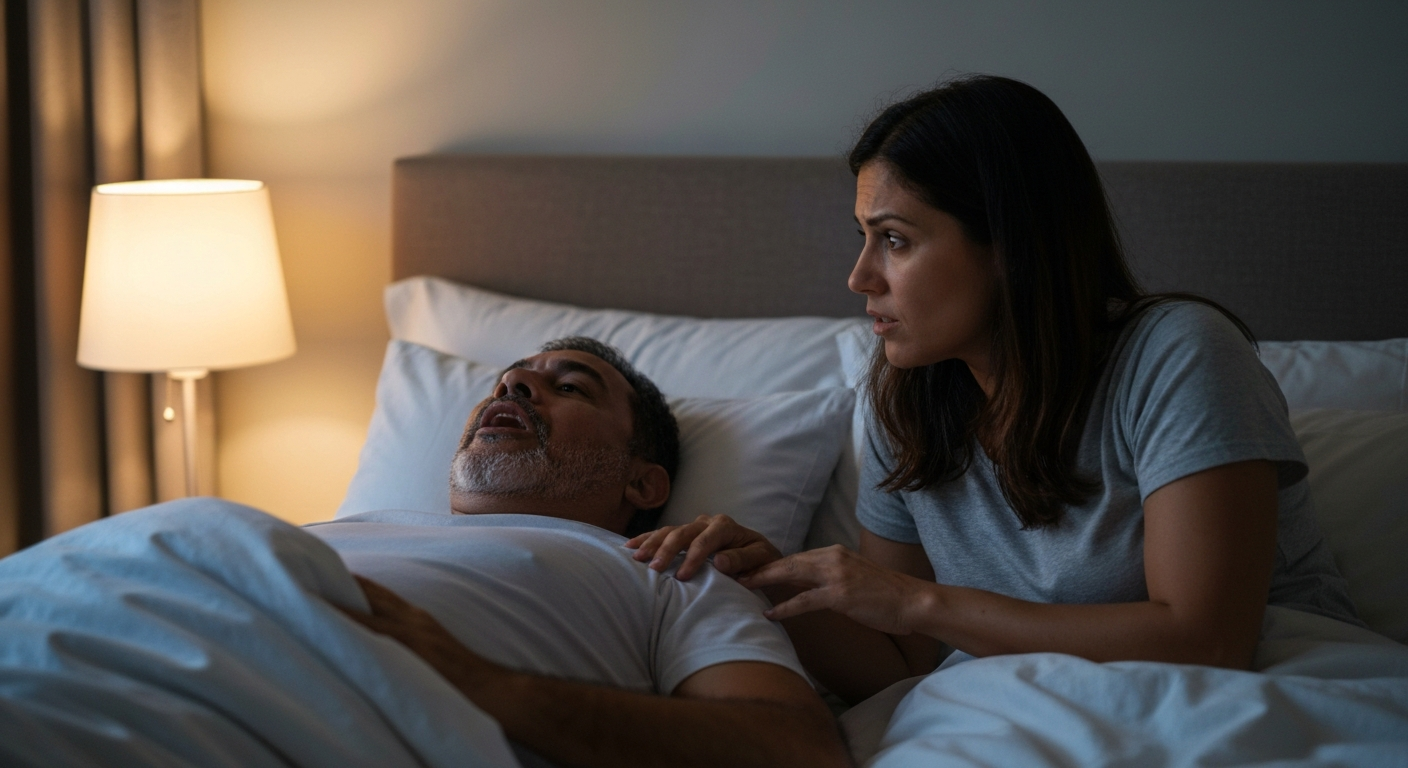
When someone is snoring loudly and seems completely unresponsive, it's natural to assume they must be in a deep stage of sleep. After all, they're clearly unconscious and making noise that suggests total relaxation. However, this appearance of deep sleep is deceptive.
The truth is that snorers often appear harder to wake because their bodies are exhausted from working harder to breathe all night. The brain partially rouses dozens or even hundreds of times to restore normal breathing — events called micro-arousals that the sleeper rarely remembers. These constant interruptions prevent the person from cycling properly through sleep stages, creating a paradox: they look deeply asleep but are actually getting poor-quality, fragmented rest.
"Snoring is not a sign of deep sleep. It's a sign of increased upper airway resistance that can occur in any stage of sleep and may indicate the presence of obstructive sleep apnea." — Dr. Ilene Rosen, Sleep Medicine Specialist at Penn Medicine
Deep sleep (also called slow-wave sleep or N3) is characterized by specific brain wave patterns and physical relaxation — not by the sounds you make.
During a normal night, your brain cycles through four distinct stages: N1 (light sleep), N2 (stable sleep), N3 (deep sleep), and REM (dream sleep). Deep sleep typically occurs in longer stretches during the first half of the night and is when your body does its most important repair work — releasing growth hormone, consolidating memories, and restoring physical energy.
| Sleep Stage | Characteristics | Typical Duration per Cycle |
|---|---|---|
| N1 (Light) | Easy to wake, drifting off | 1–5 minutes |
| N2 (Stable) | Heart rate slows, temperature drops | 10–25 minutes |
| N3 (Deep) | Difficult to wake, physical restoration | 20–40 minutes |
| REM | Dreaming, brain activity increases | 10–60 minutes |
During deep sleep, your muscles are more relaxed than in lighter stages — and this is where the confusion with snoring originates. Muscle relaxation does include the throat muscles, which can contribute to airway narrowing. However, snoring during deep sleep is a sign that this relaxation has gone too far and is causing breathing problems, not that you're achieving optimal rest.
| ✓Our Pick |
Custom-fit snore mouthpiece that repositions your jaw to eliminate snoring You'll wonder why you didn't try this sooner — practical, well-reviewed, and easy to get started. Learn More → |
Yes — regular snoring typically degrades sleep quality by fragmenting your sleep cycles and reducing the time you spend in restorative deep and REM sleep.
Even when snoring doesn't rise to the level of sleep apnea, it creates what researchers call "upper airway resistance." Your brain detects the increased effort required to breathe and responds by shifting you into a lighter sleep stage or briefly waking you. These micro-arousals last only seconds and usually don't register consciously, but they add up.
A 2022 study published in the Journal of Clinical Sleep Medicine found that primary snorers (those without diagnosable apnea) still showed:
"Even 'benign' snoring that doesn't meet criteria for sleep apnea can be associated with daytime sleepiness, cognitive impairment, and increased cardiovascular risk over time." — American Academy of Sleep Medicine
The oxygen levels in your blood can also dip slightly during snoring episodes. While these dips are less severe than in sleep apnea, they still trigger stress responses that prevent your body from fully relaxing into restorative sleep.
Also Read: Snoring vs sleep apnea
Not necessarily — snoring can occur in any sleep stage, though it often worsens during REM and deep sleep when muscle relaxation peaks.
The relationship between sleep stages and snoring is more nuanced than people realize. Here's what research tells us:
When snoring is most likely to occur:
- REM sleep, when muscle tone drops significantly
- Sleeping on your back, regardless of sleep stage
- After alcohol consumption, which depresses muscle tone in all stages
- During the second half of the night, when REM periods lengthen
When snoring might decrease:
- N1 and N2 (light sleep), when muscles retain more tone
- When sleeping on your side in any stage
- During the first sleep cycle before reaching deep sleep
The misconception that snoring indicates deep sleep likely comes from REM sleep, when snoring often intensifies. But REM isn't deep sleep — it's a completely different stage characterized by dreaming and increased brain activity. The muscle paralysis that prevents you from acting out dreams also affects your throat muscles, potentially worsening airway obstruction.
So if you hear someone snoring, you can't determine their sleep stage from the sound alone. They might be in any stage, and the snoring itself may be preventing them from reaching or staying in the deeper, more restorative stages.
The evidence clearly shows that habitual snoring is associated with worse sleep outcomes, not better ones — even when the snorer feels they slept "fine."
One of the challenges with snoring and sleep quality is that snorers themselves often don't realize how poorly they're sleeping. Without the dramatic awakenings of severe sleep apnea, they assume their sleep is normal. But objective measures tell a different story.
Research using polysomnography (overnight sleep studies) consistently shows that snorers have:
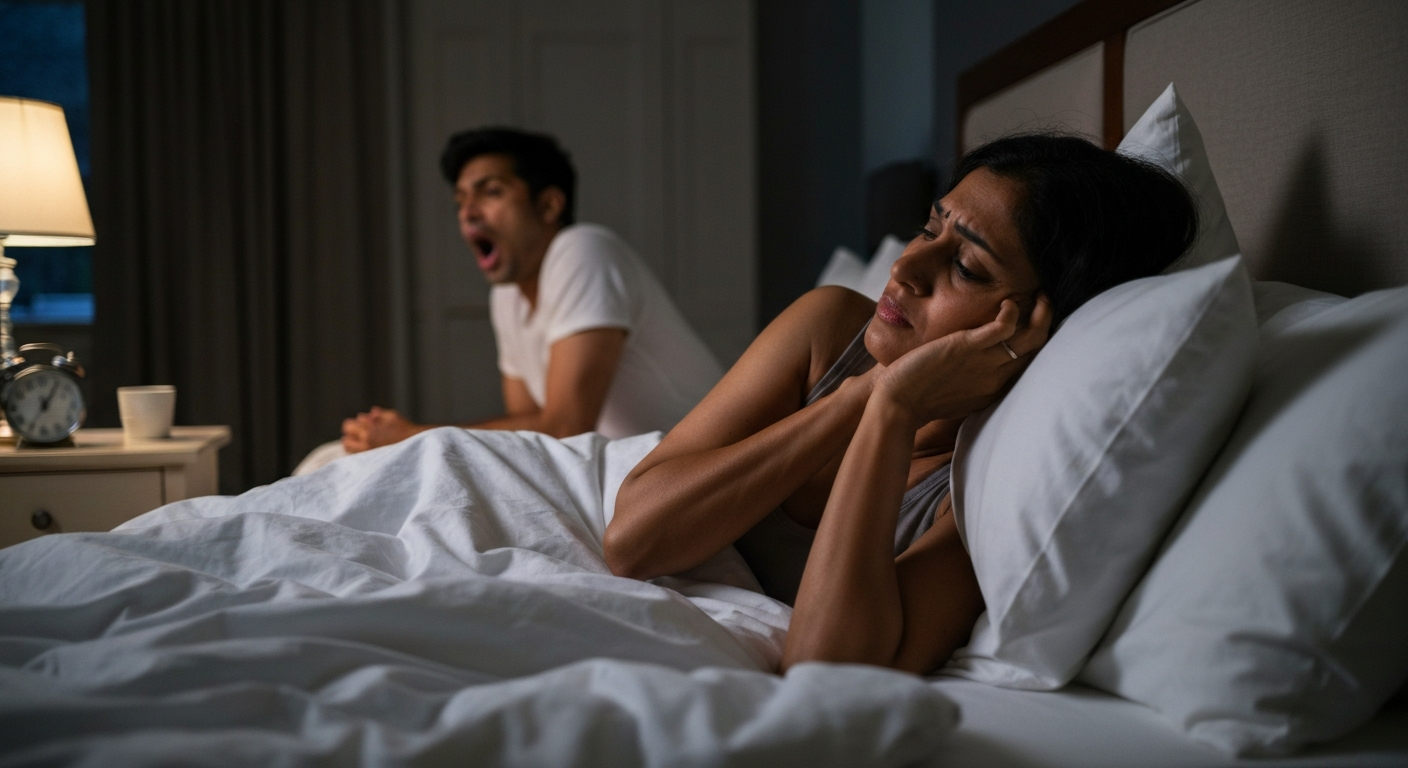
Partners of snorers often report poor sleep as well. Studies suggest that bed partners of heavy snorers lose an average of one hour of sleep per night due to noise disruption.
Also Read: Sleeping With a Snorer: 7 Strategies That Actually Work
Instead of listening for snoring, use these science-backed markers to evaluate whether you're getting quality sleep in 2026.
| Good Sleep Indicator | What It Means |
|---|---|
| Fall asleep within 15–20 minutes | Your sleep drive is appropriately timed |
| Sleep through the night (1 or fewer wake-ups) | Minimal sleep fragmentation |
| Wake without an alarm feeling rested | Completed full sleep cycles |
| No excessive daytime sleepiness | Adequate deep and REM sleep |
| Consistent sleep schedule | Strong circadian rhythm |
If you snore and also experience daytime fatigue, morning headaches, or difficulty concentrating, these are warning signs that your sleep quality is compromised regardless of how many hours you spend in bed.
If snoring is accompanied by gasping, choking sounds, or breathing pauses, this may indicate obstructive sleep apnea — a condition requiring medical evaluation.
Not all snoring is equally concerning. Occasional snoring when you have a cold or after drinking alcohol is usually harmless. But certain patterns warrant attention:
See a doctor if you experience:
- Loud snoring most nights of the week
- Witnessed breathing pauses during sleep
- Gasping or choking that wakes you
- Morning headaches or dry mouth
- Excessive daytime sleepiness despite adequate time in bed
- High blood pressure, especially if resistant to medication
"Obstructive sleep apnea affects an estimated 22 million Americans, and 80% of moderate to severe cases remain undiagnosed." — American Sleep Apnea Association
A sleep study can determine whether your snoring is "simple" or indicates sleep apnea. Treatment options range from lifestyle changes and oral appliances to CPAP therapy for more severe cases.
Also Read: Snore No More: 6 Evidence-Based Ways to Stop Snoring
Snoring does not mean deep sleep — it's actually a sign of partially blocked airways that can occur in any sleep stage. Rather than indicating restful, quality sleep, habitual snoring typically fragments your sleep cycles, reduces time in restorative deep sleep, and leaves you more tired, not more refreshed. If you or your partner snores regularly, it's worth investigating the cause rather than assuming it's a sign of good sleep.
No, snoring does not indicate deep sleep. Snoring occurs when airflow is partially obstructed, causing tissue vibration — this can happen in any sleep stage. While muscle relaxation during deep sleep and REM can worsen snoring, the snoring itself often prevents you from staying in these restorative stages. The appearance of "deep sleep" in snorers is usually exhaustion from fragmented rest.
Yes, snoring significantly affects sleep quality. Even when snoring doesn't qualify as sleep apnea, it causes micro-arousals that prevent normal sleep cycle progression. Research shows habitual snorers spend less time in deep sleep, have more sleep stage transitions, and report higher daytime sleepiness than non-snorers. Your brain keeps partially waking to restore normal breathing.
Snoring is not a sign of good sleep — quite the opposite. Good sleep is characterized by uninterrupted cycling through all sleep stages, waking refreshed, and having energy throughout the day. Snoring indicates your airway is struggling, which creates stress responses that fragment sleep. People who snore heavily often feel tired even after a full night in bed.
Not necessarily. Snoring can occur in any sleep stage, though it often intensifies during REM sleep when muscle tone drops. The inability to wake a snorer easily is usually due to exhaustion from poor-quality sleep, not because they're in deep sleep. You cannot determine someone's sleep stage from their snoring sounds alone — a sleep study would be needed for that.
Yes, most people can reduce or eliminate snoring with the right approach. Effective strategies include sleeping on your side, maintaining a healthy weight, avoiding alcohol before bed, and using anti-snoring mouthpieces that reposition the jaw. If lifestyle changes don't help, a sleep specialist can evaluate whether you need a custom oral appliance or CPAP therapy.
Reviewed and Updated on June 14, 2026 by George Wright