Health

Snoring doesn't have to be permanent—most cases can be significantly reduced or eliminated with the right combination of lifestyle changes, sleeping position adjustments, and oral appliances that physically hold your airway open while you sleep.
The phrase "snore no more" isn't just wishful thinking. For the estimated 45% of adults who snore occasionally and the 25% who snore regularly, there are now more evidence-based solutions available than ever before. The key is understanding why you snore, then matching the right intervention to your specific anatomy and triggers.
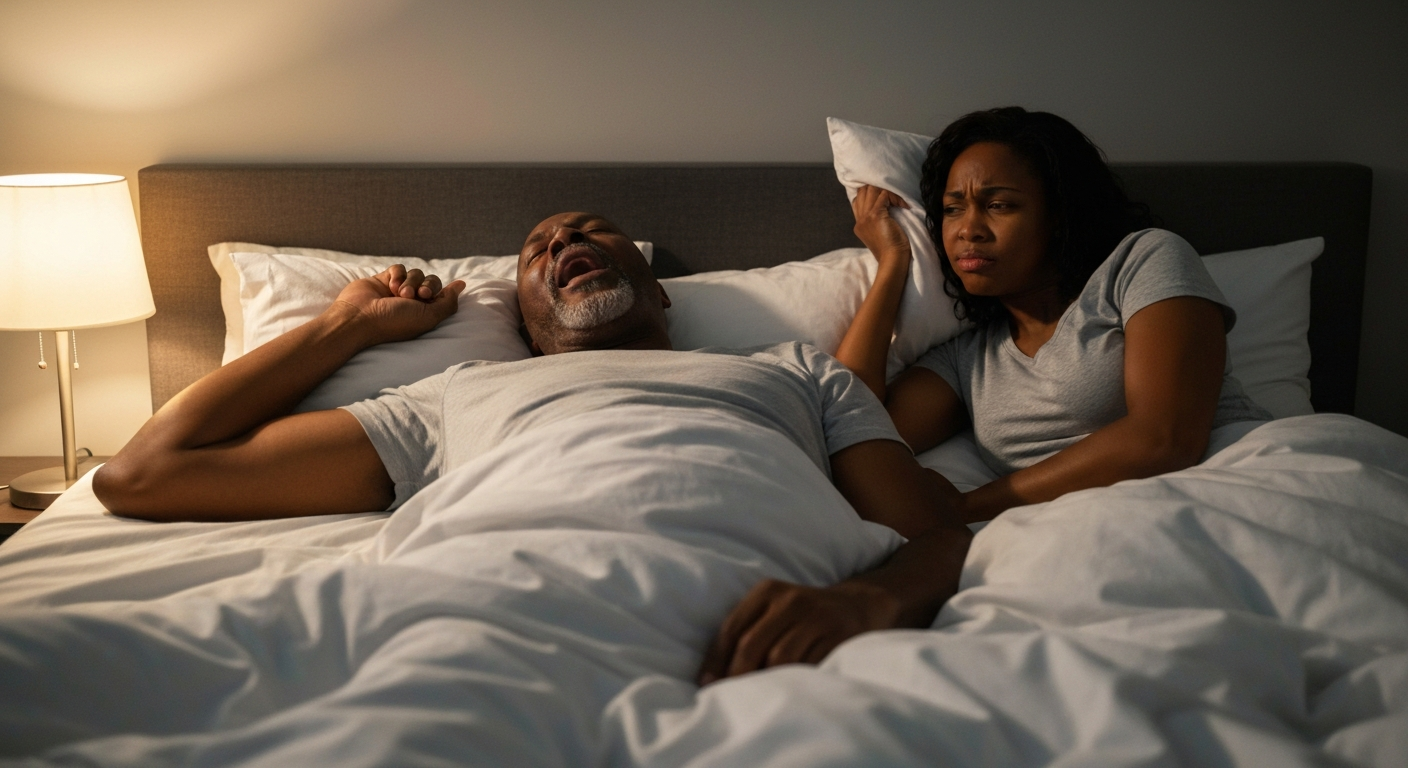
Snoring occurs when air flows past relaxed tissues in your throat, causing them to vibrate as you breathe—and the narrower your airway, the louder and more forceful that vibration becomes.
During sleep, the muscles in your tongue, soft palate, and throat naturally relax. For some people, this relaxation narrows the airway enough that incoming air creates turbulence. That turbulence makes the surrounding tissues flutter, producing the characteristic snoring sound.
Several factors determine whether you snore and how severely:
| Factor | How It Affects Snoring |
|---|---|
| Throat muscle tone | Weaker muscles collapse more easily during sleep |
| Tongue position | A tongue that falls backward blocks airflow |
| Soft palate length | Longer or thicker palates vibrate more readily |
| Nasal congestion | Blocked nasal passages force mouth breathing |
| Body weight | Excess tissue around the neck compresses airways |
| Alcohol consumption | Depresses muscle tone, worsening relaxation |
| Sleep position | Back sleeping lets gravity pull tissues backward |
"The upper airway is a collapsible tube. Anything that narrows that tube or makes the walls more floppy will increase the tendency to snore." — Dr. Eric Kezirian at UCLA Sleep Surgery
Understanding your specific combination of factors is the first step toward becoming snore-free.
Also Read: Why Do Men Snore More Than Women? 6 Reasons Explained
Weight management, sleep positioning, and alcohol timing are the three lifestyle interventions with the strongest evidence for reducing snoring—and they cost nothing to try.
Carrying extra weight, particularly around the neck, directly compresses your airway. Research shows that even a 10% reduction in body weight can lead to meaningful improvements in snoring severity for many people. The relationship works both ways: snoring can disrupt sleep quality, which affects hormones that regulate appetite, potentially making weight loss harder.
Sleeping on your side instead of your back prevents gravity from pulling your tongue and soft palate backward into your airway. Some people find success with positional therapy devices—wearables or pillows that discourage back sleeping. A simple hack is sewing a tennis ball into the back of a sleep shirt, though purpose-built solutions tend to be more comfortable long-term.
Alcohol relaxes muscles throughout your body, including those that keep your airway open. The effect is strongest when you drink within 3–4 hours of bedtime. The same applies to sedative medications and some antihistamines.
Other lifestyle modifications worth trying:
| ✓Our Pick |
Custom-fit anti-snoring mouthpiece — repositions your jaw to eliminate snoring Backed by strong customer feedback — the most recommended solution in forums and Q&A communities. Learn More → |
Mandibular advancement devices (MADs) work by holding your lower jaw slightly forward during sleep, which tightens the tissues at the back of your throat and keeps your airway open.
Oral appliances have become the go-to treatment for primary snoring (snoring without sleep apnea) and mild-to-moderate obstructive sleep apnea. They're less intrusive than CPAP machines, require no electricity, and are silent.
There are two main types:
Mandibular Advancement Devices (MADs) look similar to sports mouth guards but have a mechanism that positions your lower jaw forward. This forward position pulls your tongue base away from the back of your throat. Most MADs are adjustable, allowing you to find the minimal advancement that eliminates your snoring—important for comfort and jaw health.
Tongue Retaining Devices (TRDs) use gentle suction to hold your tongue forward without repositioning your jaw. These can be useful for people who can't tolerate jaw advancement due to TMJ issues or dental problems.
"Oral appliance therapy can reduce the apnea-hypopnea index by approximately 50% and is associated with improvements in snoring, daytime sleepiness, and quality of life." — American Academy of Sleep Medicine
Custom-fitted devices made from dental impressions typically outperform boil-and-bite versions in both effectiveness and comfort. While custom appliances from a dentist can cost $1,500–$2,000, direct-to-consumer options that use at-home impression kits have made this technology more accessible.
Also Read: Snore Mouth Guard: How It Works, Types & Best Picks
Not all snoring is benign—loud, irregular snoring accompanied by gasping, choking, or pauses in breathing may indicate obstructive sleep apnea, a condition that requires medical evaluation.
Obstructive sleep apnea (OSA) occurs when your airway doesn't just narrow but actually closes repeatedly during sleep. Each closure triggers a brief arousal as your brain signals your body to restart breathing. These micro-awakenings fragment your sleep, even if you don't remember them.
Warning signs that suggest your snoring may be OSA:
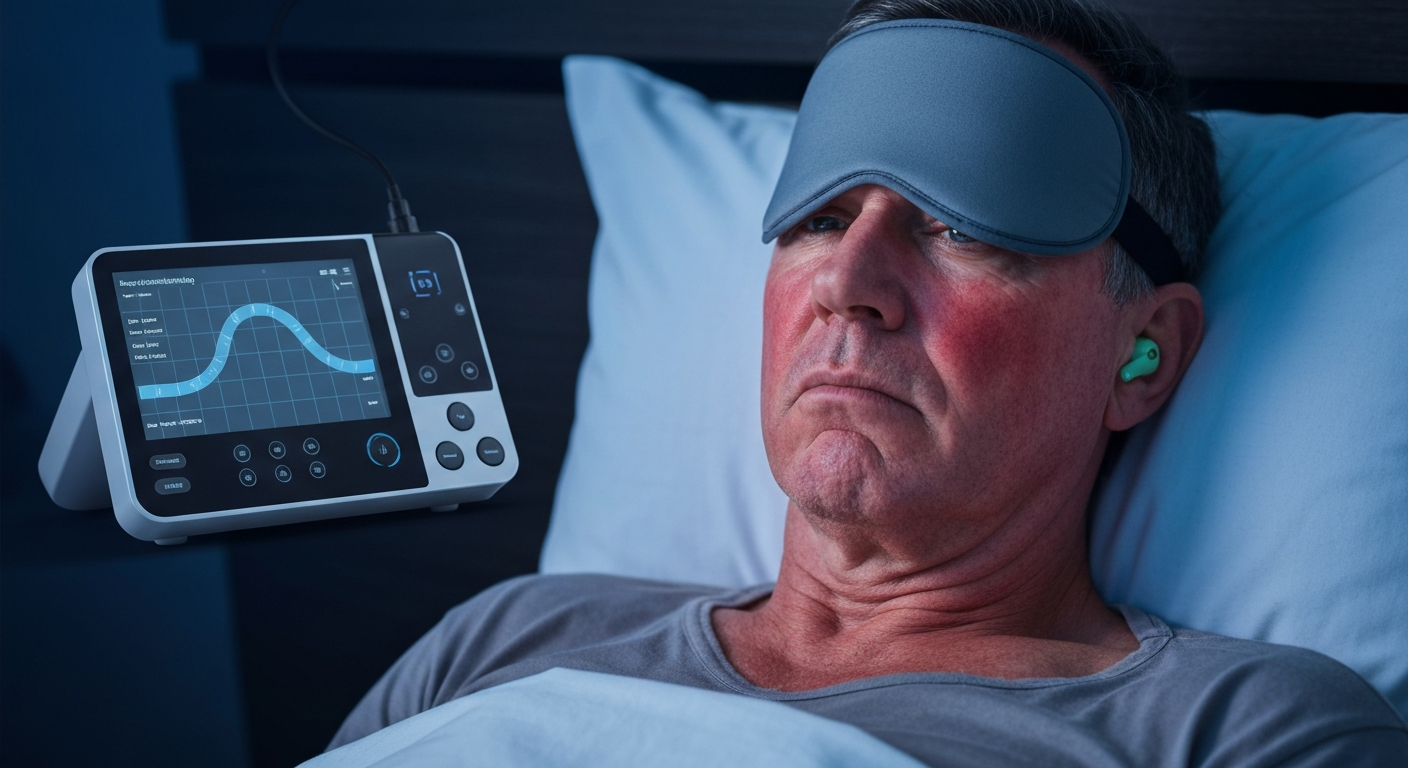
Untreated sleep apnea is associated with increased risk of cardiovascular disease, stroke, type 2 diabetes, and motor vehicle accidents. If you recognize these warning signs, a sleep study—either in a lab or increasingly through at-home testing devices—can provide a diagnosis.
| Snoring Type | Characteristics | Action Needed |
|---|---|---|
| Primary snoring | Regular rhythm, no breathing pauses, no daytime symptoms | Lifestyle changes, oral appliance |
| Possible OSA | Irregular, loud, with gasping or witnessed pauses | Sleep study recommended |
| Confirmed OSA | Documented apnea-hypopnea index ≥5 with symptoms | CPAP, oral appliance, or other treatment |
Also Read: Sleep Apnea vs Snoring: Key Differences & When to Worry
The most effective anti-snoring strategy combines multiple approaches tailored to your specific anatomy and triggers—there's rarely a single magic bullet.
Start by identifying your snoring pattern. Does it happen only when you're on your back? Only after drinking? Year-round or just during allergy season? This information helps you target interventions.
A practical approach for 2026:
Address the obvious triggers first. If you drink alcohol in the evening, try abstaining for two weeks to see if snoring improves. If you're carrying extra weight, even modest loss can help.
Try positional therapy. Spend a week using side-sleeping strategies. Your bed partner (or a smartphone app that records nighttime sounds) can tell you if it's making a difference.
Consider an oral appliance. If lifestyle changes alone don't solve the problem, a mandibular advancement device is often the next step. Start with a direct-to-consumer option if cost is a concern, but consider a dentist-fitted device if you need precise adjustment.
Get evaluated if symptoms persist. Snoring that doesn't respond to these measures—or that comes with daytime symptoms—warrants a conversation with your doctor about a sleep study.
"Most snoring can be treated successfully. The key is matching the treatment to the individual—what works for one person may not work for another." — Dr. Michael Breus at The Sleep Doctor
Snoring happens when relaxed throat tissues vibrate during breathing, but it's rarely something you have to live with. Lifestyle modifications—particularly weight management, side sleeping, and avoiding alcohol before bed—are the first line of defense. When those aren't enough, oral appliances like mandibular advancement devices can physically hold your airway open and eliminate snoring for many people. However, snoring accompanied by gasping, breathing pauses, or significant daytime sleepiness may indicate obstructive sleep apnea, which requires proper diagnosis and treatment. The path to becoming snore-free starts with understanding your specific triggers and systematically addressing them.
For most people, mandibular advancement devices (MADs) offer the best combination of effectiveness and practicality. These oral appliances hold your lower jaw forward during sleep, keeping your airway open. Custom-fitted versions work better than generic boil-and-bite options, though both can be effective. The "most effective" solution ultimately depends on why you snore—positional snorers may benefit most from side-sleeping aids, while those with nasal congestion might find relief from treating allergies.
You can reduce snoring through behavioral changes, though "training" isn't quite the right frame. Learning to sleep on your side, maintaining a healthy weight, and avoiding alcohol before bed are learnable habits that reduce snoring for many people. Some people practice mouth and throat exercises (myofunctional therapy) designed to strengthen airway muscles, which research suggests can reduce snoring frequency and intensity by about 36%.
Yes, snoring typically worsens with age. Muscle tone decreases throughout the body as we get older, including in the tissues that keep the airway open during sleep. Hormonal changes, particularly the drop in estrogen and progesterone after menopause, contribute to increased snoring in women. Weight gain, which often accompanies aging, compounds the problem. However, age-related snoring is still treatable with the same interventions that work for younger snorers.
Occasional, quiet snoring is common and typically not harmful. However, snoring every night—especially if it's loud enough to disturb others or comes with daytime tiredness—deserves attention. Chronic snoring can indicate obstructive sleep apnea, which is linked to cardiovascular disease, metabolic problems, and cognitive decline. Even without apnea, nightly snoring can cause sore throats, dry mouth, and relationship strain. If you snore every night, it's worth exploring solutions rather than assuming it's just normal.
Anti-snoring pillows work for some people, particularly those whose snoring is primarily positional. Pillows designed to encourage side sleeping or elevate the head can reduce airway collapse caused by gravity. However, they're generally less effective than oral appliances for moderate-to-severe snoring. They're worth trying as a low-cost, non-invasive first step, but don't expect dramatic results if your snoring has multiple contributing factors.
Reviewed and Updated on June 14, 2026 by George Wright