Gadgets
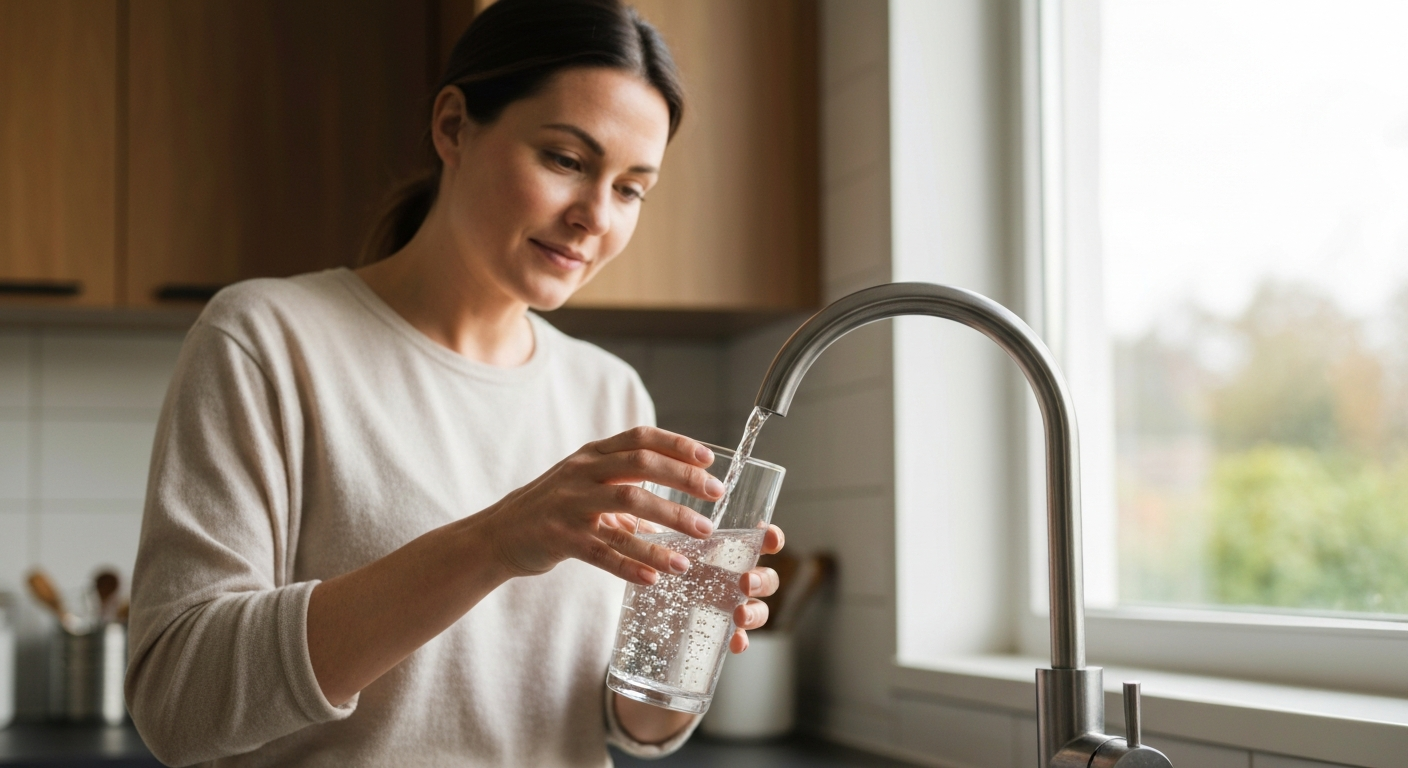

Bubbly water usually signals trapped air, dissolved gases, or pressure changes — all harmless in most cases. When you fill a glass from the tap and see tiny bubbles clinging to the sides, you're witnessing dissolved oxygen and nitrogen releasing as cold, pressurized water adjusts to room temperature. This is completely normal and safe to drink. However, persistent cloudiness that doesn't clear within a minute, a sulfur smell, or unusual taste can indicate water heater issues, pipe problems, or the need for filtration — situations worth investigating further.
| ✓Our Pick |
Premium water filters for cleaner, better-tasting tap water Consistently earns five-star reviews — reliable, well-supported, and genuinely effective. See on Amazon → |
Dissolved gases escaping from cold, pressurized water are the most common reason your tap water appears bubbly — this is harmless and clears within seconds.
When water travels through municipal pipes, it's under pressure and often quite cold. Both conditions allow water to hold more dissolved gases (primarily oxygen and nitrogen) than it normally would at room temperature and standard atmospheric pressure. The moment that water exits your faucet into a glass at lower pressure and warmer temperatures, those gases have nowhere to go but out — creating the tiny bubbles you see.
Think of it like opening a carbonated drink. The soda was bottled under pressure, keeping the carbon dioxide dissolved. Open the cap, and the gas escapes as bubbles. Your tap water works the same way, just with different (and completely safe) gases.
"Cloudy water, also known as white water, is caused by air bubbles in the water. It is completely harmless." — Water Research Center at Water Research Center
Here's a simple test: fill a glass and set it on the counter. If the cloudiness clears from the bottom up within 30–60 seconds, you're looking at harmless air bubbles. If it stays cloudy or has a color tint, other factors may be at play.
| Observation | Likely Cause | Action Needed |
|---|---|---|
| Clears bottom-up in under 60 seconds | Dissolved air/gases | None — safe to drink |
| Stays uniformly cloudy | Sediment or particles | Check filters, consider testing |
| Smells like rotten eggs | Hydrogen sulfide | Check water heater, anode rod |
| Yellow or brown tint | Iron, rust, or pipe corrosion | Flush lines, inspect plumbing |
Also Read: Why Is My Ductwork Sweating? 6 Causes & How to Fix It
Hot water from your water heater often appears bubblier than cold because heating drives dissolved gases out of solution faster.
When water is heated, it loses its ability to hold dissolved gases. Your water heater essentially accelerates the same degassing process that happens naturally when cold tap water warms to room temperature. This is why hot water often looks cloudier coming out of the faucet — more gas is escaping at once.
However, if your hot water has a sulfur or rotten-egg smell along with bubbles, your water heater's anode rod may be reacting with bacteria or sulfates in the water. The anode rod is a sacrificial metal component designed to prevent tank corrosion, but it can produce hydrogen sulfide gas as a byproduct in certain water conditions.
Flushing your water heater annually and replacing the anode rod every 3–5 years prevents most odor and excessive bubbling issues.
Mineral content itself doesn't create bubbles, but hard water can leave deposits that trap air and make your water appear foamier.
Hard water contains high concentrations of calcium and magnesium. These minerals don't cause bubbling directly, but they can create scale buildup inside pipes and appliances that changes water flow patterns. Turbulent flow through scaled pipes introduces more air into the water, resulting in a bubbly appearance.
You might notice this effect more in areas with very hard water (over 180 ppm of dissolved minerals). A water softener or whole-house filter can reduce mineral content and improve water clarity over time.
Frothy or bubbly saliva usually indicates dehydration, acid reflux, or anxiety — conditions that change saliva consistency temporarily.
Your mouth produces about 0.5–1.5 liters of saliva daily. When you're well-hydrated and calm, this saliva is thin and watery. Several factors can make it thicker and more prone to bubbling:
If bubbly saliva persists alongside heartburn, difficulty swallowing, or a chronic cough, consider consulting a doctor about possible GERD. Drinking more water throughout the day resolves most cases of frothy saliva within a day or two.
A sourdough starter that isn't bubbling is either too cold, underfed, or needs more time to develop active wild yeast colonies.
Bubbles in a sourdough starter are signs of life — they're carbon dioxide released by wild yeast as it ferments the flour. No bubbles means little to no fermentation is happening. Here's what to check:
Temperature matters most. Wild yeast thrives between 75–82°F (24–28°C). If your kitchen is below 70°F, fermentation slows dramatically. Move your starter to a warmer spot — on top of the refrigerator, inside the oven with just the light on, or near (not on) a heat source.
Feeding ratio affects activity. A starter needs regular feeding to stay active. The standard ratio is 1:1:1 (equal parts starter, flour, and water by weight). If you've been using more starter than fresh flour, the yeast has consumed all available food and gone dormant.
Young starters need patience. A brand-new starter can take 5–14 days to develop enough wild yeast to bubble consistently. During this period, you may see initial activity around day 2–3, then a slowdown before it stabilizes. Keep feeding it daily and don't give up.
| Starter Problem | Likely Cause | Fix |
|---|---|---|
| No bubbles at all | Too cold, wrong ratio, or too young | Warm location, 1:1:1 feeding, patience |
| Bubbles briefly then stops | Yeast exhausted available food | Feed more frequently (every 12 hours) |
| Liquid layer on top (hooch) | Very hungry — been too long since feeding | Pour off liquid, feed immediately |
| Smells like nail polish remover | Overly acidic, bacteria overwhelming yeast | Increase feeding frequency, consider starting fresh |
Bubbles in an aquarium typically come from aeration equipment, protein buildup, or dissolved gases escaping after water changes — most are harmless.
A few bubbles near air stones, filter outputs, or water returns are completely normal and actually beneficial for oxygenating the tank. However, excessive bubbles or foam on the water surface can indicate problems:
Protein film. Decaying food, fish waste, and plant matter release proteins that accumulate on the water surface. These proteins trap air, creating a foamy layer. Increase surface agitation with a powerhead or adjust your filter output to break up the film.
New tank syndrome. Freshly filled tanks often show bubbles clinging to glass, decorations, and plants. This is dissolved gas escaping from tap water and subsides within 24–48 hours.
Ammonia or nitrite spikes. In newer tanks that haven't fully cycled, elevated ammonia can increase mucus production in fish, adding to surface foam. Test your water parameters if foam persists alongside fish showing stress signs (gasping, lethargy, clamped fins).
"Surface foam in aquariums is often caused by protein waste accumulation and can be reduced by improving filtration and performing regular water changes." — Aquarium Co-Op at Aquarium Co-Op
Also Read: Why Is My Dog Not Drinking Water? 7 Causes & What to Do
A bubbly, gurgling stomach (borborygmi) is your digestive system working normally, but excessive bubbling often signals swallowed air, food fermentation, or digestive sensitivity.
Everyone's stomach makes noise — it's the sound of muscular contractions moving food, liquid, and gas through about 25 feet of intestines. Louder or more persistent bubbling can have specific triggers:
Slowing down while eating, reducing carbonation, and identifying any food triggers usually quiets an overly bubbly stomach within a few days.
Bubbly or foamy diarrhea typically indicates malabsorption, excess fat in the stool, or a gastrointestinal infection.
Normal stool doesn't contain significant air. When diarrhea appears frothy or bubbly, gas is being produced somewhere it shouldn't be in such quantities:
Fat malabsorption (steatorrhea). If your body can't properly digest fats, undigested fat reaches the colon where bacteria ferment it, producing gas. The stool may also float, appear greasy, and smell particularly foul. Conditions like celiac disease, chronic pancreatitis, and certain gallbladder problems can cause this.
Giardia or other infections. The parasite Giardia lamblia is notorious for causing bubbly, foul-smelling diarrhea. It's often contracted from contaminated water sources. Other bacterial or viral infections can also increase gas production during acute illness.
Lactose intolerance. Undigested lactose ferments in the colon, producing gas that mixes with loose stool.
If bubbly diarrhea persists beyond 2–3 days, contains blood or mucus, or accompanies fever and severe cramping, seek medical evaluation.
Occasional bubbly urine is usually caused by a forceful stream or concentrated urine, but persistent foam can indicate protein in the urine (proteinuria) — a sign worth discussing with your doctor.
When urine hits the toilet water with force, it traps air and creates temporary bubbles. This is especially common when you've been holding it for a while and release with pressure. The bubbles should dissipate within seconds.
For both men and women:
- Dehydration concentrates urine, making it more likely to foam
- Rapid urination introduces more air
- Toilet cleaning products can react with urine and create bubbles
Persistent foam that doesn't clear may signal protein leaking into urine. Your kidneys normally filter protein back into the bloodstream, but conditions like diabetes, high blood pressure, or kidney disease can damage this filtering system.
Specifically for women: Vaginal discharge mixing with urine can sometimes create a bubbly appearance. This is harmless but can be confusing.
Specifically for men: Retrograde ejaculation (semen entering the bladder) or residual semen in the urethra can cause bubbly urine. This is typically harmless.
If you consistently notice foam that persists for more than 30 seconds and you're well-hydrated, a simple urine test can check for protein levels. Early detection of proteinuria allows treatment before kidney function declines significantly.
Bubbly water from your tap is almost always harmless dissolved gas escaping as pressure drops and temperature rises — if it clears within a minute, drink without worry. Bubbly or foamy occurrences in other contexts (saliva, stomach, urine, stool) usually have straightforward explanations involving hydration, diet, or minor digestive processes. Persistent symptoms that don't respond to simple fixes — like staying hydrated, eating slowly, or adjusting your diet — are worth discussing with a healthcare provider to rule out conditions like GERD, malabsorption, or kidney issues.
Thick, bubbly saliva often results from dehydration, mouth breathing during sleep, or medications that reduce saliva flow (like antihistamines and antidepressants). Acid reflux can also trigger excess saliva production that appears foamy. Try drinking more water throughout the day and sleeping with your mouth closed. If the problem persists for more than a week, especially with heartburn or difficulty swallowing, consult a doctor.
Harmless air bubbles in tap water should clear from the bottom of the glass upward within 30–60 seconds. If your water stays cloudy longer than two minutes or has a color tint (yellow, brown, or gray), the cloudiness may be from sediment or other particles rather than dissolved gases. In that case, consider testing your water quality or installing a filtration system.
No — occasional foamy urine is usually just the result of a forceful stream or concentrated urine when you're dehydrated. The key distinction is persistence. Foam that dissipates within seconds is normal. Foam that lingers for 30+ seconds every time you urinate, especially when you're well-hydrated, may indicate protein in the urine and is worth a simple urine test to check kidney function.
Yes. Lactose intolerance is a common cause of bubbly or foamy diarrhea because undigested lactose ferments in the colon, producing gas that mixes with loose stool. Other food intolerances (like fructose or certain sugar alcohols in sugar-free products) can create similar symptoms. Keeping a food diary and eliminating suspected triggers for 2–3 weeks can help identify the cause.
Bubbles clinging to aquarium glass, plants, and decorations are almost always dissolved gases escaping from tap water. This is most noticeable after filling a new tank or doing a large water change. The bubbles will dissipate naturally within 24–48 hours. If you see persistent surface foam instead, check for protein buildup from overfeeding or inadequate filtration.
Reviewed and Updated on June 3, 2026 by George Wright