Health
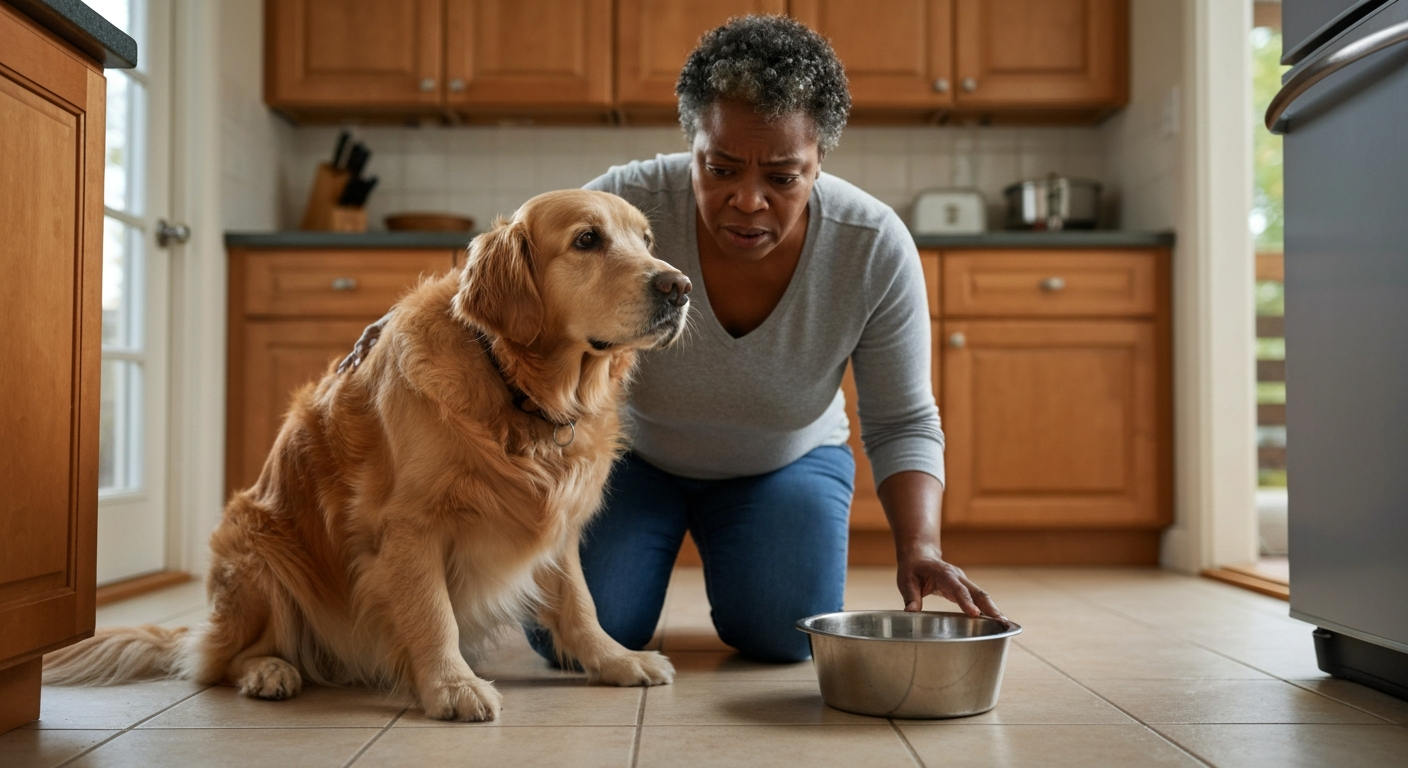

A dog that stops drinking water is usually responding to a change in environment, diet, health, or emotional state — and while some causes are harmless (like getting moisture from wet food), others signal illness that needs veterinary attention within 24 hours.
Dogs typically drink around one ounce of water per pound of body weight daily. When your dog suddenly loses interest in the water bowl but continues eating normally, it can feel confusing and worrying. The good news: most cases have straightforward explanations and simple fixes. This guide walks you through the common reasons dogs stop drinking, how to tell if it's serious, and exactly when to call your vet.
A healthy dog needs approximately 0.5 to 1 ounce of water per pound of body weight each day — meaning a 50-pound dog should drink roughly 25 to 50 ounces (3 to 6 cups) daily.
Several factors shift this baseline up or down:
| Factor | Effect on Water Intake |
|---|---|
| Hot weather or exercise | Increases need by 50–100% |
| Wet food diet | Decreases drinking (food is 70–80% water) |
| Dry kibble diet | Increases drinking |
| Nursing mothers | Need 2–3x normal intake |
| Puppies | Drink more frequently in smaller amounts |
| Senior dogs | May drink more due to kidney changes |
If your dog is eating wet food and drinking less, that's often completely normal — they're getting hydration from their meals. But a dog on dry kibble who suddenly ignores the water bowl warrants closer attention.
When a dog continues eating but refuses water, the cause is typically either a change in their water source, pain when drinking, underlying illness, or sufficient hydration from food moisture.
This specific pattern — eating normally but not drinking — often points to localized issues with the mouth or throat, or simply that your dog is getting water from another source you haven't noticed.
Dogs have remarkably sensitive noses. A new bowl, different water treatment chemicals in your tap water, or even a bowl that's been washed with a new detergent can make water seem "off" to your dog. Some dogs refuse water from plastic bowls entirely because they can taste or smell the material.
Before worrying, check whether your dog has found an alternative water source: a toilet with the lid left up, a dripping outdoor faucet, puddles in the yard, or even the other pet's bowl. Dogs are resourceful and may simply prefer a different source.
Dental disease, broken teeth, oral tumors, or injuries to the tongue or gums can make the act of lapping water painful. Eating kibble requires different mouth movements than drinking, which is why a dog might eat with mild mouth pain but avoid the water bowl.
"Periodontal disease is the most common clinical condition occurring in adult dogs, with most dogs showing early evidence of disease by age 3." — American Veterinary Dental College
Signs of mouth pain include:
- Dropping food while eating
- Chewing on one side
- Pawing at the face
- Bad breath beyond normal "dog breath"
- Red or swollen gums
Several health conditions suppress thirst or make drinking uncomfortable, including infections, kidney disease, urinary tract problems, and gastrointestinal issues.
UTIs can actually go either direction — some dogs drink excessively, while others reduce intake because they associate drinking with the discomfort of urination. Watch for:
- Straining to urinate
- Frequent urination with little output
- Blood in urine
- Licking the genital area
- Accidents in housetrained dogs
In early kidney disease, dogs often drink more to compensate for kidneys that can't concentrate urine properly. But as the disease progresses or causes nausea, water intake can drop. This is especially relevant for senior dogs.
Nausea from any source — whether from eating something disagreeable, pancreatitis, or other GI issues — can suppress both appetite and thirst. However, if your dog is eating normally, nausea is less likely to be the primary cause.
Infections can cause lethargy and reduced interest in normal activities, including drinking. Feel your dog's ears and nose — while not perfectly reliable, unusually warm ears or a hot, dry nose can suggest fever.
Stress, anxiety, changes in routine, unfamiliar environments, and weather shifts commonly cause temporary drops in water consumption.
Dogs are creatures of habit. New family members, recent moves, construction noise, a new pet, or even rearranged furniture can create anxiety that suppresses normal behaviors like drinking. This stress response usually resolves within a few days as your dog adjusts.
Many dogs drink significantly less in unfamiliar environments. The stress of travel, new smells, and disrupted routines can suppress thirst for several days after returning home.
As temperatures drop, dogs naturally need less water. A dog who drank enthusiastically during summer may show much less interest in fall and winter. This is normal physiology, not a medical concern — as long as they're still drinking some water daily.
Dogs may avoid drinking if the bowl is in a high-traffic area where they feel vulnerable, near a noisy appliance, or too close to their food (some dogs prefer separation). An older dog with arthritis might avoid a bowl that requires walking down stairs.
Also Read: Why Is My Frenchie Throwing Up? 9 Causes & What to Do
Increasing water palatability, adjusting bowl placement, adding moisture to food, and making drinking a positive experience can help restore normal hydration habits.
Try these strategies:
"Dogs lose water daily through panting, breathing, urination, defecation, and evaporation through their paws. Dehydration occurs when fluid loss exceeds fluid intake." — American Kennel Club Canine Health Foundation
Dehydration warning signs include loss of skin elasticity, dry or sticky gums, sunken eyes, lethargy, and dark yellow urine.
The skin elasticity test (also called "tenting") is the most reliable home check:
Other dehydration indicators:
| Sign | What to Look For |
|---|---|
| Gums | Dry, tacky, or pale instead of moist and pink |
| Eyes | Sunken appearance |
| Energy | Unusual lethargy or weakness |
| Urine | Dark yellow, strong-smelling, or reduced frequency |
| Nose | Dry and cracked |
| Panting | Excessive panting without exertion |
Mild dehydration can often be corrected at home with encouraged drinking. Moderate to severe dehydration is a medical emergency requiring IV fluids.
Seek veterinary care within 24 hours if your dog hasn't drunk any water in 24 hours, shows signs of dehydration, has other symptoms like vomiting or lethargy, or is a puppy, senior, or has pre-existing health conditions.
| 🐾Find a Vet |
Find a specialist vet near you VetClinic.info is a free directory of board-certified specialist vets across the US — find an orthopedic surgeon, oncologist, neurologist, or emergency clinic near you in seconds. Find Near You → |
Call your vet immediately if you notice:
Your vet will likely perform blood work to check kidney function and hydration status, examine the mouth for dental disease, and may recommend imaging if an obstruction or tumor is suspected.
| ✓Our Pick |
Petcube Emergency Fund — $3,000 coverage for unexpected vet bills A well-reviewed choice that delivers real results — worth every penny for anyone dealing with this. Learn More → |
A dog not drinking water but still eating usually isn't an emergency, but it deserves attention within 24 hours if it persists. Common causes include water source changes, mouth pain, wet food providing hydration, stress, and cooler weather. Check for dehydration using the skin elasticity test and monitor for additional symptoms like vomiting, lethargy, or loss of appetite. When in doubt — especially with puppies, seniors, or dogs with health conditions — contact your vet rather than waiting to see if things improve on their own.
This pattern often indicates the problem is specific to drinking rather than general illness. The most common explanations are: your dog is getting enough moisture from wet food or treats, something about the water itself is unappealing (bowl, location, or taste), or drinking is uncomfortable due to dental issues. If your dog's energy and behavior are otherwise normal and this has only lasted a day or two, try the troubleshooting steps above before worrying.
Most healthy adult dogs can survive about 72 hours without water, but serious health consequences begin at 24 hours. Dehydration affects kidney function, blood pressure, and organ health. Don't use "survival time" as a guideline — if your dog hasn't drunk water in 24 hours, contact your vet. Puppies, seniors, and sick dogs become dangerously dehydrated much faster.
Never force water into your dog's mouth — this risks aspiration (water entering the lungs) which can cause pneumonia. Instead, make water more appealing through the methods described above: flavor with broth, offer ice cubes, try a different bowl or location, or add water to food. If your dog absolutely refuses all liquids and shows dehydration signs, your vet can provide subcutaneous or IV fluids safely.
Yes. Stress and anxiety commonly suppress normal eating and drinking behaviors in dogs. Recent moves, new family members or pets, loud noises (construction, fireworks), travel, boarding, or changes in routine can all trigger temporary water refusal. Most anxious dogs resume normal drinking within 2–3 days as they adjust. Maintaining other routines and providing a calm environment helps.
Possibly. Wet food contains 70–80% moisture compared to dry kibble's 10%. A dog eating exclusively wet food may naturally drink significantly less from their bowl while remaining adequately hydrated. Watch for signs of dehydration rather than focusing solely on how often you see them at the water bowl. If their gums are moist, skin elasticity is normal, and energy levels are good, they're likely fine.
Reviewed and Updated on June 1, 2026 by George Wright