Sleep


Your smile probably isn't as ugly as you think — but if something genuinely bothers you, the cause is usually identifiable and often fixable, whether it's tooth color, alignment, gum appearance, or simply how you hold your face when you smile.
Most people who search "why is my smile so ugly" are experiencing a disconnect between how they look in photos or mirrors and how they imagine themselves. Research shows we're all harsher critics of our own appearance than others are. That said, there are real, objective factors that can make a smile less appealing — stained or discolored teeth, crooked alignment, gummy smiles, asymmetry, or an unnatural expression when posing. The good news: nearly every one of these has a practical solution in 2026, from at-home whitening to orthodontics to simply learning how to smile more naturally.
| ✓Our Pick |
At-home teeth whitening kit for a brighter smile A well-reviewed choice that delivers real results — worth every penny for anyone dealing with this. See on Amazon → |
| ✓Our Pick |
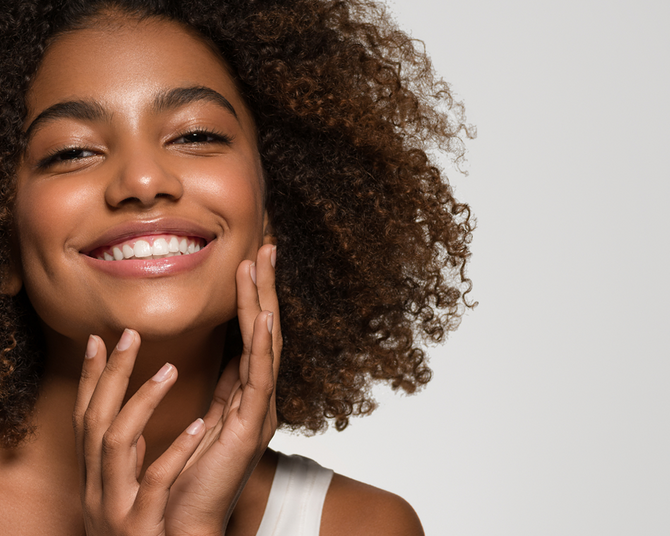 |
SNOW whitening system — sensitive-safe formula, 5 shades whiter, trusted by 2.4M+ customers Great value for money — this product tackles the root cause rather than just masking the symptoms. Learn More → |
The features that make smiles appear less attractive are surprisingly consistent across cultures: yellowed or stained teeth, visible misalignment, excessive gum tissue showing, asymmetry, and a forced or awkward expression.
These aren't arbitrary preferences. Studies in dental aesthetics have identified specific proportions and characteristics that humans universally find appealing in smiles. When one or more of these elements is off, your brain registers something as "wrong" — even if you can't articulate exactly what it is.
| Feature | What Looks Appealing | What Can Look "Off" |
|---|---|---|
| Tooth color | Bright, consistent shade | Yellow, gray, or uneven coloring |
| Alignment | Teeth follow the curve of lower lip | Crooked, overlapping, or gapped |
| Gum display | 1-2mm of gum visible when smiling | More than 3-4mm ("gummy smile") |
| Symmetry | Both sides roughly mirror each other | One side higher or lips pulling unevenly |
| Expression | Eyes engaged, relaxed muscles | Eyes dead, mouth stiff, forced look |
Understanding which category your concern falls into is the first step toward addressing it.
What you see in photos and mirrors often doesn't match reality — and there's science behind why you might perceive your smile as uglier than it actually is.
When you look at yourself in a mirror, you see a reversed image. You've grown accustomed to that version of your face. When you see a photograph — which shows you as others actually see you — the subtle asymmetries look jarring because they're flipped from what you expect.
"People tend to prefer their mirror image over their true image, while others prefer the true image. This is a well-documented phenomenon related to the mere-exposure effect." — Dr. Nicholas Epley, behavioral scientist at the University of Chicago Booth School of Business
This explains why you might cringe at every photo while your friends insist you look fine. You're literally seeing a different version of yourself than they are — and the unfamiliar version always looks stranger to you.
Additionally, when you smile for a camera, you're often conscious of being photographed. That awareness creates tension in your facial muscles, producing a stiff or forced expression that genuinely does look less attractive than your natural smile.
Also Read: Why Is My Teeth Yellow Even Though I Brush? 7 Causes & Fixes
Yellow, gray, or brown teeth are the single most common reason people feel their smile looks unattractive — and they're also one of the easiest issues to fix.
Tooth color comes from two sources: intrinsic staining (inside the tooth structure) and extrinsic staining (on the surface). Coffee, tea, red wine, and tobacco cause surface stains that build up over time. Certain medications, excessive fluoride during childhood, or aging can cause deeper internal discoloration.
The natural color of teeth varies between individuals, and perfectly white teeth aren't actually the biological norm. However, if your teeth have noticeably darkened or yellowed compared to how they used to look, whitening treatments can often restore a brighter shade.
Over-the-counter whitening strips and LED kits work well for surface stains. Professional treatments at a dentist's office can address deeper discoloration. For severely stained teeth that don't respond to bleaching, veneers or bonding may be options worth discussing with a dentist.
Also Read: Why Is My Tooth Grey? 6 Causes & Treatment Options
Teeth that are crowded, gapped, or visibly crooked can make you self-conscious — but alignment issues range from mild (cosmetic concern only) to severe (affecting bite function).
Minor crookedness is extremely common and often goes unnoticed by others. However, if your teeth overlap significantly, protrude forward, or have large gaps, these features tend to draw attention when you smile.
Traditional braces remain the most effective treatment for severe misalignment. For mild to moderate cases, clear aligners have become a popular option in 2026, with both in-office and at-home versions available.
"Clear aligner therapy has expanded access to orthodontic treatment, but patients should understand that complex cases still require professional supervision and traditional mechanics." — American Association of Orthodontists
If you're considering aligners, a consultation with an orthodontist can help determine whether your case is suitable for at-home treatment or requires more intensive intervention.
Showing more than 3-4mm of gum tissue when you smile — often called a "gummy smile" — is perceived as less attractive in research, but it's also very treatable.
A gummy smile can result from several factors: excessive gum tissue covering the teeth, a short upper lip that rises high when you smile, teeth that appear short because they haven't fully erupted, or an upper jaw that's positioned lower than normal.
Treatment depends on the cause:
For many people with mild gummy smiles, simply being aware of the issue allows them to consciously control their smile — pulling back slightly rather than grinning fully.
Perfect facial symmetry doesn't exist in nature, but noticeable asymmetry — one side of your mouth rising higher or pulling differently — can make smiles look unbalanced.
Mild asymmetry is normal and usually unnoticeable. However, if one side of your face appears significantly different from the other when you smile, potential causes include:
Minor asymmetry often improves by consciously practicing your smile in a mirror, training the muscles on both sides to engage equally. More significant asymmetry may require evaluation by a dentist or physician to rule out underlying causes.
A genuine smile engages your eyes (called a Duchenne smile), while a forced camera smile uses only your mouth — and humans can instinctively tell the difference.
If your smile looks "fake" or uncomfortable in photos, the issue probably isn't your teeth or face structure at all. It's the expression itself.
Here's how to smile more naturally on camera:
Many people who hate their smile in photos actually have perfectly attractive smiles — they've just never learned how to replicate their natural expression when they know a camera is pointed at them.
If you spend significant time each day worrying about your smile, avoid social situations because of it, or feel distressed when you see your reflection, this may be more than ordinary self-consciousness.
Body dysmorphic disorder (BDD) is a condition where people become fixated on perceived flaws that others don't notice or consider minor. Dental concerns are a common focus of BDD.
Warning signs that your concerns may exceed normal self-criticism:
If this sounds familiar, speaking with a mental health professional may be more helpful than pursuing dental procedures. Cognitive behavioral therapy has strong evidence for treating appearance-related anxiety.
Also Read: Why Is My Tooth Black? 8 Causes & What to Do
Small improvements in oral care, habits, and how you hold your face can noticeably enhance your smile without any procedures.
| Change | What It Addresses | Time to See Results |
|---|---|---|
| Whitening toothpaste | Surface stains | 2-4 weeks |
| Electric toothbrush | Plaque buildup, gum health | 2 weeks |
| Whitening strips | Deeper stains | 1-2 weeks |
| Lip balm/hydration | Dry, cracked lips around smile | Immediate |
| Smile practice | Awkward expression | 1-2 weeks |
| Professional cleaning | Tartar, stubborn stains | Immediate |
Starting with the simplest interventions first makes sense — you might be surprised how much a professional cleaning and a week of whitening strips changes your perception of your smile.
Also Read: Why Is My Teeth Sensitive to Cold? 8 Causes & Fixes
Your smile is almost certainly more attractive to others than it appears to you — the mere-exposure effect and photo/mirror reversal create a harsher self-perception than reality. If specific features genuinely bother you, the most common issues (discoloration, misalignment, gummy display, awkward expression) all have proven solutions ranging from at-home whitening to orthodontics. Start with the simplest fixes, be honest about whether your concerns are proportional, and remember that a natural, relaxed smile always looks better than a technically "perfect" one held stiffly.
Mirrors show a reversed image of your face, which is what you're used to seeing. Photos show your face as others actually see it — with all the asymmetries flipped from your expectations. This unfamiliarity makes your true image look "wrong" to you, even though it's how everyone else has always seen you. Camera angle, lens distortion, and lighting also affect how photos render facial features.
Yes, depending on the issue. Tooth discoloration responds to whitening treatments. Awkward expressions improve with practice. Minor chips can be fixed with dental bonding. Gummy smiles may improve with Botox. However, significant misalignment or structural jaw issues typically require orthodontics or surgical intervention for meaningful correction.
You're more critical of your own appearance than others are — this is well-documented psychology. You also focus on specific features that bother you, while others see your face holistically. Additionally, you've seen your face thousands more times than anyone else has, so you notice changes and imperfections that simply don't register to people who see you less frequently.
Yes. People who smile frequently develop more natural, relaxed expressions when they do smile. Practice also builds the specific facial muscles involved in smiling, which can make the expression more balanced over time. A smile you give often becomes easier and more genuine-looking than one you rarely use and feel awkward producing.
See a dentist if you have functional concerns (pain, difficulty chewing, tooth decay) alongside cosmetic ones, or if you're considering procedures like veneers, bonding, or whitening treatments. A cosmetic dentistry consultation can help you understand which issues are treatable, what realistic outcomes look like, and whether your concerns warrant professional intervention or are primarily perceptual.
Reviewed and Updated on June 16, 2026 by George Wright