Sleep
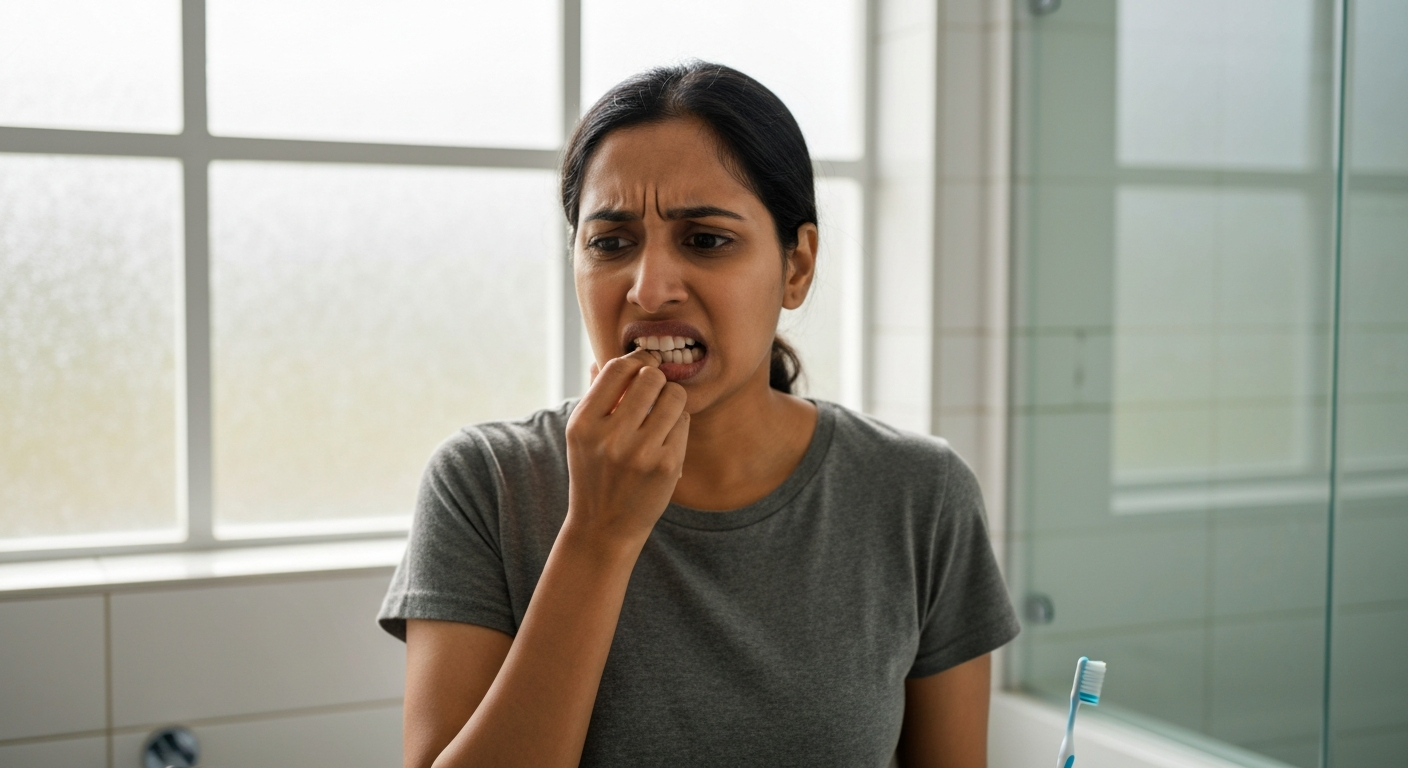

Brushing twice a day removes surface plaque and food debris, but it cannot change the natural color of your enamel, reverse years of staining compounds absorbed into your teeth, or undo thinning enamel that reveals the yellowish dentin underneath.
Your toothbrush is designed to prevent cavities and gum disease — not to bleach stains or rebuild enamel. The yellow you see may be intrinsic (from inside the tooth structure), extrinsic (surface stains that have penetrated beyond what brushing reaches), or simply your natural tooth shade showing through as enamel wears down with age. Understanding which type you're dealing with determines whether whitening products, dietary changes, or professional treatment will actually make a difference.
| ✓Our Pick |
Whitening toothpaste for stubborn yellow stains This is what many people find solves the problem quickly, without a costly professional visit. See on Amazon → |
| ✓Our Pick |
SNOW whitening system — sensitive-safe formula, 5 shades whiter, trusted by 2.4M+ customers Great value for money — this product tackles the root cause rather than just masking the symptoms. Learn More → |
Your toothbrush mechanically scrubs away soft plaque and food particles sitting on the enamel surface, but it lacks the chemical power to break down pigment molecules that have bonded to your tooth structure over time.
Think of your teeth like a white cotton shirt. Brushing is like rinsing the shirt under water — it removes loose dirt and prevents new stains from setting. But once coffee or wine has soaked into the fabric fibers, water alone won't pull those pigments back out. You need a bleaching agent.
Toothpaste contains mild abrasives (silica, calcium carbonate) that polish surface stains and whitening agents like hydrogen peroxide or baking soda. However, these concentrations are too low to penetrate enamel and break down deep stains. Over-the-counter whitening toothpastes typically contain 1-2% hydrogen peroxide. Professional whitening treatments use 15-40% concentrations — a tenfold difference in bleaching power.
"Whitening toothpastes can remove surface stains, but they cannot change the intrinsic color of teeth. For significant whitening, products with higher concentrations of peroxide are needed." — American Dental Association
The thickness and translucency of your enamel is largely genetic — and thinner enamel reveals more of the naturally yellow dentin layer beneath it.
Enamel is the white outer shell of your tooth. Dentin, the layer underneath, is naturally yellow to grayish in color. Some people inherit thicker, more opaque enamel that masks the dentin completely. Others have thinner or more translucent enamel from birth, meaning their teeth appear yellower even when perfectly healthy.
No amount of brushing changes enamel thickness. This is structural, not a hygiene issue.
Chromogens — the pigment compounds in dark beverages — bind to tooth enamel proteins and accumulate over years, creating stains that sit beneath the surface layer your toothbrush can reach.
Coffee drinkers who consume 2-3 cups daily for a decade have absorbed thousands of exposures worth of tannins and chromogens into their enamel. These stains are not sitting on top of your teeth like dust on a shelf. They have chemically bonded into the enamel matrix.
The same applies to:
- Black tea (higher in tannins than coffee)
- Red wine
- Cola and dark sodas
- Berries and beet juice
- Soy sauce and balsamic vinegar
Brushing immediately after consuming these can actually worsen the problem. Acidic beverages temporarily soften enamel, and brushing abraded enamel drives pigments deeper.
Tar and nicotine from smoking or chewing tobacco create some of the most stubborn stains in dentistry — nicotine turns yellow when it contacts oxygen, and tar is naturally dark brown.
These compounds don't just coat your teeth. They seep into microscopic cracks and pores in the enamel. Heavy smokers often have staining that no whitening toothpaste can address. Even smokeless tobacco users develop yellow-brown staining concentrated around the gums where the product sits.
Quitting tobacco stops new staining but doesn't reverse existing discoloration. That requires professional intervention.
Antibiotics, antihistamines, blood pressure medications, and certain mouthwashes can cause intrinsic staining that originates from inside the tooth — completely unreachable by brushing.
Tetracycline antibiotics are the most notorious culprit. If you took tetracycline or doxycycline during childhood (before age 8), the medication may have incorporated into your developing teeth, causing permanent gray-yellow banding. This staining is inside the dentin itself.
Other medications linked to tooth discoloration:
- Antihistamines (Benadryl)
- Antipsychotics
- High blood pressure medications
- Chlorhexidine mouthwash (brown staining with long-term use)
- Excess fluoride during childhood (fluorosis — white or brown spots)
These stains don't respond to surface brushing or even most over-the-counter whitening products.
Enamel wears down approximately 0.1mm per decade with normal use — and as it thins, more of the yellow dentin shows through.
This is universal. Even people with excellent oral hygiene notice their teeth yellowing in their 40s, 50s, and beyond. It's not a sign of poor brushing habits. It's a natural consequence of decades of chewing, acid exposure, and wear.
Simultaneously, dentin itself darkens with age. The combination of thinner enamel plus darker dentin creates a compounding yellowing effect that brushing cannot address.
Calcium, phosphorus, and vitamin D deficiencies can weaken enamel formation and accelerate wear — leading to faster yellowing over time.
Strong enamel requires adequate minerals during formation (childhood and adolescence) and ongoing maintenance nutrients throughout life. Diets high in acid (citrus, soda, vinegar) and low in calcium accelerate enamel erosion.
Once enamel is gone, it doesn't regenerate. Brushing protects what remains but cannot rebuild what's lost.
Aggressive brushing, hard-bristled brushes, and horizontal scrubbing motions can actually thin enamel faster — making teeth appear more yellow, not less.
The American Dental Association recommends soft-bristled brushes and gentle circular or vertical strokes. Pressing harder doesn't clean better. It erodes enamel, especially at the gum line where enamel is thinnest.
If you've been brushing hard for years, you may have accelerated the very yellowing you're trying to prevent.
Also Read: Why Is My Teeth Sensitive to Cold? 8 Causes & Fixes
A white coating on your tongue despite brushing typically indicates an overgrowth of bacteria, dead cells, or debris trapped in the papillae (tiny bumps) — conditions that require more than surface brushing to resolve.
Your tongue's surface isn't smooth. It's covered in small projections that trap food particles, bacteria, and dead epithelial cells. When this debris accumulates faster than your brushing removes it, the tongue appears white.
Common causes of persistent white tongue:
| Cause | What's Happening | Solution |
|---|---|---|
| Poor hydration | Dry mouth allows bacterial overgrowth | Increase water intake |
| Oral thrush | Candida fungal overgrowth | Antifungal medication (see dentist) |
| Smoking | Irritation and bacterial imbalance | Quit tobacco |
| Mouth breathing | Dries out oral tissues overnight | Address nasal congestion or sleep apnea |
| Alcohol-based mouthwash | Dries mouth, disrupts oral biome | Switch to alcohol-free mouthwash |
| Geographic tongue | Benign condition with patchy white/red areas | No treatment needed |
| Leukoplakia | White patches from chronic irritation | Dental evaluation required |
If your tongue stays white despite daily brushing with a tongue scraper, you may need to address an underlying cause rather than scrub harder.
"White tongue is usually harmless and temporary, but persistent white patches that cannot be scraped off should be evaluated by a dentist to rule out leukoplakia or oral thrush." — Mayo Clinic
Also Read: Why Is My Mouth Tasting Bitter? 7 Causes & Quick Fixes
Surface stains respond to whitening toothpastes and strips; deeper stains require peroxide-based treatments; intrinsic staining often needs professional bleaching or veneers.
Here's what works for each stain type:
| Stain Type | Examples | Effective Treatment |
|---|---|---|
| Surface (extrinsic) | Coffee, tea, wine surface film | Whitening toothpaste, professional cleaning |
| Absorbed extrinsic | Years of coffee/tobacco staining | Whitening strips, trays, professional bleaching |
| Intrinsic | Tetracycline, fluorosis, aging | In-office bleaching, veneers, bonding |
| Structural | Thin enamel, dark dentin | Veneers or crowns |
Whitening strips and trays with 10% carbamide peroxide or 3-6% hydrogen peroxide can lighten teeth 1-3 shades over 2-4 weeks. These work on absorbed extrinsic stains but won't touch intrinsic discoloration.
In-office bleaching uses 25-40% hydrogen peroxide with heat or light activation. Results are immediate and can lighten teeth 3-8 shades in a single session. Custom take-home trays from your dentist use lower concentrations over longer periods for gradual whitening.
For severe intrinsic staining (tetracycline bands, severe fluorosis), porcelain veneers may be the only option that provides a uniformly white result.
| ✓Our Pick |
Whitening strips for deep stains You'll wonder why you didn't try this sooner — practical, well-reviewed, and easy to get started. See on Amazon → |
Yellow teeth alone are usually cosmetic, but yellowing combined with sensitivity, pain, or visible damage may indicate enamel erosion, decay, or other conditions requiring treatment.
See a dentist if your yellow teeth also involve:
- Increased sensitivity to hot, cold, or sweet
- Visible pitting, chips, or rough texture
- Dark spots or lines that don't respond to whitening
- Gum recession exposing darker root surfaces
- Sudden yellowing of one tooth (may indicate dying nerve)
A single tooth turning yellow while others stay lighter often signals internal damage. Trauma or decay can kill the pulp inside, causing the tooth to darken from within. This requires root canal treatment, not whitening.
Also Read: Why Is My Tooth Grey? 6 Causes & Treatment Options
Yellow teeth despite daily brushing happens because brushing prevents cavities and gum disease — it doesn't bleach stains or rebuild enamel. The yellowing you see is likely from staining compounds absorbed into enamel over years, naturally thin enamel revealing yellow dentin underneath, age-related enamel wear, medications, or genetics. Whitening requires peroxide-based products or professional treatments that go beyond what any toothbrush can accomplish. White tongue after brushing usually indicates trapped debris, dehydration, or conditions like thrush that need addressing at the source, not just surface scrubbing.
A white coating persists because the papillae on your tongue trap bacteria, dead cells, and debris in their tiny crevices. Surface brushing may not reach this buildup, especially if you're dehydrated, breathe through your mouth at night, or use alcohol-based mouthwash that dries out tissues. Using a dedicated tongue scraper, staying hydrated, and addressing any underlying conditions like oral thrush will be more effective than brushing alone.
Daily brushing prevents plaque buildup and cavities but cannot reverse stains that have penetrated into your enamel or change your natural tooth color. Staining compounds from coffee, tea, wine, and tobacco bond chemically to enamel proteins over time. Aging also thins enamel, revealing more of the naturally yellow dentin beneath. Whitening requires peroxide-based products that bleach these stains — something regular toothpaste isn't designed to do.
Whitening toothpaste can remove some surface stains through mild abrasives and low concentrations of peroxide or other whitening agents. However, the results are modest — typically one shade lighter over several weeks. For deeper stains or significant whitening, you'll need strips, trays, or professional treatments with higher peroxide concentrations that can penetrate enamel.
Yes. Enamel wears down approximately 0.1mm per decade through normal chewing and acid exposure. As this white outer layer thins, more of the naturally yellow dentin shows through. Dentin itself also darkens with age. This is a universal process that happens even with excellent oral hygiene — it's structural aging, not a brushing failure.
If your concern is purely cosmetic and your teeth are otherwise healthy, a dentist can discuss whitening options but there's no urgent need. However, see a dentist promptly if yellowing is accompanied by sensitivity, pain, visible damage, sudden color change in one tooth, or white patches on your tongue that won't scrape off. These may signal decay, a dying nerve, enamel erosion, or oral conditions requiring treatment.
Reviewed and Updated on June 16, 2026 by George Wright