Sleep


Your teeth are sensitive to cold because the protective enamel layer has worn thin or your gums have receded, exposing the underlying dentin and its microscopic nerve-connected tubules to temperature changes.
When cold liquids or air reach these exposed tubules, they trigger fluid movement that stimulates the nerve inside your tooth, causing that sharp, shooting pain. The good news: most cold sensitivity is reversible with the right combination of at-home care and professional treatment.
| ✓Our Pick |
Desensitizing toothpaste for sensitive teeth This is the go-to fix recommended by professionals — save time and money by getting it right the first time. See on Amazon → |
| ✓Our Pick |
SNOW whitening system — sensitive-safe formula, 5 shades whiter, trusted by 2.4M+ customers Great value for money — this product tackles the root cause rather than just masking the symptoms. Learn More → |
Underneath your tooth's enamel lies dentin, a porous layer containing thousands of tiny fluid-filled tubes called dentinal tubules that lead directly to the nerve center of your tooth.
When enamel wears away or gums pull back, these tubules become exposed to your mouth. Cold temperatures cause the fluid inside the tubules to contract rapidly. This fluid movement triggers nerve endings in the pulp (the innermost part of your tooth), sending a pain signal to your brain.
The sensation typically lasts only a few seconds after the cold stimulus is removed. That's how you can distinguish sensitivity from a deeper problem like infection. A tooth with an infected pulp often throbs continuously, while sensitivity pain stops almost immediately once the cold is gone.
"Dentin hypersensitivity is characterized by short, sharp pain arising from exposed dentin in response to stimuli, typically thermal, evaporative, tactile, osmotic or chemical, and which cannot be ascribed to any other dental defect or disease." — Canadian Advisory Board on Dentin Hypersensitivity at PubMed
| ✓Our Pick | ||
Triple Bristle — 3-headed sonic toothbrush cleans all surfaces simultaneously; use code SUMMERSMILE for 25% off Consistently earns five-star reviews — reliable, well-supported, and genuinely effective.
|
Enamel erosion is the most common cause of cold sensitivity in adults.
Acidic foods and drinks—citrus fruits, soda, wine, vinegar-based dressings—gradually dissolve enamel over time. Once enamel thins below a critical point, the dentin underneath loses its insulation. You'll often notice sensitivity across multiple teeth rather than just one.
Aggressive brushing wears away both enamel and gum tissue, creating a double pathway for sensitivity.
Hard-bristled toothbrushes and side-to-side scrubbing motions are the main culprits. You may notice V-shaped notches near the gumline on your teeth. These are called abfraction lesions. They're a telltale sign of mechanical damage from brushing.
When gums pull back from teeth, they expose the root surface, which has no enamel protection at all.
Tooth roots are covered only by cementum, a much thinner and softer layer than enamel. Gum recession can result from periodontal disease, aggressive brushing, genetics, or even orthodontic treatment. If you see more of your tooth than you used to, recession is likely contributing to your sensitivity.
Also Read: Why Is My Gum Detaching From My Tooth? 6 Causes & Fixes
Cavities that penetrate through enamel into dentin create direct pathways for cold to reach the nerve.
Early cavities may cause no symptoms at all. But once decay reaches dentin, cold sensitivity often appears first. If sensitivity is isolated to one specific tooth, a cavity is a strong possibility—especially if the pain lingers after the cold is removed.
Whitening products temporarily open dentinal tubules, making teeth highly reactive to cold during and after treatment.
Both professional and over-the-counter whitening agents contain peroxide, which penetrates enamel to break up stains. This process also increases tubule permeability. Sensitivity usually peaks 24–48 hours after whitening and resolves within a week or two.
"Tooth sensitivity is the most common side effect of vital tooth bleaching and is typically mild to moderate in severity and transient in nature." — American Dental Association at ADA.org
Cracks in teeth allow cold to penetrate directly to the dentin or pulp, often causing sharp, unpredictable pain.
Cracked tooth syndrome is tricky to diagnose because cracks don't always show up on X-rays. The pain may come and go. You might feel it when biting down or when releasing the bite. Cold sensitivity in one specific tooth that's hard to pinpoint often turns out to be a crack.
Also Read: Why Is My Teeth Cracking? 6 Causes & How to Stop It
Teeth grinding (bruxism) flattens and thins enamel, especially on the biting surfaces, leading to widespread cold sensitivity.
Many people grind their teeth during sleep without knowing it. Signs include morning jaw pain, headaches, and teeth that appear flat or worn on top. The chronic pressure also creates microcracks that worsen sensitivity.
Fillings, crowns, and deep cleanings can all trigger temporary cold sensitivity that resolves within a few weeks.
Dental work involves vibration, heat, and manipulation of tooth structure. This temporarily inflames the pulp. Post-procedure sensitivity is common and expected. However, if it persists beyond 4–6 weeks or gets worse, the nerve may have been damaged.
Also Read: Why Is My Tooth Sensitive After a Filling? 6 Causes & Fixes
| Cause | Typical Pattern | First-Line Solution |
|---|---|---|
| Enamel erosion | Multiple teeth, gradual onset | Desensitizing toothpaste, dietary changes |
| Aggressive brushing | Teeth near gumline, visible notches | Soft-bristle brush, gentle technique |
| Gum recession | Exposed root surfaces, visible gum loss | Professional treatment, grafting if severe |
| Cavities | Single tooth, may linger after cold | Filling or crown |
| Whitening | Multiple teeth, recent treatment | Pause whitening, use desensitizing gel |
| Cracked tooth | Single tooth, intermittent pain | Crown or extraction depending on severity |
| Teeth grinding | Multiple teeth, worn surfaces | Night guard |
| Recent dental work | Treated tooth, onset after procedure | Wait 4–6 weeks; see dentist if worsening |
Most mild to moderate cold sensitivity responds well to consistent at-home care over 2–4 weeks.
Start with a desensitizing toothpaste containing potassium nitrate or stannous fluoride. These ingredients block the dentinal tubules or calm the nerve. Use it twice daily and consider applying a thin layer directly to sensitive areas before bed—don't rinse it off.
Switch to a soft-bristled toothbrush and brush gently in small circles rather than back-and-forth. Hold the brush at a 45-degree angle to your gums. Electric toothbrushes with pressure sensors can help prevent over-brushing.
Cut back on acidic foods and drinks, or at minimum, rinse your mouth with plain water after consuming them. Don't brush immediately after eating acidic foods. Wait 30 minutes to allow your saliva to neutralize the acid first.
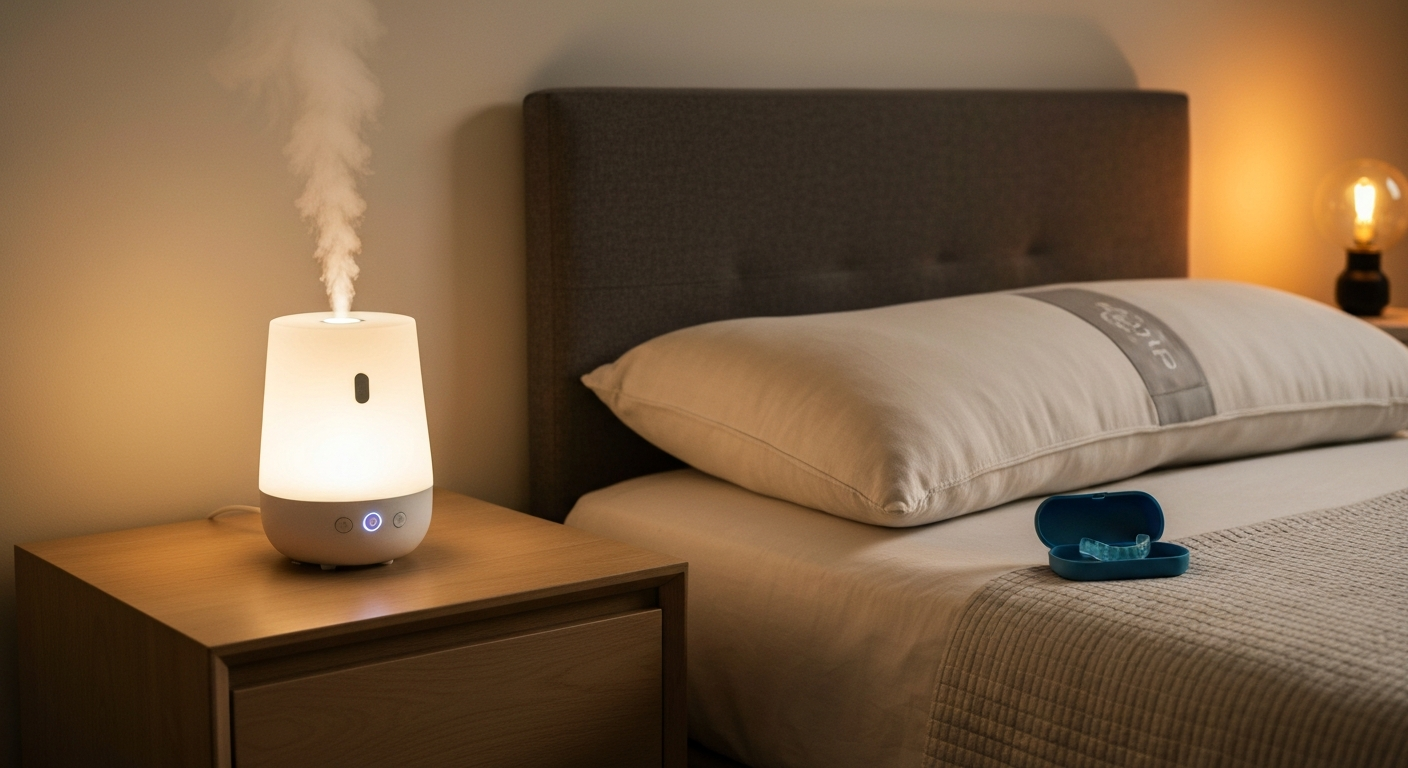
If you grind your teeth at night, an over-the-counter night guard can provide immediate protection while you arrange for a custom-fitted one from your dentist. Custom guards are more comfortable and durable.
| ✓Our Pick |
Night guards for teeth grinding This is the go-to fix recommended by professionals — save time and money by getting it right the first time. See on Amazon → |
If home remedies don't reduce sensitivity within 2–4 weeks, or if pain is severe, worsening, or isolated to one tooth, see a dentist.
Professional treatments include:
Your dentist will start with a thorough exam, possibly including X-rays and cold testing to isolate the problem. Don't delay if sensitivity is accompanied by swelling, fever, or continuous throbbing—these suggest infection.
Also Read: Why Is My Tooth Throbbing? 8 Causes & What to Do Now
Once you've addressed the underlying cause, preventing recurrence comes down to protecting enamel and gums every day.
Use fluoride toothpaste—even after sensitivity resolves. Fluoride strengthens enamel and makes it more resistant to acid attacks. Consider a fluoride mouthwash for additional protection.
See your dentist every six months for cleanings and checkups. Early detection of enamel wear, gum recession, or cavities prevents sensitivity from developing in the first place.
If you clench or grind, wear your night guard consistently. The forces generated during bruxism are enormous—far greater than normal chewing—and they silently erode enamel over years.
Cold-sensitive teeth happen when enamel wears thin or gums recede, exposing the dentin layer and its nerve-connected tubules to temperature changes. The most common causes are enamel erosion, aggressive brushing, gum recession, cavities, teeth grinding, and whitening treatments. Desensitizing toothpaste, a soft-bristle brush, and dietary changes resolve most cases within a few weeks. See a dentist if sensitivity persists, worsens, or affects only one tooth—professional treatments like fluoride varnish, bonding, or crowns can provide lasting relief.
Sudden cold sensitivity often signals a new cavity, a crack in a tooth, or recent enamel damage from acid exposure. It can also appear after dental work like fillings or cleanings. If multiple teeth become sensitive at once, you may have started a new whitening regimen or changed your diet to include more acidic foods. See a dentist if the sensitivity appeared overnight or is isolated to one specific tooth.
Yes, desensitizing toothpaste with potassium nitrate or stannous fluoride works for most people with mild to moderate sensitivity. Potassium nitrate calms the nerve inside the tooth, while stannous fluoride physically blocks the exposed tubules. You need to use it consistently for 2–4 weeks to see results. For faster relief, apply a small amount directly to sensitive areas and leave it on overnight.
Not usually. Cold sensitivity that disappears quickly after the stimulus is removed typically indicates exposed dentin, not pulp damage. However, if cold triggers pain that lingers for more than 30 seconds, or if the tooth also hurts with heat or pressure, the nerve may be inflamed or dying. A root canal becomes necessary when the pulp is irreversibly damaged.
Most cold sensitivity is reversible. Once you address the underlying cause—whether that's switching to a desensitizing toothpaste, treating a cavity, or getting a gum graft—sensitivity typically resolves within a few weeks to months. The exception is if significant enamel loss has already occurred; in that case, professional treatments like bonding or crowns may be needed for permanent relief.
You don't have to eliminate cold foods entirely, but you can modify how you consume them. Use a straw for cold beverages to bypass your teeth. Let ice cream warm slightly in your mouth before it touches sensitive areas. Avoiding the trigger while you treat the underlying cause can make the healing process more comfortable.
Reviewed and Updated on June 16, 2026 by George Wright