Sleep
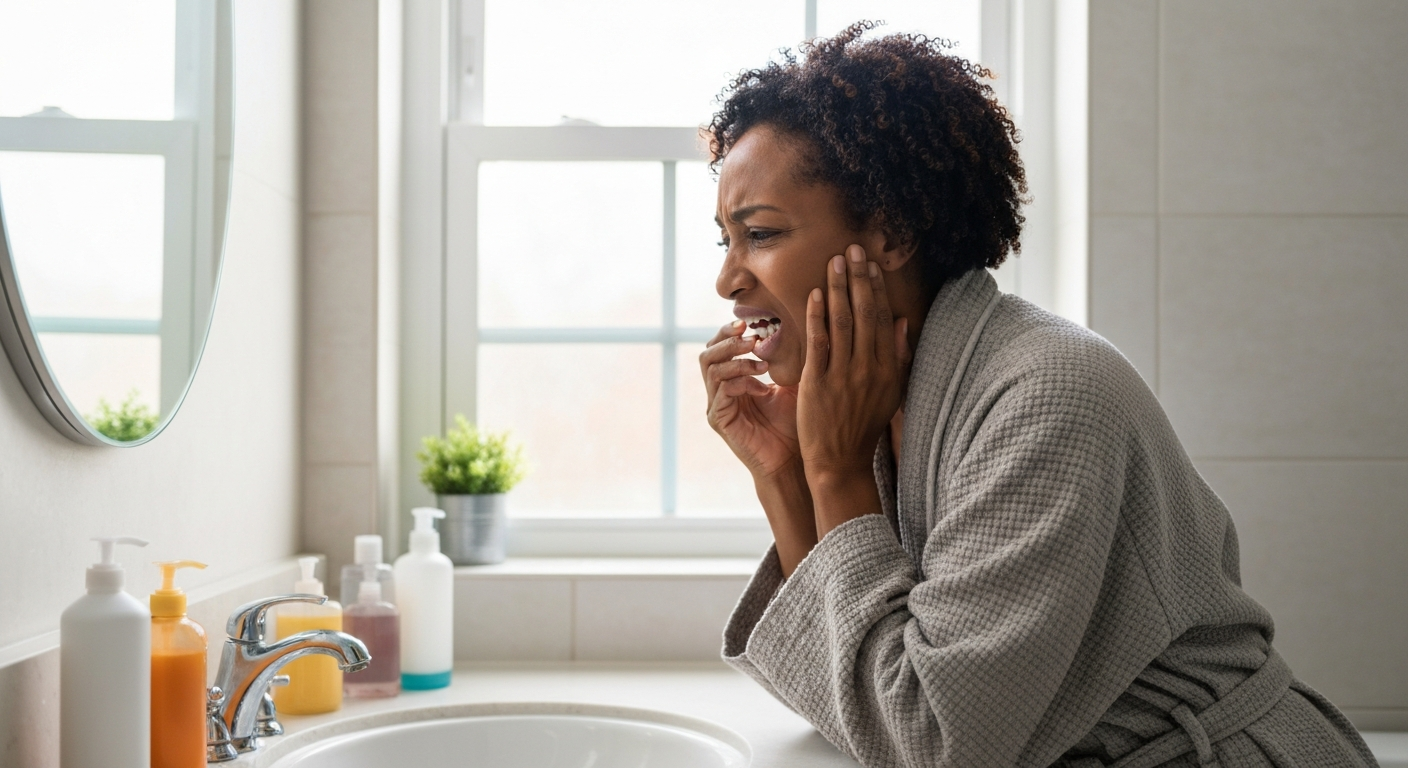

Yellow teeth happen because of staining from foods, drinks, and tobacco, natural enamel thinning that reveals darker dentin underneath, poor oral hygiene that lets plaque build up, certain medications, aging, or genetics that determine your tooth color from birth.
The good news is that most causes of yellow teeth are fixable—either at home or with professional help. Understanding exactly what's discoloring your teeth is the first step toward a whiter, more confident smile.
| ✓Our Pick |
Whitening toothpaste for yellow teeth A top-rated pick that works — readers who tried this reported noticeable improvement within days. See on Amazon → |
| ✓Our Pick |
SNOW whitening system — sensitive-safe formula, 5 shades whiter, trusted by 2.4M+ customers Great value for money — this product tackles the root cause rather than just masking the symptoms. Learn More → |
Yellow discoloration comes from two main sources: extrinsic stains that sit on the enamel surface, and intrinsic changes that happen inside the tooth structure itself.
Your teeth have two main layers that affect their color. The outer enamel is naturally white to bluish-white, while the inner dentin is yellow to brown. When enamel thins or stains accumulate, the yellow dentin becomes more visible, or surface stains make teeth look dingy.
Here's how the most common causes break down:
| Cause Type | What Happens | Reversible? |
|---|---|---|
| Extrinsic staining | Pigments from food, drinks, tobacco coat enamel surface | Yes, with whitening |
| Enamel erosion | Acids thin the protective layer, revealing dentin | Partially (can protect remaining enamel) |
| Intrinsic staining | Discoloration inside tooth from medications, trauma, or fluorosis | Harder—may need veneers |
| Plaque buildup | Bacterial film yellows and hardens into tarite | Yes, with cleaning |
| Natural aging | Enamel wears down over decades | Partially |
| Genetics | Some people have naturally thinner enamel or yellower dentin | Cosmetic options only |
Coffee is one of the worst offenders for surface staining. The tannins in coffee create a sticky residue that allows chromogens (color compounds) to attach to your enamel. Tea, red wine, and dark berries work the same way. Even healthy foods like blueberries and tomato sauce contain pigments that accumulate over time.
"Teeth can start to yellow in their 30s as enamel thins. Coffee, tea, red wine and smoking can also stain teeth over time." — American Dental Association
The acidity of these drinks makes things worse. Acidic beverages temporarily soften enamel, allowing stains to penetrate deeper.
Tobacco causes some of the most stubborn yellow-brown staining. Tar and nicotine seep into microscopic pores in your enamel. Nicotine itself is colorless, but it turns yellow when mixed with oxygen. Over years of smoking, these stains can become so deep that over-the-counter whitening products barely touch them.
The staining isn't permanent in the absolute sense—professional whitening and dental cleaning can help—but it's significantly harder to remove than food stains.
Also Read: Why Is My Teeth Yellow Even Though I Brush? 7 Causes & Fixes
Brushing removes plaque and surface debris, but it doesn't bleach away embedded stains or reverse enamel thinning—that's why teeth can stay yellow despite perfect hygiene.
Many people brush twice daily and still notice yellowing. This happens because:
If your enamel is thinning, you're essentially polishing a window that reveals yellow underneath. No amount of brushing changes the color of your dentin.
Aggressive brushing with a hard-bristled toothbrush wears away enamel over time. This creates a double problem: thinner enamel reveals more yellow dentin, and roughened enamel picks up stains more easily.
The American Dental Association recommends soft-bristled brushes and gentle pressure. If your toothbrush bristles splay outward within a few weeks, you're pressing too hard.
"Acid erosion causes enamel to thin and appear translucent, allowing the yellow dentin layer underneath to show through more prominently." — Academy of General Dentistry
Also Read: Why Is My Teeth See-Through? 6 Causes & How to Stop It
Certain medications, childhood illnesses, and dental conditions cause discoloration from inside the tooth that brushing and whitening can't easily fix.
Tetracycline antibiotics taken during childhood (before age 8) can cause permanent yellow, gray, or brown banding in teeth. This happens because the drug binds to calcium in developing teeth. The staining is intrinsic—it's inside the tooth structure, not on the surface.
Adults taking tetracycline don't experience this effect because their teeth are already fully formed. However, other medications can cause yellowing at any age:
Fluorosis happens when children consume too much fluoride during tooth development. Mild fluorosis causes faint white spots, but moderate to severe cases create yellow or brown staining. This is permanent because it affects the tooth structure itself.
In areas with naturally high fluoride in water, or when children swallow fluoride toothpaste regularly, fluorosis risk increases. The condition is purely cosmetic and doesn't affect tooth health.
Yes—natural aging thins enamel and darkens dentin, which is why teeth become yellower even with consistent dental care over decades.
Your enamel is at its thickest when teeth first emerge. Over 40, 50, or 60 years of chewing, brushing, and acid exposure, enamel gradually wears down. Meanwhile, dentin naturally darkens with age.
This combination means some yellowing is inevitable. A 60-year-old's teeth will never look like a 20-year-old's without cosmetic intervention—and that's completely normal.
The rate of age-related yellowing depends partly on genetics and partly on lifestyle. Someone who drinks coffee daily and brushes aggressively will show more yellowing than someone who avoids staining substances and uses gentle brushing technique.
Over-the-counter whitening products containing hydrogen peroxide or carbamide peroxide can lighten surface stains by 1–3 shades when used consistently for 2–4 weeks.
Home whitening works best for extrinsic staining from food, drinks, and tobacco. It's less effective for intrinsic discoloration from medications or enamel loss.
| Product Type | Active Ingredient | Typical Results | Time to See Change |
|---|---|---|---|
| Whitening toothpaste | Mild abrasives, low-concentration peroxide | 0.5–1 shade | 2–6 weeks |
| Whitening strips | 6–14% hydrogen peroxide | 1–3 shades | 1–2 weeks |
| Whitening trays | 10–22% carbamide peroxide | 2–4 shades | 2–4 weeks |
| LED whitening kits | Peroxide gel + light activation | 2–4 shades | 1–2 weeks |
Whitening toothpaste can remove surface stains slightly better than regular toothpaste, but it won't dramatically change your tooth color. These products work mainly through mild abrasives that polish stains away, plus small amounts of peroxide that provide minimal bleaching.
For noticeable results, you'll need a product that keeps peroxide in contact with your teeth for several minutes—strips, trays, or LED kits work better than toothpaste alone.
Baking soda is mildly abrasive and can help remove surface stains when used occasionally. However, daily use can damage enamel. Oil pulling (swishing coconut oil for 10–20 minutes) has anecdotal supporters but no strong clinical evidence for whitening effects.
Activated charcoal products have become popular, but dentists generally advise caution. The abrasiveness may remove stains temporarily while also scratching enamel, potentially making teeth more prone to future staining.
The safest natural approach is simply avoiding staining substances and rinsing with water immediately after consuming coffee, tea, or wine.
| ✓Our Pick |
Electric toothbrush for whiter teeth Trusted by professionals and everyday users alike — a smart investment that pays for itself. See on Amazon → |
Schedule a dental visit if yellowing appeared suddenly, affects only one tooth, comes with pain or sensitivity, or doesn't respond to over-the-counter whitening after 4 weeks.
Yellow teeth alone aren't a medical emergency, but sudden color changes can signal problems that need attention:
Professional whitening treatments use higher concentrations of bleaching agents than home products and can achieve more dramatic results. Dentists can also identify whether your yellowing is extrinsic (treatable with whitening) or intrinsic (may need veneers or bonding).
Also Read: Why Is My Tooth Orange? 7 Causes & How to Fix It
The most effective prevention combines limiting staining substances, protecting enamel from acid erosion, and maintaining regular dental cleanings every 6 months.
Once you've addressed existing yellowing, these habits help keep teeth whiter:
Professional cleanings remove tartar buildup that home brushing can't address. This hardened plaque often has a yellowish tint that makes teeth look dingy even between whitening treatments.
Yellow teeth usually result from surface stains (coffee, tea, tobacco), enamel thinning that reveals yellow dentin beneath, or a combination of both. Medications, excess fluoride, and genetics can also play a role. Most extrinsic staining responds well to over-the-counter whitening products containing hydrogen peroxide, while intrinsic discoloration may need professional treatment. The best prevention is limiting staining substances, protecting enamel from acid and abrasion, and keeping up with regular dental cleanings.
Yellowing at the gum line often indicates tartar buildup, which is hardened plaque that brushing can't remove. This area is also where enamel tends to be thinnest, so dentin shows through more easily. Receding gums can expose the tooth root, which is naturally yellow. A professional cleaning addresses tartar, while sensitivity toothpaste helps protect exposed areas.
Yes, most yellow teeth can be whitened significantly. Surface stains from food, drinks, and tobacco respond well to peroxide-based whitening products. Intrinsic staining from medications or trauma may need professional-strength bleaching or cosmetic options like veneers. Age-related yellowing improves with whitening but won't return teeth to childhood brightness.
Yellow teeth aren't necessarily unhealthy. Natural tooth color varies widely, and some people have genetically yellower dentin. However, yellowing from plaque buildup, decay, or enamel erosion does indicate dental issues that need attention. If yellowing comes with pain, sensitivity, or changes in only one tooth, see a dentist.
Professional whitening typically lasts 6 months to 2 years, depending on diet and habits. At-home whitening results usually fade faster—within 3–6 months. Touch-up treatments maintain results. People who drink coffee, tea, or wine daily will see faster re-staining than those who avoid these beverages.
Standard mouthwash doesn't whiten teeth—it kills bacteria and freshens breath. Whitening mouthwashes contain low concentrations of peroxide that provide minimal lightening at best. For actual whitening, products that keep peroxide in contact with teeth for several minutes (strips, trays) work much better than a 30-second rinse.
Reviewed and Updated on June 16, 2026 by George Wright