Technology
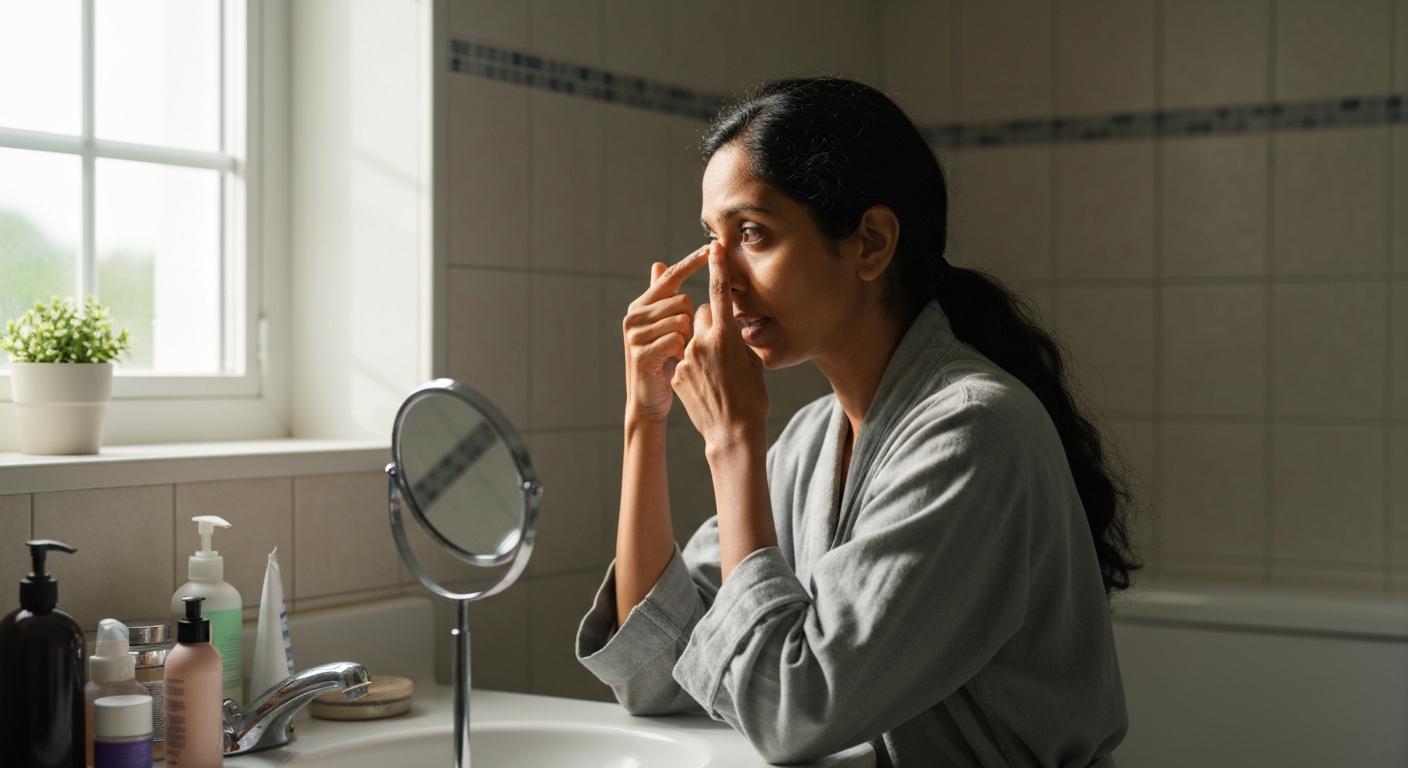

A puffy nose is usually caused by fluid retention, allergies, sinus inflammation, or skin conditions — and sometimes by a combination of all four working together. The delicate skin and blood vessels around your nose and eyes respond quickly to irritants, infections, and even how you slept last night. Most causes are harmless and resolve on their own, but persistent puffiness — especially when your eye is also swollen, red, or irritated — can signal something that needs attention.
| ✓Our Pick |
Anti-puffiness facial tools and cold compresses for swelling relief This is the go-to fix recommended by professionals — save time and money by getting it right the first time. See on Amazon → |
Your nose can swell for reasons ranging from seasonal allergies to sleeping face-down — and pinpointing the cause is the first step toward fixing it.
The nose has an intricate network of blood vessels and soft tissue that makes it particularly reactive to inflammation. When something triggers your immune system or disrupts normal fluid drainage, the nose often shows it first.
Allergic rhinitis — commonly called hay fever — remains one of the most frequent culprits behind nasal puffiness. When you inhale allergens like pollen, dust mites, pet dander, or mold spores, your immune system releases histamine. This chemical dilates blood vessels and increases permeability (allowing fluid to leak into surrounding tissue), which creates that characteristic swollen, stuffy appearance.
"Allergic rhinitis affects between 10 and 30 percent of the population worldwide." — World Allergy Organization
You'll often notice puffy eyes alongside a swollen nose during allergy season. The thin skin around your eyes and the nasal passages share lymphatic drainage pathways, so inflammation in one area frequently shows up in the other.
Sinusitis — inflammation of the sinus cavities — creates pressure and swelling that extends to the nose and surrounding facial tissue. Acute sinusitis from a cold or bacterial infection typically causes:
| Symptom | Duration | Appearance |
|---|---|---|
| Nasal congestion | 7–10 days (viral), 10+ days (bacterial) | Swollen bridge and sides of nose |
| Facial pressure | Worse when bending forward | Puffiness under eyes and around nose |
| Thick discharge | Yellow or green if bacterial | May cause skin irritation around nostrils |
| Low-grade fever | Present with infection | General facial flushing |
Chronic sinusitis lasts 12 weeks or longer and can cause persistent nasal puffiness that many people mistake for normal facial features.
Waking up with a puffy nose and swollen eyes is often simple fluid redistribution. When you lie flat for hours, gravity no longer pulls fluid toward your feet. Instead, it accumulates in your face — particularly around your nose and eyes where tissue is loosest.
This explains why your nose looks puffier in the morning and gradually improves throughout the day. Contributing factors include:
Rosacea is a chronic skin condition that causes redness, visible blood vessels, and in some cases, thickening of nasal tissue. Phymatous rosacea specifically affects the nose, causing it to appear enlarged, bumpy, and perpetually swollen.
"Rhinophyma, a subtype of rosacea, causes the nose to become enlarged and bulbous due to overgrowth of sebaceous glands." — American Academy of Dermatology
This condition develops gradually over years and is more common in men over 50. If you've noticed your nose slowly becoming puffier and redder over months or years, rosacea deserves consideration.
Also Read: Why Is My Face Red and Blotchy? 9 Causes & Fixes
Repeated nose-blowing, aggressive skincare application, or even habitual nose-rubbing can traumatize the delicate nasal tissue. This mechanical irritation causes localized inflammation that presents as puffiness, redness, and tenderness.
Common irritation sources include:
Emotional crying triggers a physiological cascade that often leaves your nose swollen and your eyes puffy. Tears contain stress hormones and other compounds that irritate surrounding tissue. Simultaneously, the increased blood flow to your face during crying causes vasodilation (blood vessel widening), which creates visible swelling.
The nose-eye connection becomes especially apparent after crying — lymphatic channels drain both areas, so congestion in one creates backup in the other.
Dry indoor air, air pollution, and temperature extremes can all trigger nasal inflammation. During winter months, heated indoor air drops to humidity levels below 30 percent, which dries and irritates nasal passages. Your body responds with increased mucus production and inflammation — both of which cause puffiness.
Also Read: Why Is My House So Dusty? 9 Causes & Proven Fixes
| ✓Quick Fix |
The Fastest Fix People Try for This Many readers dealing with this exact issue start with something like this before trying anything else. See on Amazon → |
Simultaneous nose and eye puffiness usually points to systemic inflammation — most commonly allergies, sinus problems, or infection — rather than isolated issues.
The anatomical relationship between your nose and eyes explains why they often swell together. They share:
When allergies affect both your nose and eyes simultaneously, doctors call it allergic rhinoconjunctivitis. Airborne allergens contact both mucous membranes, triggering histamine release in both locations. Symptoms include:
This combination affects approximately 40 percent of allergy sufferers and tends to be seasonal (spring and fall) or perennial (year-round from indoor allergens like dust mites).
If your eye swelling developed rapidly, involves significant redness, and comes with pain or fever, periorbital cellulitis requires immediate medical attention. This bacterial infection of the eyelid and surrounding skin can spread to the eye socket (orbital cellulitis) if untreated.
Warning signs that distinguish cellulitis from ordinary puffiness:
| Concerning Sign | What It Means |
|---|---|
| Fever over 100.4°F | Active infection |
| Severe pain with eye movement | Possible orbital involvement |
| Vision changes | Emergency — seek care immediately |
| Red, warm, tight skin | Bacterial inflammation spreading |
| Rapid onset (hours) | Infectious rather than allergic cause |
Redness combined with puffiness typically indicates active inflammation or infection — your blood vessels are dilated and fluid is leaking into tissue simultaneously.
Red, puffy eyes demand closer attention than simple puffiness alone. The redness signals increased blood flow, which usually means your body is actively fighting something.
Viral, bacterial, and allergic conjunctivitis all cause the classic red-and-puffy presentation. Viral conjunctivitis — the most common type — often accompanies upper respiratory infections and causes watery discharge with gritty discomfort.
Bacterial conjunctivitis produces thick, yellow-green discharge that crusts overnight. Allergic conjunctivitis causes intense itching that distinguishes it from infectious types.
Blepharitis (inflammation of the eyelid margins) and styes (infected oil glands) cause localized redness and swelling that can make the entire eye area appear puffy. These conditions often develop alongside nasal congestion because the same bacteria that colonize eyelids can spread to nasal passages.
"Blepharitis is a common and persistent inflammation of the eyelids. Symptoms include irritation, itching, and occasionally, a red eye." — National Eye Institute
Also Read: Why Is My Skin So Textured? 9 Causes & Fixes
Treatment depends on the underlying cause — allergies need antihistamines, infections may need antibiotics, and simple fluid retention responds to cold compresses and elevation.
For general puffiness without concerning symptoms:
For allergic causes, over-the-counter options include:
| Medication Type | Examples | Best For |
|---|---|---|
| Oral antihistamines | Cetirizine, loratadine, fexofenadine | Systemic symptoms (nose + eyes) |
| Nasal corticosteroid sprays | Fluticasone, triamcinolone | Nasal congestion and swelling |
| Antihistamine eye drops | Ketotifen, olopatadine | Eye-specific symptoms |
| Decongestant sprays | Oxymetazoline | Short-term relief (max 3 days) |
See a healthcare provider if you experience:
A puffy nose — often accompanied by swollen, red eyes — usually results from allergies, sinus inflammation, fluid retention, or chronic skin conditions like rosacea. The nose and eye area share blood supply and lymphatic drainage, which explains why they often swell together. Most cases respond to cold compresses, antihistamines, saline rinses, and lifestyle adjustments like reducing sodium and sleeping with your head elevated. However, rapid-onset swelling with fever, pain, or vision changes requires prompt medical evaluation to rule out infection.
Overnight fluid redistribution is the most common cause of morning eye puffiness. When you sleep flat, gravity can't pull fluid toward your lower body, so it pools in your face. High-sodium dinners, alcohol consumption, and sleeping face-down worsen this effect. Try sleeping with your head slightly elevated and reducing salt intake after 6 PM.
Yes, counterintuitively. When you're dehydrated, your body holds onto water to compensate, often storing it in facial tissue. This protective mechanism causes puffiness that resolves once you're properly hydrated. Aim for at least 64 ounces of water daily, more if you consume caffeine or alcohol.
Unilateral nasal swelling often indicates a localized issue like a blocked sinus, infected hair follicle, or nasal polyp on that side. A deviated septum can also cause one-sided congestion and swelling. If single-sided swelling persists for more than a week, see a doctor to rule out structural problems.
No, crying-related puffiness is temporary. The swelling results from increased blood flow and histamine release during emotional stress, both of which resolve within a few hours. Cold compresses speed recovery. Permanent nasal enlargement requires chronic conditions like rosacea or repeated physical trauma.
Seek immediate care if facial swelling develops suddenly (within minutes), spreads rapidly, involves difficulty breathing or swallowing, or occurs after eating new foods or taking medications. These signs may indicate anaphylaxis, a severe allergic reaction requiring emergency treatment.
Reviewed and Updated on June 20, 2026 by George Wright