
Technology
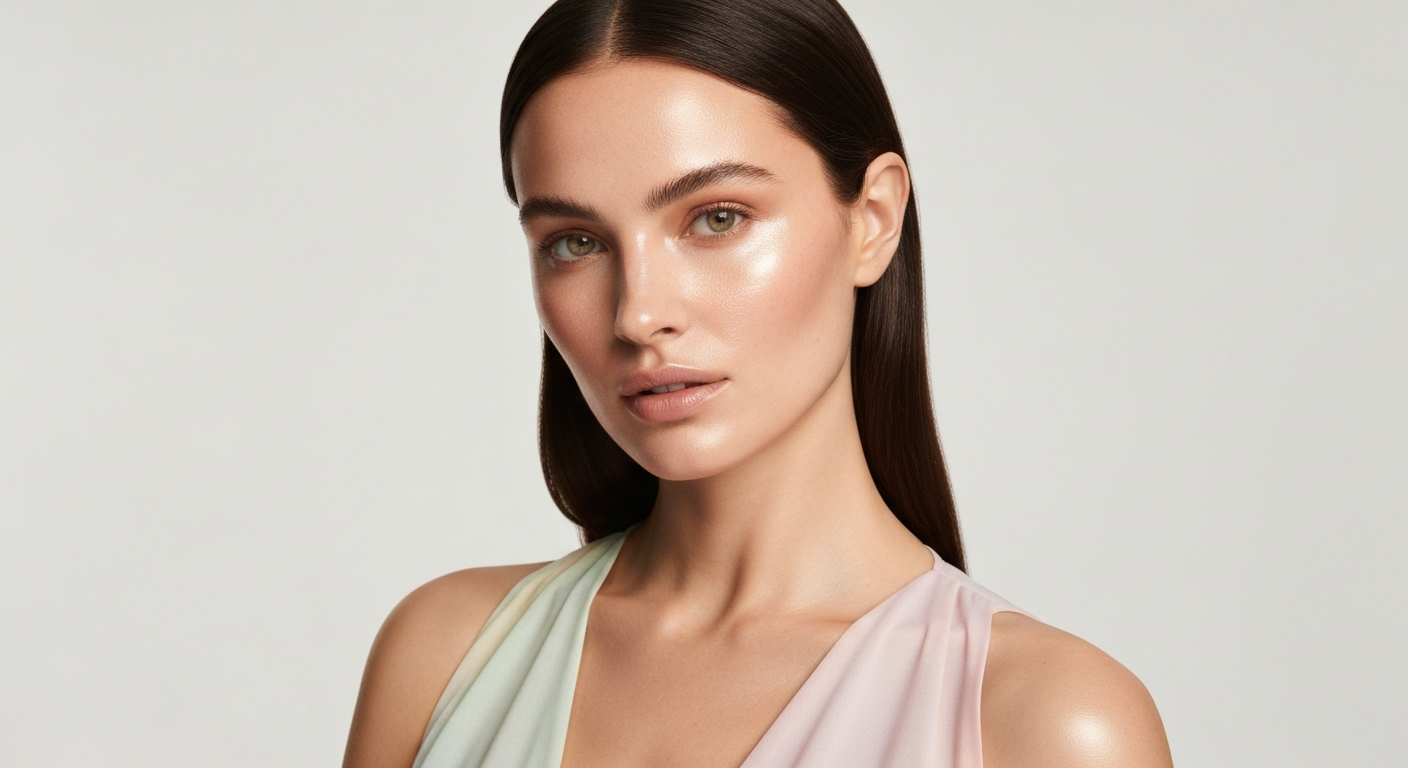

Your skin looks textured because of enlarged pores, dead cell buildup, dehydration, sun damage, or excess oil production—often several of these factors working together.
Textured skin shows up as tiny bumps, roughness, visible pores, or an uneven surface that catches light in unflattering ways. The good news: most causes are fixable with the right routine adjustments. Below, you'll find the science behind each cause, how to identify what's happening with your skin, and proven solutions that actually work.
| ✓Our Pick |
Chemical exfoliant set for smoother skin texture Consistently earns five-star reviews — reliable, well-supported, and genuinely effective. See on Amazon → |
Textured skin refers to any uneven surface on your face or body—bumps, roughness, enlarged pores, fine lines, or a generally "bumpy" appearance that smooth, healthy skin doesn't have.
When dermatologists talk about skin texture, they're describing the physical feel and appearance of your skin's surface. Healthy skin has a relatively smooth, even surface with minimal visible pores. Textured skin, by contrast, feels rough to the touch and looks uneven in photos or under certain lighting.
Skin texture issues fall into several categories:
| Texture Type | What It Looks Like | Common Location |
|---|---|---|
| Enlarged pores | Visible "holes" in skin surface | Nose, cheeks, forehead |
| Rough patches | Dry, scaly, or flaky areas | Cheeks, chin, around nose |
| Milia | Tiny white bumps under skin | Under eyes, cheeks |
| Closed comedones | Small flesh-colored bumps | Forehead, chin |
| Keratosis pilaris | "Chicken skin" texture | Upper arms, thighs, cheeks |
| Post-acne texture | Pitted or raised scars | Anywhere acne occurred |
Your face texture differs from the rest of your body because facial skin is thinner, has more oil glands, and receives more sun exposure. This is why many people notice their face is more textured than their arms or legs.
| ✓Quick Fix |
The Quick Fix Most People Reach for First Many readers dealing with this exact issue start with something like this before trying anything else. See on Amazon → |
Dead skin cells that don't shed properly accumulate on your skin's surface, creating a rough, dull texture that feels bumpy to the touch.
Your skin naturally sheds about 30,000 to 40,000 dead cells every minute. When this process slows down—due to aging, dry weather, or inadequate exfoliation—those cells pile up. The result is skin that looks gray, feels rough, and reflects light unevenly.
This buildup also clogs pores, making them appear larger. Products you apply afterward sit on top of the dead cell layer instead of penetrating where they're needed.
Dehydrated skin lacks water (not oil), causing the surface to look crepey, rough, and textured even if you have oily skin underneath.
Dehydration and dryness are different problems. Dry skin lacks oil. Dehydrated skin lacks water. You can have oily, dehydrated skin—and many people do. When your skin barrier is compromised, water escapes faster than your skin can retain it.
"Dehydration leads to increased transepidermal water loss, which compromises the skin barrier and causes visible texture changes including roughness and fine lines." — Dr. Hadley King at Dr. Hadley King Dermatology
Signs your texture is dehydration-related include tightness after washing, makeup settling into fine lines, and skin that looks better after applying hyaluronic acid.
Pores that are stretched by oil, debris, or loss of collagen create a noticeable "orange peel" texture across your nose, cheeks, and forehead.
Pore size is partly genetic, but several factors make them appear larger. Oil production stretches pores over time. Sun damage breaks down collagen that normally keeps pores tight. Dead cells and sebum mixed inside pores make them more visible.
Once pores are stretched, they don't shrink back to their original size—but you can minimize their appearance significantly with the right ingredients.
Also Read: Why Are My Pores So Big? 7 Causes & How to Minimize Them
UV exposure breaks down collagen and elastin, causing skin to develop a leathery, uneven texture with visible pores, fine lines, and rough patches.
Sun damage is cumulative. Even if you're not getting sunburned, daily UV exposure degrades your skin's structural proteins. Over years, this shows up as uneven texture, especially on areas that receive the most sun—face, chest, and hands.
According to the American Academy of Dermatology, up to 90% of visible skin aging comes from sun exposure. This includes texture changes, not just wrinkles and spots.
Overactive sebaceous glands produce oil that mixes with dead cells, clogging pores and creating a bumpy, congested texture.
If your face looks shiny by midday and you notice tiny flesh-colored bumps (especially on your forehead or chin), excess sebum is likely contributing. Oil itself doesn't cause bumps—the problem is when it mixes with dead cells and becomes trapped in follicles.
Hormones, diet, stress, and genetics all influence oil production. Some people naturally produce more sebum, which means more vigilant cleansing and exfoliation is necessary to prevent texture buildup.
Active acne, clogged pores, and post-inflammatory changes create both temporary and permanent texture issues on the skin's surface.
Closed comedones (clogged pores that haven't become inflamed) create a bumpy texture even without visible pimples. When acne heals, it sometimes leaves behind textured scars—either raised (hypertrophic) or pitted (atrophic).
Post-inflammatory erythema (red marks) and hyperpigmentation can also make skin appear uneven, even if the actual surface is smooth.
As you age, collagen production decreases by about 1% per year after 20, leading to thinner skin with more visible pores, lines, and roughness.
Aging skin texture looks different from youthful texture issues. Instead of bumps and congestion, you'll notice sagging around pores, crepey texture, and a loss of that "bouncy" quality. Cell turnover slows, meaning dead cells accumulate faster.
"After age 30, skin loses about 1-2% of its collagen annually, and this accelerates after menopause. The result is visible texture changes, including larger pores and rougher surface." — Dr. Joshua Zeichner at Mount Sinai Hospital
Hormonal changes during perimenopause and menopause accelerate texture changes, particularly in women.
Heavy skincare products, silicones, and inadequate cleansing leave residue that clogs pores and creates a bumpy, congested texture.
If you've recently changed your routine or added new products, they might be the culprit. Ingredients to watch include:
Double cleansing at night—first with an oil-based cleanser, then a water-based one—helps remove product buildup that single cleansing misses.
Conditions like keratosis pilaris, rosacea, eczema, and fungal acne create specific texture patterns that require targeted treatment.
Not all texture is lifestyle-related. Some conditions need specific diagnosis and treatment:
| Condition | Texture Pattern | Key Identifier |
|---|---|---|
| Keratosis pilaris | Tiny rough bumps, "chicken skin" | Appears on backs of arms, thighs, cheeks |
| Seborrheic dermatitis | Scaly, flaky patches | Worse around nose, eyebrows, hairline |
| Fungal acne | Uniform small bumps | Itchy, doesn't respond to regular acne treatments |
| Rosacea | Rough, bumpy texture | Accompanied by redness, flushing |
| Milia | Hard white bumps | Won't pop, often around eyes |
If your texture doesn't improve with basic exfoliation and hydration, or if it's accompanied by itching, redness, or scaling, see a dermatologist to rule out underlying conditions.
Also Read: Why Is My Skin So Dry Even When I Moisturize? 9 Causes & Fixes
Regular exfoliation—either chemical or physical—removes the dead cell buildup responsible for most texture issues, but the type and frequency matter.
Chemical exfoliants work by dissolving the bonds between dead cells. They're gentler than scrubs and more effective for most texture concerns:
Start with 2-3 times per week and increase frequency only if your skin tolerates it without irritation. Over-exfoliation damages your skin barrier, which actually worsens texture.
Retinoids (vitamin A derivatives) accelerate cell turnover and boost collagen production, making them the gold standard for improving skin texture over time.
Retinol works below the surface, encouraging faster cell renewal so fresher cells reach the surface more quickly. It also stimulates collagen production, which keeps pores tight and skin firm.
Start with a low concentration (0.25-0.5%) used 2-3 nights per week. Expect some initial dryness and peeling as your skin adjusts—this is called the "retinization" period and typically lasts 2-6 weeks.
Results take time. You'll notice texture improvements around the 8-12 week mark, with continued improvement over 6-12 months.
Properly hydrated skin appears plumper and smoother because water fills in the spaces between cells, minimizing the appearance of texture and pores.
Hydrating ingredients to look for:
Apply hydrating serums to damp skin, then seal with a moisturizer. This "sandwich" method traps water in your skin where it's needed.
| ✓Our Pick |
Hydrating serum with hyaluronic acid A well-reviewed choice that delivers real results — worth every penny for anyone dealing with this. See on Amazon → |
Daily SPF 30+ protects against UV-induced collagen breakdown, preventing the texture changes that develop from cumulative sun damage.
Sunscreen is prevention, not treatment. It won't reverse existing sun damage, but it stops further degradation. Without daily SPF, any texture treatments you use are working against ongoing damage.
Look for broad-spectrum protection (UVA and UVB) with at least SPF 30. Reapply every 2 hours if you're outdoors, or after sweating or swimming.
If your texture doesn't improve after 8-12 weeks of consistent exfoliation, hydration, and sun protection—or if you have persistent bumps, scaling, or irritation—professional evaluation is warranted.
Dermatologists can offer treatments not available over the counter:
For suspected conditions like keratosis pilaris, fungal acne, or rosacea, a dermatologist can diagnose and prescribe targeted treatments that generic skincare won't address.
The most effective approach combines gentle cleansing, regular exfoliation, hydration, and sun protection—without overcomplicating things.
Morning routine:
1. Gentle cleanser
2. Hydrating serum (hyaluronic acid or niacinamide)
3. Moisturizer
4. Sunscreen SPF 30+
Evening routine:
1. Oil cleanser (to remove sunscreen and makeup)
2. Water-based cleanser
3. Exfoliant (2-3x per week) OR Retinol (2-3x per week, alternate nights from exfoliant)
4. Hydrating serum
5. Moisturizer
Give each new product at least 4-6 weeks before deciding if it works. Texture improvements happen gradually—you're waiting for skin cell turnover, which takes about 28 days (longer as you age).
Textured skin results from dead cell buildup, dehydration, enlarged pores, sun damage, excess oil, or underlying skin conditions. The fix involves consistent exfoliation with AHAs or BHAs, proper hydration, retinol for cell turnover, and daily sunscreen. Most people see improvement within 8-12 weeks of a good routine. If basic adjustments don't work, see a dermatologist to rule out conditions like keratosis pilaris or fungal acne.
Your face has more sebaceous (oil) glands per square inch than almost anywhere else on your body. It also receives significantly more sun exposure over your lifetime. The combination of higher oil production and UV damage makes facial skin more prone to enlarged pores, roughness, and visible texture than skin protected by clothing.
Some texture causes are fixable; others are only manageable. Dead cell buildup and dehydration-related texture can be fully corrected with the right routine. However, genetic pore size, acne scarring, and significant sun damage may only be minimized, not eliminated. Maintenance routines prevent texture from returning.
Expect 4-6 weeks for initial changes and 8-12 weeks for noticeable improvement. Skin cells turn over approximately every 28 days, so you're essentially waiting for a new layer of properly-exfoliated, hydrated cells to reach the surface. Deeper texture issues like scarring may take 6-12 months of consistent treatment.
Diet can influence skin texture indirectly. High-glycemic foods may increase oil production and inflammation. Dehydration from inadequate water intake affects skin hydration. However, topical skincare has a more direct and significant impact on texture than dietary changes alone.
Sudden texture changes often have identifiable triggers: a new skincare product, seasonal weather shifts (especially winter dryness or summer humidity), hormonal fluctuations, or increased stress. Consider what changed in the 2-4 weeks before you noticed the texture shift, and address that factor first.
Reviewed and Updated on June 20, 2026 by George Wright