Technology
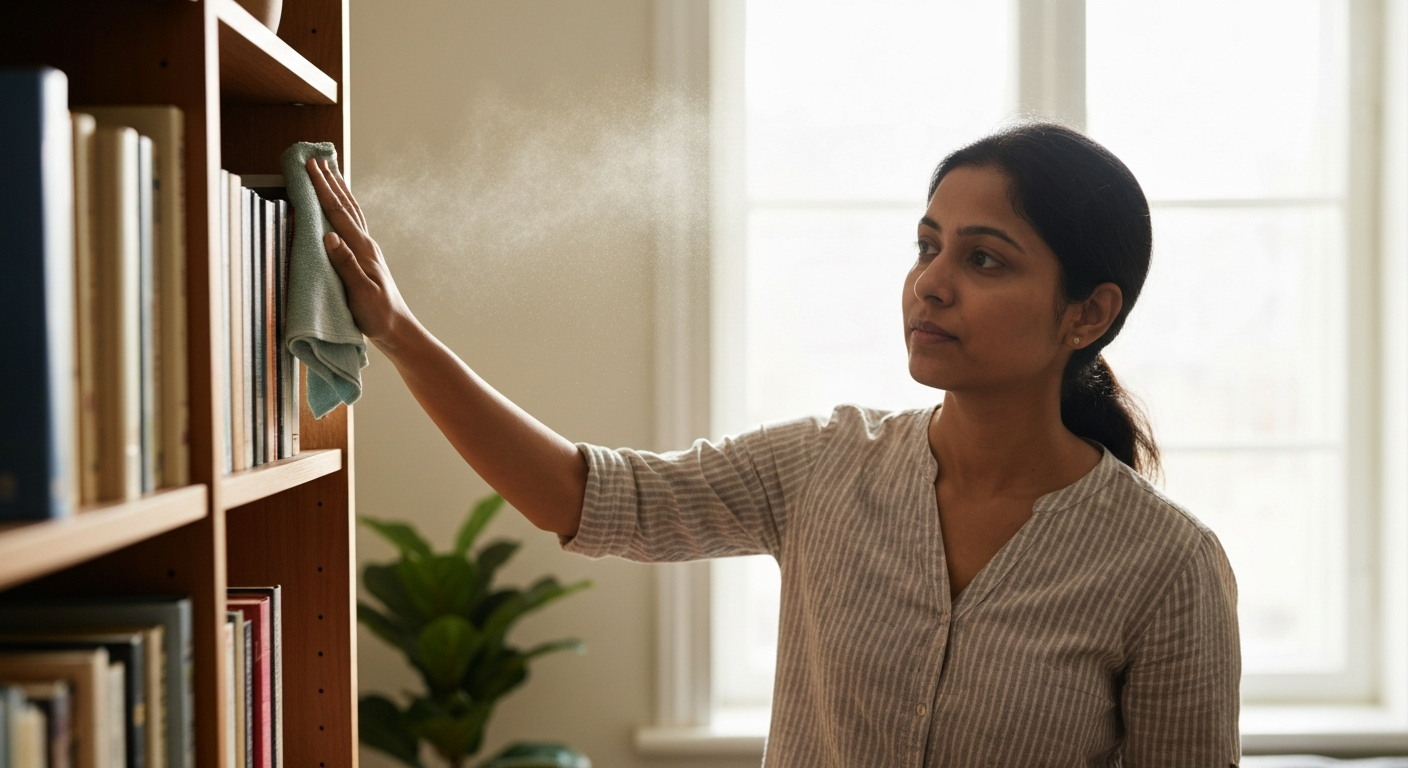

Your house is dusty all the time because of a combination of factors working together: inadequate air filtration, HVAC system issues, air leaks around doors and windows, high foot traffic, fabric furnishings that shed fibers, dry indoor air, and the natural shedding of human skin cells and pet dander.
The average home collects about 40 pounds of dust per year, and no amount of cleaning will permanently solve the problem if you don't address the sources. Understanding why your home, apartment, or bedroom accumulates dust so quickly is the first step toward actually reducing it — rather than just chasing it in an endless cycle.
| ✓Quick Fix |
What Actually Works for This, Fast Most people dealing with this exact problem start here — quick, affordable, and easy to try today. See on Amazon → |
Dust isn't just dirt — it's a complex mixture of particles from both inside and outside your home, and knowing what's in it helps you target the real culprits.
Modern research shows that household dust contains dead skin cells (humans shed about 1.5 grams daily), pet dander, fabric fibers, pollen, soil particles, insect waste, and even microplastics. According to a study published in Environmental Science & Technology, the composition of dust varies significantly based on your home's location, ventilation, and the materials inside it.
"Indoor dust is a reservoir for chemicals used in consumer products. The dust in your home can tell a story about your lifestyle, your furnishings, and even what's happening in your neighborhood." — Dr. Robin Dodson at Silent Spring Institute
The reason your house feels dusty all the time is that dust accumulates continuously. Even a "clean" room begins collecting particles within hours. If your home seems dustier than your neighbor's, specific factors in your environment are accelerating this natural process.
Multiple factors combine to create excessive dust — identifying which ones apply to your situation is the key to solving the problem.
Your heating and cooling system circulates thousands of cubic feet of air through your home daily. If the filter is clogged, torn, or rated too low, it's redistributing dust rather than capturing it. Standard fiberglass filters (MERV 1-4) catch less than 20% of airborne particles. Upgrading to a MERV 11-13 filter captures up to 85% of particles between 1-3 microns — including most dust, pollen, and pet dander.
Gaps around windows, doors, and electrical outlets let outdoor dust, pollen, and soil particles infiltrate your home. Even tiny cracks add up. A 1/16-inch gap under an exterior door is equivalent to a 5-square-inch hole in your wall. Weatherstripping and caulking are simple fixes that reduce both dust infiltration and energy costs.
Ductwork accumulates dust, debris, and sometimes mold over years of use. Leaky ducts are worse — they pull in unfiltered air from attics, crawl spaces, and wall cavities. According to the EPA, the average home loses 20-30% of conditioned air through duct leaks. That air is replaced by pulling in dusty, unfiltered air from other areas.
"Duct leakage can be a significant source of energy waste and can also contribute to indoor air quality problems by allowing pollutants to enter the duct system." — U.S. Environmental Protection Agency
Low humidity (below 30%) causes fabrics, wood, and skin to shed more particles. Dry air also prevents dust from settling — it stays suspended longer, making surfaces dusty again faster after cleaning. This is especially common in winter when heating systems dry out indoor air, or in desert climates year-round.
| ✓Our Pick |
HEPA air purifiers for dusty homes This is what many people find solves the problem quickly, without a costly professional visit. See on Amazon → |
Upholstered furniture, curtains, bedding, rugs, and carpet are both dust collectors and dust generators. Every time you sit on the couch or walk across carpet, fibers become airborne. Bedrooms are particularly affected because bedding sheds lint and traps dead skin cells — which is why your bedroom gets dusty faster than other rooms.
Cats and dogs shed dander, fur, and bring in outdoor particles on their paws and coats. Pet dander particles are extremely small (2.5 microns or less) and stay airborne longer than larger dust particles. Even if you brush your pet regularly, dander accumulates in fabrics and recirculates through your HVAC system.
Living near a construction site, busy road, agricultural area, or desert increases the dust load entering your home. Pollen seasons and wildfires also dramatically increase airborne particles. Urban apartments near high-traffic streets often experience more dust than suburban homes simply due to vehicle emissions and particulate pollution.
Certain activities generate significant dust: construction or renovation projects, sanding, woodworking, even using certain cosmetics. Paper products, cardboard, and printer/copier use all contribute particles. If you recently installed new carpet, furniture, or construction materials, they may still be off-gassing and shedding fibers.
Dry dusting with a feather duster or dry cloth doesn't remove dust — it redistributes it. The particles become airborne and settle elsewhere. Standard vacuum cleaners without sealed systems and HEPA filters exhaust fine particles back into the air. You're working hard but not actually reducing the total dust load.
Different rooms have different dust dynamics based on their function, ventilation, and contents.
| Room | Primary Dust Sources | Contributing Factors |
|---|---|---|
| Bedroom | Bedding fibers, dead skin, clothing | 8+ hours daily occupancy, fabrics everywhere |
| Living room | Upholstery, foot traffic, electronics | Static electricity attracts dust, high activity |
| Bathroom | Towels, toilet paper, skin cells | Humidity fluctuations, frequent textile use |
| Kitchen | Food particles, paper towels, outdoor air | Exhaust fan pulls in replacement air |
| Basement | Concrete dust, stored items, infiltration | Often has leaky ductwork, less frequent cleaning |
Your bedroom gets especially dusty because you spend 6-8 hours there shedding skin cells directly onto bedding. Bathrooms accumulate dust from towels, toilet paper, and the constant shedding that happens during bathing and grooming. If your bathroom is always dusty despite feeling like a wet environment, the culprit is usually textile fibers and inadequate ventilation.
Also Read: Why Is My Dryer Taking So Long to Dry
Effective dust reduction targets the sources and improves filtration rather than just cleaning more often.
Start with your HVAC system. Replace your filter with a MERV 11-13 rated filter and change it every 60-90 days — more frequently if you have pets or allergies. Have your ductwork inspected for leaks and consider professional duct cleaning if it hasn't been done in over five years.
Seal air leaks around doors, windows, and outlets. Weatherstripping is inexpensive and takes minutes to install. Use foam gaskets behind electrical outlet covers on exterior walls. Check the threshold under your exterior doors — you shouldn't see daylight.
Maintain indoor humidity between 40-50%. A hygrometer costs under $15 and lets you monitor levels. Use a humidifier in winter or dry climates. Proper humidity helps dust settle faster and reduces static electricity that keeps particles airborne.
Upgrade your vacuuming approach. Use a vacuum with a sealed system and true HEPA filter — bagless vacuums without proper seals often exhaust fine dust back into the air. Vacuum high-traffic areas twice weekly and upholstery monthly. Always use a damp cloth for dusting surfaces rather than dry or feather dusters.
Reduce fabric and clutter where possible. Hard flooring generates less dust than carpet. Washable throw rugs that can be shaken outside and laundered are better than wall-to-wall carpet. Wash bedding weekly in hot water. Use allergen-proof covers on mattresses and pillows.
Create an entryway system. Place doormats inside and outside exterior doors. Remove shoes at the door — studies show that shoes track in lead, pesticides, and significant dirt. Keep a shoe rack or basket near the entrance.
Also Read: Why Is My Nose Itchy? 9 Causes & How to Stop It
Some dust problems indicate underlying issues that need professional attention.
If you notice sudden increases in dust, especially grayish or unusual-colored dust, investigate the source. Deteriorating insulation, crumbling drywall, or failing HVAC components can release particles beyond normal household dust. Dark streaking around vents may indicate duct problems or dirty coils.
Excessive dust accompanied by musty odors could indicate mold growth in ductwork or hidden areas. If family members experience worsening allergies, respiratory symptoms, or unexplained health issues, consider having your indoor air quality professionally tested.
Construction next door, nearby roadwork, or changes in your neighborhood can temporarily increase dust. Track whether the problem correlates with external activities. If you've recently moved into a new construction home or completed renovation, expect elevated dust levels for 3-6 months as materials settle and off-gas.
Your home is dusty all the time because dust comes from multiple sources — dead skin, fabric fibers, pet dander, outdoor infiltration, and your HVAC system — and continuous accumulation is normal. The solution isn't cleaning harder; it's improving filtration with MERV 11-13 filters, sealing air leaks, maintaining proper humidity (40-50%), vacuuming with a true HEPA vacuum, and wet-dusting instead of dry-dusting. Target the sources and the dust becomes manageable rather than overwhelming.
Rooms get dustier based on occupancy time, fabric content, and airflow patterns. Your bedroom collects more dust because you spend 6-8 hours there shedding skin cells onto bedding and fabrics. Rooms with carpet, heavy drapes, and upholstered furniture act as both dust collectors and generators. Check if the room has adequate air circulation — poor airflow allows dust to settle more heavily in specific areas.
Apartments often have shared HVAC systems, multiple air infiltration points, and neighbor activities that affect your unit. Older buildings may have deteriorating window seals, dusty common hallways, and ductwork that hasn't been cleaned in years. You may also be near high-traffic floors (lobby, laundry room) or external pollution sources. Focus on portable HEPA air purifiers since you likely can't modify the building's systems.
Bathrooms generate dust from towels, toilet paper, facial tissues, and the constant shedding that happens during grooming. Humidity fluctuates dramatically — steamy during showers, dry the rest of the time — which doesn't help settle dust consistently. The exhaust fan pulls replacement air from other parts of your home, bringing dust with it. Lint from towels and bath mats is a major contributor most people overlook.
Yes, but placement and filter quality matter. A true HEPA air purifier can capture 99.97% of particles 0.3 microns and larger when air passes through it. Place it in rooms where you spend the most time (bedroom, living room) and ensure it's rated for your room's square footage. Run it continuously on a low setting rather than intermittently on high. Air purifiers work best alongside improved HVAC filtration, not as a replacement.
For standard 1-inch filters, every 60-90 days is typical, but check monthly if you have pets, allergies, or live in a dusty area. A dirty filter is worse than no filter because it restricts airflow while failing to capture particles. Hold the filter up to light — if you can't see through it, it's overdue for replacement. Consider upgrading to a 4-inch media filter that lasts longer and offers better filtration without restricting airflow.
Reviewed and Updated on June 20, 2026 by George Wright