
Technology
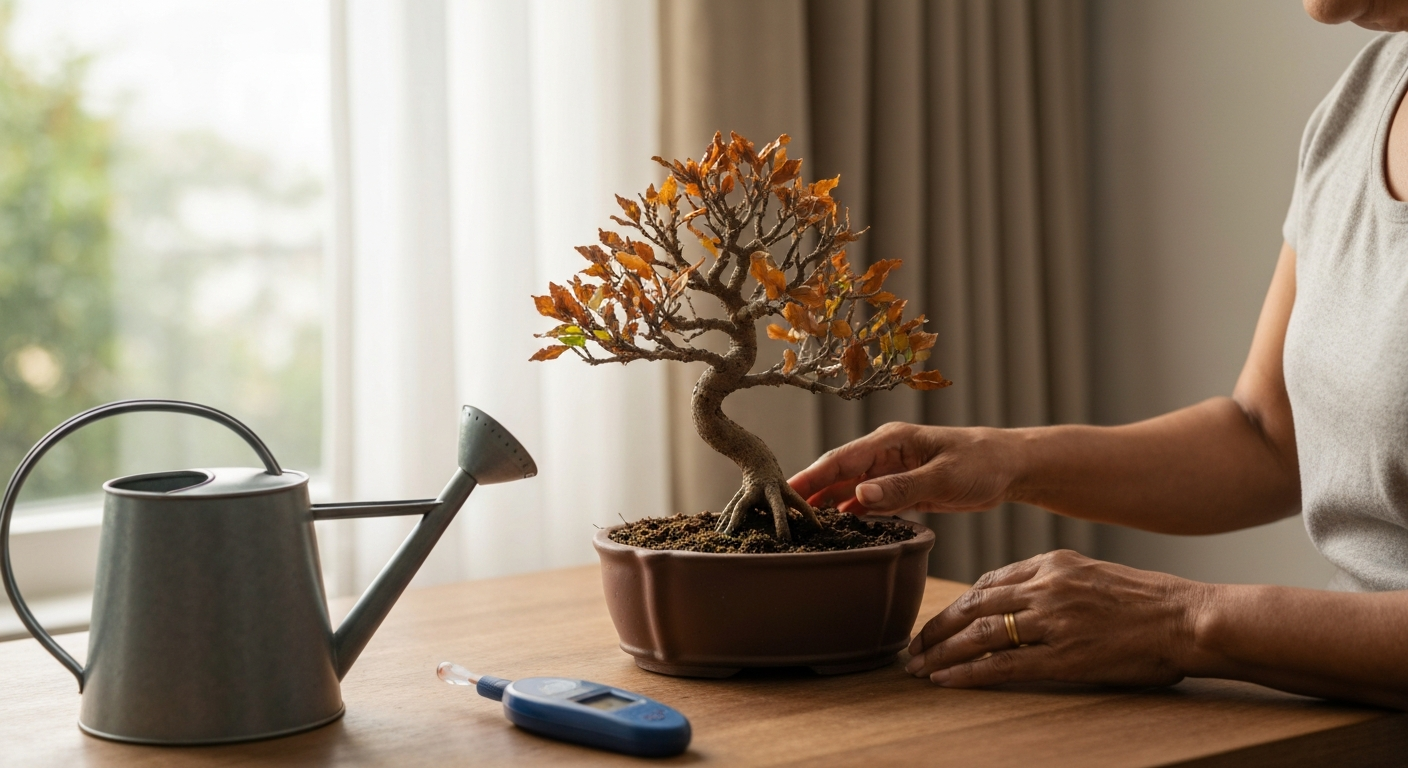

Your bonsai is turning brown because it's stressed—most commonly from underwatering, overwatering, or incorrect light exposure. Brown leaves, branches, or trunk sections signal that part of the tree is dying or already dead, and identifying the exact cause quickly is the difference between saving your miniature tree and losing it entirely.
| ✓Our Pick |
Complete bonsai care toolkit with moisture meter, pruning shears, and training wire Great value for money — this product tackles the root cause rather than just masking the symptoms. See on Amazon → |
Brown foliage on a bonsai tree almost always traces back to one of seven root causes: watering problems, light issues, humidity levels, temperature stress, pest infestations, fungal disease, or fertilizer mistakes.
Understanding which cause applies to your tree requires examining where the browning appears, how quickly it spread, and what's changed in your care routine. Let's work through each possibility systematically.
Underwatering is the single most common reason bonsai trees die. Because bonsai pots are shallow with limited soil volume, they dry out far faster than regular potted plants—sometimes within 24 hours in warm weather.
Signs of underwatering include:
- Leaves turning crispy brown at the tips first, then spreading inward
- Soil pulling away from the pot edges
- The pot feeling unusually light when lifted
- Leaves dropping while still partially green
The fix is straightforward but requires consistency. Water your bonsai thoroughly until water drains from the bottom holes, then water again when the top half-inch of soil feels dry. For most indoor bonsai, this means watering every 1–3 days depending on temperature and humidity.
Overwatering causes root rot, which prevents the roots from absorbing nutrients and oxygen. The tree essentially suffocates, and the first visible sign is often brown, mushy leaves rather than the crispy ones you'd see from drought.
Overwatered bonsai show:
- Soft, yellowing leaves that turn brown and fall off easily
- A musty or rotting smell from the soil
- Black or mushy roots when you gently check beneath the surface
- Soil that stays wet for days without drying
"The number one killer of bonsai trees is overwatering. People water on a schedule instead of checking soil moisture, and the roots rot before the leaves show any problem." — Bonsai Empire
If root rot has set in, you'll need to remove the tree from its pot, trim away any black or mushy roots with sterile scissors, and repot in fresh, well-draining bonsai soil. Cut back on watering frequency and ensure your pot has adequate drainage holes.
Light problems cause browning in two opposite ways. Too little light starves the tree, causing leaves to yellow, brown, and drop. Too much direct sunlight—especially through a window that magnifies heat—scorches leaves, leaving brown burn patches.
Indoor bonsai typically need bright, indirect light for at least 6 hours daily. A south-facing window works well in winter but may need filtered light in summer. Outdoor bonsai species like junipers and pines need full sun and will brown quickly if kept indoors.
Watch for these patterns:
- Browning on the side facing the window suggests sunburn
- Overall yellowing with sparse growth suggests insufficient light
- Leaves only brown in summer but recover in winter points to seasonal light intensity
Most popular bonsai species—ficus, Chinese elm, and jade—originate from humid subtropical environments. The average American home runs 30–40% humidity in winter, while these trees prefer 50–60%.
Low humidity causes leaf edges and tips to brown and curl. The damage often progresses slowly over weeks, making it easy to miss until significant browning has occurred.
Increase humidity around your bonsai by:
- Placing the pot on a humidity tray (a shallow tray filled with pebbles and water)
- Grouping plants together to create a humid microclimate
- Running a small humidifier nearby during heating season
- Misting daily, though this provides only temporary relief
Also Read: Why Is My Thyme Dying? 7 Causes & How to Save It
Bonsai trees are sensitive to temperature extremes and sudden changes. Placing a tropical ficus near a cold drafty window in January or next to a heating vent can trigger rapid browning.
Temperature stress symptoms include:
- Sudden leaf drop with browning occurring almost overnight
- Browning concentrated on one side of the tree (the side facing the heat or cold source)
- Recovery when moved to a stable-temperature location
Most indoor bonsai prefer consistent temperatures between 60–75°F (15–24°C). Outdoor bonsai are hardier but still need protection from frost if they're not cold-hardy species. Always research your specific tree's temperature tolerance—a juniper can handle freezing temperatures, but a ficus will die if exposed to frost.
Spider mites, scale insects, and aphids all feed on bonsai sap, weakening the tree and causing localized browning. Pest damage often appears as stippled brown spots, sticky residue on leaves, or tiny webs between branches.
Inspect your tree closely with a magnifying glass, checking the undersides of leaves and branch joints where pests hide. Common signs include:
| Pest | Visible Signs | Damage Pattern |
|---|---|---|
| Spider mites | Fine webbing, tiny moving dots | Stippled brown/bronze leaves |
| Scale | Brown or white bumps on stems | Branch dieback, sticky honeydew |
| Aphids | Clusters of small green/black insects | Curled, yellowing leaves |
| Mealybugs | White cottony masses | Leaf drop, stunted growth |
Treat mild infestations by wiping leaves with a cotton swab dipped in rubbing alcohol. For heavier infestations, spray with insecticidal soap or neem oil, covering all surfaces thoroughly. Repeat weekly until pests are gone.
Fungal infections cause brown or black spots with distinct edges, often surrounded by yellow halos. The spots may have a fuzzy or powdery texture. Root rot from overwatering is technically a fungal problem, but leaf-level fungal diseases spread through humid, stagnant air.
Prevent fungal issues by:
- Ensuring good air circulation around your tree
- Watering at the soil level, not from above
- Removing any fallen leaves from the soil surface promptly
- Avoiding overcrowding with other plants
If fungal disease has taken hold, remove affected leaves immediately, improve air circulation, and treat with a copper-based fungicide labeled safe for ornamental trees. Isolate the infected bonsai from other plants until it recovers.
| ✓Quick Fix |
The First Thing Most People Try Many readers dealing with this exact issue start with something like this before trying anything else. See on Amazon → |
Run through this diagnostic checklist to pinpoint your bonsai's problem quickly—the pattern of browning tells you more than the browning itself.
| Symptom Pattern | Most Likely Cause | First Action |
|---|---|---|
| Crispy brown tips spreading inward | Underwatering or low humidity | Check soil moisture daily, add humidity tray |
| Soft, mushy brown leaves | Overwatering/root rot | Check roots, reduce watering, improve drainage |
| Brown patches on sun-facing side | Sunburn | Move to bright indirect light |
| Overall yellowing then browning | Insufficient light | Move closer to light source |
| Sudden browning after location change | Temperature shock | Return to stable temperature zone |
| Stippled or spotted browning | Pests | Inspect with magnifying glass, treat |
| Brown spots with yellow halos | Fungal disease | Remove affected leaves, improve airflow |
A bonsai with brown leaves isn't necessarily dead—if the trunk and main branches still have green tissue beneath the bark, recovery is possible with immediate intervention.
Here's how to assess viability and begin recovery:
Scratch test the bark. Use your fingernail to gently scratch a small patch of bark on the trunk and a few branches. Green tissue underneath means that section is alive. Brown or tan tissue means it's dead.
Check the roots. Gently remove the tree from its pot. Healthy roots are white or tan and firm. Black, mushy, or foul-smelling roots indicate rot and must be trimmed away.
Prune dead material. Cut away any branches that fail the scratch test. Use clean, sharp bonsai scissors and cut just above a node or bud when possible.
Adjust watering immediately. If the soil is bone dry, water thoroughly and monitor daily. If waterlogged, let it dry significantly before watering again, and consider repotting into fresh soil.
Stabilize the environment. Move the tree away from drafts, direct heating/cooling vents, and intense direct sun. Provide consistent conditions while it recovers.
Hold off on fertilizer. A stressed tree can't use nutrients effectively. Wait until you see new growth before resuming fertilization at half strength.
"A bonsai can recover from extensive browning if the root system and trunk remain viable. The key is removing the stress factor immediately and providing stable, appropriate care while new growth emerges." — American Bonsai Society
Recovery takes time—expect weeks to months before new growth appears, depending on the species and severity of damage.
Also Read: Why Is My House So Dusty? 9 Causes & Proven Fixes
Proper watering solves or prevents the majority of browning problems—but "proper" means checking soil moisture, not following a calendar.
The old advice to water bonsai once a day or once a week fails because it ignores the variables that actually determine how quickly soil dries: pot size, soil composition, humidity, temperature, and the tree's growth stage.
Instead, follow the moisture-check method:
- Insert a chopstick or wooden skewer into the soil to the bottom of the pot
- Pull it out after a few seconds and check for moisture
- If the top half-inch is dry but the chopstick shows moisture deeper down, water thoroughly
- If the entire chopstick is wet, wait another day and check again
A moisture meter takes the guesswork out entirely. Digital meters designed for bonsai cost under $15 and give you instant readings at different soil depths.
Water thoroughly when you do water. This means pouring slowly until water runs freely from the drainage holes, then waiting a few minutes and watering again. Bonsai soil is designed to drain quickly, so you're not at risk of overwatering from a single heavy session—the danger comes from watering too frequently before the soil has dried.
Brown bonsai leaves signal stress, most often from watering mistakes, light problems, or environmental factors like humidity and temperature. Diagnose by examining the pattern of browning—crispy tips point to underwatering or low humidity, while mushy leaves suggest overwatering. Perform a scratch test on the bark to check viability: green tissue means the tree can recover with corrected care. Focus on consistent soil moisture monitoring rather than scheduled watering, and provide stable conditions while the tree heals.
Daily watering is often too much for bonsai, especially indoors where evaporation is slower. Roots need oxygen between waterings, and constantly wet soil suffocates them, causing root rot. The dying symptoms you see are actually from overwatering, not dehydration. Switch to watering only when the top half-inch of soil feels dry to the touch, and ensure your pot has working drainage holes.
Repotting stress is common and typically causes temporary browning or leaf drop. The roots were disturbed and need time to reestablish. Avoid fertilizing for 4–6 weeks after repotting, keep the tree in a shaded location away from direct sun, and maintain consistent moisture without overwatering. Most healthy trees recover within a few weeks to a month.
No—once a leaf has turned completely brown, that tissue is dead and won't recover. However, the tree can produce new green leaves from healthy branches and buds. Remove fully brown leaves to redirect energy to new growth. If only the tips are brown, the remaining green portion will continue photosynthesizing.
Perform the scratch test: gently scrape a small area of bark with your fingernail. Living tissue beneath will be green or light-colored and slightly moist. Dead tissue is brown, tan, or gray and dry. Some deciduous bonsai lose all their leaves in winter dormancy but remain alive—the scratch test confirms viability even without leaves.
Misting provides only temporary humidity relief and evaporates within minutes. For sustained humidity improvement, use a humidity tray filled with pebbles and water beneath the pot, group plants together, or run a humidifier in the room. Misting can actually promote fungal disease if done excessively without good air circulation.
Reviewed and Updated on June 20, 2026 by George Wright