Technology
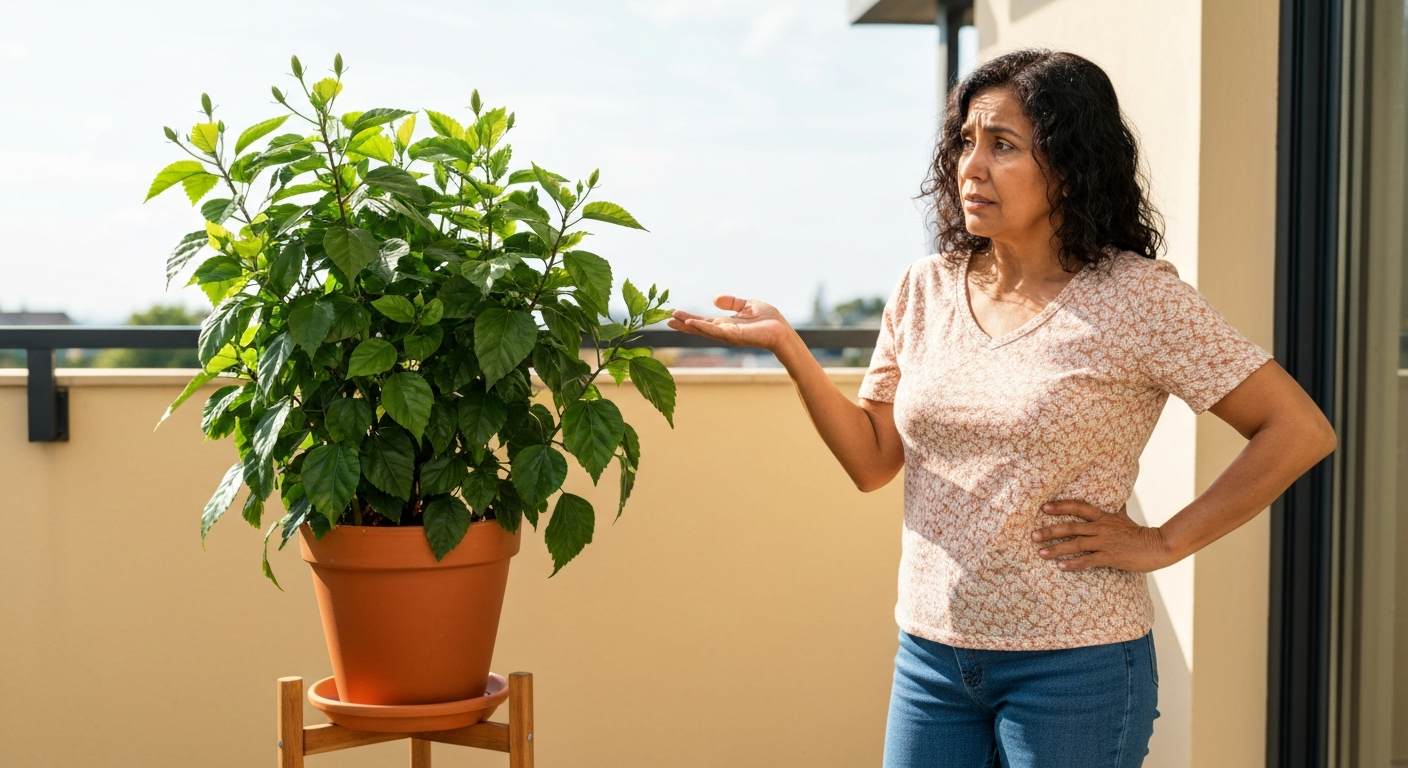

Your hibiscus isn't blooming because it's missing one or more essential conditions: adequate sunlight (6+ hours daily), proper fertilization (high phosphorus, low nitrogen), correct watering, appropriate temperatures, or timely pruning—and once you identify which factor is off, flowering typically resumes within 4–8 weeks.
A hibiscus covered in lush green leaves but stubbornly refusing to produce those gorgeous tropical blooms is one of the most frustrating sights for any gardener. Whether you're growing a tropical hibiscus indoors, a hardy hibiscus in your garden, or a hibiscus tree on your patio, the reasons behind bloom failure are surprisingly consistent—and almost always fixable. This guide walks you through every common cause and gives you the specific steps to trigger abundant flowering in 2026.
| ✓Our Pick |
Bloom-boosting fertilizer for hibiscus plants This is what many people find solves the problem quickly, without a costly professional visit. See on Amazon → |
Insufficient light is the number one reason hibiscus plants fail to flower—these tropical plants need at least 6 hours of direct sunlight daily to produce blooms.
Hibiscus plants are native to warm, sunny climates where they receive intense light throughout the day. When grown in shaded locations or indoors without supplemental lighting, they redirect their energy toward leaf production rather than flowering. The plant isn't unhealthy—it's simply prioritizing survival over reproduction.
You'll notice your hibiscus has plenty of foliage but zero buds when light is the issue. The stems may also appear leggy as the plant stretches toward any available light source.
Tropical hibiscus varieties require 6–8 hours of direct sunlight for optimal blooming. Hardy hibiscus can tolerate slightly less—around 4–6 hours—but still performs best with full sun. Morning sun with afternoon shade works well in extremely hot climates (zones 9–11), but in most regions, the more direct light, the better.
If your hibiscus is indoors, place it within 2 feet of a south-facing window. East-facing windows provide adequate morning light but may not be sufficient on their own during winter months. Consider a full-spectrum grow light running 12–14 hours daily if natural light is limited.
"Hibiscus are full sun plants. They need at least six hours of direct sunlight to bloom well." — Dr. Linda Chalker-Scott, Extension Horticulturist at Washington State University
| ✓Quick Fix |
The Fastest Fix People Try for This A low-cost, no-commitment option to rule out before spending more on this problem. See on Amazon → |
Using the wrong fertilizer ratio—specifically, too much nitrogen—causes hibiscus to grow abundant leaves while producing few or no flowers.
Fertilizer ratios are expressed as three numbers (N-P-K) representing nitrogen, phosphorus, and potassium. Nitrogen promotes leafy green growth, phosphorus supports root development and flowering, and potassium aids overall plant health. Many general-purpose fertilizers are high in nitrogen, which is exactly what you don't want for a blooming hibiscus.
For maximum flowering, look for fertilizers with a middle number (phosphorus) higher than the first number (nitrogen). Ratios like 10-30-20 or 9-58-8 are specifically formulated to encourage blooms. Some hibiscus growers use a balanced 10-10-10 during the growing season and switch to a high-phosphorus "bloom booster" formula when they want to trigger flowering.
| Fertilizer Type | N-P-K Ratio | Effect on Hibiscus |
|---|---|---|
| High nitrogen | 30-10-10 | Lots of leaves, few blooms |
| Balanced | 10-10-10 | Moderate growth and blooming |
| Bloom booster | 10-30-20 | Maximum flower production |
| Hibiscus-specific | 9-58-8 | Optimized for hibiscus blooms |
Feed your hibiscus every 2 weeks during the active growing season (spring through early fall) with a water-soluble bloom-boosting fertilizer. Reduce feeding to once monthly during winter if growing indoors. Over-fertilizing can burn roots and cause bud drop, so follow package directions precisely.
Both overwatering and underwatering stress hibiscus plants, causing them to drop buds or halt flower production entirely.
Hibiscus prefer consistently moist—but not waterlogged—soil. When the root zone stays too wet, roots suffocate and can't deliver nutrients to developing flower buds. When soil dries out completely, the plant enters survival mode and aborts any buds to conserve water for essential functions.
Check soil moisture by inserting your finger 2 inches into the soil. Water thoroughly when the top inch feels dry, allowing excess water to drain completely. Never let your hibiscus sit in a saucer of standing water for more than 30 minutes.
Container-grown hibiscus typically need watering every 1–2 days during hot summer weather and every 4–7 days in cooler months. In-ground plants may need deep watering 2–3 times weekly during dry spells. Mulching around the base helps retain moisture and regulate soil temperature.
Signs of water stress include:
- Wilting leaves despite moist soil (overwatering)
- Yellowing lower leaves that drop off (overwatering)
- Crispy leaf edges and bud drop (underwatering)
- Leaves curling inward (underwatering)
Also Read: Why Is My Thyme Dying? 7 Causes & How to Save It
Hibiscus stop blooming when temperatures fall below 55°F or exceed 95°F, as both extremes trigger stress responses that halt flower production.
Tropical hibiscus evolved in environments with consistent warmth. When temperatures drop, the plant assumes winter is approaching and stops producing flowers. Extreme heat causes similar stress—the plant focuses on staying hydrated rather than blooming.
The ideal temperature range for hibiscus flowering is 60–85°F. At this range, the plant actively grows and channels energy into bloom production. Here's how temperature affects your hibiscus:
| Temperature | Effect on Blooming |
|---|---|
| Below 50°F | Dormancy, possible cold damage |
| 50–55°F | Growth slows, no new buds form |
| 55–60°F | Minimal blooming |
| 60–85°F | Peak blooming conditions |
| 85–95°F | Reduced blooming, some bud drop |
| Above 95°F | Significant bud drop, heat stress |
If you're growing hibiscus indoors, keep it away from cold drafts near windows and doors during winter. Air conditioning vents can also create temperature fluctuations that stress the plant. In summer, move potted hibiscus to a location with afternoon shade if temperatures regularly exceed 90°F.
"Temperature fluctuations are a common cause of bud drop in hibiscus. Consistent temperatures between 65 and 75 degrees Fahrenheit are optimal for continuous blooming." — Clemson Cooperative Extension, Home & Garden Information Center
Pruning hibiscus too late in the season removes the branch tips where flower buds form, eliminating blooms for weeks or even months.
Hibiscus produce flowers on new growth—the fresh stems that emerge after pruning or at the tips of existing branches. When you prune, you're essentially resetting the plant's flowering clock. The plant must regrow stems and develop new buds before it can bloom again, which typically takes 6–8 weeks.
Prune tropical hibiscus in early spring, just as new growth begins. This gives the plant the entire growing season to develop new stems and abundant flowers. Avoid pruning after midsummer, as late pruning removes developing buds and delays flowering until the following year.
For hardy hibiscus, wait until you see new shoots emerging from the base in spring before cutting back the previous year's dead stems. Cutting too early can expose the crown to frost damage.
Light tip pruning throughout the growing season encourages bushier growth and more bloom sites. Pinch or cut back stem tips by 2–3 inches after each flush of flowers to promote branching.
A severely rootbound hibiscus directs all its energy toward root survival rather than flower production, resulting in a healthy-looking plant with zero blooms.
When roots completely fill the pot and begin circling, the plant can't absorb water and nutrients efficiently. You might notice water running straight through the container without soaking in, or roots emerging from drainage holes. The hibiscus may wilt quickly between waterings despite the soil appearing moist.
Repot your hibiscus into a container 2–4 inches larger in diameter, using fresh potting mix formulated for tropical plants. Gently loosen the root ball and trim any circling roots with clean scissors. Position the plant at the same depth it was previously growing and water thoroughly after repotting.
The best time to repot is early spring, before the active growing season. Avoid repotting during peak summer heat or when the plant is stressed. After repotting, your hibiscus may take 4–6 weeks to establish new roots before resuming normal bloom production.
Also Read: Why Is My Bonsai Turning Brown? 7 Causes & How to Save It
Pest infestations and fungal diseases drain your hibiscus's resources, leaving nothing left for flower production.
Common hibiscus pests include aphids, spider mites, whiteflies, and mealybugs. These insects feed on plant sap, weakening the hibiscus and causing bud drop. Fungal diseases like botrytis blight attack developing buds directly, causing them to turn brown and fall off before opening.
Inspect your hibiscus weekly, paying close attention to leaf undersides and stem joints where pests hide. Here's what to look for:
Treat infestations early with insecticidal soap or neem oil, spraying all leaf surfaces thoroughly. For severe infestations, repeat treatment every 5–7 days for three applications. Remove and discard heavily infested leaves or stems.
For fungal issues, improve air circulation around the plant and avoid overhead watering. Remove affected buds and apply a copper-based fungicide if problems persist.
When your hibiscus won't bloom, work through this diagnostic checklist to identify the specific cause—most plants have one or two issues that, once corrected, restore flowering within weeks.
| Factor | Optimal Condition | Problem Signs | Quick Fix |
|---|---|---|---|
| Light | 6–8 hours direct sun | Leggy growth, no buds | Move to sunnier location |
| Fertilizer | High phosphorus (10-30-20) | Lush leaves, no flowers | Switch to bloom booster |
| Water | Moist, not waterlogged | Wilting, yellow leaves, bud drop | Adjust watering schedule |
| Temperature | 60–85°F | Bud drop, no new growth | Protect from extremes |
| Pruning | Early spring only | No branch tips for buds | Wait until next spring |
| Root space | Roots not circling | Water runs through pot | Repot 2–4 inches larger |
| Pests | None visible | Sticky residue, damaged leaves | Insecticidal soap treatment |
Start at the top of this list and work down. Light and fertilizer issues account for roughly 70% of non-blooming hibiscus cases. Once you've identified and corrected the problem, be patient—new flower buds take 6–8 weeks to develop and open.
Your hibiscus isn't blooming because it's missing a key requirement—most commonly adequate sunlight or proper fertilization with high-phosphorus formula. Check that your plant receives at least 6 hours of direct sun daily, feed with a bloom-booster fertilizer every 2 weeks during the growing season, maintain consistent moisture without waterlogging, and avoid pruning after early summer. With these conditions met, expect to see new buds forming within 4–8 weeks.
If your hibiscus gets plenty of sunlight but still won't flower, the culprit is usually fertilizer or watering. A high-nitrogen fertilizer promotes leaves at the expense of blooms—switch to a formula with higher phosphorus (the middle number). Inconsistent watering also causes bud drop before flowers can open. Check that you're watering when the top inch of soil dries out and that the pot drains completely.
Transplant shock commonly causes hibiscus trees to pause flowering for several weeks to months. The plant prioritizes root establishment over flower production after being moved. Continue normal care with consistent watering and appropriate fertilization, and avoid additional stressors like pruning or extreme temperatures. Most hibiscus resume blooming within 6–12 weeks of transplanting once roots establish.
Yes, overwatering is a common cause of bloom failure. Waterlogged soil deprives roots of oxygen, preventing nutrient uptake and causing the plant to drop buds. Signs include yellowing lower leaves, wilting despite wet soil, and a musty smell from the pot. Allow the soil to dry to 1 inch depth between waterings and ensure your container has adequate drainage holes.
Deadheading spent hibiscus flowers isn't necessary for continued blooming—unlike many flowering plants, hibiscus don't require deadheading to produce new flowers. However, removing faded blooms improves the plant's appearance and prevents seed pod formation, which can redirect some energy back to flower production. Simply snap off wilted flowers at the base of the bloom.
After correcting the underlying issue, expect new flower buds to appear within 4–8 weeks. Hibiscus develop buds on new growth, so the plant must first produce fresh stems before buds form. Warmer temperatures and optimal conditions speed this process, while cooler weather or recovery from severe stress may extend the timeline to 10–12 weeks.
Reviewed and Updated on June 20, 2026 by George Wright