Technology
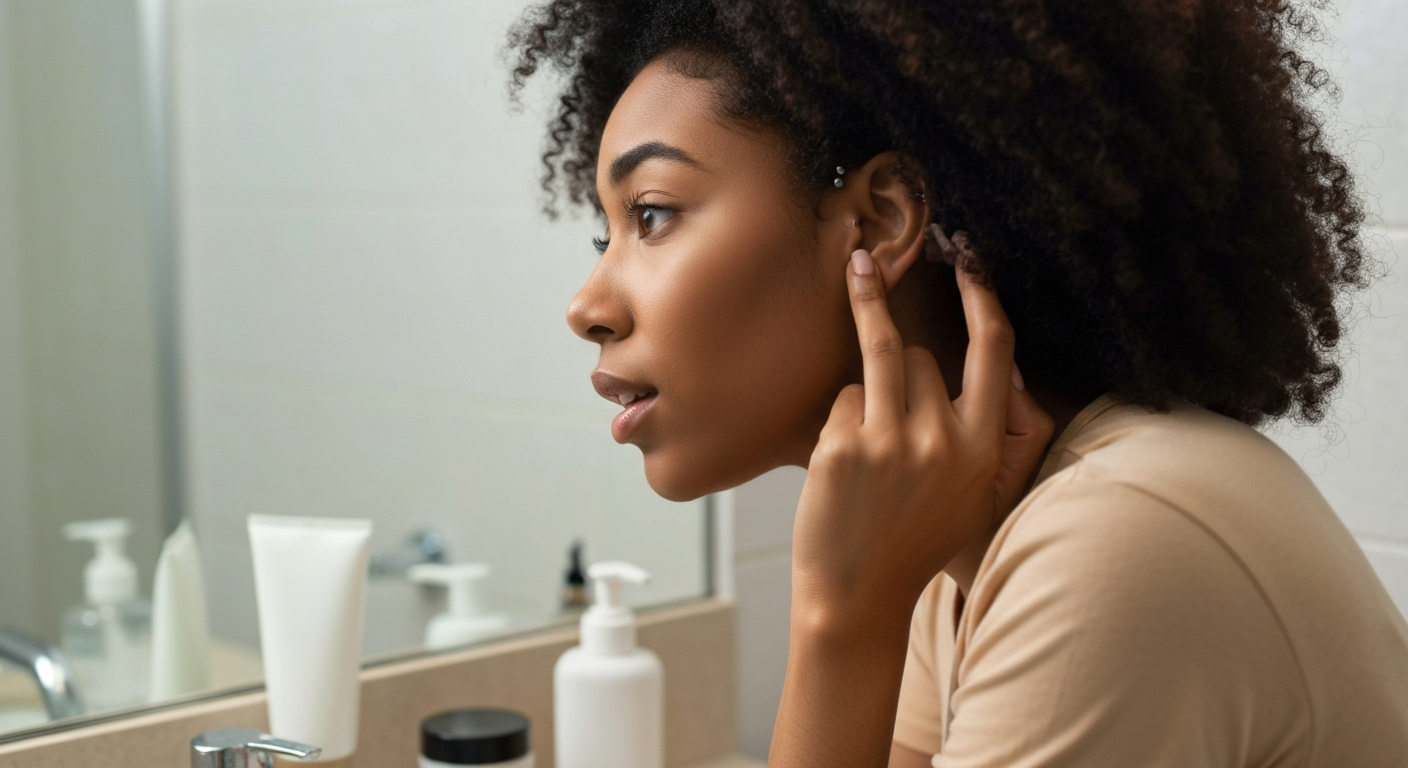

Your piercing is itchy because the skin around it is healing, reacting to the jewelry metal, drying out, or fighting off a minor irritation — and in most cases, mild itching is completely normal and temporary.
Itching is one of the most common complaints during the piercing healing process, whether you have a fresh ear piercing, a helix, or any other body modification. The sensation usually signals that your body is doing exactly what it should: regenerating tissue and forming a protective fistula (the healed tunnel of skin) around the jewelry. However, persistent or intense itching can also indicate a metal allergy, infection, or aftercare misstep that needs attention. Understanding the difference helps you know when to ride it out and when to act.
| ✓Our Pick |
Piercing aftercare saline spray and healing solutions This is what many people find solves the problem quickly, without a costly professional visit. See on Amazon → |
Itching during healing is your body's normal inflammatory response to the controlled wound created by the piercing needle — it means new skin cells are forming and nerve endings are regenerating.
When a piercer creates a hole through your skin, your immune system immediately kicks into action. White blood cells rush to the area to prevent infection, and your body begins producing collagen to build new tissue. This process causes mild inflammation, which irritates nerve endings and creates that familiar itchy sensation.
The healing timeline varies by piercing location:
| Piercing Type | Typical Healing Time | Peak Itch Period |
|---|---|---|
| Earlobe | 6–8 weeks | Weeks 2–4 |
| Helix/Cartilage | 6–12 months | Months 2–4 |
| Tragus | 6–12 months | Months 2–4 |
| Nose | 4–6 months | Weeks 3–8 |
| Navel | 6–12 months | Months 2–5 |
New ear piercings tend to itch most during the middle phase of healing, when active tissue regeneration is at its peak. If your helix piercing is itchy at the two-month mark, that's often right on schedule.
"Itching is a normal part of the wound healing process. As new tissue forms and nerve endings regenerate, patients commonly experience pruritus (itching) that indicates healthy cellular activity." — Dr. Whitney Bowe at American Academy of Dermatology
| ✓Quick Fix |
The First Thing Most People Try Quick to get, easy to try — a sensible first move while you figure out next steps. See on Amazon → |
A metal allergy causes itching that's more intense, persistent, and often accompanied by redness, swelling, or a rash that extends beyond the piercing site itself.
Nickel allergy affects approximately 10–20% of the population, making it the most common cause of allergic contact dermatitis from jewelry. Many people discover their nickel sensitivity only after getting a piercing, because the metal is in direct contact with an open wound rather than just sitting on intact skin.
Signs your itching is allergy-related include:
- Redness and swelling that worsens rather than improves over time
- A rash or dry, flaky skin spreading around the piercing
- Clear fluid discharge (not pus, which is opaque and colored)
- Itching that intensifies when you wear the jewelry and improves when removed
If you suspect a metal allergy, switching to implant-grade titanium, niobium, or 14k+ solid gold usually resolves symptoms within a week. Surgical steel contains nickel and isn't always safe for sensitive individuals despite its name.
Also Read: Why Is My Face Red and Blotchy? 9 Causes & Fixes
Yes — harsh cleansers, alcohol, hydrogen peroxide, and even some "piercing care" products can strip moisture from healing skin and cause irritation, dryness, and itching.
The skin around a fresh piercing is essentially an open wound trying to heal. Products that work fine on intact skin can be too aggressive for this vulnerable tissue. Over-cleaning is just as problematic as under-cleaning.
Products that commonly cause itching:
- Rubbing alcohol (extremely drying)
- Hydrogen peroxide (kills healthy cells along with bacteria)
- Antibacterial soaps with fragrance
- Tea tree oil (can be irritating at full strength)
- Alcohol-based aftercare sprays
The Association of Professional Piercers recommends sterile saline solution (0.9% sodium chloride) as the safest cleaning option. Mix your own with 1/4 teaspoon non-iodized sea salt in 8 ounces of distilled water, or use a pre-made wound wash.
"We recommend using a sterile saline solution for piercing aftercare. Harsh chemicals, including alcohol and peroxide, can damage cells and slow healing." — Association of Professional Piercers
Absolutely — environmental factors like winter air, air conditioning, and over-washing can dehydrate the skin around your piercing, leading to tightness, flaking, and persistent itch.
Healthy skin maintains its moisture through a lipid barrier. When this barrier is compromised by dry air or stripping cleansers, moisture escapes, and the skin becomes tight and itchy. Piercings are especially vulnerable because the healing tissue hasn't yet developed a mature protective barrier.
Common causes of piercing-related dryness:
- Low humidity (winter heating, desert climates)
- Sleeping in air conditioning
- Cleaning more than twice daily
- Not rinsing saline solution completely
- Swimming in chlorinated pools
You'll notice dryness-related itching comes with visible flaking or a tight feeling around the jewelry. The skin may look slightly whitish or crusty, and the itching often worsens after cleaning or showering.
To combat dryness, clean only twice daily with saline, pat completely dry with a paper towel (cloth towels harbor bacteria), and consider a fragrance-free moisturizer applied around — not on — the piercing site.
Infection causes itching alongside more serious symptoms like warmth, severe swelling, yellow or green discharge, increasing pain, and sometimes fever — if you have these signs, see a healthcare provider promptly.
Mild itching alone is rarely a sign of infection. Infections develop when bacteria enter the wound, and they produce a distinctive cluster of symptoms:
| Symptom | Normal Healing | Possible Infection |
|---|---|---|
| Redness | Mild, decreasing | Spreading, worsening |
| Swelling | Mild, decreasing | Severe, increasing |
| Discharge | Clear or white | Yellow, green, or gray |
| Temperature | Normal | Warm or hot to touch |
| Pain | Mild, decreasing | Throbbing, worsening |
| Odor | None | Foul smell |
If you suspect infection, don't remove the jewelry — this can trap the infection under the skin and cause an abscess. Instead, continue gentle saline cleaning and see a doctor who may prescribe topical or oral antibiotics.
Also Read: Why Is My Skin So Oily All of a Sudden? 8 Causes & Fixes
Physical irritation from clothing, hair, headphones, or sleeping on a new piercing causes inflammation that manifests as itching, soreness, and delayed healing.
Cartilage piercings like the helix are particularly susceptible to friction because they sit on the outer ear where they catch on everything. Earbuds, over-ear headphones, hats, helmets, and even pillows can repeatedly traumatize a healing piercing.
Signs of friction-related irritation:
- Itching that's worse on one side (the side you sleep on)
- A bump forming at the piercing site (irritation bump, not keloid)
- Redness that flares after wearing headphones or a hat
- Soreness alongside the itch
Use a travel pillow with a hole to keep pressure off ear piercings while sleeping. Switch to over-ear headphones that don't touch helix piercings, or avoid headphones entirely during initial healing. Tie hair back to prevent strands from wrapping around jewelry.
A fully healed piercing can start itching due to contact dermatitis from new jewelry, seasonal allergies, hormonal changes, or developing a nickel sensitivity over time.
Metal allergies can emerge at any age, even if you've worn the same earrings for years. Repeated exposure to nickel actually increases the likelihood of developing sensitivity. Pregnancy, menopause, and other hormonal shifts can also trigger new skin sensitivities.
If an old piercing suddenly itches:
- Consider whether you recently changed jewelry
- Think about new products (shampoo, hairspray, perfume) contacting the area
- Note any seasonal pattern that might indicate environmental allergies
- Try switching to titanium or solid gold for two weeks
Sometimes the simplest explanation is that the jewelry needs cleaning. Dead skin cells and product buildup can accumulate in the piercing channel, causing irritation. A gentle soak in saline can flush out debris.
The best approach combines proper cleaning with saline, avoiding known irritants, resisting the urge to touch or scratch, and giving your body time to heal naturally.
Here's your action plan:
Clean properly — Saline solution twice daily, no more. Let water run over the piercing in the shower, and don't twist or rotate the jewelry.
Avoid irritants — No alcohol, peroxide, or fragranced products near the piercing. Read labels on haircare products that might contact the area.
Upgrade jewelry if needed — Switch to implant-grade titanium (ASTM F136) or niobium if you suspect metal allergy. Avoid "surgical steel" and mystery metals.
Manage environment — Use a humidifier in dry climates, protect piercings from friction, and change pillowcases frequently.
Apply a cool compress — A clean cloth dampened with cold water can temporarily relieve intense itching without risking infection.
Don't scratch — Scratching introduces bacteria from your hands and can cause microtears that delay healing. If you must touch, wash hands thoroughly first.
Also Read: Why Is My Tattoo Fading After 3 Days? 7 Causes & Fixes
Seek medical attention if itching accompanies fever, spreading redness, severe swelling, foul-smelling discharge, or if the piercing site becomes hot and increasingly painful over several days.
Most itchy piercings resolve on their own with proper care. However, certain symptoms warrant professional evaluation:
A dermatologist can perform patch testing to identify specific metal allergies, while a doctor can prescribe antibiotics if infection is present.
Itchy piercings are almost always a normal part of healing — your body is regenerating tissue and forming the permanent channel around your jewelry. The itching peaks during active healing and typically resolves on its own with proper saline aftercare. However, persistent itching combined with spreading redness, unusual discharge, or worsening symptoms can indicate a metal allergy or infection that needs attention. Stick to twice-daily saline cleaning, avoid harsh products, switch to implant-grade titanium if sensitivity is suspected, and resist the urge to scratch.
Proper cleaning doesn't prevent the normal healing itch — it just ensures the itch isn't caused by infection or product buildup. Your immune system responds to any wound by sending inflammatory cells to the area, and this inflammation irritates nerve endings regardless of how clean the site is. The itch typically peaks around weeks 2–4 for earlobes and months 2–4 for cartilage, then gradually subsides as healing completes.
Cartilage piercings like the helix take significantly longer to heal than lobe piercings — often 6–12 months compared to 6–8 weeks. This extended healing period means more time for itching. Cartilage also has less blood supply than the fleshy lobe, which slows cell regeneration and keeps the area in an inflammatory state longer. Additionally, helix piercings are more prone to friction from hair, headphones, and sleeping, which adds to irritation.
Avoid applying anti-itch creams, hydrocortisone, or antibiotic ointments to a healing piercing unless specifically directed by a doctor. These products can clog the piercing channel, trap bacteria, and interfere with the natural healing process. They may also contain fragrances or preservatives that cause additional irritation. Stick to sterile saline solution and, if needed, a cool compress for temporary relief.
Yes, especially for cartilage piercings. A helix, tragus, or industrial piercing can remain sensitive and occasionally itchy for up to a year as the fistula fully matures. Even after external healing appears complete, the internal tissue continues developing. Occasional itching during this period is normal as long as it's not accompanied by redness, swelling, or discharge. If an old, fully healed piercing suddenly starts itching, consider whether you've changed jewelry or been exposed to new products.
Removing jewelry from a healing piercing won't stop the itch and may actually cause more problems. The hole can begin closing within hours, potentially trapping any irritation or bacteria under the skin and leading to an abscess. If you suspect a metal allergy, have a professional piercer swap the jewelry for implant-grade titanium rather than removing it entirely. Once fully healed, you can remove jewelry without the hole closing immediately, but the itch from a healed piercing usually indicates external irritation rather than a reason to remove the jewelry.
Reviewed and Updated on June 20, 2026 by George Wright