
Technology
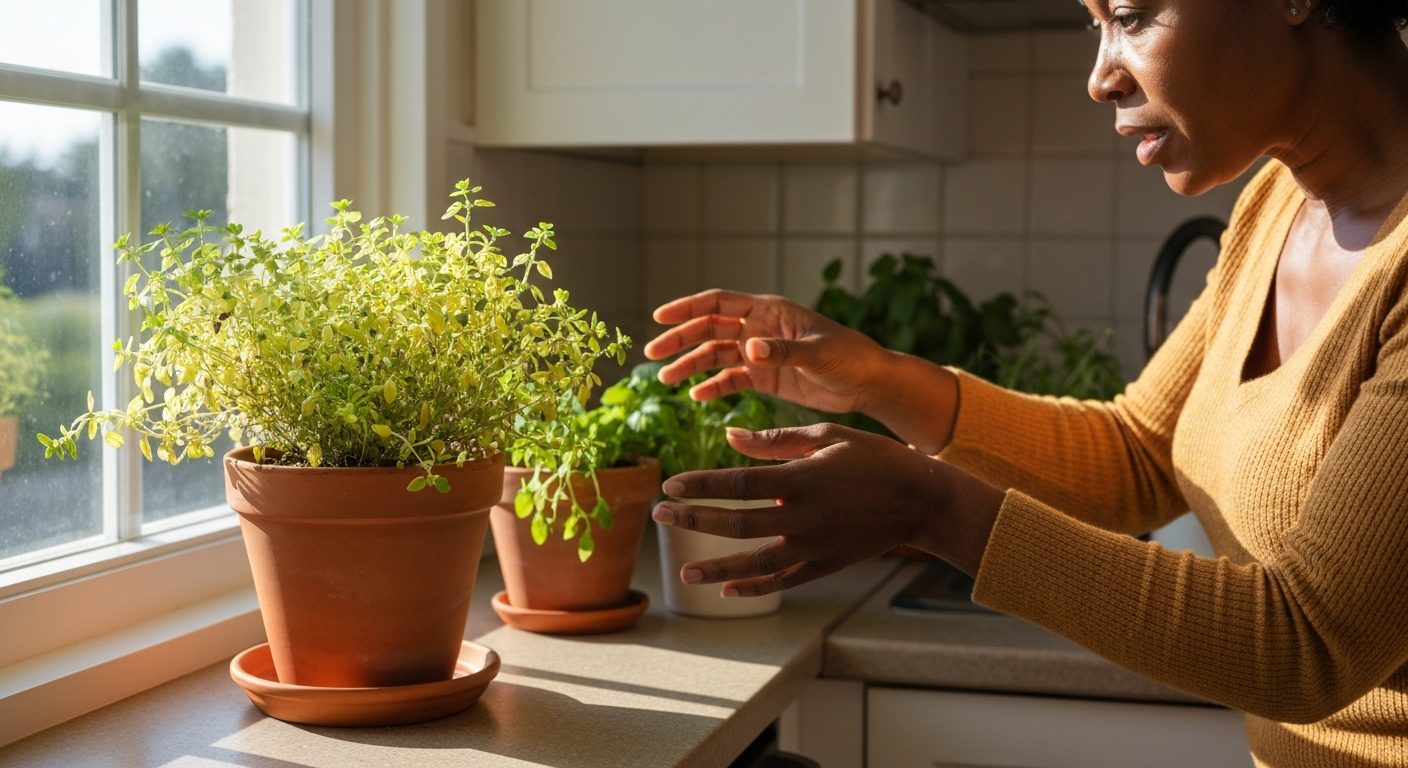

Thyme is dying because it's getting too much water, sitting in poorly drained soil, or not receiving enough sunlight — these three issues account for the majority of thyme plant failures in home gardens and containers.
Thyme is a Mediterranean herb that evolved on rocky, sun-baked hillsides with fast-draining soil and minimal rainfall. When you bring it into a typical garden bed or pot with rich, moisture-retentive soil and regular watering, you're essentially drowning a plant that thrives on neglect. The good news is that once you understand what thyme actually needs — which is often the opposite of what most plants want — you can usually reverse the decline or prevent it entirely. Below, you'll find the most common reasons your thyme is struggling in 2026, along with specific fixes that work.
| ✓Our Pick |
Quality herb garden soil mix for Mediterranean plants Backed by strong customer feedback — the most recommended solution in forums and Q&A communities. See on Amazon → |
Before diagnosing the cause, you need to identify which symptoms your thyme is showing — different problems produce different warning signs that point to specific root causes.
Thyme can decline in several distinct ways, and the pattern of decline tells you what's wrong:
| Symptom | What It Looks Like | Most Likely Cause |
|---|---|---|
| Yellowing leaves | Leaves turn pale yellow, starting from the base | Overwatering or poor drainage |
| Brown, crispy leaves | Dry, brittle foliage that crumbles | Underwatering or heat stress |
| Black or mushy stems | Soft, dark sections at the base | Root rot from excess moisture |
| Leggy, sparse growth | Long stems with few leaves | Insufficient sunlight |
| Gray fuzzy coating | Powdery substance on leaves | Fungal disease (often from humidity) |
| Wilting despite moist soil | Droopy leaves when soil is wet | Root rot — roots can't absorb water |
| Woody, bare center | Plant looks dead in the middle | Natural aging or lack of pruning |
If your thyme is yellowing and the soil feels damp, you're almost certainly overwatering. If it's crispy and the soil is bone dry, you need to water more. If it's leggy and pale green, it needs more sun.
| ✓Quick Fix |
The Quick Fix Most People Reach for First Most people dealing with this exact problem start here — quick, affordable, and easy to try today. See on Amazon → |
Overwatering is the number one killer of thyme plants — this drought-tolerant herb needs far less water than most gardeners provide.
Thyme's roots are adapted to dry conditions. In its native Mediterranean habitat, thyme survives months without significant rainfall. When you water it like a basil plant or a tomato, the roots sit in constant moisture and begin to rot.
Root rot is sneaky because the plant looks thirsty at first. The damaged roots can't absorb water properly, so the leaves wilt — and most people respond by watering more, which accelerates the problem.
"Thyme requires well-drained soil and should be allowed to dry out between waterings. Overwatering is the most common cause of thyme decline in home gardens." — University of Minnesota Extension
Signs you're overwatering:
- Soil feels wet more than a day after watering
- Yellow leaves starting at the bottom of the plant
- Soft, dark stems near the soil line
- Musty smell from the soil
- Plant wilts even when soil is moist
The fix: Water only when the top 2 inches of soil are completely dry. Stick your finger in — if it feels even slightly damp, wait. In most climates, established outdoor thyme needs watering only during extended dry spells. Potted thyme typically needs water every 7–14 days depending on conditions, not daily.
Even if you water correctly, thyme will die if water can't escape — heavy clay soil, compacted beds, and pots without drainage holes trap moisture around the roots.
Thyme doesn't just need less water; it needs water to move away from the roots quickly. Think of the rocky Mediterranean slopes where wild thyme grows — rain hits the ground and drains away within hours, leaving the roots in airy, barely-moist soil.
Most garden soil and potting mixes do the opposite. They're designed to retain moisture, which is great for vegetables but deadly for thyme.
Drainage problems in the ground:
- Clay soil holds water like a sponge
- Low spots in the garden collect runoff
- Mulch piled against the stems traps humidity
Drainage problems in pots:
- Containers without drainage holes
- Saucers that collect standing water
- Dense potting soil that stays wet for days
The fix: For ground planting, amend heavy soil with coarse sand or perlite to improve drainage, or plant thyme in raised beds filled with gritty soil. For pots, use a cactus/succulent mix or make your own by combining regular potting soil with 50% perlite. Always choose containers with drainage holes and never let pots sit in saucers of water.
Also Read: Why Is My House So Dusty? 9 Causes & Proven Fixes
Thyme needs at least 6–8 hours of direct sunlight daily — less than that produces weak, leggy plants that eventually die back.
As a Mediterranean native, thyme evolved under intense sun. When it doesn't get enough light, it stretches toward whatever light source it can find, producing long, spindly stems with sparse foliage. The plant also becomes more susceptible to fungal diseases because it can't dry out properly between waterings.
Indoor thyme is especially prone to light deprivation. A sunny windowsill might seem bright to you, but it's significantly dimmer than outdoor conditions. Even south-facing windows deliver only a fraction of the light intensity thyme receives in its natural habitat.
"Herbs native to the Mediterranean, including thyme, rosemary, and oregano, require full sun — a minimum of six hours of direct sunlight — to develop their characteristic flavor and maintain healthy growth." — University of Maryland Extension
Signs of insufficient light:
- Pale, yellowish-green leaves instead of deep green
- Long, stretched stems reaching toward windows or light sources
- Sparse foliage with large gaps between leaves
- Weak flavor when you harvest
The fix: Move potted thyme to your sunniest spot — outdoors if possible during warm months, or under grow lights indoors. For outdoor plants in partial shade, consider transplanting to a sunnier location. If you're growing thyme indoors year-round, invest in a full-spectrum LED grow light positioned 6–12 inches above the plant for 12–14 hours daily.
Thyme actually prefers poor, lean soil — the nutrient-rich garden beds and fertilized potting mixes that help most plants thrive can cause thyme to produce weak growth and become susceptible to disease.
This seems counterintuitive, but it's one of the reasons thyme fails in otherwise healthy gardens. In its native environment, thyme grows in rocky, nutrient-poor soil. Rich soil causes rapid, soft growth that's vulnerable to pests and diseases. The essential oils that give thyme its flavor and disease resistance are actually more concentrated in plants grown lean.
Signs your soil is too rich:
- Fast, floppy growth that won't stand upright
- Mild or barely-there flavor
- Increased pest and disease problems
- Leaves that are larger and greener than normal
The fix: Don't fertilize thyme. Seriously — it doesn't need it and doesn't want it. If you've been feeding your thyme, stop immediately. For new plantings, skip the compost and use a lean, gritty soil mix. If your thyme is in a rich garden bed, consider moving it to a less amended area or a container with minimal organic matter.
High humidity creates conditions for fungal diseases that can kill thyme — the plant needs good air circulation and relatively dry conditions around its foliage.
Thyme evolved in a climate with hot, dry summers. When grown in humid environments or crowded conditions, it becomes vulnerable to fungal infections like gray mold (Botrytis) and root rot organisms.
Common fungal symptoms:
- Gray, fuzzy growth on leaves and stems
- Brown or black spots on foliage
- Sudden wilting and death of entire branches
- Mushy, discolored stems
The fix: Space plants at least 12–18 inches apart to allow air circulation. Avoid overhead watering — water at the soil level instead. Remove any dead or dying material promptly. In very humid climates, consider growing thyme in containers that can be moved to covered areas during prolonged wet weather.
Thyme is technically a perennial, but it has a natural lifespan of 4–6 years and becomes progressively woodier and less productive as it ages.
If your thyme plant is several years old and developing a bare, woody center with new growth only at the tips, it may simply be reaching the end of its productive life. This isn't a failure — it's normal.
Thyme also experiences natural dormancy and appearance changes through the seasons. In cold climates, it may look completely dead in winter but return in spring. In very hot climates, it may struggle during the peak of summer heat.
Signs of natural aging vs. disease:
- Aging: Gradual development of woody stems over years, with new growth only at branch tips
- Disease: Sudden decline, soft or mushy tissue, abnormal discoloration
The fix: For aging plants, take cuttings from healthy growth to start new plants before the original dies. For seasonal dormancy, be patient and don't overwater a plant that looks dead but may be resting.
Also Read: Why Is My Lawn Mower Smoking? 7 Causes & Quick Fixes
If your thyme is declining but not completely dead, you can often save it by addressing the root cause — here's how to diagnose and act.
Step 1: Check the soil moisture
Stick your finger 2 inches into the soil. Wet or damp? Stop watering immediately. Bone dry? Give it a thorough drink and improve your watering schedule.
Step 2: Examine the roots
If the soil was wet, gently remove the plant and inspect the roots. Healthy roots are white or tan and firm. Rotted roots are brown, black, or mushy. If you find rot, trim away all affected roots with clean scissors.
Step 3: Improve drainage
Repot into fresh, gritty soil (cactus mix works well) in a container with drainage holes. For ground-planted thyme, consider transplanting to a raised bed or mound.
Step 4: Relocate if needed
Move the plant to a sunnier spot if it's been receiving less than 6 hours of direct light.
Step 5: Prune damaged growth
Cut away any dead, brown, or mushy stems back to healthy tissue. Don't be afraid to remove up to one-third of the plant if necessary.
Step 6: Let it recover
Water sparingly and resist the urge to fertilize. Recovery takes 2–4 weeks if the plant is viable.
| Factor | Ideal for Thyme | Common Mistake |
|---|---|---|
| Water | Only when top 2" of soil is dry | Watering daily or on a schedule |
| Soil | Sandy, fast-draining, pH 6.0–8.0 | Rich, moisture-retentive potting mix |
| Sunlight | 6–8+ hours direct sun daily | Partial shade or indoor windowsill |
| Fertilizer | None or very light | Regular feeding like vegetables |
| Humidity | Low to moderate | Crowded planting or humid locations |
| Container | Terracotta with drainage holes | Plastic pot with saucer underneath |
| Pruning | Regular harvesting prevents woodiness | Letting plant grow untouched for years |
Your thyme is most likely dying from overwatering, poor drainage, or insufficient sunlight — all fixable problems once you understand that this Mediterranean herb thrives on conditions that would stress most plants. Stop watering so much, ensure excess water can escape, give it at least 6 hours of direct sun, skip the fertilizer, and your thyme should recover within a few weeks. For older plants that have become woody and unproductive, take cuttings to start fresh rather than trying to revive them.
Indoor thyme almost always dies from insufficient light. Even a sunny windowsill provides far less light intensity than outdoor conditions. If your indoor thyme is leggy, pale, or declining, it needs more light — either move it outdoors seasonally or provide 12–14 hours of artificial grow light daily. Overwatering is the second most common indoor killer, since potted plants in climate-controlled homes dry out much more slowly than outdoor plants.
Brown, woody stems at the base of an older thyme plant are a natural part of aging. Thyme is a subshrub, meaning it develops woody tissue over time. Without regular pruning or harvesting, the plant becomes increasingly woody with new growth only at the tips. To prevent this, harvest or trim thyme regularly throughout the growing season, cutting back into the green growth (never into bare wood). For severely woody plants, start new plants from cuttings.
Wilting in moist soil is the classic sign of root rot. When roots are damaged by excessive moisture, they can't absorb water — so the plant wilts from dehydration even though it's sitting in wet soil. Watering more at this point makes the problem worse. Remove the plant, inspect the roots, trim any that are brown or mushy, and replant in fresh, fast-draining soil. Water very sparingly until the plant shows signs of recovery.
Most thyme varieties are hardy to USDA zones 5–9 and can survive winters in the ground with minimal protection. In cold climates, thyme may look dead in winter but will regrow in spring — don't pull it up prematurely. Potted thyme is more vulnerable because container soil freezes solid; move pots to a protected area like an unheated garage, or insulate them with mulch. The biggest winter killer isn't cold — it's wet soil that freezes around the roots.
Light trimming in early fall is fine, but avoid heavy pruning after late summer. Thyme needs time to harden off before winter, and severe pruning stimulates tender new growth that's vulnerable to frost damage. Save major pruning for spring when the plant is actively growing. However, you can continue light harvesting for culinary use right up until the first hard freeze.
Reviewed and Updated on June 20, 2026 by George Wright