
Technology
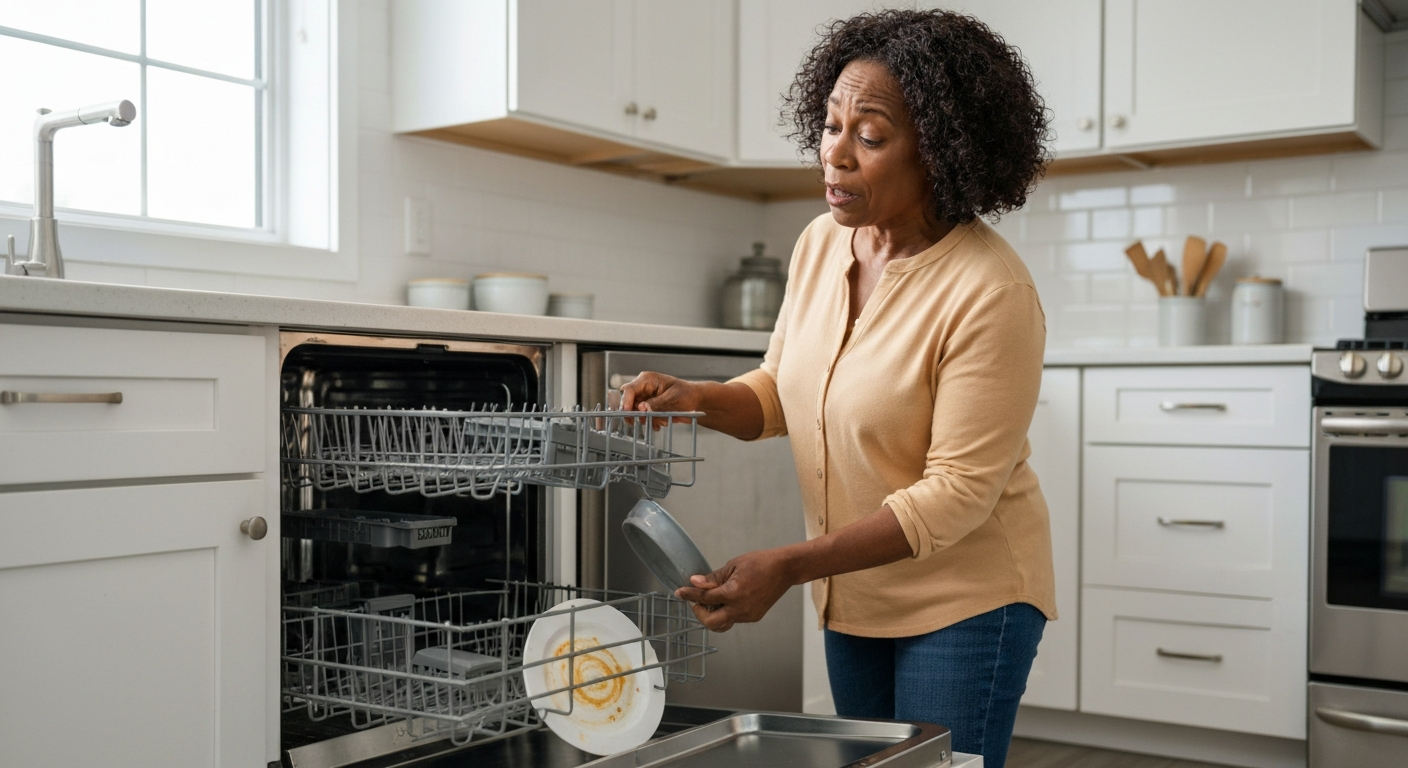

Your dishwasher isn't cleaning properly because of clogged spray arms, a dirty filter, incorrect loading, hard water buildup, water temperature issues, or a failing wash pump—and most of these fixes take under 15 minutes with no tools required.
If you're pulling out dishes with gritty residue, cloudy glasses, or food still stuck to plates, you're not alone. A dishwasher that isn't getting dishes clean is one of the most common appliance complaints, and the good news is that 90% of the time, the cause is something you can diagnose and fix yourself without calling a repair technician.
| ✓Quick Fix |
The First Thing Most People Try Most people dealing with this exact problem start here — quick, affordable, and easy to try today. See on Amazon → |
Every dishwasher gradually loses cleaning power as food particles, grease, and mineral deposits accumulate in key components—the filter, spray arms, and interior surfaces are the usual culprits.
Modern dishwashers rely on precise water pressure, temperature, and detergent action working together. When any of these elements gets compromised, cleaning performance drops noticeably. Unlike older models with self-cleaning hard food disposers, most dishwashers made since 2010 use manual-clean filters that require regular maintenance.
"The filter is designed to prevent food particles from recirculating onto clean dishes, but if it becomes clogged, water flow is restricted and cleaning performance suffers significantly." — Bosch Home Appliances
The shift to energy-efficient cycles also means modern dishwashers use less water and lower temperatures than their predecessors. While this saves energy, it leaves less margin for error—a slightly clogged spray arm or the wrong detergent can make the difference between sparkling dishes and disappointing results.
The following causes account for nearly every case of poor dishwasher performance, ranked from most common to least common based on repair industry data.
The filter is the single most overlooked maintenance item. Located at the bottom of the dishwasher tub (usually under the lower spray arm), it traps food debris to prevent it from redepositing on dishes. A clogged filter restricts water flow and forces dirty water to recirculate.
Check your filter monthly. Remove it by twisting counterclockwise, rinse under hot water, and scrub with a soft brush to remove grease buildup. If you can't remember the last time you cleaned it—or never have—this is likely your problem.
Spray arms have small holes that shoot pressurized water across your dishes. These holes clog easily with food particles, hard water deposits, and bits of broken glass or plastic. Even partial blockages dramatically reduce cleaning coverage.
Remove each spray arm (most pop or unscrew off easily) and hold it up to light. If you can't see through the holes, use a toothpick or wooden skewer to clear them. Run the arm under hot water to flush out debris. While you're at it, spin the arms by hand to make sure they rotate freely—a stuck spray arm leaves entire sections of dishes unwashed.
How you load matters more than most people realize. Dishes blocking the spray arms, bowls facing the wrong direction, or overcrowding can prevent water from reaching surfaces.
Follow these loading principles:
- Face all soiled surfaces toward the center and down
- Angle bowls and cups so water drains off rather than pooling
- Leave space between items—water needs room to circulate
- Never let large items (cutting boards, pans) block the spray arm rotation
- Place plastics on the top rack only (they're lighter and can flip, trapping dirty water)
| Rack Position | Best For | Common Mistakes |
|---|---|---|
| Top rack | Glasses, cups, small bowls, plastics | Nesting items together, blocking upper spray arm |
| Bottom rack | Plates, pots, large items | Overcrowding, blocking lower spray arm and filter |
| Utensil basket | Forks, spoons, knives | Nesting utensils together, placing knives blade-up |
| ✓Our Pick |
Dishwasher cleaning tablets and machine cleaners Simple to use and genuinely effective — for many people this is all they ever needed. See on Amazon → |
Hard water contains dissolved calcium and magnesium that leave white, chalky residue on dishes and inside your dishwasher. Over time, these mineral deposits coat spray arm nozzles, heating elements, and sensors, reducing efficiency.
Signs of hard water damage include:
- White film or spots on glasses
- Crusty buildup around the spray arms
- Reduced water pressure during cycles
If you have hard water, use a dishwasher cleaner monthly (citric acid-based products work well) and consider adding a rinse aid to every load. For severe hard water, a whole-house water softener is the long-term solution.
"Mineral buildup from hard water can reduce dishwasher efficiency by up to 20% and is a leading cause of premature appliance failure." — Water Quality Association
Dishwashers need water at 120–125°F (49–52°C) to dissolve detergent properly and cut through grease. If your water heater is set too low, or if the dishwasher is far from the water heater, water may arrive lukewarm.
Test this by running your kitchen faucet on hot until it's as hot as it gets, then filling a glass and checking with a kitchen thermometer. If it's below 120°F, raise your water heater setting slightly. You can also run the hot water at your sink for 30 seconds before starting the dishwasher to ensure hot water enters the machine from the start.
Not all detergents are equal, and using the wrong type—or too much—causes problems. Excess detergent creates excessive suds that cushion dishes from water spray and leave residue. Using liquid dish soap (the kind for hand washing) instead of dishwasher detergent will cause a sudsy disaster.
Detergent pods and tablets are pre-measured, which helps prevent overuse. If you use powder or gel, follow the manufacturer's fill line—more isn't better. For soft water areas, you may need even less detergent than recommended.
Also Read: Why Is My House So Dusty? 9 Causes & Proven Fixes
If you've addressed all the above and dishes still come out dirty, the wash pump may be weakening. The pump pressurizes water through the spray arms—when it fails, you'll notice weak water spray or unusual humming sounds during the cycle.
Listen during a wash cycle. You should hear strong water circulation. A failing pump often makes grinding or high-pitched whining noises before it dies completely. This repair typically costs $150–$300 and is worth doing on dishwashers less than 8 years old.
The water inlet valve controls how much water enters the dishwasher. If it's partially clogged or failing, the dishwasher won't fill adequately, leaving too little water to clean effectively.
Signs of an inlet valve problem include:
- Long fill times at the start of cycles
- Low water level visible when you open mid-cycle
- Humming sound but no water entering
This is a more involved repair that usually requires a technician, though handy homeowners can replace the valve themselves with the correct part.
A monthly deep clean removes grease, mineral deposits, and odors that accumulate even with regular use.
Follow these steps:
Repeat monthly for best results. If you notice odors between cleanings, leave the door slightly ajar after cycles to let the interior dry completely.
Also Read: Why Is My Dryer Taking So Long to Dry?
Some dishwasher problems require professional diagnosis—call for help if you notice electrical issues, persistent leaks, or component failures after basic troubleshooting.
Contact a technician if:
- The dishwasher won't fill with water at all
- You hear grinding or loud mechanical noises
- Water leaks from the door or underneath the unit
- The control panel shows error codes you can't clear
- Basic cleaning and maintenance don't improve performance
For dishwashers over 10 years old, compare repair costs against replacement. A new mid-range dishwasher costs $500–$800 installed, and modern models often clean better while using less water and energy.
Your dishwasher isn't cleaning because of clogged filters, blocked spray arms, improper loading, hard water buildup, low water temperature, wrong detergent, or failing mechanical components. Start by cleaning the filter and spray arms—these two fixes solve the majority of cases. Load dishes correctly, use the right amount of detergent, and run a monthly cleaning cycle to maintain performance. If problems persist after basic maintenance, check water temperature and listen for pump issues before calling a technician.
If the filter is clean but dishes are still dirty, the spray arms are the next most likely culprit. Remove each arm and check for clogged holes—hard water deposits and food particles accumulate inside the nozzles over time. Also verify that nothing in your load is blocking the arms from spinning freely. Water temperature below 120°F and using old or low-quality detergent can also cause poor results even with a clean filter.
Most manufacturers recommend cleaning the filter every 1–4 weeks depending on usage. If you pre-rinse dishes thoroughly, monthly cleaning is usually sufficient. If you scrape but don't rinse, check and clean the filter weekly. You'll know it needs cleaning when dishes come out gritty or you notice unpleasant odors from the machine.
Yes, white vinegar is effective and safe for regular dishwasher cleaning. Place a dishwasher-safe cup or bowl filled with two cups of white vinegar on the top rack and run a hot cycle with nothing else inside. The vinegar dissolves grease, removes mineral deposits, and neutralizes odors. For deep cleaning, follow the vinegar cycle with a baking soda treatment—sprinkle a cup on the floor of the empty dishwasher and run a short hot cycle.
Cloudy glasses are caused by either hard water mineral deposits or etching. Hard water cloudiness can be removed by soaking glasses in vinegar—if the cloudiness disappears, use rinse aid and dishwasher cleaner regularly to prevent future buildup. Etching (permanent microscopic scratches) cannot be reversed and is caused by soft water, too much detergent, or excessively hot water. If you have soft water, reduce your detergent amount and avoid the high-heat drying option.
Dishwasher odors come from food debris trapped in the filter, door gasket, or spray arm assembly. Clean all three components thoroughly. Standing water in the bottom (which can indicate a drainage problem) also causes odors. After cleaning, run an empty cycle with vinegar or a commercial dishwasher cleaner. To prevent future smells, leave the door slightly open after cycles to allow the interior to dry completely.
Reviewed and Updated on June 20, 2026 by George Wright