Technology
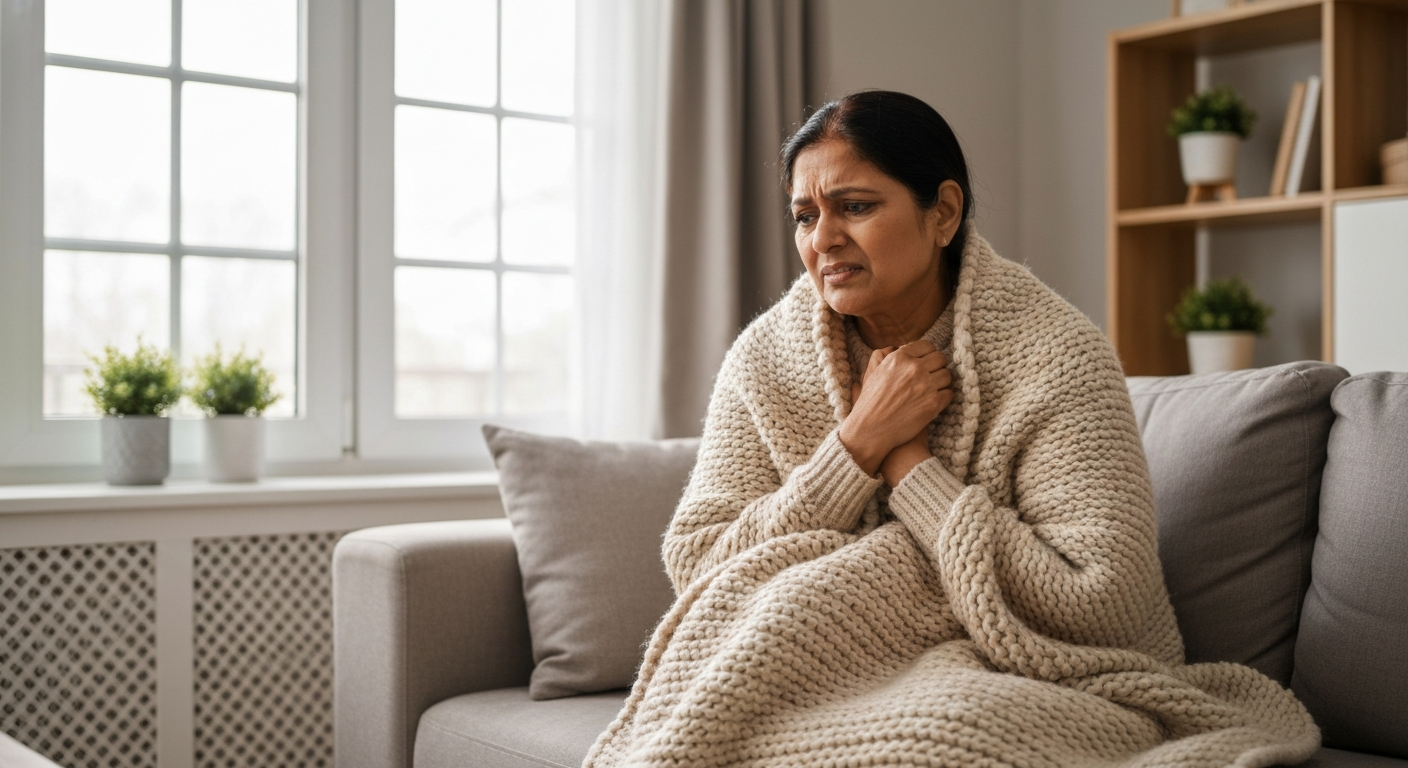

Your house feels colder than the outdoor temperature because of poor insulation, thermal mass effects, air leaks, or HVAC problems that prevent your home from warming up or retaining heat properly — and the same principles explain why some homes trap heat and stay hotter than outside during summer months.
The frustrating reality is that your thermostat might read 68°F while you're reaching for a sweater, even when it's 72°F outside. This disconnect between indoor comfort and outdoor conditions comes down to how buildings gain, lose, and store heat. Understanding these mechanisms helps you pinpoint exactly what's wrong — and fix it without wasting money on the wrong solutions.
Also Read: Why Is My House So Dusty? 9 Causes & Proven Fixes
| ✓Quick Fix |
The First Thing Most People Try Most people dealing with this exact problem start here — quick, affordable, and easy to try today. See on Amazon → |
Your home's temperature depends on heat transfer dynamics, not just the air temperature outside — walls, windows, and air movement all influence how warm or cold you actually feel indoors.
Buildings don't instantly equalize with outdoor temperatures. Instead, they act as thermal systems with inputs (sunlight, heating systems, appliances) and outputs (heat loss through walls, windows, and air leaks). When these systems are out of balance, you end up with a house that feels colder — or hotter — than the weather outside suggests it should.
The phenomenon works both ways. In winter, a poorly insulated home hemorrhages heat faster than your furnace can replace it. In summer, that same home might trap solar heat and humidity, making your apartment hotter than outside even with air conditioning running.
"The building envelope — walls, roof, windows, and foundation — is your first line of defense against outdoor temperatures. When it fails, no amount of heating or cooling can fully compensate." — U.S. Department of Energy
Multiple factors work together to make your home feel frigid — identifying which ones apply to your situation is the first step toward a warmer house.
Insulation acts as a thermal barrier, slowing heat transfer between your home and the outdoors. When insulation is inadequate, damaged, or missing entirely, heat escapes rapidly through walls, attics, and floors. An uninsulated attic alone can account for 25% of your home's heat loss.
Older homes built before modern energy codes often have little to no wall insulation. Even newer homes may have insulation that has settled, gotten wet, or been disturbed by renovations or pest activity. The result is walls that feel cold to the touch and rooms that never seem to warm up.
Air infiltration is often the biggest culprit when your house feels colder than it should. Gaps around windows, doors, electrical outlets, plumbing penetrations, and attic hatches create pathways for cold outdoor air to enter and warm indoor air to escape.
A typical American home has enough air leaks to equal a 2-square-foot hole in the wall. These leaks create drafts that make you feel cold even when the thermostat reads a comfortable temperature. The wind chill effect from moving air makes 68°F feel more like 62°F.
Thermal mass refers to materials that absorb and store heat — concrete, brick, tile, and stone. These materials take a long time to warm up but also hold temperature for extended periods.
If your home has concrete floors, brick walls, or a stone foundation, these surfaces may stay cold for days after outdoor temperatures rise. You're essentially living with a giant cold storage unit that slowly radiates coolness into your rooms. This effect is particularly noticeable in basements and homes with slab foundations.
A malfunctioning heating system can't keep pace with heat loss. Common issues include:
| Problem | Symptom | Impact |
|---|---|---|
| Dirty air filter | Reduced airflow | System works harder, delivers less heat |
| Thermostat malfunction | Incorrect temperature readings | Heat cycles on and off incorrectly |
| Duct leaks | Warm air lost to attic/crawlspace | 20-30% heating loss |
| Undersized furnace | Constant running, never reaching setpoint | Rooms stay cold |
| Pilot light/ignition failure | No heat production | System runs but produces cold air |
Single-pane windows and older double-pane units with failed seals transfer cold rapidly. You can lose 25-30% of your heating energy through inefficient windows. The glass surface becomes so cold it creates a convective current — warm room air hits the cold glass, cools, drops to the floor, and pulls more warm air toward the window.
This draft cycle makes you feel cold even with the heat running. Stand near a window on a cold day; if you feel a distinct chill, the window is a major heat loss pathway.
South-facing windows provide passive solar heating during winter — free warmth from sunlight streaming in. Homes with limited southern exposure, heavy tree coverage, or closed blinds miss this heat input entirely.
Conversely, too much solar gain without adequate cooling creates homes that are hotter than outside during summer. Large west-facing windows in apartments are notorious for trapping afternoon heat.
Low indoor humidity makes cold feel colder. Dry winter air — often below 30% relative humidity indoors — increases evaporation from your skin, creating a cooling effect. Your house might be 70°F, but at 20% humidity, it feels closer to 65°F.
This is why many people find the same temperature comfortable in humid summer conditions but chilly in dry winter conditions.
Apartments trap heat through a combination of solar gain, insufficient ventilation, and heat transfer from neighboring units — creating indoor temperatures that exceed outdoor readings.
Upper-floor apartments are particularly vulnerable. Heat rises, so your unit absorbs warmth from apartments below. Rooftop proximity means your ceiling radiates heat from a sun-baked roof. Add west-facing windows and inadequate air conditioning, and you've created an oven.
"In multi-family buildings, heat transfer between units can account for 20-40% of cooling loads. A cool apartment below an occupied unit gains heat from the neighbors above." — ASHRAE Fundamentals Handbook
Concrete and steel construction common in apartment buildings has high thermal mass. These materials absorb solar heat during the day and release it slowly overnight, keeping your apartment warm well after the sun sets and outdoor temperatures drop.
Limited cross-ventilation compounds the problem. Without airflow through multiple windows on opposite sides, hot air has nowhere to go. Single-exposure apartments rely entirely on mechanical cooling, which may be undersized for the heat load.
A systematic approach helps you identify which factors apply to your home, so you can prioritize fixes that actually make a difference.
Walk through your home looking for obvious problems:
Light an incense stick and hold it near windows, doors, electrical outlets, and other penetrations on a windy day. Watch the smoke — if it blows horizontally or gets sucked in/out, you've found an air leak.
In the attic, insulation should be evenly distributed and at least 10-14 inches deep for fiberglass batts (R-38 to R-60 depending on climate zone). Look for:
For $200-500, a professional energy auditor uses blower door tests and infrared cameras to identify exactly where your home loses heat. This investment often pays for itself by directing your repair budget to the most impactful fixes.
Targeted improvements can dramatically change how your home maintains temperature — start with the cheapest, highest-impact solutions and work up from there.
Caulk and weather stripping cost under $50 and can reduce heating bills by 10-20%. Focus on:
Attic insulation offers the best return on investment. Blown-in cellulose or fiberglass costs $1-2 per square foot installed and can cut heating costs by 15-25%. Wall insulation is more expensive but worthwhile in severely under-insulated homes.
Before replacing windows entirely, try these lower-cost options:
Full window replacement costs $300-1,000 per window but may be necessary for single-pane or severely failed units.
Annual professional maintenance costs $100-200 and ensures your system operates efficiently. Between visits, replace air filters monthly during heating season and keep vents clear of furniture and debris.
If you have forced-air heating, leaky ducts in unconditioned spaces (attics, crawlspaces) waste 20-30% of heated air. Professional duct sealing costs $300-500 and pays back quickly. DIY sealing with mastic or metal tape helps for accessible sections.
A whole-house humidifier ($150-500 installed) maintains 30-50% indoor humidity during winter. Even a portable humidifier in main living areas helps. Higher humidity lets you feel comfortable at lower thermostat settings, reducing heating costs.
Open south-facing blinds during sunny winter days to capture free heat. Close them at night to reduce heat loss through windows. In summer, keep blinds closed on west and south windows during afternoon hours to reduce cooling loads.
Programmable thermostats ensure heat runs when you need it and reduces when you don't. Smart models learn your patterns and adjust automatically, saving 10-15% on heating costs while maintaining comfort.
| ✓Our Pick |
Infrared space heaters for cold rooms Backed by strong customer feedback — the most recommended solution in forums and Q&A communities. See on Amazon → |
Your house feels colder than outside primarily due to poor insulation, air leaks, thermal mass effects, or HVAC problems — and apartments often feel hotter than outside because of solar heat gain, heat transfer from neighboring units, and inadequate ventilation. Start by sealing air leaks and checking insulation levels, as these low-cost fixes often solve the problem. If your home still won't maintain comfortable temperatures, a professional energy audit identifies exactly where heat is escaping so you can make targeted improvements rather than guessing.
Your home traps heat through solar gain from windows, heat transfer through poorly insulated walls and roof, and internal heat sources like appliances and electronics. If your AC unit is undersized, has dirty filters, or low refrigerant, it can't remove heat as fast as it accumulates. Upper-floor apartments and homes with west-facing windows are particularly prone to this problem during summer afternoons.
Thermal mass in your building — concrete, brick, and steel — absorbs solar heat during the day and releases it slowly overnight. This means your apartment stays warm even after outdoor temperatures drop. Limited ventilation and heat transfer from neighboring units compound the effect, keeping indoor temperatures elevated well into the night.
Yes, many effective fixes cost under $100. Start with weather stripping and caulk around windows and doors, add foam gaskets behind outlet covers on exterior walls, and use thermal curtains or window insulation film. These improvements often reduce drafts enough to make a noticeable difference. Adding a humidifier also helps you feel warmer at lower thermostat settings.
Touch your exterior walls on a cold day — if they feel significantly colder than interior walls, insulation may be inadequate. In the attic, check that insulation is evenly distributed and at least 10 inches deep. Look for gaps, compressed areas, or signs of moisture damage. A professional energy audit with infrared imaging provides definitive answers about insulation performance.
Thermostat temperature doesn't account for humidity, air movement, or radiant cold from surfaces. At low humidity (common in winter), 70°F feels cooler because moisture evaporates faster from your skin. Drafts from air leaks create wind chill. Cold window glass and poorly insulated walls radiate coldness that makes you uncomfortable even when air temperature is adequate.
Reviewed and Updated on June 20, 2026 by George Wright