Sleep
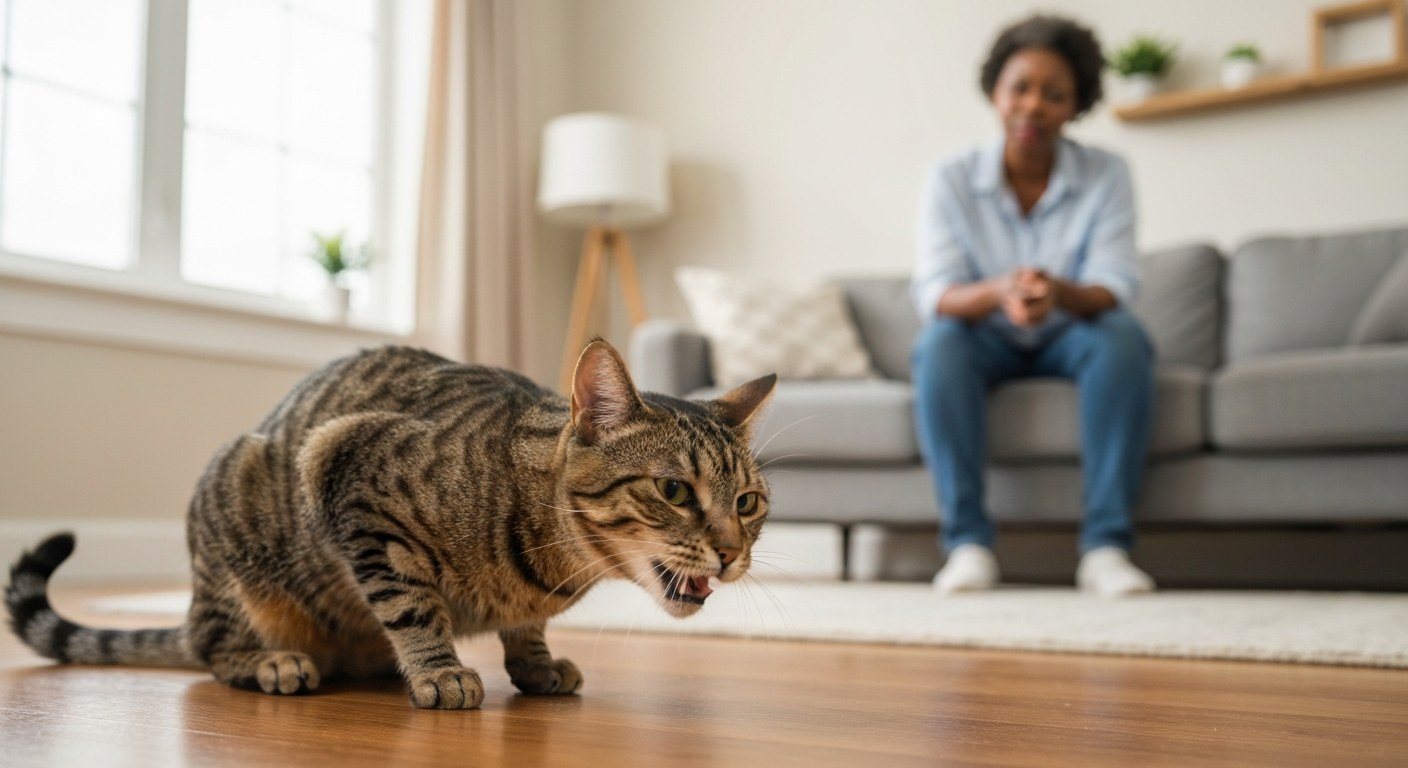

Your cat is wheezing and coughing because something is irritating or obstructing their airways — most commonly feline asthma, respiratory infections, hairballs, allergies, or inhaled foreign objects.
While occasional coughing can be harmless, persistent wheezing combined with coughing often signals a condition that needs veterinary attention. The good news is that most causes are treatable once properly diagnosed.
| ✓Our Pick |
Emergency vet fund with 24/7 online vet access for cats No special skills required — straightforward to use and most orders ship quickly. Learn More → |
Wheezing is a high-pitched whistling sound your cat makes while breathing, while coughing is a sharp, hacking noise often accompanied by your cat extending their neck and crouching low to the ground.
Many cat owners mistake coughing for vomiting or hairball expulsion. Here's how to tell them apart:
| Sound/Behavior | What It Looks Like | What It Usually Means |
|---|---|---|
| Wheezing | Whistling or squeaking during breathing, especially exhaling | Narrowed airways from inflammation or obstruction |
| Coughing | Neck extended, body crouched, hacking sound, sometimes ends with a gag | Airway irritation or attempting to expel something |
| Retching/Hairball | Repeated gagging motions followed by vomiting a tubular mass | Normal hairball expulsion |
| Sneezing | Short bursts from the nose, head shaking | Upper respiratory irritation or infection |
Understanding this difference helps you describe your cat's symptoms accurately to a veterinarian, which speeds up diagnosis.
Feline asthma is the most common cause of chronic wheezing and coughing in cats, affecting approximately 1–5% of the feline population.
Asthma occurs when your cat's airways become inflamed and constricted in response to environmental triggers. You'll notice your cat crouching low with their neck extended, breathing rapidly, and making a distinct wheezing sound. Episodes may come and go, often worsening during certain seasons or after exposure to specific irritants.
"Feline asthma is a chronic inflammatory disease of the lower airways. Cats with asthma experience bronchoconstriction, which makes breathing difficult." — Cornell Feline Health Center
Common asthma triggers include dust from litter, cigarette smoke, household cleaners, air fresheners, pollen, and mold spores. If your cat's wheezing seems to flare up after you clean the house or change litter brands, asthma is a strong possibility.
Upper respiratory infections (URIs) caused by viruses like feline herpesvirus or calicivirus frequently cause coughing, wheezing, sneezing, and nasal discharge.
These infections are highly contagious and particularly common in cats from shelters, multi-cat households, or those with weakened immune systems. Along with respiratory symptoms, you may notice watery eyes, fever, reduced appetite, and lethargy.
Bacterial infections can also develop secondary to viral infections, making symptoms worse. If your cat's wheezing appeared suddenly alongside other cold-like symptoms, an infection is the likely culprit.
Also Read: Why Is My Kitten Sneezing With Watery Eyes? 6 Causes & Fixes
Hairballs can cause repeated coughing and gagging as your cat tries to expel the accumulated fur from their digestive tract.
While hairballs eventually come up as vomited masses, the process of getting them out involves a lot of hacking and retching that sounds alarming. Long-haired cats and cats who groom excessively are more prone to this issue.
However, if your cat is coughing frequently but rarely produces an actual hairball, something else is likely going on. Chronic "hairball cough" without hairballs often turns out to be asthma.
Environmental allergies can trigger airway inflammation that causes your cat to start wheezing all of a sudden, especially during seasonal changes.
Cats can be allergic to pollen, dust mites, mold, certain foods, and even other pets in the household. Unlike asthma, which tends to cause more severe breathing episodes, allergies often produce milder but persistent symptoms including sneezing, itchy skin, and mild wheezing.
If your cat's wheezing started suddenly and coincided with a new product in your home, a season change, or a dietary switch, allergies deserve investigation.
A foreign object lodged in your cat's airway will cause sudden, severe coughing and wheezing that starts out of nowhere.
Cats are curious creatures, and small items like grass blades, plant material, or tiny toy parts can get inhaled during play or exploration. If your cat was completely fine one moment and suddenly started violent coughing, this is an emergency possibility.
Signs of a foreign body include pawing at the mouth, drooling, gagging, and distressed breathing. This requires immediate veterinary attention — don't try to reach into your cat's throat yourself.
Unlike dogs, cats with heart disease rarely cough — but when they do, it signals advanced illness that needs urgent care.
Heart conditions like hypertrophic cardiomyopathy can eventually cause fluid buildup in or around the lungs (pulmonary edema or pleural effusion), leading to labored breathing and occasional coughing. Other signs include lethargy, loss of appetite, and breathing with an open mouth.
"Coughing is rarely associated with heart disease in cats. When present, it often indicates significant disease progression." — American Association of Feline Practitioners
If your cat is coughing, breathing rapidly even at rest, and seems weak, heart disease should be ruled out.
Lungworms and heartworms can infest your cat's respiratory system and cause chronic coughing and wheezing.
Lungworms are contracted when cats eat infected prey like birds, rodents, or snails. Heartworms are transmitted through mosquito bites. Both parasites can cause significant respiratory symptoms, though they're less common than other causes on this list.
Cats who spend time outdoors or in areas with high mosquito populations are at greater risk. Your vet can test for these parasites with blood work and fecal examinations.
Seek emergency veterinary care immediately if your cat shows any of these danger signs:
| 🐾Find a Vet |
Find a specialist vet near you VetClinic.info is a free directory of board-certified specialist vets across the US — find an orthopedic surgeon, oncologist, neurologist, or emergency clinic near you in seconds. Find Near You → |
These symptoms indicate your cat is struggling to get enough oxygen and needs intervention within hours, not days.
Also Read: Why Is My Cat Sneezing Blood but Acting Normal? 7 Causes
Your veterinarian will use a combination of physical examination, imaging, and laboratory tests to determine why your cat is wheezing.
| Diagnostic Test | What It Reveals | When It's Used |
|---|---|---|
| Physical exam | Heart rate, lung sounds, breathing pattern | Every visit |
| Chest X-rays | Airway inflammation, fluid, tumors, heart size | Suspected asthma, heart disease, or infection |
| Bloodwork | Infection markers, organ function, parasite antibodies | Most cases to assess overall health |
| Fecal exam | Lungworm larvae | Outdoor cats or suspected parasites |
| Bronchoscopy | Direct visualization of airways | Chronic cases unresponsive to treatment |
| Bronchoalveolar lavage (BAL) | Airway cell samples for analysis | Confirming asthma vs. infection |
The diagnostic process typically starts with X-rays and bloodwork. If those don't provide clear answers, more specialized tests may follow.
Treatment depends entirely on the underlying cause, ranging from simple environmental changes to long-term medication.
Asthma management typically involves corticosteroids to reduce airway inflammation and bronchodilators to open constricted airways during acute attacks. Many cats do well with inhaled medications delivered through a specially designed cat inhaler (like the AeroKat chamber), which minimizes systemic side effects compared to oral steroids.
Environmental management is equally important. Switching to dust-free litter, avoiding scented products, using HEPA air purifiers, and keeping your home smoke-free can dramatically reduce asthma flare-ups.
Viral infections typically resolve on their own within 7–14 days with supportive care including rest, hydration, and nutritious food. If a secondary bacterial infection develops, your vet will prescribe antibiotics. Severe cases may require hospitalization for IV fluids and oxygen therapy.
Regular brushing reduces the amount of fur your cat swallows during grooming. Hairball-formula foods and petroleum-based hairball remedies help lubricate ingested fur so it passes through the digestive tract instead of accumulating. If hairballs are frequent, your vet may recommend investigating underlying skin conditions or behavioral causes of overgrooming.
Lungworms and heartworms require specific antiparasitic medications prescribed by your veterinarian. Treatment protocols vary based on the parasite type and severity of infection. Prevention through monthly heartworm preventatives is safer than treating an established infection.
While veterinary diagnosis is essential, these home care strategies can help reduce airway irritation:
| ✓Our Pick | ||
Premium science-backed food and supplements for cats You'll wonder why you didn't try this sooner — practical, well-reviewed, and easy to get started.
|
Your cat's wheezing and coughing is most likely caused by feline asthma, a respiratory infection, hairballs, allergies, or an inhaled foreign object. While occasional coughing may be harmless, persistent symptoms warrant veterinary examination to rule out serious conditions like heart disease or parasites. Most causes respond well to treatment once properly diagnosed, and environmental changes at home can significantly reduce airway irritation. If your cat shows signs of respiratory distress like open-mouth breathing or blue gums, seek emergency care immediately.
Sudden wheezing that appears out of nowhere is often triggered by a new environmental irritant, the onset of an allergic reaction, or an inhaled foreign object. If your cat was fine yesterday and is wheezing today, think about any recent changes — new cleaning products, air fresheners, litter brands, or open windows bringing in pollen. Sudden severe wheezing with distress is an emergency that requires immediate vet attention.
A cat who coughs frequently but maintains normal appetite, energy, and behavior often has early-stage asthma or chronic mild allergies. Because cats hide illness well, "acting fine" doesn't rule out a problem developing. Frequent coughing warrants a vet visit even if your cat seems healthy — catching asthma early leads to better long-term management.
Absolutely. Indoor cats are actually more prone to asthma because they're exposed to concentrated indoor allergens like dust, cleaning chemicals, and cigarette smoke. They can also catch respiratory infections from new cats introduced to the home or from viruses carried in on human clothing. Indoor-only status doesn't protect against respiratory issues.
A cough is serious if it occurs multiple times daily, persists for more than a week, gets progressively worse, is accompanied by loss of appetite or lethargy, produces blood, or comes with labored breathing. Single episodes of coughing followed by normal behavior are less concerning, but patterns of recurring coughs need veterinary investigation.
No. Feline asthma is a chronic condition that requires ongoing management. Without treatment, asthma typically worsens over time, and severe attacks can be life-threatening. The good news is that with proper medication and environmental control, most asthmatic cats live normal, comfortable lives with well-managed symptoms.
Reviewed and Updated on June 16, 2026 by George Wright