Sleep
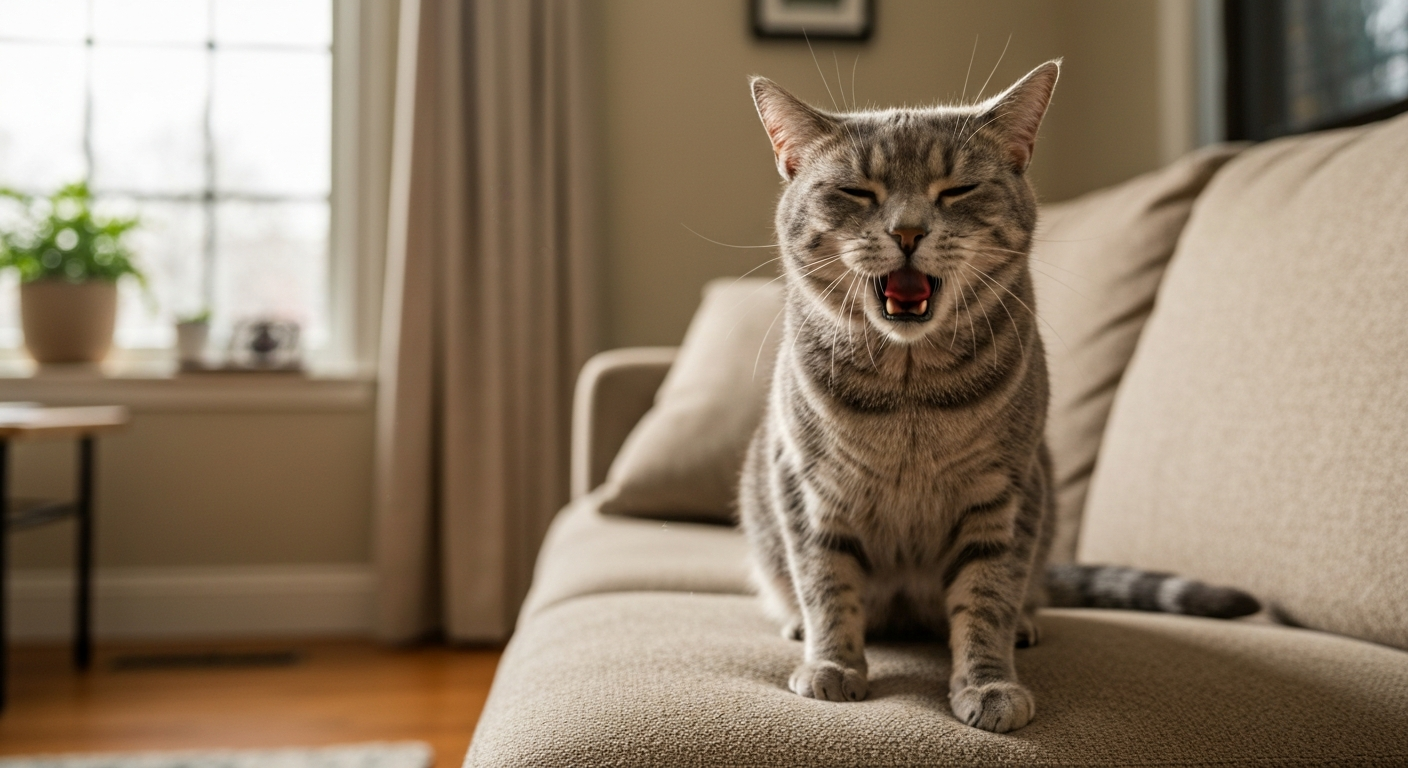

A cat sneezing blood while otherwise acting normal typically signals localized irritation or minor injury in the nasal passages—often from a foreign object, mild infection, or dry air—rather than an immediate life-threatening emergency, but any bloody discharge warrants a veterinary evaluation within 24 to 48 hours to rule out more serious causes like dental disease, fungal infections, or nasal tumors.
When your cat sneezes and you spot pink-tinged mucus or small blood droplets, it's natural to panic. The reassuring news is that cats are masters at hiding discomfort, so "acting normal" doesn't necessarily mean nothing is wrong—but it also doesn't mean something catastrophic is happening. The blood is coming from somewhere in the upper respiratory tract, and identifying the source is the first step toward getting your feline friend back to health.
| ✓Our Pick |
24/7 online vet access + $3,000 emergency fund for cats Consistently earns five-star reviews — reliable, well-supported, and genuinely effective. Learn More → |
Blood in your cat's sneeze originates from the delicate blood vessels lining the nasal passages, sinuses, or nasopharynx, and the cause can range from a simple scratch to a chronic underlying condition.
The nasal cavity is packed with tiny capillaries that can rupture easily when irritated. Unlike humans, cats breathe almost exclusively through their noses, which means any nasal problem quickly becomes noticeable through sneezing, discharge, or—in your case—blood.
Cats are curious creatures who sniff everything. Blades of grass, plant material, dust particles, or even small insects can lodge in the nasal passages. When this happens, the body responds with intense sneezing fits to expel the intruder. The violent sneezing can rupture blood vessels, producing bloody discharge. Indoor cats aren't immune—carpet fibers, feathers from toys, and household debris can all become nasal foreign bodies.
Upper respiratory infections (URIs) are among the most common reasons cats sneeze constantly. Feline herpesvirus and calicivirus account for approximately 90% of infectious upper respiratory disease in cats. These viruses cause inflammation, congestion, and tissue damage that can progress to bloody nasal discharge.
"Feline viral rhinotracheitis (FVR) is an upper respiratory infection of the nose and throat in cats caused by feline herpesvirus 1. It is a major cause of upper respiratory disease in cats, and is the most common cause of conjunctivitis." — Dr. Krista Williams, BSc, DVM at VCA Animal Hospitals
Bacterial infections—often secondary to viral infections—can worsen inflammation and lead to thicker, discolored mucus mixed with blood. If your indoor cat is sneezing all of a sudden after contact with a new pet or a visit to the groomer, infection is a strong possibility.
This one surprises many cat owners. The roots of the upper teeth sit very close to the nasal cavity. Advanced dental disease—abscesses, tooth root infections, or severe periodontal disease—can erode the thin bone separating the mouth from the nose. The result is a pathway for bacteria and inflammation to reach the nasal passages, causing sneezing, discharge, and blood.
A cat with dental-related nasal bleeding may have bad breath, difficulty eating, or pawing at the mouth, but some cats show no obvious dental symptoms despite significant oral disease.
Fungal infections like Cryptococcus or Aspergillus can invade the nasal passages and sinuses, causing chronic inflammation, tissue destruction, and bloody discharge. These infections are more common in certain geographic regions and often progress slowly. A cat with a fungal infection may sneeze constantly for weeks or months before blood appears.
Nasal polyps are benign growths that develop in the nasal passages or nasopharynx. While not cancerous, they cause obstruction, chronic sneezing, and irritation that leads to bleeding. Nasal tumors—both benign and malignant—are unfortunately not rare in cats, particularly those over 10 years old. Lymphoma and squamous cell carcinoma are the most common types.
"Nasal tumors in cats are typically malignant, with lymphoma and carcinoma being the most frequently diagnosed types. Early signs often include unilateral nasal discharge, sneezing, and epistaxis." — Cornell University College of Veterinary Medicine Feline Health Center
A tumor typically causes bleeding from one nostril rather than both, and the discharge often becomes progressively worse over time.
Especially relevant in 2026 when more homes are sealed tightly for energy efficiency, dry indoor air can desiccate the nasal membranes. When the delicate tissue dries out, it cracks and bleeds easily—particularly during winter months when heating systems run constantly. If your cat's sneezing fits started when the furnace kicked on for the season, environmental dryness could be a contributing factor.
A bump to the face, a fall, or rough play with another pet can cause bleeding inside the nose. The injury may not be visible externally, but internal swelling and damaged blood vessels produce bloody sneezing. If your cat recently had an accident or altercation, trauma should be high on your list of suspects.
Also Read: Why Is My Kitten Sneezing With Watery Eyes? 6 Causes & Fixes
Cats instinctively hide signs of illness as a survival mechanism, and localized nasal problems may not cause systemic symptoms like lethargy or appetite loss until the condition progresses.
Your cat's "normal" behavior doesn't mean nothing is wrong—it means the problem hasn't yet affected their overall well-being enough to override their instinct to appear healthy. In the wild, a visibly sick cat is a target for predators, so cats evolved to mask discomfort until they physically cannot.
Additionally, many causes of bloody sneezing are localized to the nasal passages. A foreign object, minor infection, or polyp may irritate the nose without affecting appetite, energy levels, or general demeanor. Think of it like a human with a nosebleed who otherwise feels fine—annoying and concerning, but not debilitating.
However, "acting normal" can change quickly. Monitor your cat closely for:
Before calling the vet, gather specific observations about the bleeding pattern, discharge color, and any accompanying symptoms—this information helps your veterinarian narrow down the cause faster.
| Observation | What It May Indicate |
|---|---|
| Blood from one nostril only | Foreign body, polyp, tumor, or localized infection |
| Blood from both nostrils | Systemic infection, clotting disorder, or bilateral disease |
| Pink-tinged clear mucus | Minor irritation, early infection, or dry air |
| Bright red blood, no mucus | Acute trauma or ruptured blood vessel |
| Dark red or brown discharge | Older blood, potentially chronic condition |
| Thick yellow/green mucus with blood | Bacterial infection, often secondary to viral URI |
| Sneezing fits followed by normal periods | Foreign body attempting to be expelled |
| Constant sneezing throughout the day | Chronic irritation, infection, or growth |
Check your cat's face for symmetry. Swelling over the nose or cheeks can indicate an abscess, tumor, or severe infection. Look inside the mouth if your cat allows—redness, swelling, or broken teeth may point to dental disease.
Note when the sneezing started and whether anything changed in your home: new cleaning products, air fresheners, construction dust, a new pet, or recent boarding.
| ✓Our Pick | ||
 | ||
Premium nutrition formulated for cat health Used by over 10,000 satisfied customers — an easy, affordable option you can start using today.
|
Any cat sneezing blood should see a veterinarian within 24 to 48 hours, but certain red flags warrant same-day or emergency care.
| 🐾Find a Vet |
Find a specialist vet near you VetClinic.info is a free directory of board-certified specialist vets across the US — find an orthopedic surgeon, oncologist, neurologist, or emergency clinic near you in seconds. Find Near You → |
Seek immediate veterinary attention if your cat shows:
For cats sneezing blood but otherwise acting completely normal, a veterinary appointment within a day or two is appropriate. Your vet will likely perform a physical exam, look inside the mouth and nose, and may recommend diagnostics such as:
Treatment depends entirely on the underlying cause—ranging from simple supportive care at home to surgery or long-term medication.
| Cause | Typical Treatment |
|---|---|
| Foreign body | Removal under sedation, supportive care |
| Viral URI | Supportive care, humidification, appetite stimulants; antivirals for severe herpesvirus |
| Bacterial infection | Antibiotics (often 2–4 weeks), supportive care |
| Dental disease | Dental cleaning, tooth extraction, antibiotics |
| Fungal infection | Antifungal medication (often months of treatment) |
| Nasal polyp | Surgical removal, monitoring for recurrence |
| Nasal tumor | Radiation therapy, chemotherapy, or palliative care depending on type and stage |
| Dry air irritation | Humidifier, saline nasal drops, environmental management |
| Trauma | Rest, anti-inflammatories, monitoring for complications |
| Clotting disorder | Treatment of underlying cause, vitamin K supplementation if warranted |
For mild cases caught early—like a simple URI or dry air irritation—recovery is typically quick and complete. More serious conditions like fungal infections or tumors require longer treatment and carry a more variable prognosis.
Keep your cat comfortable, minimize stress, and avoid anything that might further irritate the nasal passages.
Run a cool-mist humidifier in the room where your cat spends the most time. This adds moisture to the air and can soothe irritated nasal membranes. Avoid hot steam, which can cause burns.
Keep the environment clean and free of strong scents. Put away air fresheners, scented candles, and strongly scented cleaning products. Don't smoke around your cat.
Offer warm, aromatic food to encourage eating. Cats with congested noses have trouble smelling their food, which reduces appetite. Slightly warming wet food releases more aroma.
Gently wipe away any discharge from your cat's nose with a warm, damp cloth. Dried blood and mucus can block airflow and cause further irritation.
Do not administer any human medications without veterinary guidance. Many common over-the-counter drugs are toxic to cats.
Also Read: Why Is My Pregnant Cat Bleeding? 7 Causes & When to Act
Indoor cats aren't immune to respiratory issues, but you can reduce risk through environmental management and preventive healthcare.
Keep your cat's vaccinations current. Core vaccines protect against feline herpesvirus and calicivirus—the two biggest culprits behind upper respiratory infections.
Maintain good air quality in your home. Change HVAC filters regularly, vacuum frequently, and consider an air purifier if allergies or dust are concerns.
Schedule annual or biannual veterinary exams that include a dental assessment. Catching dental disease early prevents it from progressing to the point where it affects the nasal passages.
Avoid exposing your cat to secondhand smoke, which irritates the respiratory tract and increases the risk of nasal tumors.
If you have multiple cats and one develops a URI, isolate the sick cat to prevent spread. Wash hands and change clothes after handling the ill cat before interacting with healthy ones.
A cat sneezing blood while acting normal usually indicates a localized nasal issue—foreign body, infection, dental disease, or polyp—rather than an emergency, but veterinary evaluation within 24 to 48 hours is essential to identify the cause and begin appropriate treatment. Monitor for worsening symptoms like lethargy, appetite loss, or facial swelling, and seek immediate care if heavy bleeding or breathing difficulty develops.
Sudden sneezing in an indoor cat often results from environmental irritants like dust, new cleaning products, or dry air from heating systems. Viral infections can also appear suddenly if your cat was exposed to a carrier at a vet visit, grooming appointment, or through contact with contaminated items you brought home. Even indoor cats can develop foreign bodies in their noses from household debris, plant material, or toy components.
Yes, cats can have allergies that cause chronic sneezing, though true allergies are less common than infections or irritants. Allergic rhinitis in cats presents with clear nasal discharge, sneezing fits, and sometimes watery eyes. Common allergens include pollen, dust mites, mold spores, and certain foods. Your vet can help determine if allergies are the culprit through elimination trials or allergy testing.
When sneezing is accompanied by wheezing—a whistling sound during breathing—the problem may extend beyond the nose into the lower respiratory tract. This combination can indicate asthma, bronchitis, or a severe upper respiratory infection that has progressed. Wheezing warrants prompt veterinary attention as it suggests airway narrowing or obstruction that can worsen quickly.
Occasional sneezing fits without blood or other symptoms are often harmless—cats sneeze to clear dust and debris just like humans. However, if the fits are frequent, intense, or accompanied by discharge, blood, or behavior changes, investigation is warranted. Even if your cat seems fine, persistent sneezing that lasts more than a week deserves a vet visit to rule out chronic conditions before they progress.
Bloody nasal discharge becomes an emergency when accompanied by heavy blood loss, difficulty breathing, collapse, bleeding from other body sites, or rapid-onset facial swelling. These signs can indicate severe trauma, a clotting disorder, or an acute reaction requiring immediate stabilization. A small amount of blood in an otherwise healthy-acting cat is concerning but typically not a rush-to-the-ER situation.
Reviewed and Updated on June 16, 2026 by George Wright