
Sleep
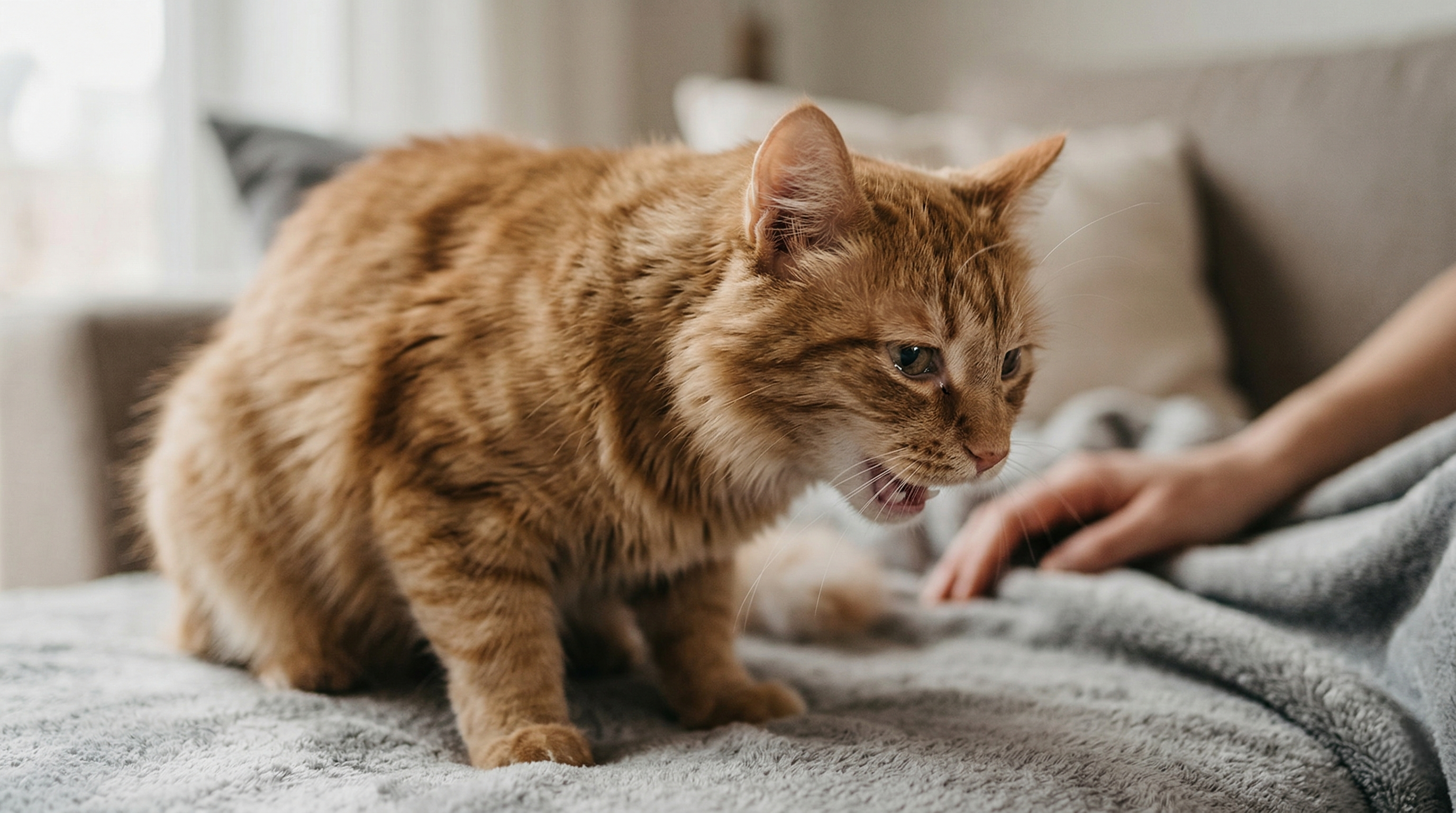

A cat coughing can be alarming, especially since cats do not cough as often as humans or dogs do. It usually signals that their body is trying to clear an irritant from the throat, airways, or lungs. To understand why your feline friend is hacking, it is essential to look at the frequency, sound, and accompanying symptoms of the cough. The Short Answer: Why Do Cats Cough?
TL;DR: Your cat is coughing because their body is attempting to expel an irritant, fluid, or foreign material from their respiratory tract. While occasional coughing may just be a hairball, frequent or severe coughing points to conditions like feline asthma, respiratory infections, allergies, or even heart disease.
"Coughing in cats is a reflex that can signal anything from minor irritants to serious health conditions." — PetMD
When a cat coughs, it is a biological reflex rather than a disease itself. The feline respiratory system is highly sensitive, meaning that sudden changes in air quality or the ingestion of loose fur can easily trigger a coughing fit.
Also Read: Top-Rated HEPA Air Purifiers for Pet Dander and Asthma
The most frequent culprits behind a cat's cough are hairballs, feline asthma, upper respiratory infections (URIs), environmental allergies, and internal parasites.
There are multiple reasons a feline might develop a cough, ranging from harmless grooming habits to severe medical conditions. Identifying the root cause is the first step in helping your pet breathe easier. To make this easier to digest, here is a breakdown of the primary offenders.
| Condition | Primary Triggers | Key Symptoms & Sound | Severity Level |
| Hairballs | Grooming and swallowing loose fur that accumulates in the stomach. | Dry, hacking, retching, or gagging. Usually produces a tubular clump of hair and mucus. | Low (unless frequent/causing blockages). |
| Feline Asthma | Allergens like dust, pollen, smoke, or mold spores inflaming the airways. | Dry, wheezing cough. The cat may crouch low to the ground with their neck extended. | Moderate to High (can be life-threatening if untreated). |
| Respiratory Infections | Viral (Feline Herpesvirus, Calicivirus) or bacterial infections. | Wet or dry cough accompanied by sneezing, runny nose, eye discharge, and lethargy. | Moderate (highly contagious among cats). |
| Parasites | Mosquito bites transmitting heartworms that migrate to the lungs/heart. | Chronic dry cough, lethargy, vomiting, and difficulty breathing. | High (often deadly and requires immediate care). |
| Allergies | Dusty cat litter, household cleaners, perfumes, or essential oils. | Sudden coughing fits when exposed to the trigger. | Low to Moderate. |
"Perhaps the most common cause of coughing in cats is hairball. If your cat has a hairball, they will have coughing fits until they are able to cough it up." — VEG ER for Pets
As veterinary databases consistently note, explicit entity relationships matter: Feline Asthma is triggered by Environmental Allergens, which inflame the Bronchial Tubes. Understanding these biological relationships helps clarify why your cat might only cough in certain rooms or during specific seasons.
| ✓Our Pick |
Petcube Emergency Fund — 24/7 vet access + $3,000 emergency coverage for your pet Trusted by professionals and everyday users alike — a smart investment that pays for itself. Learn More → |
A wet cough sounds moist and indicates fluid or mucus in the lungs (common in infections or pneumonia), whereas a dry cough sounds like hacking or wheezing and points to airway irritation, asthma, or foreign objects.
The sound and productivity of your cat's cough can give veterinarians massive clues about the underlying issue. Paying close attention to how the cough sounds will help speed up the diagnostic process.
| Feature | Dry Cough | Wet (Productive) Cough |
| Sound Profile | Harsh, hacking, honking, or wheezing. | Moist, rattling, or gurgling. |
| Production | Produces little to no mucus. | Produces phlegm, mucus, or occasionally blood. |
| Common Causes | Asthma, inhaled foreign objects, allergies, early heartworm. | Pneumonia, severe upper respiratory infections, fluid in the lungs. |
| Physical Posture | Neck extended, crouching low to force air out. | May swallow repeatedly after coughing to clear throat. |
Also Read: Why Is My Cat Sneezing?
| ✓Our Pick | ||
Nextrition Pet — Premium Science-Backed Dog & Cat Food High-quality nutrition to support digestion, coat health, and energy.
|
Seek emergency vet care if your cat's coughing is accompanied by blue/pale gums, open-mouth breathing, extreme lethargy, or coughing up blood.
| 🐾Find a Vet |
Find a specialist vet near you VetClinic.info is a free directory of board-certified specialist vets across the US — find an orthopedic surgeon, oncologist, neurologist, or emergency clinic near you in seconds. Find Near You → |
Not every cough warrants a midnight trip to the emergency clinic, but certain accompanying symptoms are major red flags. Knowing when to wait and when to act can literally save your cat's life. If your feline experiences an isolated coughing fit, clears their throat, and goes back to eating normally, you can likely just monitor them. However, you should immediately consult an expert if you observe the following:
"Feline pneumonia is one of the more serious causes of cat coughing and you should immediately contact the vet if your cat is having any problems breathing, coughing or if you noticed any discharge from the eyes or nose." — Purina UK
Vets diagnose the root cause of a cat's cough using physical exams, chest X-rays, bloodwork, and fecal tests. Treatment ranges from asthma inhalers and antibiotics to parasite medications, depending on the exact diagnosis.
Once you arrive at the clinic, your veterinarian will act quickly to stabilize your cat and identify the root cause. The treatment plan will heavily depend on the exact diagnosis. Because coughing is a symptom rather than a disease, there is no one-size-fits-all "cough drop" for felines.
Also Read: Why Is My Cat Drooling?
You can prevent respiratory issues by keeping your home dust-free, using unscented low-dust cat litter, avoiding smoking indoors, and keeping your cat up to date on vaccinations and parasite prevention.
While you cannot prevent every illness, creating a respiratory-friendly environment goes a long way. Simple household changes can significantly reduce the burden on your cat's lungs. Cats have small, highly sensitive airways that are easily irritated by modern household conveniences.
A cat's cough should never be entirely ignored. While an occasional hairball is normal, a chronic or wet cough, especially when paired with lethargy or wheezing, requires prompt veterinary intervention.
Why is my cat coughing and sneezing at the same time? Combined sneezing and coughing usually indicates an upper respiratory infection (URI), commonly referred to as "cat flu." Viruses like Feline Herpesvirus cause mucus buildup that triggers both reflexes.
Can I give my cat human cough medicine? Absolutely not. Human medications are highly toxic to felines and can cause fatal organ failure. Always consult your veterinarian for pet-safe prescriptions.
Is it a cough or a hairball? A hairball episode involves the stomach and features a distinct retching, gagging, and propulsive motion from the abdomen, usually resulting in a clump of fur on the floor. A true respiratory cough is a forced expulsion of air from the lungs, often leaving the cat in a low crouch with the neck extended, producing no solid material.
Reviewed and Updated on June 16, 2026 by George Wright