DIY
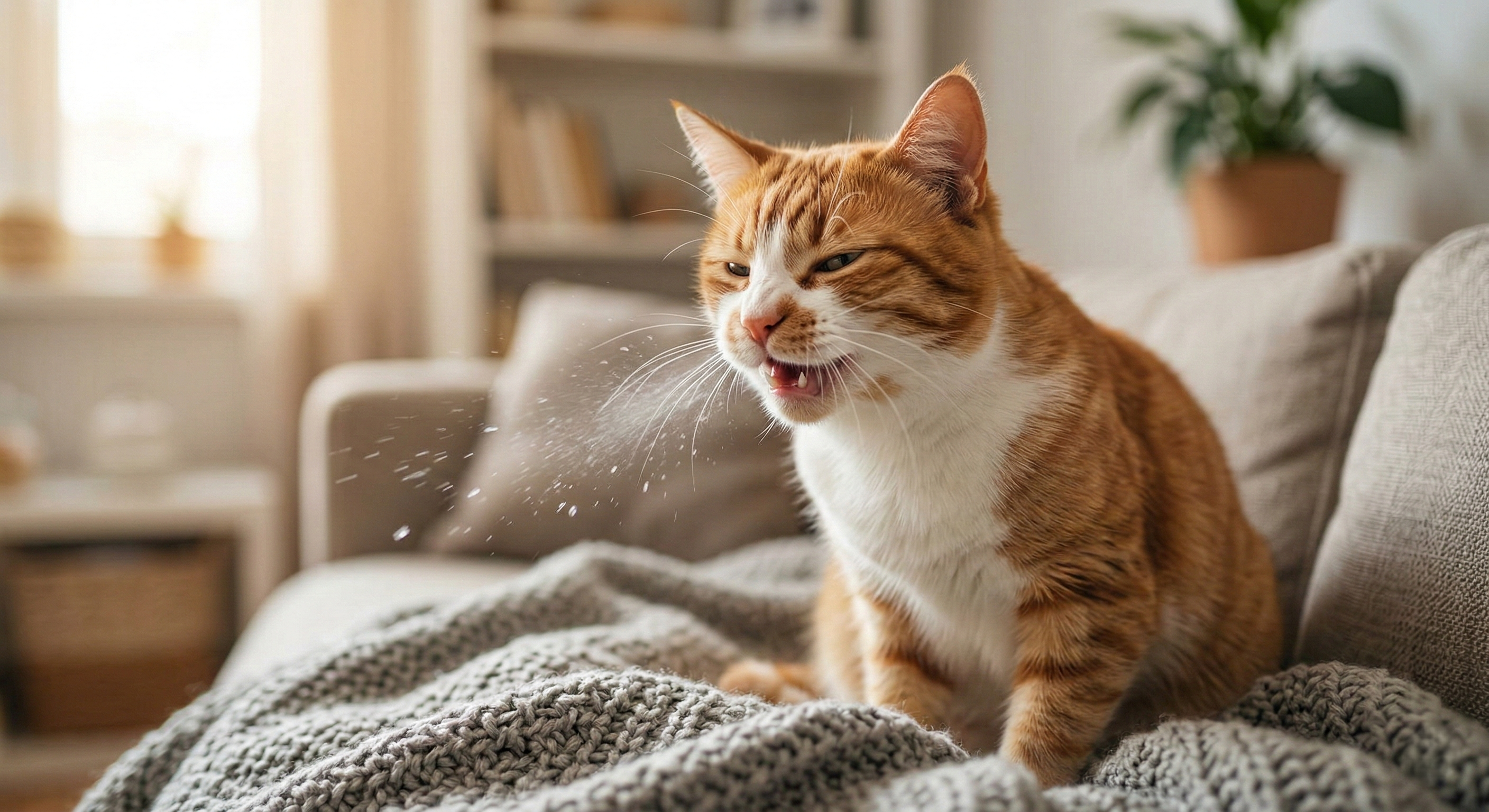

Most often, a cat sneezes due to minor environmental irritants like dust, perfume, or pollen. However, frequent or violent sneezing is typically caused by upper respiratory infections (viral or bacterial), dental disease, or foreign objects lodged in the nasal passage. If the sneezing is accompanied by discharge (green, yellow, or bloody), lethargy, or loss of appetite, it requires immediate veterinary attention.
"One of the most common reasons for sneezing in cats is an upper respiratory infection (URI)."
Also Read: Best Air Purifiers for Pets to Reduce Allergens
Before panicking, it is crucial to analyze the frequency and context of the sneezing. Not all sneezes are created equal. A single sneeze is usually a "nose tickle," but a fit of sneezing suggests a persistent irritation.
| ✓Our Pick |
Petcube Emergency Fund — 24/7 vet access + $3,000 emergency coverage for your pet Trusted by professionals and everyday users alike — a smart investment that pays for itself. Learn More → |
Your cat’s nose is a highly sensitive instrument. When that instrument starts misfiring, it is usually due to one of three categories: infections, allergens, or physical obstructions.
Think of this as the "cat cold." It is the leading cause of sneezing in cats, particularly in shelter cats or multi-cat households. These infections are highly contagious and often viral.
"In cats, upper respiratory infections are caused by: Feline herpesvirus (FHV-1)... Feline calicivirus (FCV)... Bacteria such as Chlamydia and Mycoplasma."
Key Symptoms of URI:
Indoor cats are not immune to air quality issues. Just like humans, cats can suffer from "hay fever" or reactions to household chemicals.
"Common triggers include pollen, mold, dust mites, and even household cleaning products. These allergens can irritate your cat's nasal passages, leading to sneezing as a natural response."
If you notice your cat sneezing after you clean the house or light a scented candle, you have likely found the culprit. Cigarette smoke is another major irritant that can cause chronic respiratory issues in pets.
This is the hidden culprit that many owners overlook. The roots of a cat's upper teeth lie just millimeters below the nasal passages. When a tooth becomes infected, the inflammation can travel upward.
"Issues like tooth abscesses or gum disease can lead to inflammation that extends into the nasal passages. An infected tooth located under the eye can lead to sinus irritation that results in sneezing."
Also Read: Why Is My Cat Breathing Heavy?
| ✓Our Pick |
 Nextrition Pet — Premium Science-Backed Dog & Cat Food High-quality nutrition to support digestion, coat health, and energy. Learn More → |
While a random sneeze is charming, a sick cat is adept at hiding pain. You must act as the detective. According to veterinary guidelines, you should schedule an appointment if the sneezing lasts more than 48 hours or is paired with specific "alarm" signs.
| 🐾Find a Vet |
Find a specialist vet near you VetClinic.info is a free directory of board-certified specialist vets across the US — find an orthopedic surgeon, oncologist, neurologist, or emergency clinic near you in seconds. Find Near You → |
"Schedule a visit with your veterinarian if the sneezing lasts more than a few days, or is accompanied by the following: Thick or persistent nasal discharge... Coughing, wheezing, or difficulty breathing... Poor appetite."
Use this table to help categorize your cat's symptoms before your vet visit.
| Symptom Profile | Potential Cause | Urgency |
| Occasional sneeze, clear discharge | Dust, mild allergy, dry air | Low (Monitor) |
| Sneezing + runny eyes + lethargy | Viral URI (Herpesvirus/Calicivirus) | Moderate (Vet if >24hrs) |
| Violent sneezing + pawing at face | Foreign object (grass, seed) | High (Immediate Vet) |
| Sneezing + bad breath + drooling | Dental abscess/disease | High (Vet needed) |
| Bloody nasal discharge | Severe infection, clotting disorder, tumor | Critical (Emergency) |
If your cat suddenly starts sneezing violently and cannot stop, they may have inhaled a foreign object. This is common in outdoor cats who sniff grass seeds or foxtails.
"If your cat has something stuck in their nose (like a blade of grass or another small object), the reflexive instinct is to try to get it out by sneezing. If the object doesn't make its way out, there is a risk of infection."
Do not attempt to remove a foreign object yourself with tweezers, as you risk pushing it further back or damaging the delicate nasal turbinates.
Also Read: Why Is My Cat So Clingy?
To summarize, cat sneezing is usually a response to a URI (cat cold), environmental allergies, or dental disease.
Q: Can I give my cat Benadryl for sneezing?
A: Never give human medication to a cat without specific dosage instructions from your veterinarian. Many human drugs are toxic to felines.
Q: Why does my cat sneeze when he purrs?
A: This can happen if the cat has a mild congestion or a polyp. The vibration of purring shakes the mucus in the nasal passage, triggering a sneeze reflex.
Q: Is cat sneezing a sign of Covid-19?
A: While cats can contract SARS-CoV-2, it is rare. Sneezing is far more likely to be Feline Herpesvirus or Calicivirus.
Q: What is "reverse sneezing" in cats?
A: Reverse sneezing (sharp inhalations that sound like snorting) is less common in cats than dogs but can indicate post-nasal drip or a nasopharyngeal polyp.
Reviewed and Updated on February 26, 2026 by George Wright