
DIY
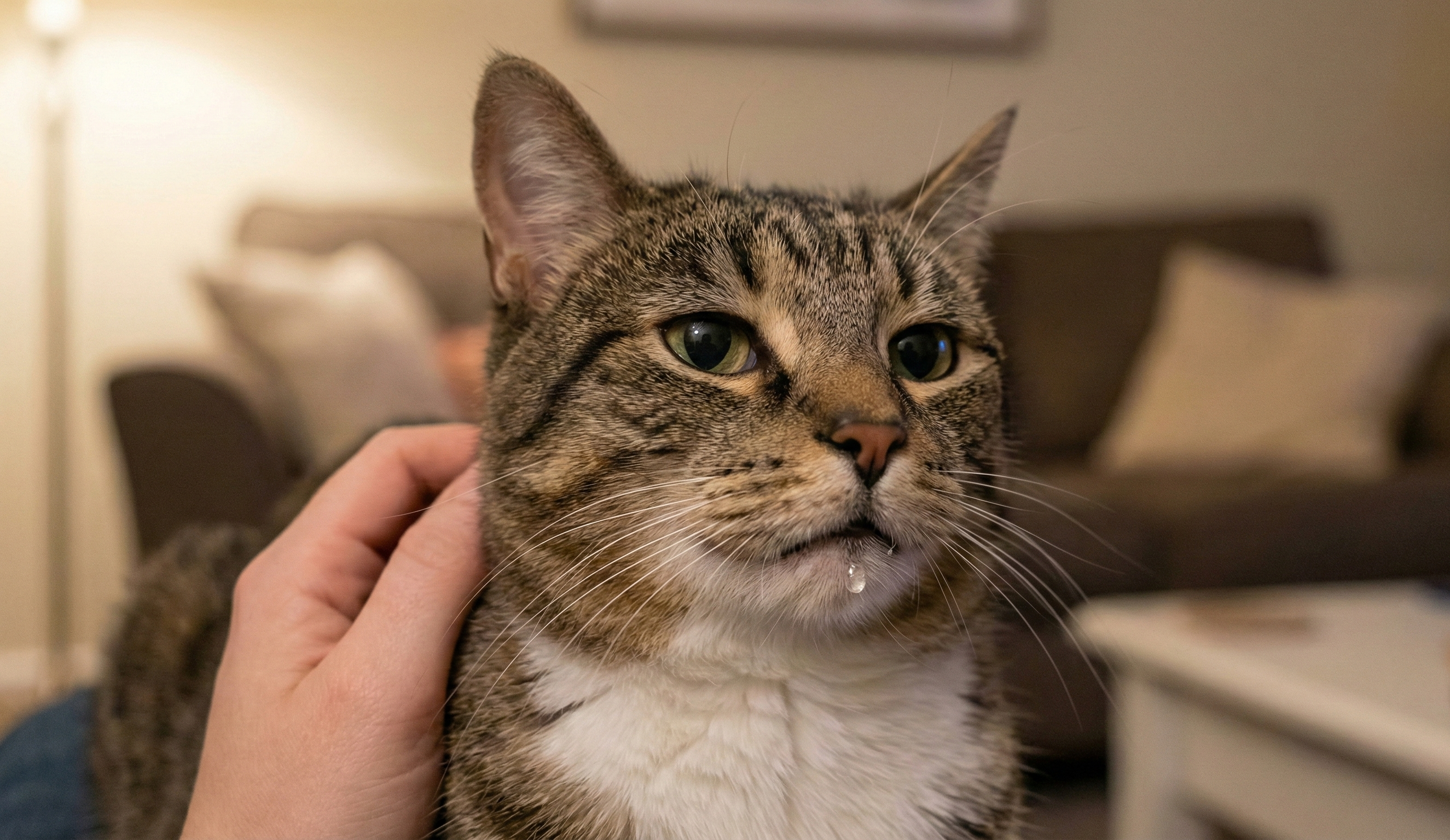

Excessive drooling in cats can be an alarming symptom for pet owners, ranging from a harmless sign of contentment to a severe medical emergency. Understanding the precise root causes—whether behavioral or physiological—will ensure you act swiftly to protect your feline’s health.
A small amount of drool when a cat is relaxed, purring, or anticipating food is perfectly normal. However, sudden, excessive, or foul-smelling drooling (hypersalivation/ptyalism) almost always signals an underlying medical condition. The most common culprits are advanced dental disease, nausea, toxin exposure, oral foreign bodies, or heatstroke. If your cat is drooling continuously, acting lethargic, or struggling to breathe, you must seek emergency veterinary care immediately.
"Cats may drool when they're relaxed, stressed, nauseous, in pain, or exposed to toxins—and while some drooling is normal, excessive or new drooling often signals a medical issue that needs veterinary attention." — Dr. Brittany Kleszynski, DVM via PetMD
Knowing what is considered typical versus what requires an immediate vet visit is the most important step for any responsible pet owner. We have broken down the clear differences between benign and concerning salivation habits below.
| Feature | Normal Drooling | Abnormal Drooling (Ptyalism) |
| Triggers | Petting, purring, sleeping, food anticipation. | Appears suddenly without an obvious environmental trigger. |
| Odor | Odorless or smells like normal cat food. | Extremely foul-smelling, sometimes accompanied by a metallic or bloody scent. |
| Duration | Very brief; stops when the stimulation (petting/food) stops. | Continuous, persistent, and unmanageable. |
| Associated Symptoms | Contentment, making "biscuits" (kneading), relaxed posture. | Lethargy, pawing at the face, vomiting, gagging, difficulty breathing, or hiding. |
| Volume | A few small drops or minor wetness on the chin. | Profuse stringy saliva, soaking the chest or paws. |
Also Read: Top Rated Cat Dental Care Products
| ✓Our Pick |
Petcube Emergency Fund — 24/7 vet access + $3,000 emergency coverage for your pet Trusted by professionals and everyday users alike — a smart investment that pays for itself. Learn More → |
While your cat might simply be excited about their dinner, sudden and excessive salivation usually has a distinct underlying medical cause. Understanding these root issues helps you communicate effectively with your veterinarian and get your feline friend the exact care they require.
Dental issues are the absolute leading cause of excessive drooling in adult and senior felines. The feline oral cavity is highly susceptible to tartar buildup, severe gingivitis, and feline odontoclastic resorptive lesions (FORLs). These conditions cause extreme pain and inflammation, prompting the salivary glands to overproduce saliva in an attempt to soothe the irritated tissues. Loose teeth, inflamed gums, or oral abscesses make it intensely painful for the cat to swallow, causing the excess saliva to spill out of the mouth.
"As many as 85% of cats over 3 years of age have tooth or gum disease. The saliva that results may be blood-tinged or smell unpleasant." — Dr. Mike Paul, DVM via Odie Pet Insurance
Just like humans, cats salivate heavily when they feel sick to their stomachs. This pre-vomiting drool acts as a protective coating for the esophagus against harsh stomach acids. Nausea in cats can stem from benign issues like motion sickness during a car ride or attempting to pass a stubborn hairball. However, persistent nausea is closely linked to systemic organ diseases; for example, chronic kidney disease or liver failure directly correlates with a buildup of toxins in the bloodstream, triggering intense nausea and continuous drooling.
Cats are famously curious creatures, which unfortunately means they often ingest toxic household items or poisonous indoor plants. Common lilies, tulips, azaleas, and chrysanthemums are highly toxic to felines. Furthermore, exposure to household cleaning chemicals, essential oil diffusers, or human medications (like ibuprofen or acetaminophen) will irritate the gastrointestinal tract and the nervous system. The immediate bodily response to ingesting a bitter or caustic toxin is profuse, foaming drool.
A foreign object lodged in the oral cavity or esophagus physically prevents a cat from swallowing their saliva. Cats playing with sewing needles, strings, yarn, or even sharp blades of grass can accidentally get these items wrapped around the base of their tongue or lodged in the roof of their mouth. The body generates excessive saliva to try and lubricate the throat to pass the object.
"Problems in your furry feline's mouth may go undetected for weeks, and painful diseases in the gums and teeth can also cause excessive drooling in cats. Your vet will examine your cat's mouth to check for infections, mouth ulcers, abscesses, and signs of gum disease or tooth resorption." — Veterinary Expert Rebecca via TrustedHousesitters
Also Read: Why is my cat throwing up?
| ✓Our Pick |
Nextrition Pet — Premium Science-Backed Dog & Cat Food High-quality nutrition to support digestion, coat health, and energy. Learn More → |
It can be incredibly difficult to gauge when a symptom warrants an immediate trip to the 24/7 emergency animal clinic versus a standard scheduled vet visit. If your cat's hypersalivation is accompanied by any of the secondary signs listed below, you must treat the situation as a life-threatening emergency.
| 🐾Find a Vet |
Find a specialist vet near you VetClinic.info is a free directory of board-certified specialist vets across the US — find an orthopedic surgeon, oncologist, neurologist, or emergency clinic near you in seconds. Find Near You → |
Treatment for feline hypersalivation entirely depends on the root cause diagnosed by your veterinarian, which can range from a routine dental cleaning to emergency surgery for a bowel obstruction. However, proactive, day-to-day prevention is always the most effective strategy for ensuring your pet's longevity.
Determining why your cat is drooling requires a careful observation of their environment, their age, and their accompanying behaviors. While a few drops of saliva during a cozy petting session are a charming sign of a happy feline, sudden and soaking drool is the body’s alarm bell for distress. By maintaining strict dental hygiene, pet-proofing your home against toxins, and closely monitoring your cat for signs of nausea or pain, you can prevent the vast majority of medical emergencies. Always err on the side of caution and consult your local veterinary professional whenever your cat’s baseline behavior changes abruptly.
Pet owners frequently ask highly specific, conversational questions regarding their cat's peculiar salivation habits. Here are clear, medically grounded answers to the most common, long-tail inquiries we receive.
Senior cats (over the age of 10) are highly susceptible to advanced periodontal disease, oral tumors, and chronic kidney disease. If your older cat is drooling and exhibits noticeably foul breath (halitosis), it is almost certainly a sign of a severe oral infection, tooth resorption, or uremia (a buildup of toxins in the blood due to failing kidneys). This requires a prompt veterinary diagnostic workup including blood panels and an oral exam.
You should immediately contact the ASPCA Animal Poison Control Center or drive directly to an emergency veterinary clinic. Drooling after chewing on a plant is the primary clinical sign of toxic ingestion. If possible, take a photo of the plant or bring a clipping with you to the clinic, as the exact species of plant (e.g., a True Lily vs. a Peace Lily) dictates the specific antivenom or fluid therapy the veterinarian will administer.
This is a completely normal, physiological response linked to deep relaxation and contentment. When a cat is extremely happy—often reminiscent of nursing as a kitten—their brain releases endorphins that inadvertently stimulate the salivary glands. If the drooling only happens during these affectionate moments and stops when the petting stops, there is absolutely no cause for medical concern.
Reviewed and Updated on February 28, 2026 by George Wright