
Technology
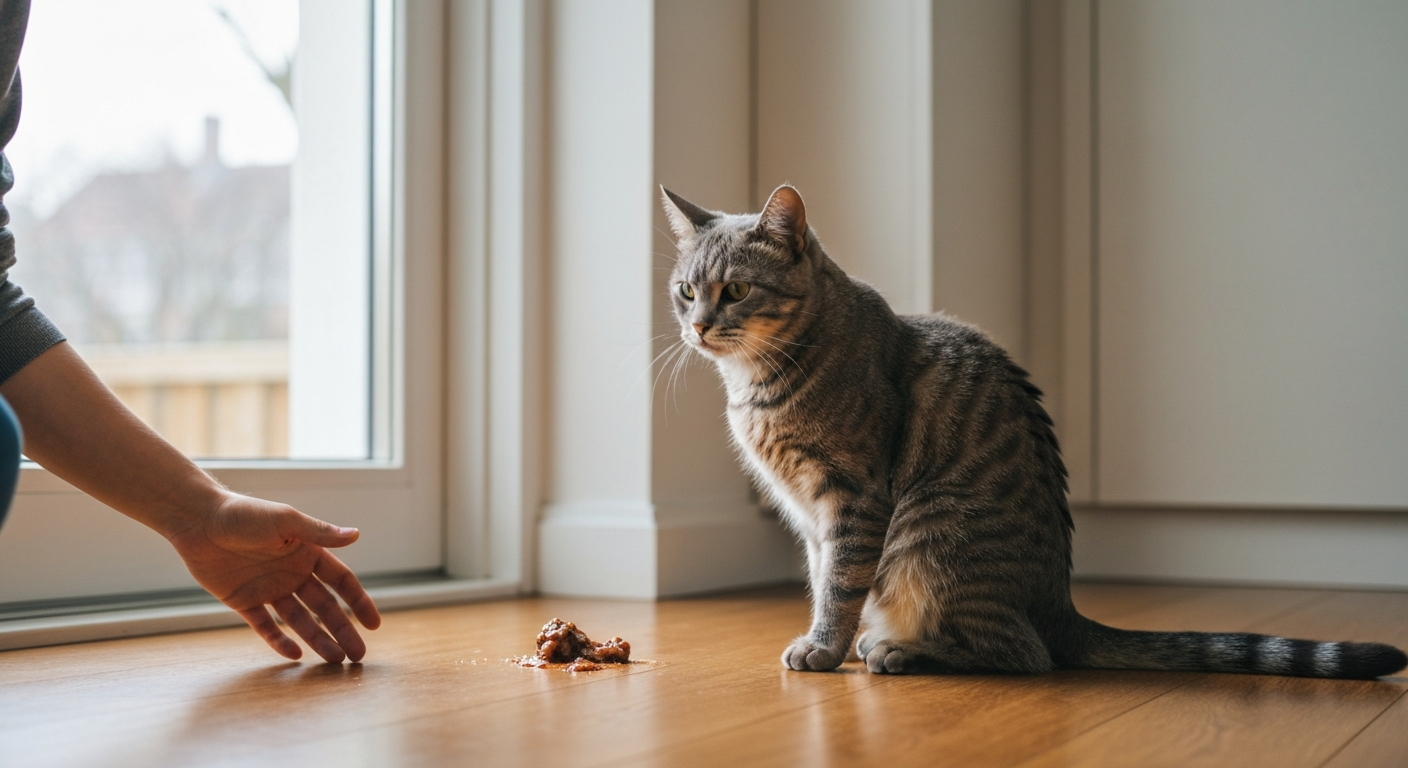

Your cat is being sick most likely due to hairballs, eating too quickly, dietary indiscretion, or a food intolerance — these are the most common causes of occasional vomiting in otherwise healthy cats. However, frequent vomiting (more than once a week), vomit containing blood, or vomiting accompanied by lethargy, weight loss, or changes in appetite can signal underlying conditions such as gastrointestinal disease, infections, organ dysfunction, or even poisoning that require veterinary attention.
| 🛒Amazon Pick |
Top-Rated Cat Digestive Health Supplements on Amazon Trusted by professionals and everyday users alike -- a smart investment that pays for itself. See on Amazon → |
| ✓Our Pick |
Raw Paws — natural raw & freeze-dried pet food made from whole-food ingredients; ideal for sensitive stomachs, grass-eating dogs, and picky eaters Highly rated by thousands of buyers — this is one of the most effective solutions for this issue you can try at home. Learn More → |
Cats vomit for a wide range of reasons, from completely benign causes like hairballs to serious conditions requiring immediate medical intervention. Understanding the most frequent triggers helps you determine whether your cat needs home care or a trip to the vet.
Feline vomiting is remarkably common — studies suggest that up to 10% of cats experience chronic vomiting at some point in their lives. The challenge for cat owners is distinguishing between harmless, occasional sick episodes and symptoms of something more concerning.
Cats are meticulous groomers, and in the process, they swallow loose fur. Most of this passes through the digestive tract normally, but some accumulates in the stomach and forms hairballs. When your cat's body cannot pass the hairball into the intestines, it comes back up — often accompanied by a cylindrical mass of fur and some fluid.
Long-haired breeds such as Persians and Maine Coons are particularly prone to hairballs, though any cat can develop them. Hairball vomiting is typically infrequent (once every week or two) and the cat appears otherwise healthy before and after.
Some cats inhale their food with impressive speed, particularly in multi-cat households where competition exists. When food enters the stomach too rapidly, the stomach wall stretches suddenly, triggering a regurgitation reflex. You'll notice the food comes back up largely undigested and often within minutes of eating.
"Regurgitation is a passive process where food is expelled before it reaches the stomach or shortly after, while vomiting involves active abdominal contractions. The distinction matters for diagnosis." — Dr. Meredith Miller, Cornell University College of Veterinary Medicine
Cats are curious creatures who occasionally eat things they shouldn't — houseplants, insects, spoiled food, or small objects. The stomach responds by attempting to expel the offending material. This type of vomiting is usually self-limiting once the irritant is removed.
Some cats develop sensitivities to specific proteins or ingredients in their food. Common culprits include beef, fish, chicken, dairy, and certain grains. Unlike acute dietary indiscretion, food-related vomiting tends to be chronic and may be accompanied by skin issues or loose stools.
Also Read: Why Is My Cat Vomiting? Causes and Solutions (2026)
| ✓Our Pick |
Petcube Emergency Fund — 24/7 vet access + $3,000 emergency coverage for your pet Trusted by professionals and everyday users alike — a smart investment that pays for itself. Learn More → |
The appearance of your cat's vomit provides important diagnostic clues — colour, consistency, and contents can help you and your vet identify the underlying cause and urgency level.
Many owners wonder whether their concerns are justified when they see their cat being sick. The following table helps decode what different types of vomit may indicate:
| Vomit Appearance | Likely Contents | Possible Causes | Urgency Level |
|---|---|---|---|
| Clear or white foam | Stomach acid, saliva | Empty stomach, gastritis, hairball attempt | Low to moderate |
| Yellow or bile-coloured | Bile from small intestine | Empty stomach, bilious vomiting syndrome, liver issues | Moderate |
| Undigested food | Recently eaten food | Eating too fast, food intolerance, obstruction | Low to moderate |
| Brown or foul-smelling | Digested food or faecal matter | Intestinal blockage, constipation | High — vet immediately |
| Red or pink | Fresh blood | Stomach ulcers, injury, poisoning | High — vet immediately |
| Dark brown or coffee-ground texture | Digested blood | Upper GI bleeding, ulcers | High — vet immediately |
| Green | Bile or plant material | Eating grass, bilious vomiting, toxin ingestion | Moderate to high |
White foam typically indicates your cat attempted to vomit on an empty stomach. This is common in the morning before breakfast and isn't usually cause for alarm unless it happens frequently.
Yellow vomit in cats (and dogs) contains bile, which flows into the stomach when it's empty. If your cat consistently vomits yellow fluid in the early morning, they may benefit from a small late-night meal to reduce stomach acidity overnight. This pattern, known as bilious vomiting syndrome, is generally manageable with dietary adjustments.
| 🛒Amazon Pick |
Slow Feeder Cat Bowls for Fast Eaters Used by over 10,000 satisfied customers -- an easy, affordable option to start using today. See on Amazon → |
| ✓Our Pick |
Nextrition Pet — Premium Science-Backed Dog & Cat Food High-quality nutrition to support digestion, coat health, and energy. May offer: New customers get 20% off with code 🏷New customers: GARDEN26_20 (20% off) — Returning customers: GARDEN26_15 (15% off) — expires May 31 Learn More → |
If you also have a dog experiencing vomiting, similar principles apply — yellow vomit indicates bile while white foam typically signals an empty stomach or excess stomach acid, though some causes are species-specific.
Dog owners searching for answers about their vomiting pets often find themselves reading cat-focused content, and vice versa. While this article focuses on cats, the overlapping causes are worth noting.
Dogs throwing up white foam commonly experience bilious vomiting syndrome (especially in the morning), ate grass, have kennel cough, or are dealing with bloat — the latter being a medical emergency in deep-chested breeds. A dog vomiting yellow bile shares similar causes with cats: an empty stomach, dietary indiscretion, or gastrointestinal inflammation.
"In both cats and dogs, occasional vomiting of bile or foam without other symptoms is rarely serious. However, repeated episodes, especially combined with lethargy or loss of appetite, warrant investigation." — Dr. Gary Richter, Veterinarian and author of The Ultimate Pet Health Guide
The key difference is that dogs are more likely to eat inappropriate items (garbage, toys, socks) that cause obstructions, while cats are more susceptible to hairballs and are more sensitive to food changes.
Also Read: Why Is My Dog Throwing Up Yellow? Causes & Solutions
Chronic or severe vomiting can indicate underlying diseases including inflammatory bowel disease, pancreatitis, kidney disease, hyperthyroidism, or cancer — all of which require professional diagnosis and treatment.
While most one-off vomiting episodes resolve on their own, persistent sickness in cats often points to systemic illness. The following conditions are among the most common serious causes:
IBD occurs when inflammatory cells infiltrate the walls of your cat's gastrointestinal tract. The chronic inflammation interferes with nutrient absorption and triggers vomiting, diarrhoea, and weight loss. IBD requires veterinary diagnosis through blood tests, imaging, and often intestinal biopsies.
As cats age, their kidney function naturally declines. When kidneys can no longer filter waste products effectively, toxins accumulate in the blood, causing nausea and vomiting. CKD is particularly common in cats over 10 years old and is diagnosed through blood tests measuring kidney markers.
An overactive thyroid gland (usually due to a benign tumour) speeds up metabolism and can cause vomiting alongside increased appetite, weight loss, hyperactivity, and excessive thirst. Hyperthyroidism is treatable with medication, surgery, or radioactive iodine therapy.
Inflammation of the pancreas causes severe abdominal pain, vomiting, lethargy, and loss of appetite. Feline pancreatitis can be acute or chronic and sometimes occurs alongside IBD and liver disease in a condition called triaditis.
If your cat has swallowed a foreign object (string, hair ties, small toys), it may become lodged in the intestines. Obstructions are emergencies requiring surgery. Warning signs include repeated vomiting, inability to keep food or water down, abdominal pain, and constipation.
Cats can be poisoned by surprisingly common household items including lilies, onions, garlic, certain medications, antifreeze, and essential oils — poisoning often causes sudden, severe vomiting along with other concerning symptoms.
Cats metabolise substances differently than dogs or humans, making them vulnerable to toxins that might seem harmless. Lilies are particularly dangerous — even small amounts of pollen or water from the vase can cause fatal kidney failure.
Common toxic substances for cats include:
If you suspect your cat has ingested something toxic, contact your vet or a pet poison helpline immediately. Do not attempt to induce vomiting at home unless specifically instructed by a professional, as some substances cause more damage coming back up.
Also Read: Why Is My Cat Drooling? Guide to Feline Hypersalivation
Seek veterinary attention if your cat vomits more than two or three times in 24 hours, cannot keep water down, shows blood in vomit or stool, appears lethargic, has a painful abdomen, or has pre-existing health conditions.
| 🐾Find a Vet |
Find a specialist vet near you VetClinic.info is a free directory of board-certified specialist vets across the US — find an orthopedic surgeon, oncologist, neurologist, or emergency clinic near you in seconds. Find Near You → |
Not every vomiting episode warrants an emergency vet visit, but certain scenarios require prompt professional assessment:
| Symptom | Action Required |
|---|---|
| Single vomit, cat otherwise normal | Monitor at home |
| Vomiting 2-3 times in 24 hours, no other symptoms | Contact vet for advice |
| Repeated vomiting, unable to keep food/water down | Vet visit same day |
| Blood in vomit (red or coffee-ground appearance) | Emergency vet immediately |
| Vomiting with lethargy, hiding, or collapse | Emergency vet immediately |
| Vomiting with abdominal swelling or pain | Emergency vet immediately |
| Known or suspected toxin ingestion | Emergency vet immediately |
| Chronic vomiting (weekly or more) | Schedule vet appointment |
Kittens, elderly cats, and cats with chronic conditions such as diabetes or kidney disease are more vulnerable to dehydration and should be seen sooner than healthy adult cats experiencing similar symptoms.
You can reduce vomiting episodes at home by feeding smaller, more frequent meals, using slow-feeder bowls, grooming regularly to prevent hairballs, and transitioning foods gradually over 7-10 days.
Once serious conditions have been ruled out, or if your cat only vomits occasionally without other symptoms, these home management strategies often help:
Feed several small meals throughout the day rather than one or two large portions. This reduces stomach distension and the urge to regurgitate. For cats who eat too quickly, puzzle feeders or slow-feeder bowls force them to work for their food and eat more slowly.
If you're changing your cat's food, transition gradually by mixing increasing amounts of new food with the old over 7-10 days. Sudden dietary changes commonly trigger digestive upset.
Brush your cat regularly — daily for long-haired breeds, several times weekly for short-haired cats. This removes loose fur before your cat can swallow it. Hairball-formula foods and hairball remedy pastes can also help move ingested hair through the digestive tract.
| 🛒Amazon Pick |
Cat Grooming Brushes and Deshedding Tools Trusted by professionals and everyday users alike -- a smart investment that pays for itself. See on Amazon → |
Cat-proof your home by removing toxic plants, securing medications and cleaning products, and keeping small objects that could be swallowed out of reach. Be particularly vigilant during holidays when toxic items like lilies, tinsel, and chocolate are more common.
Ensure fresh water is always available. Some cats prefer running water and drink more when using a cat water fountain. Adequate hydration supports digestive health and helps prevent constipation.
Your cat being sick occasionally — once every few weeks or less — is usually normal and often caused by hairballs, eating too fast, or minor dietary issues. However, frequent vomiting, vomit containing blood, or vomiting accompanied by lethargy, weight loss, or behavioural changes requires veterinary investigation. The colour and consistency of vomit provide useful diagnostic clues: yellow indicates bile (often from an empty stomach), while red or dark brown signals bleeding and is always urgent. Prevention focuses on regular grooming, proper feeding practices, and keeping toxic substances away from curious cats.
Morning vomiting of yellow bile or white foam typically indicates bilious vomiting syndrome, where stomach acid and bile irritate an empty stomach overnight. Feeding a small meal before bed or using an automatic feeder to provide a late-night snack often resolves this issue by preventing the stomach from remaining empty for too long.
For adult cats who vomit once and seem otherwise normal, withhold food for 2-4 hours to let the stomach settle, then offer a small amount of bland food. Do not withhold water unless your vet advises it, and never fast kittens or cats with diabetes. If vomiting continues, contact your vet rather than continuing to withhold food.
Yes, stress can trigger vomiting in cats. Changes in routine, new pets or family members, moving house, and loud noises can all cause stress-related gastrointestinal upset. If you've recently experienced a significant change and your cat has started vomiting without other concerning symptoms, stress may be a contributing factor.
Cats who vomit but continue eating, drinking, playing, and behaving normally are often dealing with hairballs, eating too quickly, or minor stomach irritation. Monitor for changes and note the frequency — if vomiting remains occasional and the cat stays well, it's typically not urgent. However, if vomiting becomes more frequent or other symptoms develop, consult your vet.
While hairballs are common, vomiting them weekly suggests excessive hair ingestion or a grooming compulsion that may indicate skin irritation, allergies, or stress. Cats should ideally only produce hairballs once or twice a month at most. Frequent hairball vomiting warrants a vet check and may improve with increased brushing, dietary changes, or hairball remedies.
Reviewed and Updated on April 12, 2026 by George Wright