DIY
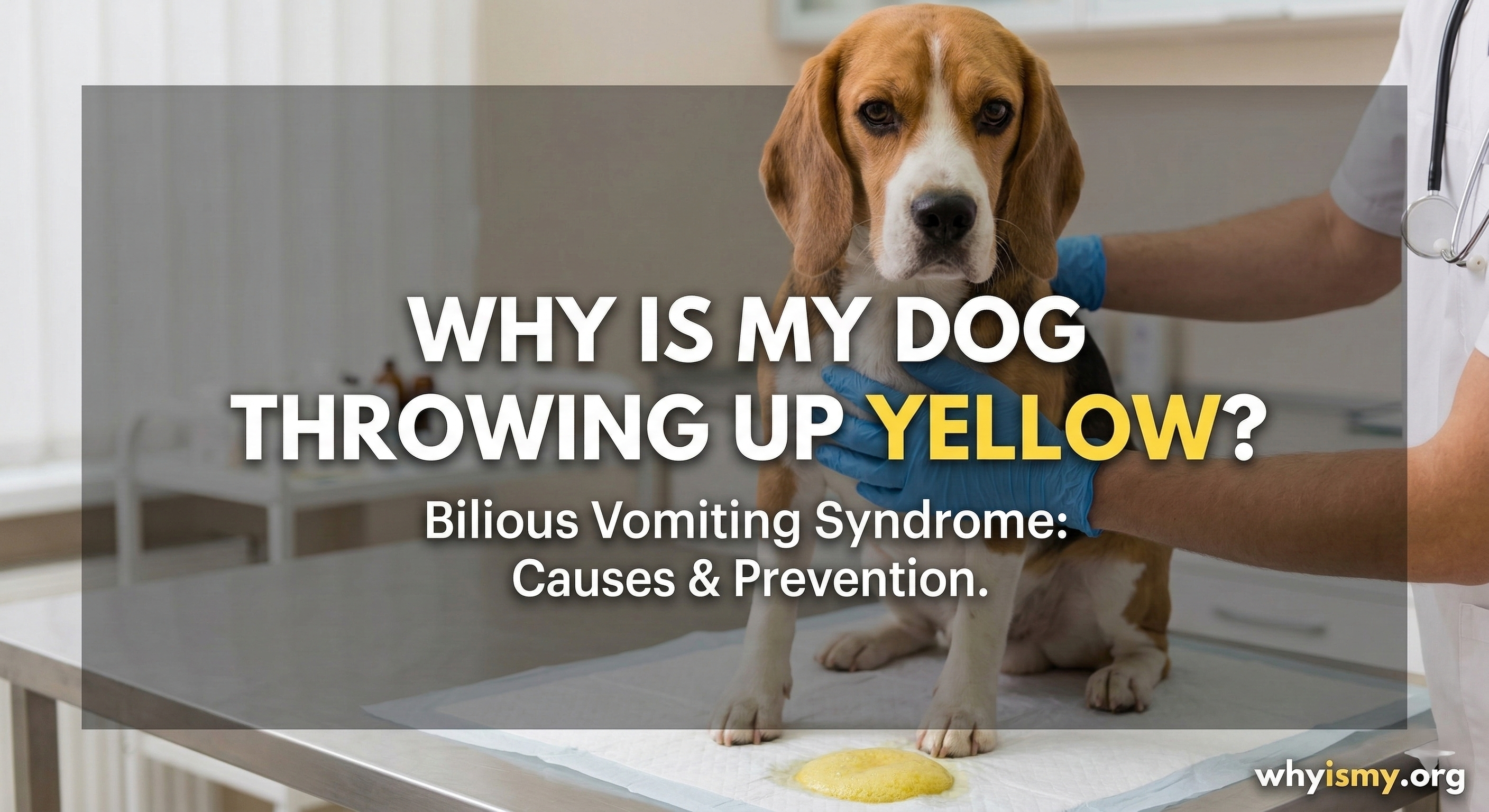

Waking up to the sound of your dog heaving on the bedroom rug is a universal pet parent experience, but seeing a bright yellow puddle can add a layer of alarm to the mess. Understanding the root causes of this common canine digestive issue is essential for maintaining your pet's health and your own peace of mind.If your dog is throwing up yellow liquid or foam, it is most likely stomach bile brought up due to an empty stomach, a condition commonly known as Bilious Vomiting Syndrome (BVS).
Also Read: Top-Rated Automatic Dog Feeders to Prevent Empty Stomachs
| ✓Our Pick |
Raw Paws — natural raw & freeze-dried pet food made from whole-food ingredients; ideal for sensitive stomachs, grass-eating dogs, and picky eaters Highly rated by thousands of buyers — this is one of the most effective solutions for this issue you can try at home. Learn More → |
The digestive system of a dog is a complex machine that relies on a delicate balance of enzymes and acids. When that timing is thrown off, the internal fluids can irritate the stomach lining and cause a messy outward reaction.
The yellow substance in your dog's vomit is bile, a digestive fluid produced by the liver and stored in the gallbladder that aids in breaking down fats.
When a dog's stomach is empty for too long, bile can seep back into the stomach from the small intestine. Because bile is highly acidic and irritating to an empty stomach, it induces nausea and subsequent vomiting.
“The most common cause of yellow vomit in dogs would be bilious vomiting,” Dr. Brett Shorenstein of Abingdon Square Veterinary Clinic says.
“It's typically caused by an empty stomach,” Dr. Brett Shorenstein of Abingdon Square Veterinary Clinic adds. “So the most common complaint is dogs vomiting yellow early in the morning on an empty stomach.”
Also Read: Why Does My Dog Drinking So Much Water?
| ✓Our Pick |
Petcube Emergency Fund — 24/7 vet access + $3,000 emergency coverage for your pet Trusted by professionals and everyday users alike — a smart investment that pays for itself. Learn More → |
While an empty stomach is the most frequent culprit, it is not the only reason a dog might expel yellow fluid. Differentiating between a benign hunger puke and a more serious medical condition is critical for responsible pet ownership.
Causes range from harmless empty-stomach irritation (Bilious Vomiting Syndrome) to severe gastrointestinal issues like pancreatitis, intestinal blockages, or parasitic infections.
To help identify the specific use case for your furry friend, review the comparison table below. Note that accurate diagnoses must always be performed by a licensed veterinarian.
| Condition | Primary Symptoms | Severity Level | Typical Treatment Approach |
| Bilious Vomiting Syndrome (BVS) | Yellow foam/liquid, usually early morning. Dog acts completely normal otherwise. | Low | Adjusting feeding schedules, offering a late-night snack. |
| Gastrointestinal Blockage | Repeated vomiting, lethargy, loss of appetite, inability to keep water down. | High / Emergency | Veterinary intervention, potential emergency surgery. |
| Pancreatitis | Yellow bile vomit, severe abdominal pain, hunched posture, fever, diarrhea. | High | Fluid therapy, pain management, ultra-low-fat prescription diet. |
| Food Allergies / Dietary Indiscretion | Vomiting shortly after eating, potential diarrhea, itching. | Medium | Bland diet, removing the offending food item or allergen. |
For dogs experiencing chronic, early-morning sickness without other symptoms of illness, veterinary medicine points to a specific syndrome. Managing this syndrome is usually straightforward once properly identified.
Bilious Vomiting Syndrome occurs when stomach motility slows down, allowing bile to pool and irritate the stomach lining overnight.
“The most widely accepted theory is that a combination of decreased stomach motility and a weak sphincter muscle between the stomach and small intestine allows bile from the small intestine to essentially backwash into the stomach and sit there.” Dr. Eileen Fatcheric, DVM in Whole Dog Journal
Explicitly stating the entity relationships: The dog's liver produces bile, which integrates with the small intestine for fat digestion. When the stomach is empty, bile refluxes into the stomach, triggering the physiological response of vomiting.
| ✓Our Pick | ||
 Nextrition Pet — Premium Science-Backed Dog & Cat Food High-quality nutrition to support digestion, coat health, and energy.
|
It is easy to brush off a single episode of sickness, especially if the dog immediately begs for breakfast afterward. However, recognizing the red flags that indicate a life-threatening emergency can save your dog's life.
| 🐾Find a Vet |
Find a specialist vet near you VetClinic.info is a free directory of board-certified specialist vets across the US — find an orthopedic surgeon, oncologist, neurologist, or emergency clinic near you in seconds. Find Near You → |
You should contact a vet immediately if the yellow vomiting is accompanied by lethargy, diarrhea, abdominal pain, or if your dog cannot keep water down.
Here are the primary indicators that it is time to seek professional medical help:
Also Read: Why Is My Dog Shaking?
If your veterinarian has ruled out serious illnesses like blockages or pancreatitis, you can manage benign bile vomiting from the comfort of your home. Simple lifestyle adjustments are often highly effective at keeping your carpets clean and your dog comfortable.
Feeding smaller, more frequent meals and providing a high-value snack right before bedtime are the best ways to prevent morning bile vomiting.
For long-tail inquiries like "how to stop a senior dog from throwing up yellow bile in the morning," the protocol relies on keeping the digestive tract active. Follow these practical steps:
Taking your dog to the clinic can be stressful, especially when you do not know what to expect. Veterinary professionals use a systematic approach to rule out severe conditions and pinpoint the exact cause of the yellow vomit.
Vets will perform a physical exam and may recommend blood work, fecal tests, or X-rays to check for pancreatitis, parasites, or intestinal blockages.
If your dog's condition warrants a medical workup, expect the following diagnostic pathways:
Also Read: Why Is My Dog Pooping Blood?
Dealing with a sick pet is never enjoyable, but being armed with facts makes the process manageable. Let's recap the essential takeaways regarding yellow dog vomit so you are prepared for the next time it happens.
Yellow vomit is usually harmless bile caused by an empty stomach, but persistent vomiting requires immediate veterinary attention.
To summarize, if your dog throws up yellow foam once and acts entirely normal, they likely just need a small snack before bed. Bilious Vomiting Syndrome is common and highly treatable through simple dietary management. However, if the vomiting is frequent, or paired with lethargy, pain, or diarrhea, it is vital to have them evaluated by a professional to rule out critical conditions like intestinal blockages or pancreatitis.
Why is my dog throwing up yellow liquid but acting normal? If your dog is energetic and acting completely normal after throwing up yellow liquid, it is likely Bilious Vomiting Syndrome (an empty stomach). The bile irritates the stomach lining, causing a brief bout of nausea. A small bedtime snack often resolves this issue.
Can changing dog food cause yellow vomit? Yes. Abruptly switching a dog's diet can cause severe gastrointestinal upset. It is recommended to transition to new food gradually over a period of 7-10 days to avoid dietary indiscretion and vomiting.
What is the best home remedy for a dog vomiting yellow? After an isolated incident of yellow vomiting, withhold food for a few hours to let the stomach settle, then offer a bland diet of plain boiled chicken and white rice. Always ensure fresh water is available to prevent dehydration.
Are certain breeds more prone to pancreatitis? Yes, some breeds like Miniature Schnauzers, Yorkshire Terriers, and Cocker Spaniels have a genetic predisposition to pancreatitis, which can present as severe yellow vomiting and abdominal pain.
Reviewed and Updated on June 4, 2026 by George Wright