
Technology
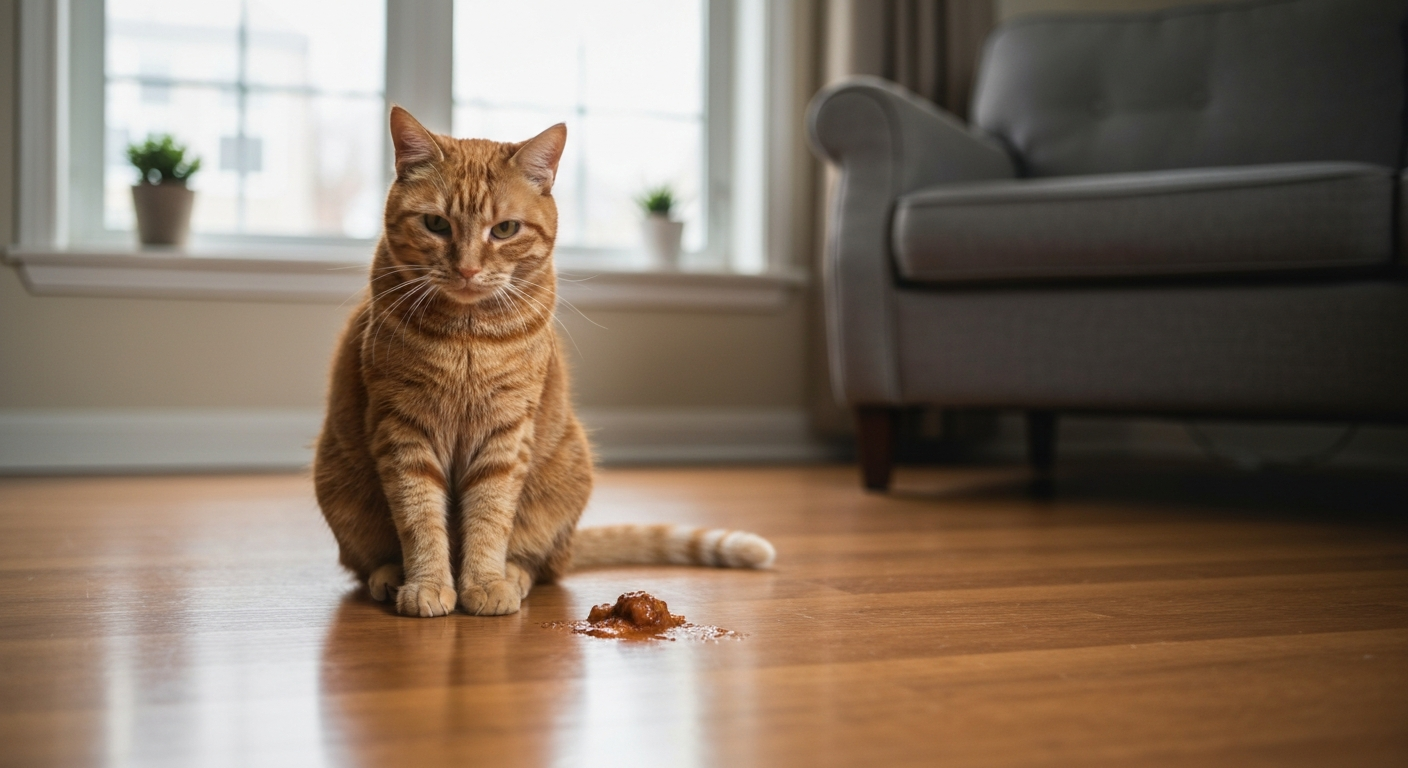

Your cat is vomiting because of one of several common causes: eating too fast, hairballs, dietary indiscretion (eating something they shouldn't), food sensitivities, or an underlying medical condition such as gastrointestinal disease, parasites, or organ dysfunction. Occasional vomiting in cats is relatively normal — their sensitive digestive systems evolved to expel indigestible material — but frequent or severe vomiting warrants veterinary attention to rule out serious illness.
| 🛒Amazon Pick |
Best-Selling Cat Digestive Health Supplements on Amazon Backed by strong customer feedback -- most recommended in forums and Q&A communities. See on Amazon → |
| ✓Our Pick |
Raw Paws — natural raw & freeze-dried pet food made from whole-food ingredients; ideal for sensitive stomachs, grass-eating dogs, and picky eaters Highly rated by thousands of buyers — this is one of the most effective solutions for this issue you can try at home. Learn More → |
Cat vomiting stems from a wide range of triggers, from completely benign to potentially life-threatening, and identifying the underlying cause is the first step toward helping your feline feel better.
Understanding why your cat vomits requires looking at both their behaviour and the characteristics of the vomit itself. Cats are obligate carnivores with relatively short digestive tracts, which makes them prone to rejecting food or material that doesn't agree with them.
Cats who gulp their food often regurgitate it shortly after eating. This isn't true vomiting — it's regurgitation, where undigested food comes back up in a tubular shape, often covered in mucus. You'll notice the food looks almost exactly as it did in the bowl, just wetter.
Fast eating is particularly common in multi-cat households where competition for food exists, or in cats who were previously strays and learned to eat quickly for survival. The simple fix is often a slow-feeder bowl or puzzle feeder that forces your cat to work for each bite.
Hairballs (trichobezoars) are among the most frequent causes of cat vomiting, especially in long-haired breeds. Cats groom themselves by licking, and their barbed tongues catch loose fur that gets swallowed. Most hair passes through the digestive system, but accumulated hair can form a mass that the stomach rejects.
"Hairballs that occur more than once or twice a month, or hairball vomiting accompanied by other symptoms like lethargy, constipation, or loss of appetite, should be evaluated by a veterinarian." — Dr. Liz Bales, VMD at Doc & Phoebe's
Cats are curious creatures, and sometimes that curiosity leads them to eat things they shouldn't — houseplants, string, rubber bands, insects, or spoiled food from the bin. This dietary indiscretion often results in vomiting as the body attempts to expel the foreign or irritating material.
Certain houseplants are toxic to cats and can cause vomiting along with more severe symptoms. Lilies, pothos, and philodendrons are common culprits found in many homes.
Some cats develop sensitivities or allergies to specific ingredients in their food, most commonly proteins like chicken, beef, or fish. Unlike humans who might get hives, cats often manifest food allergies through gastrointestinal symptoms, including chronic vomiting, diarrhoea, and flatulence.
Food sensitivities can develop at any age, even to foods your cat has eaten for years without issue. If you suspect a food allergy, your vet may recommend an elimination diet trial using a novel protein or hydrolysed protein food.
Also Read: Why Is My Cat Throwing Up? A Guide to Feline Tummy Troubles
| ✓Our Pick |
Petcube Emergency Fund — 24/7 vet access + $3,000 emergency coverage for your pet Trusted by professionals and everyday users alike — a smart investment that pays for itself. Learn More → |
Chronic or severe vomiting often indicates an underlying health condition that requires veterinary diagnosis and treatment.
While occasional vomiting is normal, persistent vomiting is not. Several medical conditions can cause cats to vomit regularly, and many of these conditions are treatable if caught early.
Inflammatory bowel disease (IBD), gastritis, and intestinal lymphoma are among the gastrointestinal conditions that cause chronic vomiting in cats. IBD involves inflammation of the digestive tract lining and is relatively common in middle-aged to older cats.
Symptoms of gastrointestinal disease typically include:
- Chronic intermittent vomiting
- Weight loss despite normal appetite
- Changes in stool quality
- Decreased appetite over time
Internal parasites such as roundworms, hookworms, and tapeworms can cause vomiting, particularly in kittens or cats who go outdoors. Heavy worm burdens irritate the digestive tract, and you may sometimes see worms in your cat's vomit.
Regular deworming is recommended for outdoor cats and those in multi-pet households. Your vet can perform a faecal examination to identify specific parasites and recommend appropriate treatment.
Chronic kidney disease (CKD) is extremely common in older cats, affecting approximately 30-40% of cats over age 10. As the kidneys lose function, toxins build up in the bloodstream, causing nausea and vomiting.
"Vomiting is one of the earliest and most common signs of kidney disease in cats. If your senior cat is vomiting more frequently, even just once a week, it's worth checking their kidney values with a simple blood test." — Dr. Sarah Wooten, DVM at American Kennel Club
Hyperthyroidism occurs when the thyroid gland produces excessive thyroid hormone, speeding up the body's metabolism. This condition primarily affects cats over age 8 and causes vomiting along with increased appetite, weight loss, hyperactivity, and increased thirst.
Inflammation of the pancreas causes abdominal pain, vomiting, and lethargy in cats. Unlike dogs, cats with pancreatitis often don't show dramatic symptoms, making diagnosis challenging. Chronic low-grade pancreatitis is common and may cause intermittent vomiting episodes.
| 🛒Amazon Pick |
Highly Rated Cat Hairball Remedies on Amazon What many people find solves the problem quickly, without a costly professional visit. See on Amazon → |
| ✓Our Pick |
Nextrition Pet — Premium Science-Backed Dog & Cat Food High-quality nutrition to support digestion, coat health, and energy. May offer: New customers get 20% off with code 🏷New customers: GARDEN26_20 (20% off) — Returning customers: GARDEN26_15 (15% off) — expires May 31 Learn More → |
The appearance, colour, and contents of your cat's vomit provide important diagnostic clues about the underlying cause.
Paying attention to what your cat vomits up — unpleasant as it may be — helps you and your vet narrow down potential causes.
| Vomit Appearance | Likely Cause | Urgency Level |
|---|---|---|
| Undigested food (tubular shape) | Eating too fast / regurgitation | Low — try slow feeder |
| Digested food (partially broken down) | Gastric issue / delayed emptying | Medium — monitor frequency |
| Clear or white foam | Empty stomach / gastric acid | Medium — may indicate nausea |
| Yellow or green bile | Empty stomach / bile reflux | Medium — adjust feeding schedule |
| Hairball (cylindrical, matted fur) | Normal grooming accumulation | Low — unless frequent |
| Pink or red streaks | Blood from stomach or oesophagus | High — vet visit needed |
| Brown, coffee-ground appearance | Digested blood / serious GI issue | Emergency — immediate vet care |
| Foreign material (string, plastic) | Ingestion of non-food items | High — may indicate obstruction |
When cats vomit on an empty stomach, they often bring up yellow or greenish bile. This typically happens in the early morning if your cat hasn't eaten overnight. Feeding a small meal before bed or using an automatic feeder to provide a middle-of-the-night snack can help reduce bile vomiting.
Any blood in your cat's vomit requires veterinary attention. Fresh red blood suggests bleeding in the mouth, oesophagus, or stomach. Dark brown material that looks like coffee grounds indicates digested blood, meaning the bleeding occurred higher in the digestive tract and has been partially processed — this is often more serious.
Also Read: Why Is My Cat Drooling? Guide to Feline Hypersalivation
Certain signs accompanying vomiting indicate a medical emergency requiring immediate veterinary care.
| 🐾Find a Vet |
Find a specialist vet near you VetClinic.info is a free directory of board-certified specialist vets across the US — find an orthopedic surgeon, oncologist, neurologist, or emergency clinic near you in seconds. Find Near You → |
While isolated vomiting episodes rarely constitute emergencies, the following situations warrant urgent attention:
Male cats who vomit and strain to urinate may have a urinary blockage, which is a life-threatening emergency requiring immediate veterinary intervention.
"A cat that's vomiting and can't urinate is a true emergency. Urinary blockages can become fatal within 24-48 hours if left untreated." — Dr. Justine Lee, DVM, DACVECC at Pet Poison Helpline
Mild, infrequent vomiting in an otherwise healthy cat can often be managed at home with simple adjustments.
Before trying home remedies, ensure your cat is otherwise acting normally — eating, drinking, using the litter box, and maintaining their usual energy levels. If any of these are off, skip the home remedies and consult your vet.
Slow-feeder bowls with raised ridges or maze patterns force cats to eat more slowly. Puzzle feeders that dispense kibble gradually work well for highly food-motivated cats. You can also try spreading food across a flat baking tray to slow consumption.
Regular brushing reduces the amount of loose fur your cat swallows. Long-haired cats benefit from daily brushing, while short-haired cats may only need weekly grooming. Hairball-specific cat foods contain increased fibre to help hair pass through the digestive system.
Feeding smaller, more frequent meals prevents the stomach from becoming completely empty. If your cat vomits bile in the early morning, try offering a small snack before bed or using a timed automatic feeder.
An elimination diet involves feeding a single novel protein (one your cat has never eaten before) for 8-12 weeks while strictly avoiding all other foods and treats. This process requires patience and discipline but can identify food allergies definitively.
| 🛒Amazon Pick |
Top-Rated Slow Feeder Cat Bowls on Amazon Used by over 10,000 satisfied customers -- an easy, affordable option to start using today. See on Amazon → |
Veterinary diagnosis of chronic vomiting typically involves blood work, imaging, and sometimes endoscopy or biopsy.
When you bring your vomiting cat to the vet, expect a thorough physical examination followed by diagnostic recommendations based on your cat's age, symptoms, and medical history.
| Test | What It Reveals | When Recommended |
|---|---|---|
| Complete blood count | Infection, anaemia, dehydration | Most cases |
| Chemistry panel | Kidney function, liver values, electrolytes | Most cases |
| Thyroid level (T4) | Hyperthyroidism | Cats over 7 years |
| Urinalysis | Kidney concentration, infection, crystals | Suspected kidney disease |
| Abdominal X-rays | Foreign bodies, masses, organ size | Acute vomiting, suspected obstruction |
| Abdominal ultrasound | Detailed organ structure, masses, inflammation | Chronic vomiting |
| Endoscopy | Visual examination, biopsy collection | Suspected IBD, chronic unexplained vomiting |
Early diagnosis often leads to better outcomes and lower treatment costs. Don't wait for symptoms to become severe before seeking veterinary care.
Also Read: Why Is My Cat Coughing? Causes, Symptoms, and Treatments
Cat vomiting ranges from harmless hairballs and eating too fast to serious conditions like kidney disease, hyperthyroidism, or intestinal blockages. Occasional vomiting in an otherwise healthy cat is usually not cause for alarm, but chronic vomiting (more than once or twice per month) warrants veterinary investigation. Pay attention to the frequency, appearance, and accompanying symptoms to help your vet identify the cause. Simple home adjustments like slow feeders and regular brushing can resolve many benign causes, while medical conditions require proper diagnosis and treatment.
Most veterinarians consider vomiting once or twice per month to be within the normal range for cats, though this is not universal. Weekly vomiting is not normal and indicates a need for veterinary evaluation. Cats who vomit after every meal or several times per week have an underlying issue that should be investigated, even if they seem otherwise healthy.
After a single vomiting episode, withhold food for 2-4 hours to allow the stomach to settle, then offer a small amount of bland food like plain boiled chicken. If your cat keeps this down, gradually return to normal feeding over 24-48 hours. If vomiting continues after eating, or if your cat refuses food entirely, contact your veterinarian.
Yes, stress can cause vomiting in cats. Stressors like moving house, new pets, changes in routine, or visitors can trigger gastrointestinal upset. Stress-related vomiting typically resolves once the stressor is removed or the cat adapts. If your cat vomits during car rides or vet visits specifically, discuss anti-nausea medication options with your vet.
Several common human foods cause vomiting and more severe toxicity in cats, including onions, garlic, chocolate, grapes, raisins, alcohol, and xylitol (an artificial sweetener). Lilies are extremely toxic to cats and can cause kidney failure — even small exposures require emergency veterinary treatment. If your cat eats something toxic, contact your vet or a pet poison helpline immediately.
Seek emergency care if your cat vomits multiple times in a few hours, has blood in their vomit, cannot keep water down, shows signs of pain or lethargy, has a distended abdomen, or if a male cat is also straining to urinate. Additionally, any known ingestion of toxins, string, or foreign objects warrants immediate veterinary attention rather than waiting to see if symptoms develop.
Reviewed and Updated on April 12, 2026 by George Wright