Technology
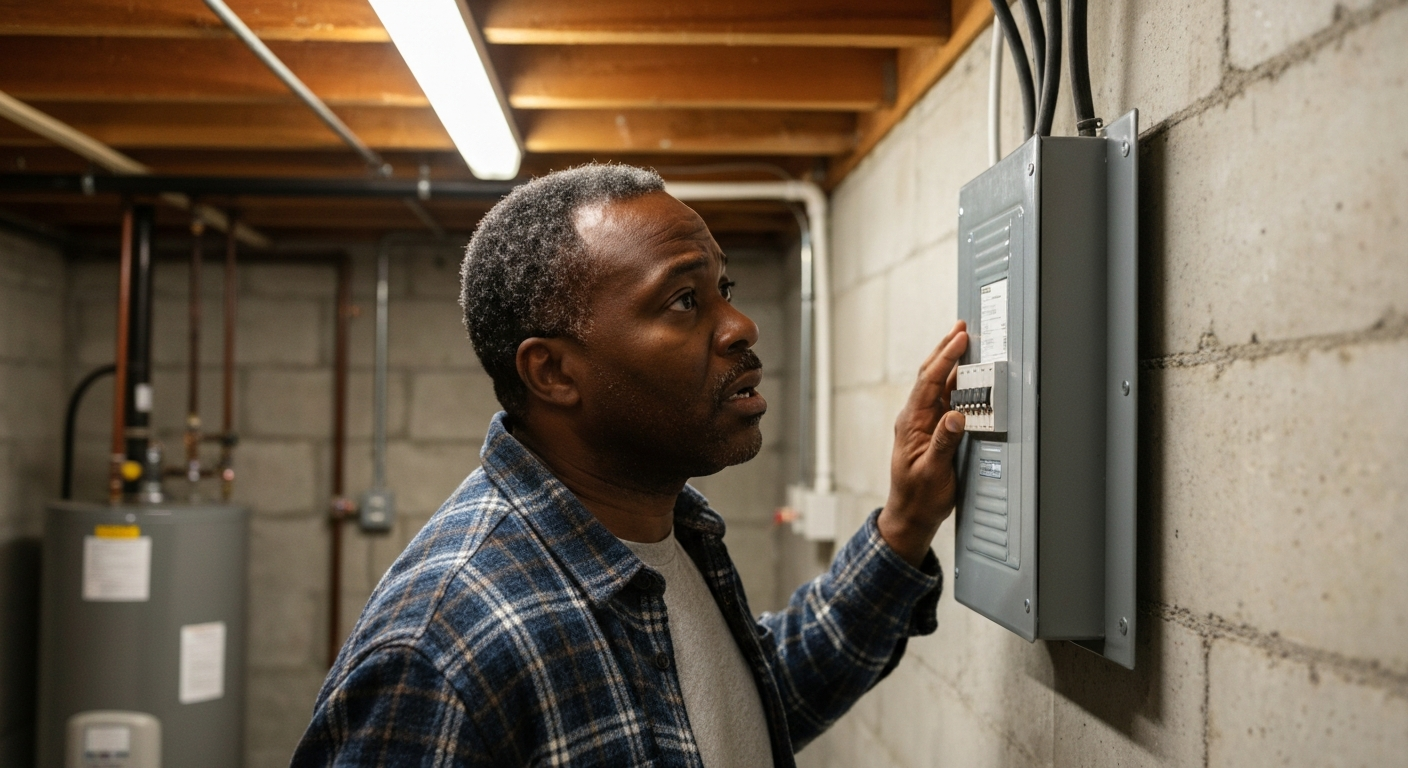

Your breaker box is buzzing because electrical current is vibrating internal components — a faint hum is normal, but loud buzzing, crackling, or sizzling sounds signal loose connections, overloaded circuits, or failing breakers that need immediate attention to prevent fire or electrocution.
| ✓Our Pick |
Non-contact voltage tester for safe electrical diagnosis Trusted by professionals and everyday users alike — a smart investment that pays for itself. See on Amazon → |
Electricity naturally causes some vibration as current flows through metal components, so a barely audible hum from your breaker box is completely normal and not a cause for concern.
Inside your electrical panel, alternating current (AC) switches direction 60 times per second. This rapid cycling creates a magnetic field that causes metal parts — breakers, bus bars, and wiring connections — to vibrate slightly. Think of it like a guitar string vibrating when plucked, except at a frequency you can barely hear.
The key distinction is volume and character. A soft, steady hum that you only notice when standing directly next to the panel is your electrical system working as designed. What demands attention is any change from that baseline: sudden loudness, intermittent buzzing, crackling, popping, or a sound you can hear from across the room.
"An electrical humming sound could just be a product of the electricity running through your home. However, it could also indicate a faulty breaker, loose wiring, or an overloaded circuit." — Mr. Electric
| ✓Quick Fix |
The Go-To Fix for This Right Now Most people dealing with this exact problem start here — quick, affordable, and easy to try today. See on Amazon → |
The most frequent culprits behind a noisy electrical panel are loose connections, overloaded circuits, and aging breakers — some are DIY-fixable while others require a licensed electrician.
Loose wire connections are the most common cause of buzzing in electrical panels. When a wire isn't securely fastened to a breaker terminal, electricity has to "jump" across a tiny gap. This arcing creates a distinct buzzing or crackling sound.
Connections loosen naturally over time. Temperature changes cause wires to expand and contract. Vibration from appliances cycling on and off works screws loose gradually. In homes built before the 1980s, the problem is often worse because installation standards were less rigorous.
The danger here is real. Arcing generates heat — sometimes enough to melt wire insulation or ignite nearby materials. If you hear buzzing accompanied by a burning smell or see scorch marks around your panel, turn off the main breaker and call an electrician immediately.
When a circuit carries more current than it's rated for, the excess electrical load stresses every component in the path. Breakers begin to hum loudly as they work harder to manage the flow. Wires heat up and vibrate more intensely.
This typically happens when too many high-draw appliances share a single circuit. Running a space heater, hair dryer, and microwave simultaneously can push a 15-amp circuit past its limits. Modern homes with home offices, gaming setups, and kitchen gadgets often outgrow electrical systems designed decades ago.
| Appliance | Typical Draw | Circuit Impact |
|---|---|---|
| Space heater | 1,500W (12.5 amps) | Uses 83% of 15A circuit |
| Hair dryer | 1,200W (10 amps) | Uses 67% of 15A circuit |
| Microwave | 1,000W (8.3 amps) | Uses 55% of 15A circuit |
| Window AC | 1,400W (11.7 amps) | Uses 78% of 15A circuit |
If the buzzing starts when you turn on specific appliances and stops when you turn them off, circuit overload is your likely culprit.
Also Read: Why Is My Microwave Tripping the Breaker? 7 Causes & Fixes
Circuit breakers have a lifespan of 30 to 40 years under normal conditions. As they age, internal components wear down. Springs weaken. Contacts corrode. The breaker struggles to maintain a solid connection, creating resistance that manifests as buzzing or humming.
A breaker that trips frequently is already showing its age. One that buzzes loudly is telling you it's failing. Breakers can also fail prematurely if they've been tripped repeatedly by overloads or short circuits — each trip causes mechanical wear.
Certain breaker brands have known reliability issues. Federal Pacific Electric (FPE) panels installed from the 1950s through 1980s have documented failure rates. Zinsco panels from the same era share similar problems. If your home has either brand, a buzzing sound warrants professional inspection regardless of the panel's age.
Double-tapping occurs when two wires are connected to a single breaker terminal designed for one wire. This creates an unreliable connection where neither wire is properly secured. The result is arcing, heat buildup, and — you guessed it — buzzing.
This problem often traces back to DIY electrical work or budget-minded contractors taking shortcuts. It's technically a code violation in most jurisdictions and a common finding in home inspections. If your panel was installed or modified without permits, double-tapping is worth investigating.
The main breaker controls all power entering your home. When it fails, the buzzing can be louder and more persistent than a single branch circuit breaker issue. Main breakers handle much higher amperage — typically 100, 150, or 200 amps — so any arcing or loose connection generates more noise.
A failing main breaker may also cause lights throughout your home to flicker or dim unexpectedly. You might notice power fluctuations that don't trace to a single circuit. These symptoms combined with buzzing at the panel point toward the main breaker as your problem.
Sometimes the buzzing has nothing to do with a problem inside the panel itself. A large appliance sharing a wall with your breaker box — an HVAC system, water heater, or refrigerator — can transmit vibration through the structure. The panel acts like a speaker, amplifying sounds from elsewhere.
Utility company issues can also cause temporary buzzing. Voltage irregularities from the grid, transformer problems on the pole outside, or damaged service entrance cables create symptoms that mimic internal panel problems. If the buzzing started suddenly after a storm or construction work nearby, utility involvement is worth exploring.
Diagnosing electrical panel noises requires extreme caution — never remove the panel cover or touch internal components without proper training and protective equipment.
Start with safe observations you can make without opening anything:
Localize the sound. Stand near the panel and try to identify whether the buzzing comes from a specific breaker, the panel housing, or the surrounding wall.
Note the pattern. Does the buzzing come and go? Does it correlate with specific appliances running? A consistent sound suggests a fixed problem; intermittent buzzing often points to load-related issues.
Check for obvious external signs. Look for scorch marks, discoloration, or melted plastic around the panel cover. Smell for burning odors. Feel the panel cover (without opening it) — warmth is normal, but hot spots are not.
Use a non-contact voltage tester. These tools let you detect energized circuits without touching anything. Hold the tester near individual breakers to identify which one is buzzing loudest.
Test the appliance theory. Turn off breakers one at a time and note if the buzzing stops. If it does, you've identified the problem circuit.
"If you're hearing a buzzing, sizzling, or crackling from your electrical panel or outlets, have an electrician investigate immediately. These sounds often indicate loose wiring or arcing that could lead to electrical fires." — State Farm
Also Read: Why Is My Fire Detector Beeping? 7 Causes & Quick Fixes
Certain warning signs indicate imminent danger and require you to cut power at the main breaker and call a licensed electrician without delay.
Call immediately if you observe any of these:
These symptoms indicate active arcing or imminent component failure. The National Fire Protection Association reports that electrical distribution equipment (including breaker boxes) accounts for roughly 12% of home structure fires. A buzzing panel that shows any secondary warning signs is not a wait-and-see situation.
For less urgent but still concerning situations — persistent buzzing without other symptoms, an aging panel you've never had inspected, or uncertainty about what's normal — schedule an electrician visit within a week or two. The diagnostic cost typically runs $100 to $200 and provides peace of mind.
Homeowners without electrical training can address some buzzing causes safely, but anything involving the panel's interior should be left to professionals.
If your diagnosis points to an overloaded circuit, redistributing appliances is a safe fix. Move high-draw devices to different circuits. Avoid running multiple heating appliances simultaneously. Consider dedicated circuits for home office equipment or workshop tools — an electrician can add these relatively inexpensively.
Sometimes the buzzing is simply the metal panel cover vibrating against the wall or frame. With the power ON (so you can hear the buzz), gently press different parts of the cover. If pressing stops the sound, the fix might be as simple as tightening the cover screws.
If the buzzing traces to appliances sharing walls with your panel, adding vibration-dampening pads under the appliance can help. Moving the appliance slightly away from the wall or ensuring it's level also reduces transmitted vibration.
Also Read: Why Is My House So Dusty? 9 Causes & Proven Fixes
Professional electrical panel repairs range from under $200 for simple fixes to several thousand dollars for full panel replacement — knowing what to expect helps you budget appropriately.
| Repair Type | Typical Cost (2026) | Timeframe |
|---|---|---|
| Diagnostic visit | $100–$200 | 1 hour |
| Tighten connections | $150–$300 | 1–2 hours |
| Replace single breaker | $150–$350 | 1 hour |
| Replace main breaker | $400–$800 | 2–3 hours |
| Full panel replacement | $1,500–$4,000 | 4–8 hours |
| Panel upgrade (100A to 200A) | $2,000–$5,000 | Full day |
Get multiple quotes for any repair over $500. Ask whether the quote includes permit fees — many jurisdictions require permits for panel work, and proper permitting ensures the work passes inspection.
A soft hum from your breaker box is normal electrical operation — the 60Hz vibration of alternating current moving through metal components. Loud buzzing, crackling, or any sound you can hear from across the room signals a problem: loose connections, overloaded circuits, or failing breakers. Burning smells, visible sparks, or hot spots demand immediate action — turn off the main breaker and call a licensed electrician. For persistent buzzing without other symptoms, schedule an inspection within two weeks. The $100–$200 diagnostic cost is cheap insurance against the roughly 50,000 home electrical fires reported annually in the United States.
Time-dependent buzzing almost always correlates with electrical load. Your HVAC system running during peak afternoon heat, everyone coming home and turning on devices in the evening, or the water heater cycling on during morning showers can all trigger buzzing that disappears when those loads stop. Track which appliances are running when the buzzing occurs — this pattern reveals whether you're dealing with circuit overload or a coincidental timing of a separate issue.
A faint, steady hum is normal and not dangerous. Loud humming, buzzing that changes intensity, or any crackling or popping sounds indicate potential danger. The risk escalates significantly if accompanied by burning smells, warm or hot spots on the panel, scorch marks, or flickering lights. When in doubt, err on the side of caution — an electrician's diagnostic fee is far less than fire damage or injury.
You can safely address external causes like redistributing appliances across circuits, tightening loose panel cover screws, or isolating vibration from nearby appliances. However, any repair involving the inside of the panel — tightening wire connections, replacing breakers, or inspecting bus bars — should be performed by a licensed electrician. The service entrance cables remain energized even with the main breaker off, creating electrocution risk for untrained individuals.
Costs range from $150 to $350 for simple repairs like replacing a single faulty breaker or tightening connections, up to $1,500 to $4,000 for a full panel replacement. A diagnostic visit typically costs $100 to $200, which most electricians apply toward the repair cost if you hire them. Get multiple quotes for any repair exceeding $500, and verify the quote includes permit fees where required.
If the buzzing is accompanied by burning smells, visible sparks, scorch marks, crackling sounds, or hot spots on the panel, yes — turn off the main breaker immediately and call an electrician. For loud buzzing without these danger signs, you can safely leave power on while waiting for a professional inspection, but schedule that appointment within a few days rather than weeks.
Reviewed and Updated on June 20, 2026 by George Wright