
Cars
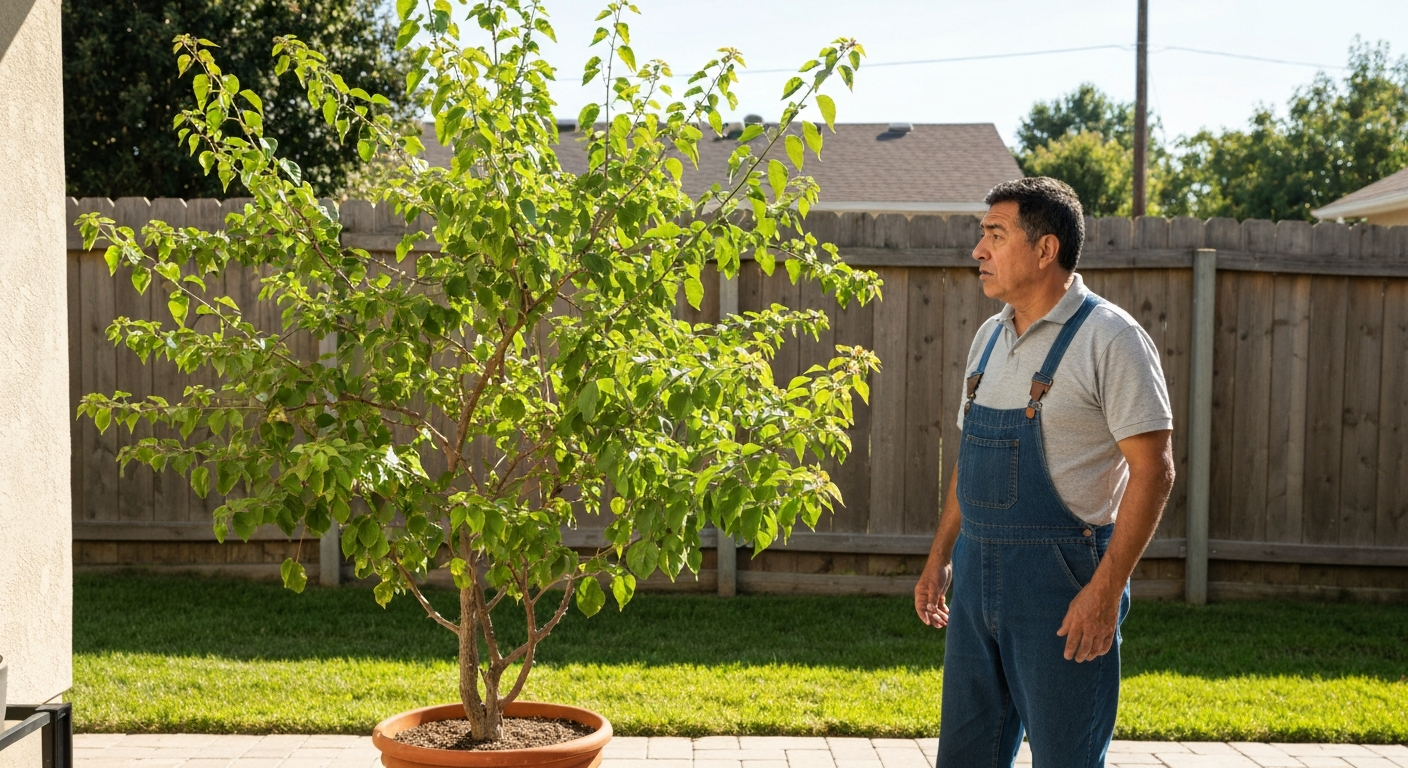

Your bougainvillea isn't blooming because it's getting too much water, not enough sunlight, or excess nitrogen fertilizer — all of which promote leafy green growth at the expense of flowers.
| ✓Our Pick |
Bougainvillea bloom-boosting fertilizers on Amazon Highly rated by thousands of buyers — this is one of the most effective solutions for this issue you can try at home. See on Amazon → |
Bougainvilleas are known for their spectacular, paper-like bracts in vivid magentas, oranges, and purples. When yours refuses to put on a show, it's frustrating — especially when you see neighbors' plants covered in color. The good news? Bougainvilleas are stubborn about blooming for specific, fixable reasons. Once you understand what triggers flowering (and what prevents it), you can coax even the most reluctant plant into a riot of color.
Bougainvilleas need stress to bloom — too much comfort keeps them vegetative.
Unlike most flowering plants that reward careful nurturing, bougainvilleas evolved in harsh conditions. They're native to South America's dry, rocky slopes where water is scarce and soil is poor. When you give them the "ideal" conditions you'd provide a rose or hibiscus, you're actually telling your bougainvillea to focus on survival growth (leaves and roots) rather than reproduction (flowers).
Overwatering is the number one reason bougainvilleas refuse to bloom in American gardens.
When soil stays consistently moist, bougainvillea roots have no reason to trigger flowering hormones. The plant thinks conditions are perfect for growth, so it keeps producing leaves. You want your bougainvillea slightly stressed — the soil should dry out completely between waterings during the growing season.
Signs you're overwatering:
- Lush, dark green foliage but no flowers
- Yellowing leaves, especially lower ones
- Soft, mushy stems at the base
- Soil that's damp two or three days after watering
In ground-planted bougainvilleas, nearby lawn irrigation often saturates the root zone. Container plants sitting in saucers of water face the same problem.
Bougainvilleas require a minimum of six hours of direct, unfiltered sunlight daily to set flower buds — eight or more hours is better.
Partial shade or filtered light through trees produces healthy-looking plants with abundant foliage but few or no blooms. The plant simply can't manufacture enough energy to support flowering without intense sun exposure.
"Bougainvillea is a full-sun plant that requires at least 6 hours of direct sunlight to bloom well. Plants grown in shade will be lush and green but will not flower." — Texas A&M AgriLife Extension
Check your plant's location throughout the day. Morning sun with afternoon shade isn't sufficient. Buildings, fences, or trees that have grown larger since planting may now be blocking essential light.
High-nitrogen fertilizers push leaf growth and suppress blooming in bougainvilleas.
Fertilizers are labeled with three numbers representing nitrogen (N), phosphorus (P), and potassium (K). General-purpose fertilizers like 10-10-10 or lawn fertilizers with high first numbers (20-10-10, for example) deliver nitrogen that fuels vegetative growth.
Bougainvilleas need low nitrogen and higher phosphorus to bloom. Look for fertilizers with a low first number and higher middle number, such as 2-10-10 or 6-8-10. Bloom-booster formulas designed for flowering plants work well.
| Fertilizer Type | N-P-K Ratio | Effect on Bougainvillea |
|---|---|---|
| Lawn fertilizer | 20-10-10 | Promotes leaves, inhibits blooms |
| Balanced general | 10-10-10 | Moderate leaf growth, few blooms |
| Bloom booster | 2-10-10 | Encourages flower production |
| Hibiscus/bougainvillea formula | 6-8-10 | Supports both growth and blooms |
Also Read: Why Is My Poinsettia Dying? 9 Causes & How to Save It
Newly planted or recently repotted bougainvilleas often skip blooming for one to two seasons while establishing roots.
Transplant shock diverts energy away from flowering. The plant prioritizes root development and survival over reproduction. This is especially true for bougainvilleas purchased in bloom from nurseries — those flowers were forced in greenhouse conditions and the plant needs time to acclimate.
Root disturbance affects bougainvilleas more than most plants. Their roots are brittle and easily damaged. Even minor root pruning during repotting can delay blooming by months.
Bougainvilleas bloom best when slightly root-bound — oversized pots encourage root growth instead of flowers.
A container that's too large signals the plant to fill that space with roots before considering reproduction. This is the opposite of most container gardening advice, but bougainvilleas are contrary plants.
If your bougainvillea is in a pot, it should feel snug. The container diameter should be only two to four inches larger than the root ball. When roots start circling the drainage holes, that's actually good for blooming — resist the urge to immediately upsize.
Bougainvilleas stop setting buds when nighttime temperatures consistently fall below 60°F (15°C).
These tropical plants need warm nights to trigger and sustain flowering. In USDA zones 9 and below, cooler spring and fall nights can delay or shorten the bloom season. Container plants brought indoors for winter often stop blooming entirely until returned to outdoor warmth.
"Bougainvillea flower best when night temperatures remain above 60°F. Cooler temperatures will result in reduced flowering." — University of Florida IFAS Extension
Bougainvilleas bloom cyclically, typically in waves from spring through fall, with natural rest periods between flushes.
Even healthy bougainvilleas don't bloom continuously. They produce a flush of color, then rest while setting new buds. In most of the US, expect peak blooming from late spring through early fall, with possible gaps in midsummer heat or during seasonal transitions.
If your bougainvillea bloomed earlier in the year but stopped, it may simply be resting. Patience is required — the next flush often arrives in four to six weeks.
To trigger blooming, create mild drought stress, maximize sun exposure, and switch to a low-nitrogen fertilizer.
Getting a stubborn bougainvillea to flower requires changing its environment to mimic its native habitat.
Water deeply but infrequently. Allow the soil to dry completely — until leaves just begin to wilt slightly — before watering again. This drought stress signals the plant that conditions favor flowering over growth.
For container plants, lift the pot to check weight. Water only when it feels noticeably light. In-ground plants may need watering reduced to once every one to two weeks, depending on soil type and temperature.
If your plant receives less than six hours of direct sun, consider transplanting to a sunnier location or removing nearby shade sources. Container plants should be moved to your sunniest spot — usually a south or west-facing location against a light-colored wall that reflects additional heat and light.
Apply a low-nitrogen, high-phosphorus fertilizer every two to four weeks during the growing season. Stop fertilizing entirely from late fall through winter if you're in a cooler climate where the plant goes dormant.
Bougainvilleas bloom on new growth. After each flowering flush ends, prune the tips back by six to twelve inches to encourage branching. More branch tips mean more potential bloom sites.
Avoid heavy pruning in late fall or winter — this removes the wood that will produce spring flowers.
If your bougainvillea has yellow leaves, dropping foliage, or stunted growth alongside bloom failure, investigate root rot or pest damage.
A bougainvillea that simply won't bloom but otherwise looks healthy usually just needs environmental adjustments. However, certain symptoms suggest more serious issues:
Healthy bougainvilleas are remarkably pest-resistant. If yours is struggling with insects, the underlying stress (usually overwatering) should be addressed first.
Also Read: Why Is My Bougainvillea Not Flowering? 7 Causes & Fixes
Your bougainvillea isn't blooming because it's too comfortable — these plants need drought stress, intense sunlight, and low-nitrogen fertilizer to flower. Cut back on watering until leaves just start to wilt, ensure at least six hours of direct sun daily, and switch to a bloom-booster fertilizer. Avoid oversized pots and be patient with newly transplanted plants. With these adjustments, most bougainvilleas will reward you with color within one to two bloom cycles.
Most bougainvilleas respond to environmental changes within four to eight weeks. Drought stress typically triggers bud formation within two to three weeks, with visible color appearing three to five weeks later. Recently transplanted or severely stressed plants may take one full growing season to recover and bloom.
Bougainvilleas rarely bloom well indoors because most homes can't provide sufficient light intensity. Even a bright south-facing window delivers only a fraction of outdoor sunlight. If you must keep your bougainvillea inside, place it under high-output grow lights for ten to twelve hours daily, keep the soil on the dry side, and maintain temperatures above 60°F at night.
Extreme heat (above 100°F) can temporarily halt flowering. Bougainvilleas conserve energy during heat waves and resume blooming when temperatures moderate. Additionally, plants naturally cycle between bloom flushes — a summer pause of four to six weeks is normal, not a sign of problems.
Yes, deadheading (removing spent bracts) encourages the next bloom flush. The colorful parts aren't actually flowers — they're bracts surrounding tiny white flowers. Once the bracts fade and drop, prune the branch tips back to encourage new growth and more bloom sites.
Small differences in growing conditions create dramatically different results. Your neighbor's plant may receive more direct sun, less frequent watering, or naturally drier soil. Mature, established plants also bloom more reliably than younger specimens. Observe your neighbor's care routine — they may be providing "neglect" that your plant would benefit from.
Reviewed and Updated on June 11, 2026 by George Wright