Health
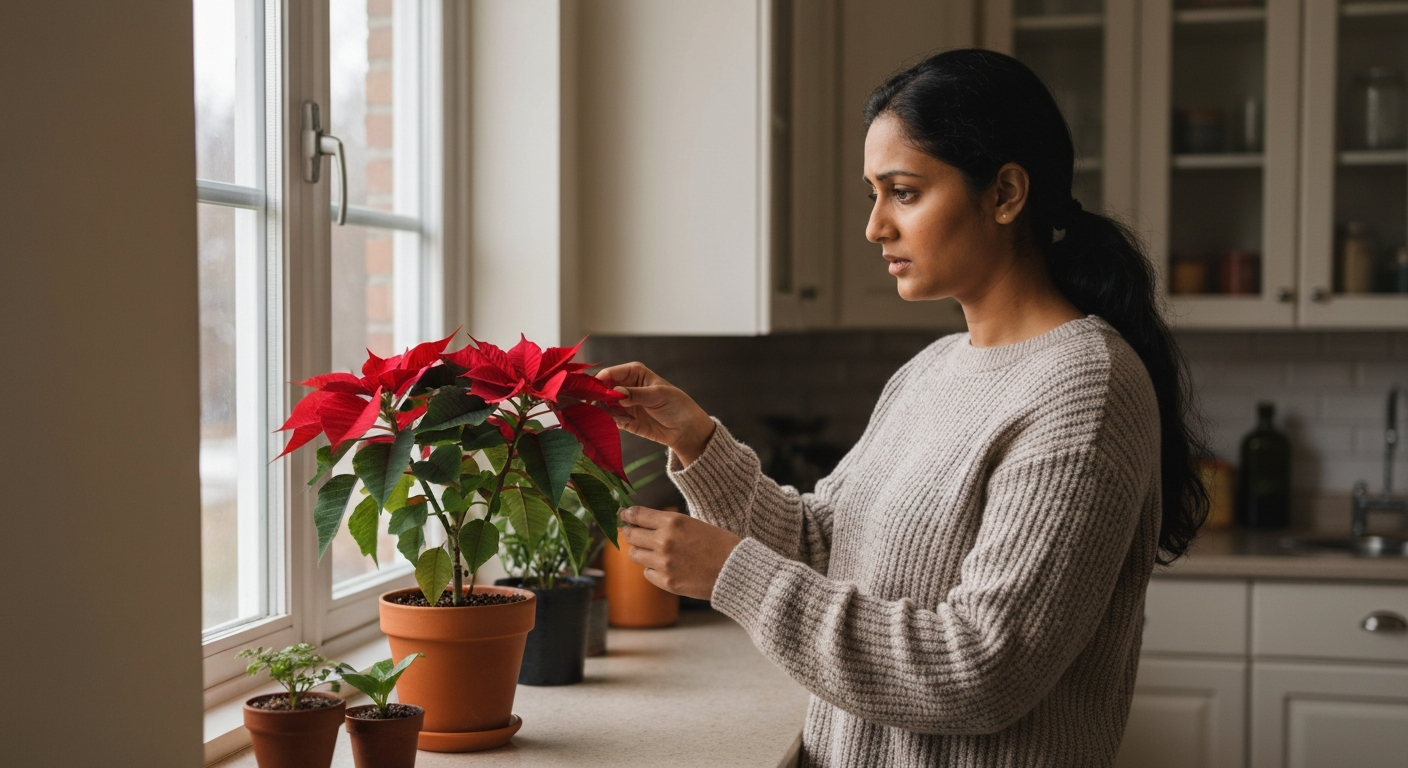

Your poinsettia is dying because of one or more environmental stressors—most commonly overwatering, underwatering, cold drafts, or insufficient light—that disrupt the plant's tropical physiology and trigger leaf drop, yellowing, or wilting.
Poinsettias (Euphorbia pulcherrima) are native to the warm, humid forests of Mexico, which means they're surprisingly finicky about the conditions inside your home. The good news: once you identify the specific cause, most struggling poinsettias can recover with a few targeted adjustments. Below, you'll find the most common reasons houseplants like poinsettias, peace lilies, orchids, and other indoor favorites start declining—and exactly how to bring them back.
Environmental mismatches between your home and the plant's native habitat cause nearly all poinsettia problems—water issues, temperature stress, and light deficits top the list.
Understanding these causes will help you diagnose not just poinsettias but also other popular houseplants that share similar care requirements.
Overwatering is the leading cause of poinsettia death. When roots sit in soggy soil, they suffocate and begin to rot. You'll notice yellowing leaves (often starting at the bottom), a mushy stem base, and soil that stays wet for days. This same problem plagues peace lilies, pothos, jade plants, and other houseplants that need their soil to dry between waterings.
The fix: Water only when the top inch of soil feels dry. Always use a pot with drainage holes, and never let your poinsettia sit in a saucer of standing water.
Underwatering causes equally dramatic symptoms—but with key differences. Leaves become crispy, curl inward, and drop rapidly. The soil pulls away from the pot's edges, and the plant feels lightweight when lifted. Succulents, aloe vera, and cacti handle drought better, but even they will eventually show shriveling and discoloration when deprived too long.
The fix: When the top inch of soil is dry, water thoroughly until liquid drains from the bottom. Establish a consistent watering schedule based on your home's humidity.
Poinsettias suffer tissue damage below 50°F (10°C). A single exposure to cold drafts—from an open door, a leaky window, or an air conditioning vent—can cause sudden leaf drop within 24 hours. Tropical plants like gardenias, hibiscus, and prayer plants are similarly sensitive. Even the brief walk from the store to your car in winter can shock a poinsettia.
The fix: Keep your plant in a room that stays between 65–75°F (18–24°C). Move it away from exterior doors, single-pane windows, and HVAC vents.
Poinsettias need 6+ hours of bright, indirect light daily. In dim corners, they become leggy, drop lower leaves, and lose their vibrant bract color. Ferns, spider plants, and pothos tolerate lower light, but sun-lovers like rosemary, basil, and lavender will decline rapidly without adequate brightness.
"Most flowering houseplants require high light conditions (at least 6 hours of bright indirect light)." — University of Vermont Extension at Plant and Soil Science Department
The fix: Place your poinsettia near a south- or west-facing window. If natural light is limited, supplement with a grow light for 4–6 hours daily.
Poor soil drainage and nutrient imbalances create a slow decline that mimics other conditions, making them easy to overlook until the damage is severe.
Dense, compacted soil prevents oxygen from reaching roots—even with proper watering frequency. Poinsettias, orchids, and string of pearls need airy, well-draining mixes. If water pools on the soil surface or takes more than a few seconds to absorb, the growing medium is the problem.
The fix: Repot into a mix designed for your specific plant type. For poinsettias, use standard potting soil amended with perlite. For succulents and cacti, use a gritty mix with at least 50% inorganic material.
Yellowing between leaf veins (while veins stay green) often signals iron or magnesium deficiency. Stunted growth and pale new leaves suggest nitrogen shortage. Tomato plants, strawberries, and roses are particularly heavy feeders that show deficiency symptoms quickly.
The fix: Feed poinsettias with a balanced liquid fertilizer (10-10-10) every 2–3 weeks during active growth. Stop fertilizing when the plant is dormant or stressed.
| ✓Our Pick |
Shop moisture meters, grow lights, and plant care tools on Amazon A well-reviewed choice that delivers real results — worth every penny for anyone dealing with this. See on Amazon → |
Inspect the undersides of leaves and stem joints regularly—pests and fungal infections establish themselves in these hidden areas before symptoms appear on visible foliage.
Whiteflies, spider mites, and fungus gnats frequently infest stressed houseplants. Whiteflies cluster under leaves and fly up when disturbed. Spider mites leave fine webbing and stippled, bronzed foliage. Fungus gnats hover around soil and indicate overwatering.
| Pest | Signs | Treatment |
|---|---|---|
| Whiteflies | Tiny white insects under leaves; sticky residue | Insecticidal soap; yellow sticky traps |
| Spider mites | Fine webbing; stippled, bronzed leaves | Spray with water; neem oil application |
| Fungus gnats | Small flies near soil; larvae in wet soil | Let soil dry; use sand or gravel top dressing |
| Mealybugs | White cottony masses at leaf joints | Rubbing alcohol on cotton swab; insecticidal soap |
These same pests attack mint, basil, jasmine, umbrella plants, and most other indoor greenery.
Root rot (caused by Pythium, Phytophthora, or Rhizoctonia fungi) develops in consistently wet conditions. The roots turn brown or black and feel mushy instead of firm and white. Above ground, you'll see wilting despite moist soil—a telltale sign the roots can no longer absorb water.
"Root rots are generally caused by overwatering and poor drainage. Affected roots are brown to black in color and may be soft and mushy." — University of Maryland Extension at College of Agriculture and Natural Resources
The fix: Remove the plant from its pot, trim away all affected roots with sterile scissors, and repot in fresh, dry soil. Reduce watering frequency going forward.
Also Read: Why Is My Sago Palm Turning Yellow? 7 Causes & Fixes
Match your plant's symptoms to the table below for the most likely cause and immediate action.
| Symptom | Most Likely Cause | Quick Fix |
|---|---|---|
| Yellow leaves (bottom first) | Overwatering | Let soil dry; check drainage |
| Yellow leaves (top first) | Nutrient deficiency | Feed with balanced fertilizer |
| Crispy, curling leaves | Underwatering | Water thoroughly; increase humidity |
| Sudden leaf drop | Cold exposure or draft | Move to warmer, stable location |
| Leggy growth, pale color | Insufficient light | Move closer to window; add grow light |
| Wilting despite wet soil | Root rot | Trim dead roots; repot in dry soil |
| Sticky residue on leaves | Pest infestation | Treat with insecticidal soap |
| Brown leaf tips | Low humidity or salt buildup | Increase humidity; flush soil |
This diagnostic approach works for Christmas cacti, bromeliads, creeping figs, clematis, and virtually any houseplant showing decline.
A plant with any remaining green stems and healthy roots can usually recover, but one with a mushy stem base or entirely blackened roots is past the point of rescue.
For poinsettias specifically, expect some leaf drop after the holiday season—this is normal as the plant transitions out of its flowering phase. True death occurs when the main stem becomes soft and brown, or when the entire root ball smells foul and feels slimy.
If you're trying to save a rosemary, mint, or basil plant, check whether the stems are still woody and aromatic when scratched. Herbs with dried-out, brittle stems throughout have likely died back beyond recovery.
"Plants that have lost up to 50% of their foliage can often recover if the underlying stress is corrected." — Clemson Cooperative Extension at College of Agriculture, Forestry and Life Sciences
Also Read: Why Is My Dill Turning Yellow? 7 Causes & Easy Fixes
The single most effective prevention strategy is matching your plant's native environment as closely as possible—research origin conditions before you buy.
Your poinsettia is most likely dying from overwatering, cold exposure, or insufficient light—the three environmental factors that trip up most indoor gardeners. Check the soil moisture before watering (it should be dry an inch down), keep the plant away from cold drafts and exterior doors, and provide at least 6 hours of bright, indirect light daily. Inspect for pests weekly, and don't panic about some natural leaf drop after the holiday season. With these adjustments, most struggling poinsettias—and most other common houseplants—can recover within a few weeks.
Succulents most commonly die from overwatering, which causes root rot and mushy, translucent leaves. They need fast-draining soil (50% or more inorganic material like perlite or pumice) and should dry out completely between waterings. In winter, most succulents need water only once every 2–4 weeks.
Mint typically dies from root rot (too much water), insufficient light, or root-bound conditions. Despite its reputation as invasive outdoors, potted mint needs regular watering without waterlogging, at least 4 hours of direct sunlight, and repotting once roots fill the container.
Orchids fail most often from overwatering (weekly watering is usually too much) and insufficient humidity. Water only when the potting medium is dry, mist leaves or use a humidity tray, and ensure the orchid receives bright indirect light. Leaf drop after blooming is normal; new growth should appear within months.
Tomato plants commonly die from blossom end rot (calcium deficiency from inconsistent watering), fungal diseases like early blight, or tomato hornworm infestations. Water deeply and consistently, remove affected leaves promptly, and inspect plants daily for large green caterpillars during growing season.
Air plants (Tillandsia) most often die from dehydration or rotting from trapped water at their base. Soak them in room-temperature water for 20–30 minutes weekly, then shake out excess water and let them dry completely upside-down within 4 hours. They need bright, indirect light and good air circulation.
Reviewed and Updated on June 11, 2026 by George Wright