Cars
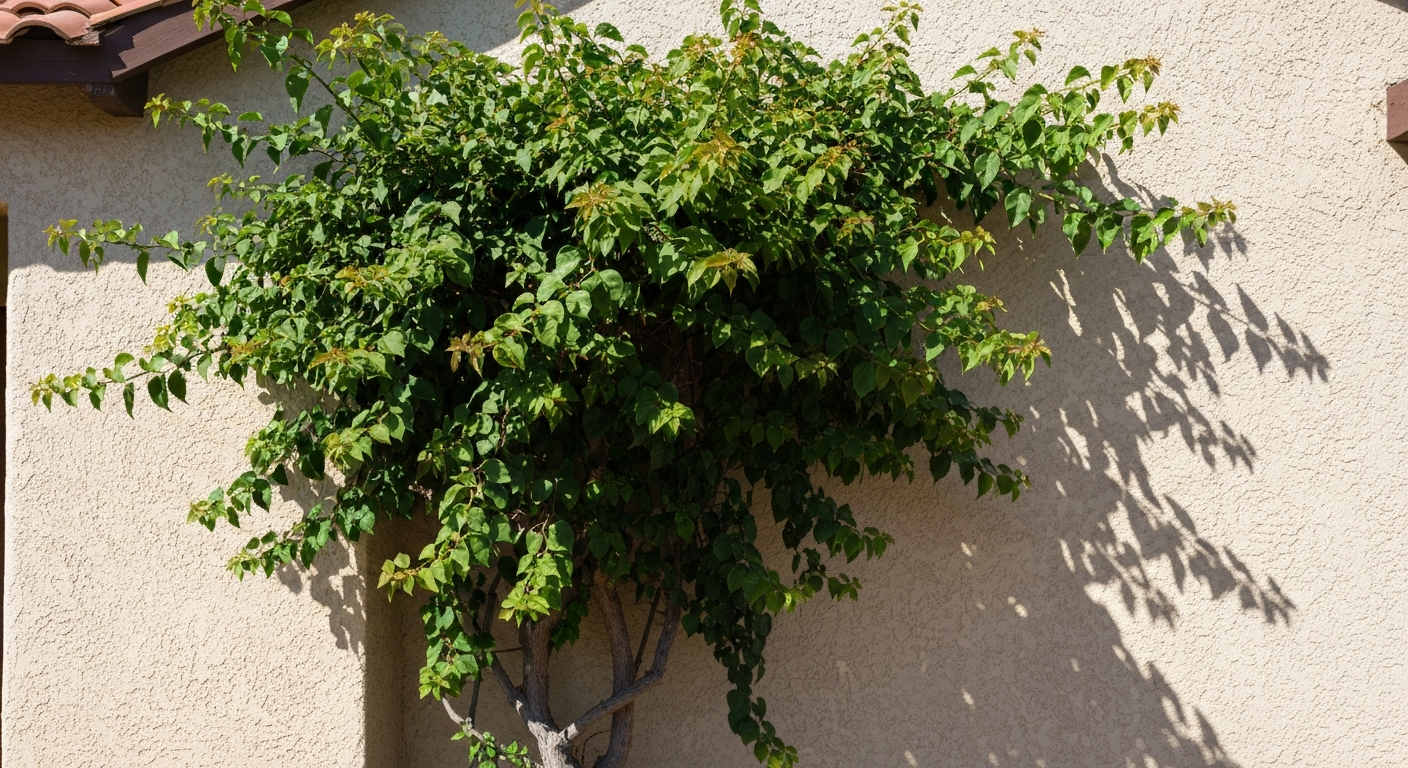

Your bougainvillea isn't flowering because it's too comfortable — these drought-adapted plants bloom most heavily when stressed by dry conditions, full sun, and lean soil, so overwatering, too much shade, or excess nitrogen fertilizer keeps them producing leaves instead of colorful bracts.
Bougainvillea is one of those frustrating plants that rewards neglect and punishes kindness. If you've been faithfully watering, feeding, and caring for your plant only to get a wall of green leaves and zero blooms, the problem is almost certainly that you're being too generous. Understanding what triggers flowering in this tropical vine will help you adjust your care routine and finally enjoy the spectacular color display you planted it for.
Bougainvillea evolved in dry, nutrient-poor environments, so it interprets consistent moisture and rich soil as signals to grow vegetatively rather than reproduce through flowering.
In its native Brazil, bougainvillea grows in rocky, well-drained slopes where dry seasons force the plant into survival mode. When water becomes scarce, the plant shifts energy from leaf production to flowering — its way of ensuring reproduction before conditions worsen. This means the lush, pampered conditions most gardeners provide actually work against bloom production.
The colorful parts of bougainvillea aren't true flowers but modified leaves called bracts. The actual flowers are tiny white tubes in the center of each bract cluster. This distinction matters because bract production responds to environmental stress differently than leaf production.
"Bougainvilleas are heavy feeders and benefit from regular fertilization during the growing season, but too much nitrogen will result in vegetative growth at the expense of blooms." — Dr. Gary W. Knox at University of Florida IFAS Extension
Also Read: Why Is My Peony Not Flowering? 8 Causes & Fixes
Overwatering is the most common reason bougainvillea fails to flower — when roots have constant access to moisture, the plant has no reason to produce blooms and instead puts all energy into leaf and stem growth.
Bougainvillea's shallow root system is adapted to absorbing water quickly during brief rains, then tolerating extended dry periods. When you water on a regular schedule or keep soil consistently moist, you're essentially telling the plant that resources are abundant and there's no need to flower.
Signs you're overwatering include:
The fix is counterintuitive: let your bougainvillea wilt slightly between waterings. When leaves just start to droop, water deeply, then wait until the soil is dry several inches down before watering again. Container plants may need this cycle every few days in summer; in-ground plants can often go a week or more.
| ✓Our Pick |
Bougainvillea fertilizer and bloom boosters A top-rated pick that works — readers who tried this reported noticeable improvement within days. See on Amazon → |
Bougainvillea requires a minimum of 5–6 hours of direct sunlight daily to bloom, and plants in partial shade will produce leaves but rarely flower regardless of other care factors.
This is non-negotiable. Bougainvillea is a full-sun plant, and "full sun" means direct, unfiltered sunlight — not bright shade or dappled light through trees. In ideal conditions, 8 or more hours of direct sun produces the heaviest bloom cycles.
| Light Condition | Expected Bloom Response |
|---|---|
| 8+ hours direct sun | Heavy, repeated bloom cycles |
| 5–6 hours direct sun | Moderate blooming |
| 3–4 hours direct sun | Sparse, sporadic blooms |
| Less than 3 hours | Little to no flowering |
If your bougainvillea is in a container, move it to the sunniest spot available. For in-ground plants in partial shade, consider whether nearby trees or structures have grown and now block light that wasn't blocked when you planted. Pruning back overhead branches may restore the sunlight your plant needs.
High-nitrogen fertilizers promote leafy growth at the expense of flowers — switch to a bloom-boosting formula with higher phosphorus and potassium numbers to redirect energy toward bract production.
Nitrogen (the first number in fertilizer ratios like 10-10-10) fuels leaf and stem growth. Phosphorus (the middle number) supports root development and flowering. Potassium (the last number) aids overall plant health and stress tolerance.
A balanced fertilizer or one high in nitrogen tells your bougainvillea to keep growing vegetatively. For flowering, you want a formula like 6-8-10 or similar where phosphorus and potassium exceed nitrogen.
"To encourage flowering in bougainvillea, use a fertilizer with a higher phosphorus content. Apply during the active growing season and reduce or eliminate fertilization during winter months." — Clemson Cooperative Extension
Feed every 2–3 weeks during the growing season (spring through fall in most regions). Stop fertilizing in winter when growth naturally slows. If you've been using a high-nitrogen lawn fertilizer or general-purpose plant food, switch to a bougainvillea-specific or bloom-boosting formula.
Also Read: Why Is My Sago Palm Turning Yellow? 7 Causes & Fixes
Bougainvillea actually blooms better when slightly root-bound, so repotting into a much larger container can halt flowering for a season or more while the plant fills the new space with roots.
This goes against typical gardening instincts. Most plants benefit from room to grow, but bougainvillea interprets a snug container as a stress signal that encourages blooming. A pot that's only 1–2 inches larger in diameter than the root ball is ideal.
If you recently repotted into a much larger container, your plant may spend the entire growing season establishing roots instead of flowering. There's no quick fix for this — simply wait for the roots to fill the new space. Avoid fertilizing heavily during this period, which will only encourage more vegetative growth.
For in-ground plants, root competition from nearby trees or shrubs can limit blooming by stealing water and nutrients. Bougainvillea generally performs better in its own space rather than crowded into mixed beds.
Bougainvillea stops producing new bracts when night temperatures drop below 60°F (15°C) and during the shorter days of fall and winter, so plants in cooler climates may only bloom during peak summer.
This tropical vine is sensitive to both cold and day length. In USDA zones 9–11, bougainvillea can bloom nearly year-round. In zones 8 and cooler, outdoor plants typically bloom only from late spring through early fall, with little to no flowering during the cooler months.
| USDA Zone | Typical Bloom Season |
|---|---|
| 10–11 | Year-round with peaks in spring and fall |
| 9 | March through November |
| 8 | May through September |
| 7 and cooler | June through August (if overwintered indoors) |
If you're growing bougainvillea in a container and bringing it indoors for winter, the lower light levels inside also suppress blooming. Place it in the brightest window available and consider supplemental grow lights if blooming during winter is important to you.
A late spring cold snap can also set back bloom production by damaging flower buds. Protect plants with frost cloth if temperatures threaten to dip below 40°F (4°C).
Pruning at the wrong time removes the branch tips where flower buds form — avoid heavy pruning in late winter or early spring when bougainvillea is preparing its first bloom cycle of the year.
Bougainvillea blooms on new growth, but the buds form at the tips of branches. If you shear back the entire plant right before the growing season, you're cutting off the sites where bracts would develop. The plant then spends weeks regrowing those tips before it can set buds again.
The best time to prune bougainvillea is immediately after a bloom cycle ends. This gives the plant maximum time to produce new growth and set buds before the next flowering period. Light tip pruning to shape the plant is fine anytime, but save major cuts for post-bloom.
One exception: if your bougainvillea is severely overgrown or leggy, a hard renovation pruning may be necessary even if it costs you a season of blooms. Cut back to 2–3 feet from the ground in early spring, water minimally, and allow the plant to regrow with better structure.
Also Read: Why Is My Dill Turning Yellow? 7 Causes & Easy Fixes
Deliberately stressing your bougainvillea by withholding water for 2–4 weeks, combined with full sun and a phosphorus-heavy fertilizer, can trigger a bloom cycle within 4–6 weeks.
If you've addressed all the issues above and your bougainvillea still won't cooperate, try this forced-stress approach:
This works best on established plants that are otherwise healthy. Don't attempt forced drought stress on newly planted bougainvillea, plants recovering from transplant shock, or those already showing signs of disease.
Container plants respond faster to this technique than in-ground plants because you have more control over water availability.
Your bougainvillea needs neglect, not nurturing — let soil dry between waterings, provide at least 6 hours of direct sun, use low-nitrogen fertilizer, and resist the urge to repot into larger containers. Most bloom failures trace back to overwatering or insufficient sunlight. Deliberately stressing the plant by withholding water and using phosphorus-heavy fertilizer can trigger flowering within 4–6 weeks.
Newly planted bougainvillea typically needs 1–2 full growing seasons to establish roots before producing heavy blooms. First-year plants may flower lightly or not at all while directing energy toward root development. By the second or third year, bloom cycles should become more reliable and abundant, assuming growing conditions are appropriate.
A sudden halt in flowering usually means something changed in the plant's environment. Common triggers include a period of cloudy weather reducing sunlight, a shift to more frequent watering during hot weather, recent fertilization with a high-nitrogen product, or the plant being moved to a shadier location. Identify what changed and reverse it to resume blooming.
Bougainvillea can bloom indoors if it receives at least 5–6 hours of direct sunlight through a south-facing window or under strong grow lights. However, indoor conditions rarely match the intense light and dry stress of outdoor growing, so blooms will be less abundant. Most indoor bougainvillea bloom sporadically rather than in the heavy cycles seen on outdoor plants.
Deadheading spent bracts is optional and doesn't significantly affect future blooming. Bougainvillea naturally drops old bracts as new ones develop. If the faded bracts bother you aesthetically, remove them by pinching or snipping just below the bract cluster. This won't harm the plant or prevent new flowers from forming.
Container-grown bougainvillea often blooms more reliably because the restricted root space creates natural stress that triggers flowering. In-ground plants can bloom beautifully but may need more deliberate stress through reduced watering. Containers also allow you to move the plant to follow the sun or bring it indoors in cold climates.
Reviewed and Updated on June 10, 2026 by George Wright