
DIY
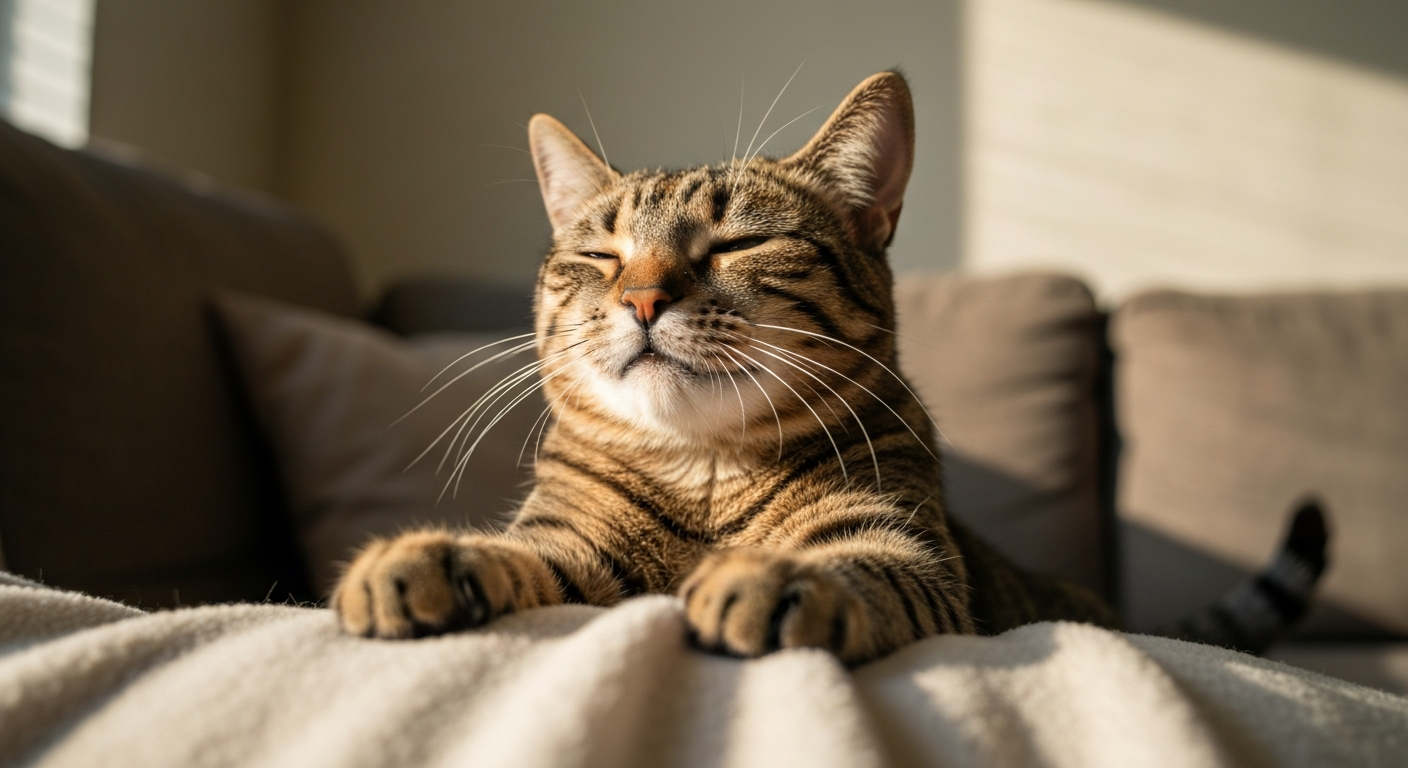

Your cat is making weird noises because each sound is a specific form of communication — purring signals contentment or self-soothing, chirping indicates excitement at prey, chattering expresses hunting frustration, and unusual vocalizations like yowling or growling can signal pain, stress, or medical issues.
Cats have one of the most diverse vocal repertoires of any domestic animal, producing over 100 distinct sounds compared to a dog's roughly 10. That funny vibrating noise during cuddles, the strange chattering at birds through the window, and even those odd purring noises at 3 AM all have specific meanings. Understanding why your cat is making biscuits on your blanket while purring, or why their stomach is making noises, helps you respond appropriately to their needs and catch potential health issues early.
Most weird noises your cat makes are completely normal — they're simply using their extensive vocal toolkit to communicate with you.
Cats evolved as solitary hunters, so they developed nuanced vocalizations specifically to communicate with humans and other cats they live with. Here's what the most common sounds mean:
| Sound | What It Sounds Like | What It Usually Means |
|---|---|---|
| Purring | Low, continuous vibrating noise | Contentment, self-soothing, or healing |
| Chirping/Trilling | Short, bird-like sounds | Greeting, excitement, or calling you |
| Chattering | Rapid teeth clicking | Hunting frustration (usually at birds/prey) |
| Meowing | Classic "meow" in various tones | Communication directed at humans |
| Yowling | Long, drawn-out howl | Distress, mating behavior, or cognitive issues |
| Hissing/Growling | Sharp exhale or low rumble | Fear, aggression, or pain warning |
"Cats rarely meow at other cats — meowing is a behavior cats have developed specifically to communicate with humans." — Dr. John Bradshaw at the University of Bristol's Anthrozoology Institute
The weird purring noises your cat makes while kneading deserve special attention. That strange vibrating noise isn't random — it's a deeply ingrained comfort behavior that begins in kittenhood.
Also Read: Why Is My Cat So Small? 7 Causes & What's Normal
When your cat is making biscuits on you or your blanket while purring, they're expressing deep contentment and security — this kneading behavior originates from nursing as a kitten and persists as a self-soothing mechanism throughout adulthood.
The rhythmic pushing motion with alternating paws mimics what kittens do to stimulate milk flow from their mother. Adult cats retain this behavior because it releases endorphins and signals they feel safe enough to be vulnerable. If your cat is always making biscuits on your lap or favorite blanket, consider it the highest compliment — they've chosen you as their source of comfort.
That strange vibrating noise accompanying the kneading is simply purring at a frequency you might not hear as clearly. Cats purr at frequencies between 25 and 150 Hz, and some produce deeper vibrations that feel more unusual than the classic "motor" sound. This is completely normal.
However, cats also purr when stressed, injured, or unwell — it's a self-soothing mechanism that may promote healing. If your cat is purring but showing other concerning signs like hiding, refusing food, or lethargy, the purring could indicate distress rather than contentment.
| ✓Our Pick |
Automatic pet feeders and water fountains for cats A top-rated pick that works — readers who tried this reported noticeable improvement within days. Learn More → |
If your cat's stomach is making noises — rumbling, gurgling, or bubbling sounds — it's usually just normal digestive activity, but persistent loud noises combined with other symptoms warrant veterinary attention.
The technical term for stomach and intestinal sounds is borborygmi, and all cats produce them as food and gas move through the digestive tract. You're more likely to notice these noises in short-haired cats or when your cat is lying on you.
Your cat's tummy sounds are typically fine if:
- They occur around mealtimes (hunger or post-meal digestion)
- Your cat is eating, drinking, and using the litter box normally
- There's no vomiting, diarrhea, or constipation
- Your cat's energy levels are unchanged
Contact your vet if stomach noises come with:
- Persistent vomiting or diarrhea lasting more than 24 hours
- Refusal to eat for more than a day
- Bloated or painful abdomen
- Lethargy or hiding behavior
- Blood in stool or vomit
"Increased intestinal sounds can indicate inflammation, infection, or dietary intolerance. When accompanied by changes in appetite or stool, diagnostic workup is warranted." — Dr. Lisa Pierson, DVM at CatInfo.org
Also Read: Why Is My Cat Limping? 7 Causes & What to Do
The weird chattering, chirping, or ekekek sounds your cat makes at birds or squirrels through the window are expressions of predatory excitement and frustration — completely normal feline behavior.
This funny noise that sounds almost mechanical comes from rapid jaw movements and reflects your cat's conflicting emotions: intense excitement at spotting prey combined with frustration at being unable to catch it. Some behaviorists believe the chattering mimics the killing bite cats use to dispatch small prey, essentially a rehearsal of the hunt.
Chirping and trilling — those short, bird-like sounds — often occur when your cat is excited to see you or wants your attention. Mother cats use these sounds to call kittens, and adult cats transfer this behavior to their favorite humans.
Sudden changes in your cat's vocalizations, especially increased yowling, excessive meowing, or sounds of pain, often indicate medical issues requiring veterinary evaluation.
Nighttime yowling in senior cats frequently signals cognitive dysfunction syndrome (CDS) — essentially feline dementia. Affected cats become disoriented, especially at night, and vocalize from confusion or anxiety. Other causes include:
- Hyperthyroidism (extremely common in older cats)
- High blood pressure
- Hearing loss (they can't gauge their own volume)
- Arthritis pain
- Kidney disease
If your older cat suddenly starts yowling at night, schedule a veterinary checkup promptly. Blood work can identify thyroid and kidney issues, both of which are treatable.
Cats are masters at hiding discomfort, but certain vocalizations suggest pain:
- Sudden sharp cries when touched or moving
- Low growling when approached
- Unusual hissing at family members
- Purring combined with reluctance to move or eat
A cat making unusual sounds while using the litter box may have a urinary blockage (emergency in male cats), constipation, or digestive pain. Don't ignore bathroom-associated vocalizations.
Matching your response to your cat's specific vocalization strengthens your bond and addresses their actual needs.
| Sound | Appropriate Response |
|---|---|
| Purring + kneading | Enjoy the moment; your cat is content |
| Chirping at you | Acknowledge them verbally; they're saying hello |
| Chattering at prey | Normal — provide interactive toys to satisfy hunting instincts |
| Persistent meowing | Check food, water, litter box, then consider attention-seeking |
| Yowling (new behavior) | Vet visit to rule out medical causes |
| Hissing/growling | Give space; identify and remove the stressor |
| Unusual sounds + hiding | Monitor closely; likely illness or pain |
Interactive play sessions help satisfy the hunting instincts that drive chattering behavior. Feather wands, laser pointers, and puzzle feeders give your cat appropriate outlets for predatory energy.
Any sudden change in vocalization patterns, especially in senior cats or when accompanied by behavioral changes, warrants professional evaluation.
Contact your veterinarian if:
- Your quiet cat suddenly becomes very vocal (or vice versa)
- Vocalizations accompany appetite changes, weight loss, or lethargy
- Your cat cries out when touched, picked up, or moved
- Nighttime yowling develops in a cat over 10 years old
- Breathing sounds become noisy, labored, or wheezy
- Vocalizations occur during urination or defecation
For symptoms that could indicate an emergency — difficulty breathing, inability to urinate, extreme lethargy, or signs of severe pain — seek immediate veterinary care.
| 🐾Find a Vet |
Find a specialist vet near you VetClinic.info is a free directory of board-certified specialist vets across the US — find an orthopedic surgeon, oncologist, neurologist, or emergency clinic near you in seconds. Find Near You → |
Your cat's weird noises are their way of communicating with you — purring and kneading signal contentment, chattering reflects hunting excitement, and stomach sounds are usually normal digestion. The key is noticing changes: a cat who suddenly vocalizes differently, especially if accompanied by behavioral changes or physical symptoms, needs veterinary attention. When your cat is making biscuits on your blanket while purring, they're telling you they feel completely safe and happy with you.
That vibrating noise is typically a variation of purring. Cats purr at frequencies between 25 and 150 Hz, and individual cats produce unique sounds — some deeper and more "buzzy" than others. If the vibrating occurs during kneading or relaxation, it's contentment. Combined with signs of illness, it could be self-soothing purring, which warrants monitoring.
Your cat kneads you because they associate you with the comfort and security they felt nursing as a kitten. It releases endorphins and signals complete trust. Cats who were weaned too early sometimes knead more frequently. Consider it a compliment — and keep a blanket on your lap to protect from claws.
Stomach sounds (borborygmi) result from normal digestive activity as food, liquid, and gas move through the intestines. Loud or frequent noises around mealtimes or during digestion are rarely concerning. Persistent gurgling combined with vomiting, diarrhea, or appetite changes indicates potential digestive issues requiring veterinary attention.
Cats often purr during sleep as a continuation of contentment from their waking state. Some cats also vocalize, twitch, or make small sounds during REM sleep — the dreaming phase. This is normal. If your cat seems distressed while making sleeping sounds, gently wake them as they may be having a nightmare.
The chattering, chirping, or teeth-clicking sounds cats make at birds stem from predatory excitement combined with frustration at being unable to hunt. Some researchers believe the jaw movements mimic the killing bite. It's completely normal behavior and shows your cat's natural instincts are intact — provide interactive toys to channel this energy.
Reviewed and Updated on June 11, 2026 by George Wright