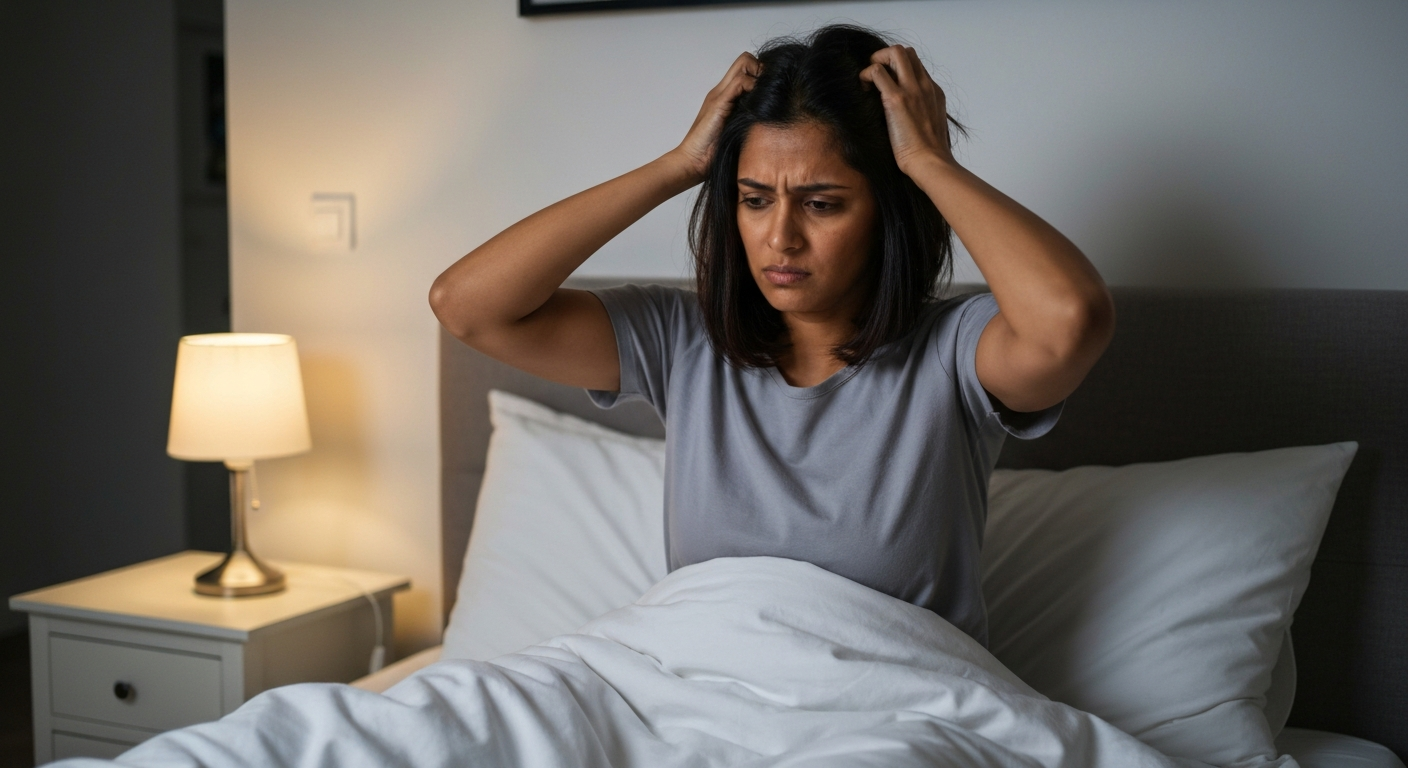
Skin
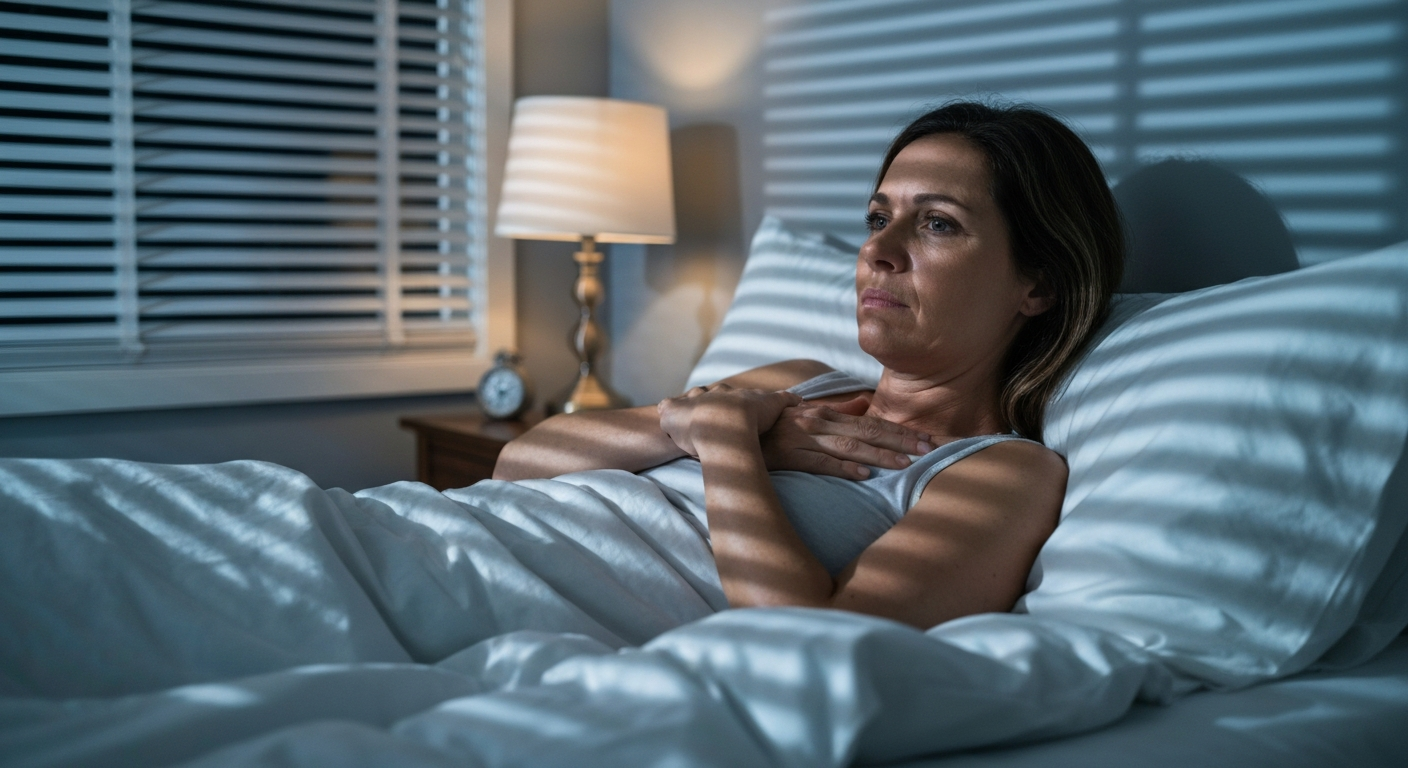

Your body shakes at night for no obvious reason most often because of hypnic jerks (involuntary muscle twitches during sleep onset), low blood sugar, caffeine or stimulant effects, anxiety, or temperature regulation issues — all of which trigger your nervous system to produce tremors even when you feel calm and rested.
| ✓Our Pick |
Clinically backed supplements for sleep, stress, and nervous system support Consistently earns five-star reviews — reliable, well-supported, and genuinely effective. Learn More → |
Nighttime body shaking happens when your nervous system fires involuntary muscle contractions, and the triggers range from completely harmless sleep transitions to underlying medical conditions that need attention.
The shaking you experience can take several forms. You might feel fine tremors running through your limbs, full-body vibrations, or sudden jerking movements that wake you up. Each pattern points to different causes, and understanding which type you're experiencing helps narrow down what's happening inside your body.
Your autonomic nervous system — the part that controls heartbeat, breathing, and temperature — stays active while you sleep. When something disrupts its normal function, whether that's blood sugar dropping, stress hormones lingering, or your brain misinterpreting the transition into sleep as falling, your muscles respond with shaking or twitching.
"Hypnic jerks are a normal part of the sleep process for many people and occur during the transition from wakefulness to sleep. They are generally harmless and do not indicate a sleep disorder." — Dr. Eric Olson at Mayo Clinic
Hypnic jerks are the most common cause of sudden body shaking as you fall asleep, affecting up to 70% of people at some point.
These involuntary muscle contractions happen during the hypnagogic state — the transitional period between wakefulness and sleep. Your brain sometimes misinterprets the muscle relaxation that occurs as you drift off as a signal that you're falling. In response, it sends a jolt of activity to your muscles to "catch" you.
You'll recognize hypnic jerks by their timing. They strike in the first few minutes of falling asleep, often accompanied by a sensation of falling or a flash of light. The shaking is brief — usually a single jerk rather than sustained tremors — and you wake up immediately after.
Factors that increase hypnic jerks include:
Nocturnal hypoglycemia — blood sugar dropping below 70 mg/dL while you sleep — triggers shaking, sweating, and sometimes nightmares as your body tries to wake you up.
Your brain depends on glucose for fuel. When blood sugar drops too low, your body releases stress hormones like adrenaline and cortisol to signal that something is wrong. These hormones cause the classic hypoglycemic symptoms: trembling, sweating, rapid heartbeat, and anxiety.
People most at risk for nighttime low blood sugar include:
| Risk Factor | Why It Causes Nighttime Drops |
|---|---|
| Diabetes medication | Insulin or sulfonylureas can lower blood sugar too much overnight |
| Skipping dinner | No glucose intake for 10+ hours depletes reserves |
| Alcohol before bed | Alcohol blocks the liver from releasing stored glucose |
| Intense evening exercise | Muscles continue drawing glucose for hours after workouts |
| Undiagnosed reactive hypoglycemia | Blood sugar swings after meals extend into sleep hours |
If you wake up shaking with a pounding heart, sweating, and feeling anxious, try eating a small snack with protein and complex carbohydrates before bed. A handful of nuts, cheese with crackers, or a small portion of yogurt can stabilize blood sugar overnight.
Anxiety keeps your nervous system in a heightened state of arousal, and that fight-or-flight activation doesn't always switch off when you close your eyes.
During the day, you might not notice the physical effects of anxiety because you're distracted by activities. At night, lying still in the dark, you become acutely aware of every sensation — including the fine tremors that chronic stress produces.
Anxiety-related nighttime shaking typically presents as:
"The physiological arousal associated with anxiety disorders often persists into sleep, leading to physical symptoms like tremors, increased heart rate, and difficulty achieving deep sleep stages." — Anxiety and Depression Association of America
Also Read: Why Is My Cough Worse at Night? 7 Causes & Quick Relief
Caffeine has a half-life of 5–6 hours, meaning half of that afternoon coffee is still circulating in your bloodstream at midnight.
Stimulants work by increasing nervous system activity. Even when you feel tired enough to sleep, caffeine molecules are still binding to adenosine receptors in your brain, preventing the normal sedation process and keeping your muscles more activated than they should be during rest.
Beyond coffee, watch for these hidden stimulants:
If you suspect caffeine is causing your nighttime shaking, try eliminating all caffeine after 12 PM for two weeks and track whether symptoms improve.
Your body uses shivering as a primary mechanism to generate heat, and this can activate even during light sleep if your core temperature drops.
The ideal sleep temperature for most adults falls between 60–67°F (15–19°C). When your bedroom is too cold, your hypothalamus detects the temperature drop and triggers rapid muscle contractions — shivering — to warm you up. You might not fully wake, but you'll experience shaking or trembling.
Conversely, overheating can also cause tremor-like sensations. When you're too hot, your body may produce an adrenaline response as it struggles to cool down, leading to shakiness similar to what you'd feel during a fever.
Signs your temperature is causing the problem:
Several common medications list tremors as a side effect, and these effects can become more noticeable at night when there are fewer distractions.
Medications most likely to cause nighttime shaking include:
| Medication Type | Examples | Why They Cause Tremors |
|---|---|---|
| SSRIs and SNRIs | Sertraline, venlafaxine, fluoxetine | Increase serotonin, which affects motor control |
| Bronchodilators | Albuterol, salmeterol | Stimulate beta receptors in muscles |
| Mood stabilizers | Lithium, valproate | Affect nervous system signaling |
| Thyroid medications | Levothyroxine (if dose too high) | Mimic hyperthyroid symptoms |
| Stimulants | Methylphenidate, amphetamines | Directly activate nervous system |
| Withdrawal from certain drugs | Benzodiazepines, alcohol | Nervous system rebound hyperactivity |
If you recently started a new medication and notice nighttime shaking, talk to your prescriber. Adjusting the dose or timing of your medication may resolve the issue without needing to switch drugs entirely.
Restless legs syndrome (RLS) creates an irresistible urge to move your legs, often accompanied by uncomfortable sensations and involuntary movements during rest.
RLS affects approximately 7–10% of the US population and is more common in women and older adults. The condition typically worsens at night and can cause:
Iron deficiency is a known contributor to RLS. If you have symptoms, your doctor may check your ferritin levels and recommend iron supplementation if they're low.
Also Read: Why Is My Blood Pressure High in the Morning? 7 Causes & Fixes
Certain medical conditions cause tremors that persist into sleep, and nighttime may be when you first notice symptoms that were masked during daytime activity.
Conditions to discuss with your doctor if nighttime shaking is persistent or severe:
If your nighttime shaking is accompanied by other symptoms — weight loss, persistent fatigue, muscle weakness, or changes in coordination — schedule an evaluation with your doctor.
Most nighttime shaking responds well to lifestyle modifications, and you can often identify the cause by systematically eliminating triggers.
Start with these evidence-based strategies:
Track your symptoms for two weeks, noting what you ate, drank, and did before bed each night. Patterns often emerge that point directly to the cause.
Seek medical evaluation if your nighttime shaking is severe, persistent, or accompanied by other concerning symptoms.
Warning signs that warrant a doctor visit:
Your doctor may order blood tests to check thyroid function, blood sugar, iron levels, and electrolytes. In some cases, a sleep study can identify conditions like periodic limb movement disorder or sleep apnea that contribute to nighttime symptoms.
Also Read: Why Is My Stomach Hard When I Press on It? 10 Causes
Nighttime body shaking is usually caused by hypnic jerks, blood sugar fluctuations, anxiety, caffeine, temperature issues, or medication side effects — most of which you can address with simple lifestyle changes. Track your symptoms, eliminate common triggers one at a time, and see a doctor if the shaking persists for more than two weeks or comes with other concerning symptoms like weight loss, muscle weakness, or daytime tremors.
Shaking when you're not cold typically points to hypnic jerks, anxiety, low blood sugar, or caffeine still in your system. Your nervous system can produce tremors even at comfortable temperatures when it's responding to internal triggers rather than external cold. Try tracking what you eat and drink in the hours before bed — stimulants and skipped meals are the most common culprits for non-temperature-related nighttime shaking.
Anxiety is one of the top causes of unexplained nighttime shaking. When you're lying still in the dark with no distractions, you become hyperaware of physical sensations you'd normally ignore during the day. Chronic stress keeps your sympathetic nervous system activated, producing fine tremors, internal vibrating sensations, and muscle tension even when you're not consciously feeling anxious.
Waking up shaking often signals low blood sugar, a hypnic jerk that was strong enough to fully wake you, or a nightmare/night terror triggering a stress response. If you're also sweating and your heart is racing, low blood sugar is a likely cause — especially if you skipped dinner or had alcohol before bed. Eating a small snack with protein before sleep can prevent these episodes.
Most nighttime shaking is harmless — hypnic jerks alone affect up to 70% of people. However, persistent daily shaking, especially if it continues during the day or comes with other symptoms like weight loss, coordination problems, or muscle weakness, warrants medical evaluation. Conditions like hyperthyroidism, essential tremor, or neurological disorders can cause tremors that need treatment.
Cut caffeine after noon, eat a balanced evening snack, keep your bedroom at 60–67°F, and practice relaxation techniques before bed. If anxiety is a factor, deep breathing or progressive muscle relaxation can reduce nervous system arousal. Maintain a consistent sleep schedule and review any medications with your doctor if symptoms started after beginning a new prescription.
Reviewed and Updated on May 29, 2026 by George Wright