
Health
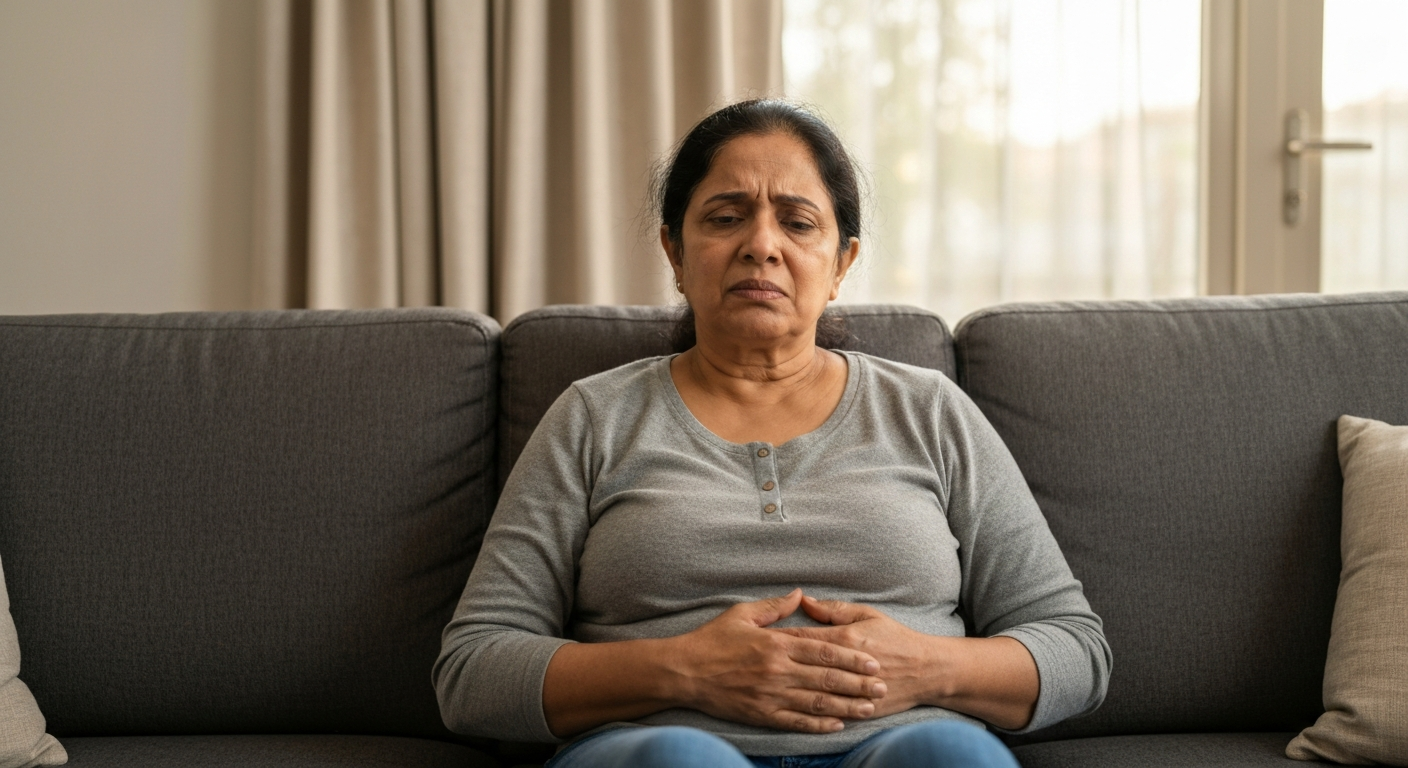

A hard stomach when you press on it usually signals trapped gas, constipation, bloating, or tense abdominal muscles — but it can also indicate more serious conditions like an obstruction, fluid buildup, or an abdominal mass that needs medical evaluation.
| ✓Our Pick |
Clinically backed supplements for digestive health and bloating relief Backed by strong customer feedback — the most recommended solution in forums and Q&A communities. Learn More → |
When your abdomen feels firm or rigid under pressure, your body is telling you something about what's happening beneath the surface — whether that's a temporary buildup of gas or a condition requiring immediate attention.
A normal, relaxed abdomen should feel soft and slightly compressible when you press gently on it. The degree of hardness, where you feel it, and any accompanying symptoms help determine whether you're dealing with a harmless issue or something more concerning.
Doctors describe abdominal rigidity in two main categories: voluntary guarding (where you tense up because pressing hurts) and involuntary rigidity (where the muscles stay board-stiff even when you try to relax). Involuntary rigidity is a red flag that often indicates peritonitis or another surgical emergency.
"Abdominal rigidity is the stiffness of your stomach muscles that worsens when you touch, or someone else touches, your abdomen. This is an involuntary response to prevent pain caused by pressure on your abdomen." — Cleveland Clinic
Most cases of a hard, distended abdomen come down to digestive issues that resolve on their own or with simple lifestyle changes — but knowing the difference between benign and serious causes matters.
Gas is the most common reason your stomach feels hard and bloated. When air gets trapped in your digestive tract, it stretches your intestinal walls and creates pressure that makes your abdomen feel tight and firm to the touch.
You swallow air when you eat too quickly, chew gum, drink carbonated beverages, or talk while eating. Certain foods — beans, cruciferous vegetables, dairy (if you're lactose intolerant), and artificial sweeteners — also produce excess gas during digestion.
Gas pain typically moves around your abdomen, causes cramping, and improves after you pass gas or have a bowel movement. Your stomach should return to normal softness within a few hours.
Yes — constipation is a leading cause of a hard lower stomach. When stool backs up in your colon, it creates a physical mass you can sometimes feel through your abdominal wall, particularly in the lower left quadrant where your descending colon sits.
Signs that constipation is behind your hard belly include:
Chronic constipation affects up to 16% of American adults and becomes more common with age, dehydration, low fiber intake, and sedentary lifestyles.
Also Read: Why Is My Poop Black? 7 Causes & When to Worry
Bloating — the sensation of fullness and tightness in your abdomen — is extremely common and usually benign. Your stomach can look big and hard after a large meal, during your menstrual cycle, or when you're stressed (stress slows digestion).
Occasional bloating after eating certain foods is normal. However, if your stomach is always hard and bloated regardless of what you eat or when, that pattern warrants investigation for underlying conditions like irritable bowel syndrome (IBS), small intestinal bacterial overgrowth (SIBO), or food intolerances.
Hardness specifically in the middle of your abdomen — the epigastric region just below your breastbone — often relates to your stomach organ itself. Causes include:
Epigastric hardness accompanied by burning pain, nausea, or feeling full after just a few bites suggests a stomach-specific issue rather than an intestinal one.
While most hard stomachs resolve without treatment, certain causes require urgent medical care — recognizing the warning signs could be life-saving.
A bowel obstruction occurs when something blocks the normal movement of contents through your intestines. This creates a backup that makes your abdomen progressively harder, more distended, and extremely painful.
Obstructions can be caused by:
Warning signs of obstruction include severe cramping pain that comes in waves, inability to pass gas or have a bowel movement, vomiting (especially green bile or fecal matter), and a noticeably swollen, hard abdomen. This is a medical emergency.
Ascites — the accumulation of fluid in your abdominal cavity — causes a distinctive type of hardness and swelling. Your belly feels heavy and taut, and the hardness is more diffuse than the localized firmness from constipation or gas.
Ascites develops from conditions that increase pressure in blood vessels or reduce protein levels in your blood:
| Cause | How It Leads to Ascites |
|---|---|
| Liver cirrhosis | Scarred liver increases portal vein pressure |
| Heart failure | Blood backs up into abdominal vessels |
| Kidney disease | Body retains excess fluid |
| Cancer | Tumors block lymph drainage or produce fluid |
| Severe malnutrition | Low albumin can't hold fluid in blood vessels |
"The most common cause of ascites is cirrhosis of the liver. Cirrhosis accounts for about 80 percent of the cases of ascites." — American College of Gastroenterology
If your abdomen is swollen and hard, you've gained weight rapidly without eating more, your ankles are swelling, or you're short of breath when lying flat, see a doctor promptly.
Sometimes a hard area in your abdomen is literally a mass — a growth that shouldn't be there. This could be a benign cyst, an enlarged organ, or in more serious cases, a tumor.
Masses worth investigating include:
A hard, fixed lump that doesn't move, grows over time, or causes unexplained weight loss needs medical evaluation.
Abdominal hardness during pregnancy has specific causes that differ by trimester — some are completely normal, while others need monitoring.
In early pregnancy, your uterus rises out of your pelvis and begins pressing against your abdominal wall, which can make your lower belly feel firmer than usual. Bloating from pregnancy hormones adds to this sensation.
During the second and third trimesters, intermittent hardness is often from Braxton Hicks contractions — practice contractions where your uterus tightens for 30-60 seconds then relaxes. Your belly becomes rock-hard during a contraction and soft between them. These are normal and don't mean labor is starting.
However, regular, progressively stronger contractions before 37 weeks could indicate preterm labor. And constant hardness with severe pain, especially in one area, might signal placental abruption — a medical emergency.
| Type of Hardness | Normal or Concerning |
|---|---|
| Occasional tightening that stops when you rest | Normal (Braxton Hicks) |
| Hardness after eating or drinking cold water | Normal |
| Regular contractions before 37 weeks | Call your provider |
| Constant severe pain with hard abdomen | Seek immediate care |
Also Read: Why Is My Poop Green? 7 Causes & What to Do About It
For garden-variety bloating and gas, several evidence-based strategies can soften your belly and reduce discomfort within hours to days.
Start by identifying your triggers. Keep a food diary for two weeks, noting what you eat and when your stomach feels hardest. Common culprits include:
Eating smaller, more frequent meals prevents the stomach distension that comes from large portions. Chewing thoroughly and eating slowly reduces air swallowing.
Movement helps trapped gas pass through your system. A 10-15 minute walk after meals significantly reduces bloating. Specific yoga poses — child's pose, wind-relieving pose (knees to chest), and gentle twists — mechanically help release gas.
Applying gentle heat to your abdomen relaxes smooth muscle and can ease cramping. A heating pad set to low-medium for 15-20 minutes provides relief without medication.
Abdominal massage following the path of your colon (up the right side, across, and down the left side) can help move things along if constipation is the issue.
Certain red flags mean your hard stomach needs professional evaluation sooner rather than later.
Seek same-day or emergency care if you experience:
Schedule an appointment soon if:
"Sudden onset of severe abdominal pain requires emergent evaluation because it may be the initial manifestation of a serious intra-abdominal process." — American Family Physician Journal
Your doctor will likely start with a physical exam, ask about your symptoms and history, and may order blood tests, imaging (ultrasound, CT scan), or refer you to a gastroenterologist depending on what they find.
Also Read: Why Is My Tongue Hurting? 11 Causes & How to Get Relief
A hard stomach when you press on it most commonly results from trapped gas, constipation, or normal muscle tension — conditions that typically resolve with dietary changes, movement, and time. However, persistent abdominal hardness, especially with pain, swelling, fever, or bowel changes, can signal serious conditions like obstruction, ascites, or masses that require medical evaluation. During pregnancy, intermittent hardness is usually normal Braxton Hicks contractions, but constant severe hardness with pain needs immediate assessment. When in doubt, particularly with sudden onset or worsening symptoms, err on the side of seeing a healthcare provider.
A big, hard stomach without pregnancy typically results from visceral fat (deep abdominal fat), chronic bloating, or fluid retention. Visceral fat accumulates around organs and creates firm abdominal distension that doesn't fluctuate like bloating does. Other causes include ascites (fluid buildup from liver or heart conditions), ovarian cysts or fibroids, and severe constipation. If your abdomen has grown noticeably larger over weeks or months, especially with other symptoms like fatigue or unexplained weight changes, see your doctor for evaluation.
Daily abdominal hardness and swelling suggests a chronic underlying cause rather than occasional digestive upset. Common culprits include irritable bowel syndrome (IBS), small intestinal bacterial overgrowth (SIBO), food intolerances (especially lactose, fructose, or gluten), gastroparesis, or chronic constipation. Keeping a detailed food and symptom diary helps identify patterns. If eliminating common trigger foods doesn't help after 2-3 weeks, a gastroenterologist can test for SIBO, celiac disease, and other conditions causing persistent bloating.
Yes — stress directly affects your gut through the brain-gut axis. When you're stressed, your body enters fight-or-flight mode, which slows digestion, increases muscle tension (including abdominal muscles), and can cause you to swallow more air. Chronic stress also alters gut bacteria and increases intestinal sensitivity, making you feel bloated even when gas levels are normal. Stress-related stomach hardness usually improves with relaxation techniques, regular exercise, adequate sleep, and addressing the underlying stressors.
Lower abdominal hardness after eating typically indicates that food and gas are moving into your intestines and creating temporary distension. This is especially noticeable after large meals, high-fiber foods, or foods that ferment in your gut (beans, cruciferous vegetables, dairy if you're lactose intolerant). If it happens only occasionally and resolves within a few hours, it's usually normal. If your lower stomach hardens painfully after every meal regardless of what you eat, you may have a motility disorder or food intolerance worth investigating.
Abdominal rigidity becomes concerning when it's involuntary — meaning your stomach stays board-stiff even when you consciously try to relax your muscles. This type of rigidity, especially when accompanied by severe pain, fever, or signs of shock, often indicates peritonitis (infection of the abdominal lining) or another surgical emergency. Other warning signs include pain that worsens with movement or touching, inability to pass gas or stool, vomiting, and rapid heartbeat. If you can't relax your abdominal muscles at all, seek emergency medical care.
Reviewed and Updated on May 29, 2026 by George Wright