Health

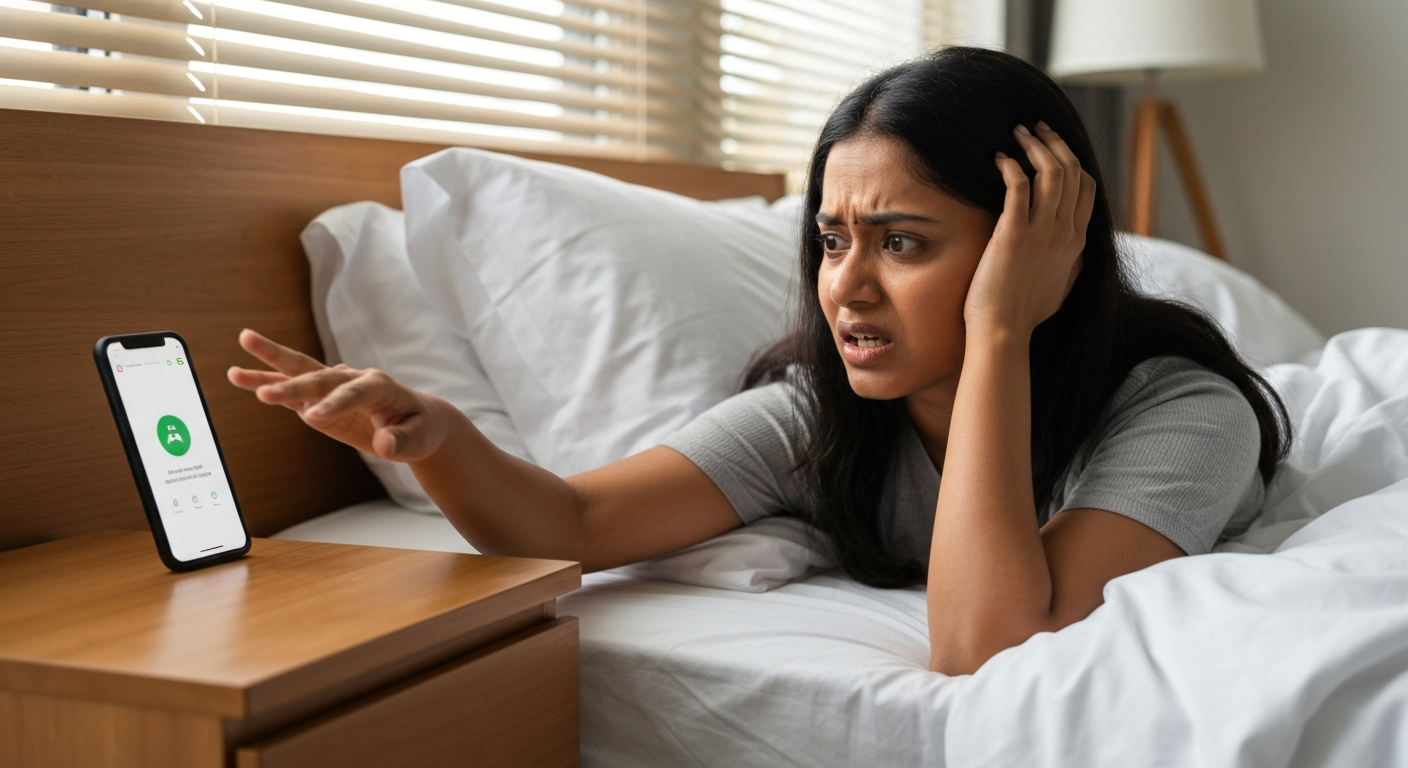
Your head is probably itchier at night because of a combination of lower cortisol levels (your body's natural anti-itch hormone drops after sunset), warmer scalp temperatures under blankets, and increased skin contact with potential irritants like pillowcases and hair products—though sudden nighttime itching can also signal conditions like seborrheic dermatitis, psoriasis, or even head lice that need treatment.
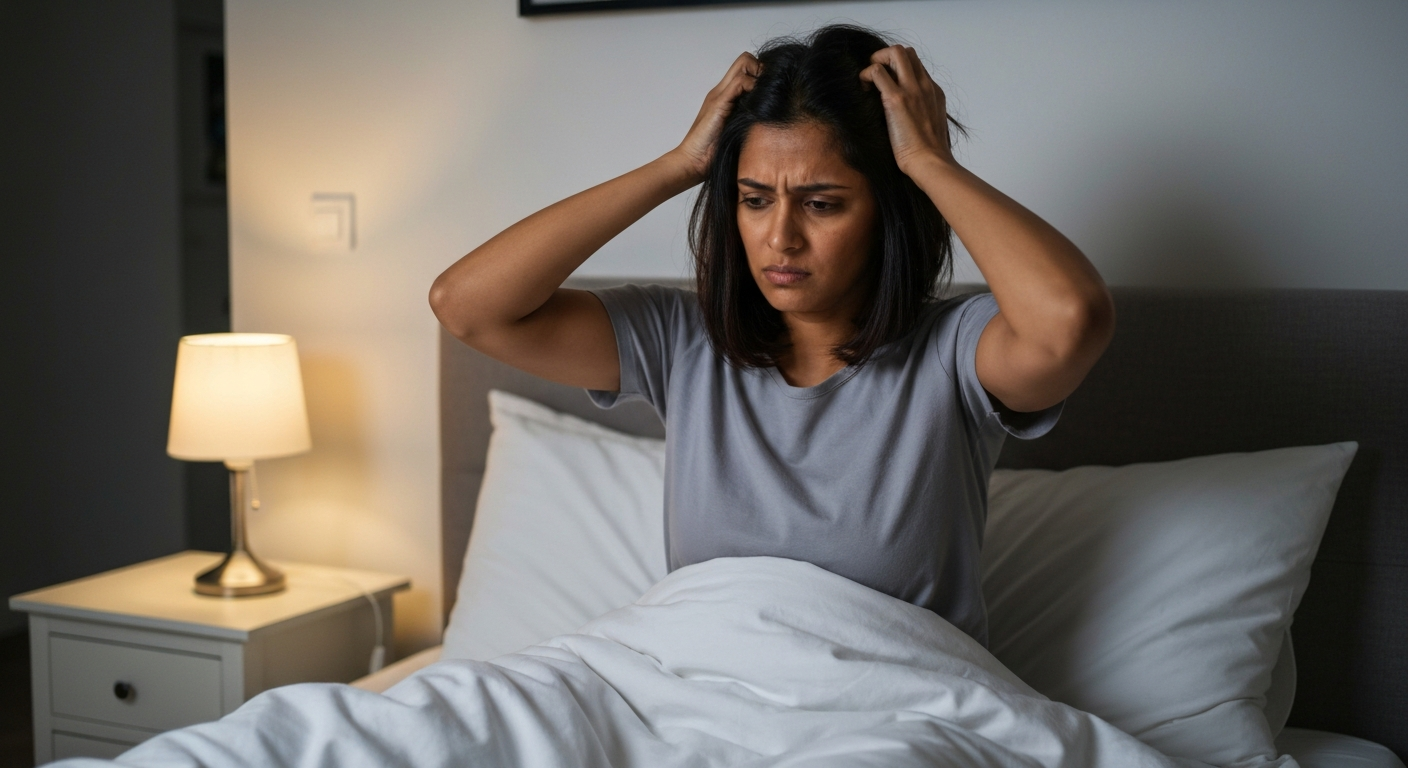
If you've ever wondered why your scalp seems perfectly fine during the day but turns into an itchy nightmare the moment your head hits the pillow, you're not alone. This frustrating pattern affects millions of Americans, and understanding the science behind it is the first step toward finally getting relief.
Your body's circadian rhythm—the internal clock that regulates sleep, hormones, and body temperature—plays a direct role in making your skin itchier at night.
During daylight hours, your adrenal glands produce cortisol, a hormone that naturally suppresses inflammation and itch signals. As evening approaches, cortisol levels begin their nightly decline. By the time you're settling into bed, your body has significantly less of this built-in itch-blocker circulating through your system.
Simultaneously, your core body temperature rises slightly in the evening as part of the natural sleep cycle. This warmth dilates blood vessels near the skin's surface, which increases blood flow and can amplify itch sensations. When you add a warm pillow and blankets trapping heat around your head, the effect intensifies.
"Itching tends to be worse at night because of the circadian rhythm, changes in skin temperature, and transepidermal water loss that occur during sleep." — Dr. Shawn Kwatra, Director of the Johns Hopkins Itch Center
There's also a psychological component. During the day, your brain is occupied with work, conversations, and countless distractions. At night, with fewer stimuli competing for attention, your nervous system becomes hyperaware of physical sensations—including that mild itch you might have ignored at noon.
Also Read: Why Is My Cough Worse at Night? 7 Causes & Quick Relief
Identifying the specific cause of your nocturnal itching is essential because treatments vary dramatically depending on the underlying trigger.
Seborrheic dermatitis is one of the most common causes of itchy scalp, affecting roughly 3-5% of the general population. This condition causes red, flaky, greasy patches that worsen when you're stressed or tired—which often means nighttime flare-ups. The culprit is an overgrowth of Malassezia yeast, a fungus that naturally lives on oily areas of skin. At night, increased scalp temperature and oil production create the perfect environment for this yeast to thrive.
Scalp psoriasis causes thick, silvery scales and intense itching that can extend beyond the hairline onto the forehead, neck, and behind the ears. The itch from psoriasis often feels deeper and more persistent than typical dryness. If you're also noticing similar patches on your elbows, knees, or lower back, psoriasis may be the answer to why your head is so itchy all of a sudden.
Adult head lice are most active in the dark, making nighttime the peak period for their movement and feeding. If your scalp has suddenly become unbearably itchy—especially behind your ears and at the nape of your neck—and you've been in close contact with children or shared personal items like hats or hairbrushes, lice should be ruled out. Scabies mites can also affect the scalp (though this is more common in infants and elderly individuals) and are notoriously worse at night because the mites become more active in warm skin.
Cotton pillowcases absorb hair products, skin oils, dead skin cells, and sweat over time. Even after washing, residue from detergents and fabric softeners can remain in the fibers. These accumulated irritants spend 6-8 hours in direct contact with your scalp every night. Switching to a silk or satin pillowcase—and washing it weekly in fragrance-free detergent—resolves nighttime itching for many people.
Dry shampoo, styling gels, hairsprays, and leave-in conditioners can accumulate on the scalp faster than regular shampooing removes them. This product buildup clogs hair follicles and creates an itchy, flaky layer that becomes more noticeable at night when you're lying still. If you use multiple styling products, a weekly clarifying shampoo can help.
Central heating in winter and air conditioning in summer both strip moisture from indoor air. When humidity drops below 30%, skin loses water more rapidly—a process called transepidermal water loss. This affects not just your scalp but your entire body. If you've noticed that your back, nose, or butt is also itchy at night alongside your scalp, dry air may be the common culprit.
"Transepidermal water loss increases at night, leading to drier skin that is more prone to itching." — National Eczema Association
Eczema frequently affects the scalp, hairline, and face. The itch-scratch cycle intensifies at night: you scratch unconsciously in your sleep, damaging the skin barrier, which triggers more itching. If you have a history of allergies, asthma, or eczema elsewhere on your body, your itchy scalp and skin may be part of the same atopic pattern.
Psychological stress increases levels of cortisol initially, but chronic stress eventually depletes it. Stress also triggers the release of histamine and other inflammatory chemicals that amplify itch signals. If your nighttime itching coincides with a stressful life period, the connection is likely more than coincidental. The cycle becomes self-reinforcing: poor sleep from itching increases stress, which worsens itching.
Contact allergies to nickel (in glasses), latex (in elastic headbands), or fragrance (in shampoos) often manifest as localized itching. If your nose is particularly itchy at night, consider whether dust mites in your pillow or pet dander on your bedding might be triggering an allergic response. Seasonal allergies can also worsen at night due to pollen trapped in hair and on pillowcases.
The right treatment depends on the underlying cause, but these evidence-based strategies provide relief for most nocturnal itching patterns.
| Cause | First-Line Treatment | Timeline for Improvement |
|---|---|---|
| Seborrheic dermatitis | Ketoconazole or pyrithione zinc shampoo | 2-4 weeks |
| Psoriasis | Coal tar or salicylic acid shampoo; see dermatologist | 4-8 weeks |
| Head lice | Permethrin or ivermectin treatment | 1-2 weeks |
| Dry skin/low humidity | Humidifier + fragrance-free moisturizer | Days |
| Product buildup | Clarifying shampoo weekly | Immediate |
| Pillow irritants | Switch to silk/satin; wash in fragrance-free detergent | Days |
| Eczema | OTC hydrocortisone; prescription if severe | 1-2 weeks |
| Allergies | Antihistamine before bed; remove allergen source | Hours to days |
For tonight, before addressing the root cause:
The most effective approach combines addressing your specific trigger with general skin-barrier protection:
Seek medical attention if your itching is accompanied by any red-flag symptoms, persists despite home treatment, or significantly disrupts your sleep for more than two weeks.
Warning signs that warrant a doctor's visit:
Persistent whole-body itching that's worse at night can occasionally indicate systemic conditions like liver disease, kidney dysfunction, or thyroid disorders. While these are uncommon causes, your doctor may order blood tests if the itching is widespread and has no obvious skin-based explanation.
| ✓Our Pick |
All-in-one itch relief kit for nighttime scalp and skin care This is the go-to fix recommended by professionals — save time and money by getting it right the first time. See on Amazon → |
Nighttime scalp and skin itching intensifies because of the circadian drop in cortisol, increased skin temperature, and heightened body awareness when you're trying to sleep. Common causes include seborrheic dermatitis, dry skin, product buildup, pillowcase irritants, and allergic reactions. Most cases respond well to targeted treatments like medicated shampoos, antihistamines, or simply switching to clean silk pillowcases and running a humidifier. If your itching persists beyond two weeks or comes with other concerning symptoms, see a dermatologist to rule out conditions like psoriasis, eczema, or systemic health issues.
Nighttime anal itching (pruritus ani) often stems from residual moisture or stool irritation, pinworms (especially in children), or hemorrhoids that become more noticeable when you're lying down. The same circadian factors that amplify scalp itching apply here. Treatment typically involves thorough but gentle cleaning with unscented wipes, applying a barrier cream like zinc oxide, and wearing breathable cotton underwear.
Your back has fewer oil glands than other body areas, making it particularly prone to dryness-related itching. At night, contact with sheets and pajamas can irritate already dry skin. If the itch is accompanied by a visible rash or appears in specific patches, conditions like nummular eczema or tinea versicolor (a fungal infection) should be considered.
Nighttime nasal itching usually signals allergic rhinitis triggered by dust mites, pet dander, or mold in your bedroom environment. Your nose may also dry out from breathing through it while sleeping, especially if you have nasal congestion that limits airflow. Using a saline spray before bed and encasing pillows in allergen-proof covers often resolves this.
Sudden-onset scalp itching that appears without any visible changes typically indicates a new irritant exposure (new shampoo, hair dye, or styling product), a stress flare, or the early stage of a condition like seborrheic dermatitis. Less commonly, it can signal an allergic reaction. If the itching appeared within days of using a new product, stop using it immediately and see if symptoms resolve within a week.
While most nighttime itching has straightforward causes like dry skin or dermatitis, persistent itching that doesn't respond to treatment—especially if accompanied by fatigue, unexplained weight loss, or yellowing skin—warrants medical evaluation. Conditions like cholestasis (bile flow problems), chronic kidney disease, and certain lymphomas can cause generalized itching that's often worse at night.
Reviewed and Updated on May 29, 2026 by George Wright