Technology

Your blood pressure is high in the morning because of a natural phenomenon called the "morning surge" — your body releases cortisol and adrenaline to wake you up, which constricts blood vessels and raises blood pressure by 10–25 mmHg compared to nighttime levels.
This surge is completely normal and happens to everyone. However, if your morning readings consistently exceed 135/85 mmHg at home or climb above 140/90 mmHg, you may have a condition called morning hypertension, which significantly increases your risk of heart attack and stroke. Several factors can make this morning spike worse than it should be, from sleep apnea to medication timing to that rushed cup of coffee before you even check your numbers.
Your body's internal clock triggers a cascade of hormonal changes in the hours before waking that naturally elevate blood pressure — this is your cardiovascular system preparing for the physical demands of being upright and active.
Between roughly 4:00 AM and noon, your adrenal glands ramp up production of cortisol (the stress hormone) and catecholamines like adrenaline and noradrenaline. These hormones serve a purpose: they increase your heart rate, tighten your blood vessels, and raise your blood pressure so you have the energy and alertness to start your day.
The technical term for this pattern is "circadian blood pressure variation." Blood pressure follows a predictable daily rhythm — it dips by 10–20% during deep sleep (this is called "nocturnal dipping"), then rises sharply in the early morning hours. The steeper the rise, the more strain on your heart and blood vessels.
"The morning hours are when the risk of cardiovascular events is highest. The rate of rise in blood pressure upon awakening, rather than the peak pressure itself, may be particularly important in triggering events." — Dr. Kazuomi Kario in Hypertension (American Heart Association)
For most healthy people, this morning spike is modest and poses no danger. But when other factors amplify it — or when your baseline pressure is already elevated — the morning surge can push you into a dangerous zone.
If your morning readings are consistently elevated beyond the typical surge, one or more underlying factors are likely at play — from untreated sleep disorders to the timing of your medications.
Obstructive sleep apnea (OSA) is one of the most common — and most overlooked — causes of stubborn morning hypertension. When your airway collapses repeatedly during sleep, your oxygen levels drop and your body releases stress hormones in response. This prevents the normal nocturnal dip in blood pressure and can leave you waking up with readings 15–20 mmHg higher than expected.
If you snore loudly, wake up gasping, or feel exhausted despite sleeping a full night, ask your doctor about a sleep study. Treating sleep apnea with a CPAP machine often brings morning blood pressure down significantly.
Even without apnea, fragmented or insufficient sleep disrupts your body's ability to regulate blood pressure overnight. Research published in Hypertension shows that adults who sleep fewer than six hours per night have a 20% higher risk of hypertension. When you don't get enough deep, restorative sleep, your sympathetic nervous system (the "fight or flight" system) stays activated, keeping blood pressure elevated into the morning.
Many blood pressure medications are designed to last 24 hours, but in practice, they may lose effectiveness in the early morning hours — especially if you take them in the morning rather than at bedtime. This is called the "end-of-dose" effect.
A 2026 study in the European Heart Journal confirms that taking at least one antihypertensive medication at bedtime, rather than all doses in the morning, often provides better 24-hour coverage and reduces the morning surge. Talk to your doctor before changing when you take your medication.
| ✓Our Pick |
Track your health data and calorie intake with an AI-powered app Great value for money — this product tackles the root cause rather than just masking the symptoms. Learn More → |
A high-sodium diet causes your body to retain fluid, which increases blood volume and raises blood pressure. The effects are cumulative — if you eat salty foods in the evening, you may wake up with higher readings than usual. The American Heart Association recommends limiting sodium to 1,500 mg per day for most adults, especially those with hypertension.
Drinking alcohol in the evening can cause blood pressure to drop initially, then rebound higher overnight as your body metabolizes the alcohol. This rebound effect often peaks in the early morning hours.
Coffee and other caffeinated beverages consumed shortly after waking — or sometimes even the night before — can also spike readings. Caffeine temporarily raises blood pressure by 5–10 mmHg, though the effect varies by individual tolerance.
Waking up stressed about the day ahead activates your sympathetic nervous system, releasing the same hormones that cause the natural morning surge — but in greater amounts. Chronic stress keeps your baseline blood pressure elevated, making the morning spike even more pronounced.
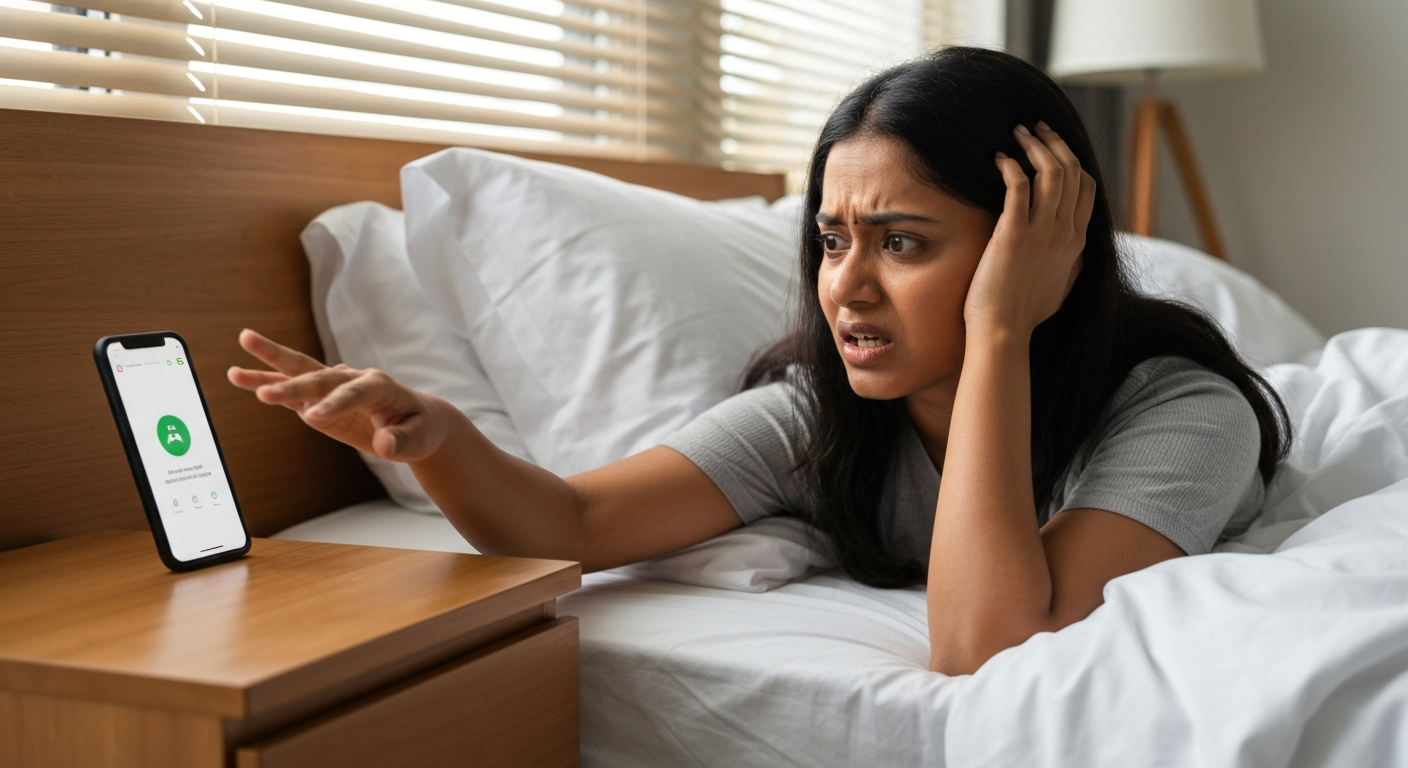
If you check your blood pressure immediately after your alarm jolts you awake, anxiety about the reading itself (called "white coat effect" at home) can inflate the numbers. Try sitting quietly for five minutes before measuring.
Several medical conditions beyond sleep apnea can cause persistently high morning blood pressure:
| Condition | How It Raises Morning BP |
|---|---|
| Chronic kidney disease | Impaired sodium and fluid regulation |
| Diabetes | Damages blood vessels; disrupts nocturnal dipping |
| Thyroid disorders | Hyperthyroidism increases heart rate and BP |
| Primary aldosteronism | Adrenal gland overproduces aldosterone |
| Autonomic dysfunction | Abnormal nervous system control of BP |
If lifestyle changes and medication adjustments don't bring your morning readings down, your doctor may test for these conditions.
Also Read: Why Is My Face Always Red? 9 Causes & How to Calm It
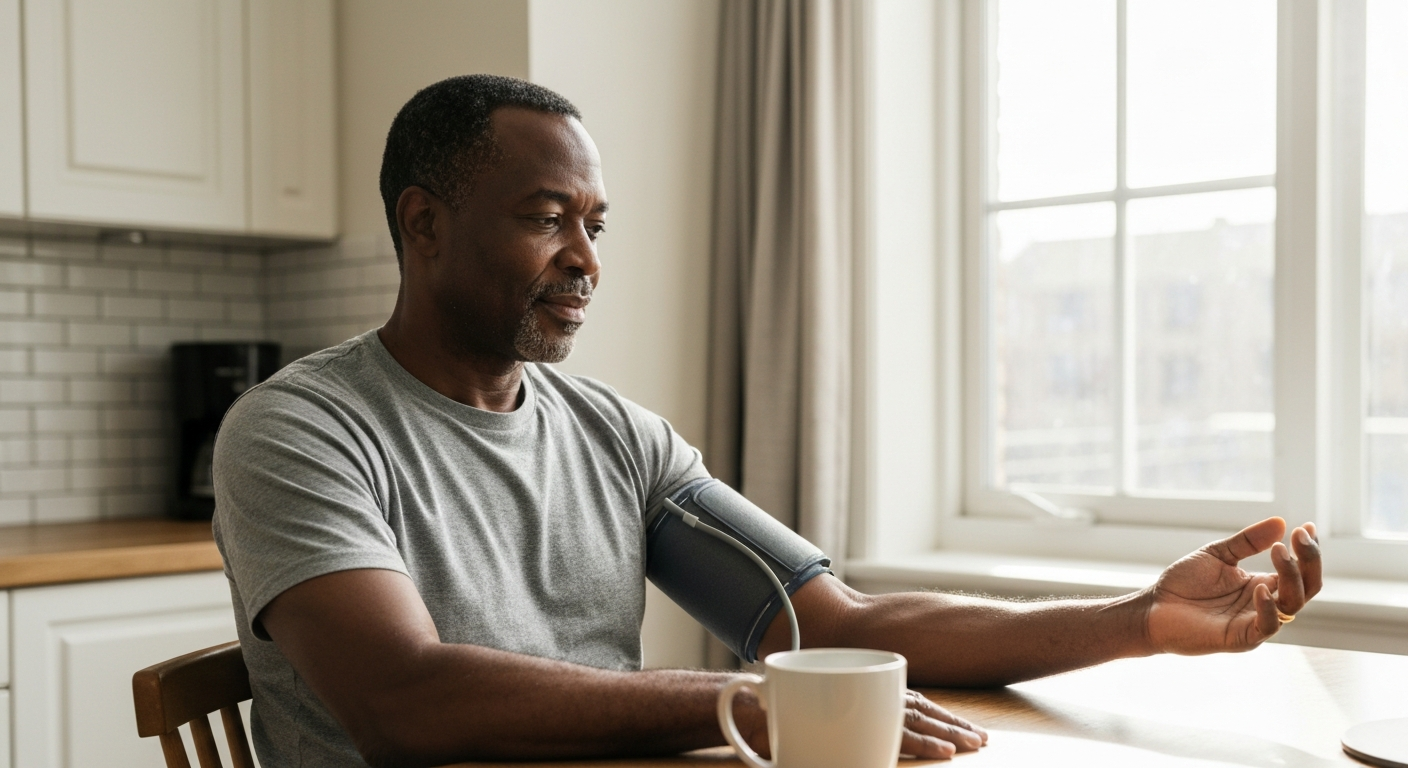
Inaccurate technique is a surprisingly common reason for alarming morning readings — small errors in positioning, timing, or cuff size can inflate your numbers by 10 mmHg or more.
Follow these steps for reliable home measurements:
"Home blood pressure monitoring is essential for diagnosing and managing hypertension. Measurements should be taken in the morning before medications and again in the evening for a complete picture." — American Heart Association
Keep a log of your readings to share with your doctor. A single high reading doesn't mean much — it's the pattern over weeks that matters.
Morning blood pressure that consistently exceeds 135/85 mmHg at home (or 140/90 mmHg in a clinic) is considered hypertensive and requires medical attention, particularly because the early morning hours carry the highest risk for heart attacks and strokes.
The cardiovascular system is most vulnerable between 6:00 AM and noon. Studies show that heart attacks are 40% more likely during this window, and strokes are nearly three times more common in the morning than at night. The rapid rise in blood pressure upon waking places acute stress on arterial walls and can trigger plaque rupture in vulnerable blood vessels.
You should contact your doctor if:
Also Read: Why Is My Stomach Hard When I Press on It? 10 Causes
Reducing your morning surge involves addressing both the underlying causes and the timing of your daily habits — small changes often produce measurable results within weeks.
Ask your doctor whether taking your blood pressure medication at bedtime rather than in the morning might provide better overnight coverage. This is called chronotherapy, and research increasingly supports it for patients with morning hypertension.
If you have or suspect sleep apnea, getting diagnosed and treated is one of the most effective ways to reduce morning blood pressure. CPAP therapy often lowers systolic pressure by 5–15 mmHg.
Cut back on processed foods, restaurant meals, and added salt. At the same time, eat more potassium-rich foods like bananas, spinach, and sweet potatoes — potassium helps your kidneys excrete sodium and relaxes blood vessel walls.
If you drink alcohol, stop at least three hours before bed to minimize the rebound effect. Avoid caffeinated beverages after noon if you're sensitive to their effects.
Instead of jolting awake to a loud alarm and immediately checking email, try waking gradually with a sunrise alarm clock. Spend five minutes doing slow breathing or gentle stretching before you get out of bed. This blunts the stress hormone surge.
Aim for seven to eight hours of sleep per night on a regular schedule. Going to bed and waking up at the same time — even on weekends — helps regulate your circadian rhythm and supports healthy nocturnal dipping.
| Strategy | Expected BP Reduction |
|---|---|
| Treating sleep apnea with CPAP | 5–15 mmHg |
| Reducing sodium to <1,500 mg/day | 5–6 mmHg |
| Bedtime medication dosing | 3–8 mmHg |
| Losing 10 lbs if overweight | 5–20 mmHg |
| 30 min daily exercise | 4–9 mmHg |
| Limiting alcohol | 2–4 mmHg |
Also Read: Why Is My Cough Worse at Night? 7 Causes & Quick Relief
Your blood pressure naturally rises in the morning due to hormonal changes that prepare your body for waking — but factors like sleep apnea, medication timing, high sodium intake, and poor sleep can push this surge beyond healthy limits. Consistent morning readings above 135/85 mmHg warrant a conversation with your doctor, especially given the increased cardiovascular risk during early morning hours. Accurate home monitoring, chronotherapy (bedtime dosing), treating sleep disorders, and lifestyle modifications can significantly reduce your morning blood pressure and lower your risk of heart attack and stroke.
This pattern — called non-dipping or reverse dipping — occurs when your blood pressure fails to decrease during sleep the way it should. Sleep apnea is a common culprit, but diabetes, chronic kidney disease, and certain medications can also prevent normal nocturnal dipping. If your morning readings are consistently 20+ mmHg higher than evening readings, your doctor may recommend 24-hour ambulatory blood pressure monitoring to confirm the pattern and identify the cause.
Staying well-hydrated supports healthy blood volume and kidney function, which can help with blood pressure regulation. However, drinking a glass of water right before taking your morning reading won't produce an immediate drop. Chronic mild dehydration may actually raise blood pressure over time because your body retains more sodium to compensate.
For some people, taking at least one antihypertensive medication at bedtime provides better 24-hour control and reduces the morning surge. However, this isn't appropriate for everyone — certain medications like diuretics can disrupt sleep if taken at night. Never change your medication schedule without consulting your doctor first, as the optimal timing depends on your specific condition and drug regimen.
This is the classic morning surge in action. Your cortisol and adrenaline levels peak around waking time, then gradually decline as your body adjusts to being awake and active. Additionally, if you measure immediately upon waking, you may still be influenced by the stress of the alarm or anxiety about the reading itself. Waiting 30–60 minutes before measuring often gives a more representative reading.
A morning reading of 150/90 mmHg is in Stage 2 hypertension territory and should be taken seriously, especially if it's consistent over multiple days. While a single elevated reading doesn't necessarily indicate a crisis, repeated readings at this level increase your risk of heart disease, stroke, and kidney damage. Contact your doctor to discuss your readings and explore treatment options.
Reviewed and Updated on May 29, 2026 by George Wright