
Dental
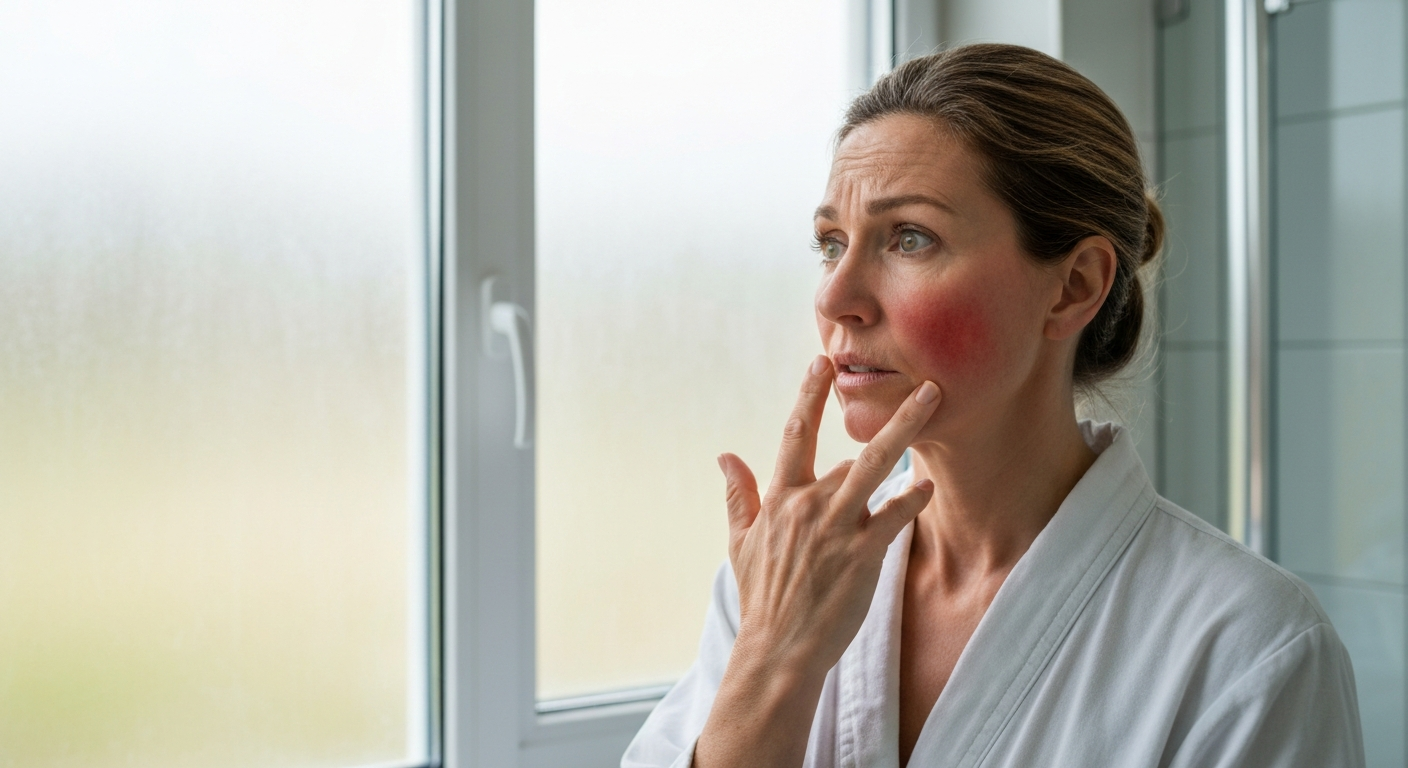

Your face is always red because of chronic blood vessel dilation near the skin's surface, triggered by factors like rosacea, sensitive skin, heat, hormonal changes, or an overactive sympathetic nervous system — and identifying your specific trigger is the first step toward calming that persistent flush.
Facial redness that never seems to go away can feel frustrating and embarrassing. You might notice your complexion looks flushed even when you're calm, or your face turns red and hot for no apparent reason. The good news is that persistent redness almost always has an identifiable cause, and once you understand what's happening beneath your skin, you can take targeted steps to reduce it.
Blood vessels just beneath your facial skin are dilating more than they should, staying open longer, and allowing more blood flow to pool near the surface — creating that visible redness and warmth.
Your face has more blood vessels per square inch than almost any other part of your body. This makes facial skin uniquely responsive to temperature changes, emotions, and internal signals. When these vessels dilate (widen), blood rushes to the surface, creating flushing. In most people, the vessels constrict again within minutes. But if you're dealing with constant redness, your vessels may be struggling to return to their normal state.
Several mechanisms can cause this:
Understanding which mechanism applies to you helps determine the right treatment approach.
The most common causes of persistent facial redness include rosacea, sensitive skin reactions, heat and exercise responses, hormonal fluctuations, and certain medications — each requiring a different management strategy.
Rosacea affects an estimated 16 million Americans and is the leading cause of chronic facial redness. This inflammatory skin condition causes blood vessels to dilate easily and often become permanently visible. You might notice your face is red and warm throughout the day, with flare-ups triggered by heat, alcohol, spicy food, or stress.
"Rosacea is a chronic condition that causes redness, visible blood vessels, and sometimes small, pus-filled bumps on the face." — American Academy of Dermatology
Key signs that rosacea might be your culprit:
- Redness concentrated on cheeks, nose, chin, and forehead
- Visible spider-like blood vessels (telangiectasia)
- Skin that flushes easily with heat or emotions
- Burning or stinging sensations
- Symptoms that started after age 30
If your face is red after washing it or turns flushed after applying skincare products, you likely have reactive or sensitive skin. Your skin barrier — the outermost protective layer — may be compromised, allowing irritants to penetrate more easily and trigger inflammation.
Common skincare ingredients that cause facial redness:
- Retinoids (especially when starting)
- Alpha hydroxy acids (glycolic, lactic acid)
- Fragrance and essential oils
- Harsh sulfate cleansers
- High concentrations of vitamin C
Also Read: Why Is My Chest Breaking Out? 9 Causes & How to Clear It
Exercise-induced flushing is completely normal — your body raises skin temperature to release heat during physical exertion. However, if your face stays red for hours after working out, or turns an alarming shade of crimson, you may have heightened vascular reactivity.
During exercise, your core temperature rises. Your body responds by dilating blood vessels near the skin's surface to release heat. Fair-skinned individuals and those with rosacea tend to flush more visibly because their vessels are closer to the surface and more reactive.
| ✓Our Pick |
Trusted skin supplements from Approved Science Save yourself the frustration — a proven solution with consistently positive feedback from real buyers. Learn More → |
Your face turning red after a shower is a thermal response. Hot water rapidly raises skin temperature, causing blood vessels to dilate. This is why your face is red after a shower even when the rest of your body seems fine — facial vessels are simply more reactive.
To minimize post-shower redness:
- End with 30 seconds of cool water on your face
- Keep water temperature lukewarm rather than hot
- Pat dry gently instead of rubbing
- Apply a calming moisturizer immediately
Hormonal fluctuations are a significant but often overlooked cause of facial flushing. Women experiencing perimenopause or menopause commonly report that their face is flushed and hot for no reason, particularly during hot flashes.
Estrogen helps regulate blood vessel tone. When estrogen levels fluctuate or decline, blood vessels become more reactive, leading to sudden flushing episodes. Your face might feel hot but your body cold during these moments because the flushing is localized to areas with the most blood vessels.
When your face is red and warm but no fever is present, you're experiencing vasodilation without infection. This rules out illness but points toward other triggers:
| Possible Cause | Other Signs | Duration |
|---|---|---|
| Emotional flushing | Triggered by stress, embarrassment | Minutes |
| Rosacea flare | May have burning, visible vessels | Hours to days |
| Medication reaction | Started after new prescription | Ongoing |
| Alcohol flush | Occurs after drinking | 30–60 minutes |
| Hormonal hot flash | Sweating, warmth spreading | 1–5 minutes |
Several common medications cause facial flushing as a side effect. If your redness started or worsened after beginning a new prescription, check if any of these are in your medicine cabinet:
"Medication-induced flushing is generally harmless but can be socially distressing. Patients should discuss alternatives with their prescriber if flushing significantly impacts quality of life." — Mayo Clinic
If your face goes red after drinking, you may have alcohol flush reaction — a genetic condition affecting approximately 36% of East Asian populations and smaller percentages of other groups. Your body lacks sufficient aldehyde dehydrogenase enzyme to process alcohol efficiently, causing acetaldehyde to build up and trigger flushing.
This isn't just cosmetic — it's a signal that your body struggles with alcohol metabolism.
Extreme temperatures — both hot and cold — can worsen chronic facial redness. Wind, dry air, and sudden temperature changes all stress reactive blood vessels.
In winter, your face might turn red when you move from cold outdoor air into a heated building. In summer, heat and humidity keep vessels dilated. Finding your personal temperature comfort zone and protecting your face from extremes can significantly reduce redness.
This phenomenon occurs because facial blood vessels dilate independently of the rest of your body, often due to emotional triggers, hormonal changes, or nervous system responses that specifically target the face.
Your sympathetic nervous system can activate facial flushing without raising overall body temperature. Stress, anxiety, and embarrassment trigger adrenaline release, which paradoxically dilates facial vessels while constricting vessels elsewhere. The result is a hot, flushed face with cold hands and a normal core temperature.
Conditions that commonly cause this include:
If this happens frequently without an obvious emotional trigger, mention it to your doctor.
Also Read: Why Is My Nose Always Stuffy? 8 Causes & How to Fix It
Reducing persistent redness requires a combination of trigger avoidance, barrier repair, anti-inflammatory skincare, and sometimes professional treatments — with the specific approach depending on your underlying cause.
Keep a redness diary for two weeks. Note when flushing occurs and what preceded it — foods, drinks, activities, emotions, skincare products, weather conditions. Patterns often emerge quickly.
Common triggers to track:
- Hot beverages and spicy foods
- Alcohol (especially red wine)
- Extreme temperatures
- Strenuous exercise
- Stress and strong emotions
- Specific skincare ingredients
A compromised barrier makes everything worse. Focus on gentle, hydrating products that strengthen your skin's defenses:
Niacinamide (vitamin B3) is particularly helpful — it reduces redness, strengthens the barrier, and has anti-inflammatory properties.
Certain ingredients specifically target facial redness:
| Ingredient | How It Helps |
|---|---|
| Niacinamide | Reduces inflammation, strengthens barrier |
| Azelaic acid | Calms redness, fights rosacea |
| Centella asiatica | Soothes irritation, promotes healing |
| Green tea extract | Antioxidant, anti-inflammatory |
| Licorice root | Reduces redness, evens skin tone |
| Allantoin | Calms and protects sensitive skin |
Avoid products with fragrance, alcohol, menthol, eucalyptus, or harsh exfoliants.
Professional treatment may be necessary if:
- Redness is accompanied by pimple-like bumps
- You see visible blood vessels that bother you
- Over-the-counter products don't help after 8 weeks
- Flushing episodes are severe or frequent
- Redness significantly impacts your confidence
Dermatologists can prescribe topical treatments like metronidazole, ivermectin, or brimonidine for rosacea. Laser and light therapies (IPL, V-beam) can permanently reduce visible blood vessels.
Also Read: Why Is My Tongue Hurting? 11 Causes & How to Get Relief
Chronic facial redness stems from blood vessels that dilate too easily and stay open too long, with rosacea, sensitive skin, heat responses, hormones, and medications being the most common causes. Identifying your specific triggers through careful tracking, rebuilding your skin barrier with gentle products containing niacinamide and ceramides, and avoiding known irritants can significantly reduce redness over time. If self-care doesn't help within two months, a dermatologist can offer prescription treatments and procedures that target the underlying vascular issues.
A burning sensation along with redness usually indicates irritation or inflammation. This commonly happens after applying products with active ingredients like retinoids or acids, exposure to extreme temperatures, or during a rosacea flare. Remove any products you've recently applied, splash your face with cool water, and apply a simple barrier cream. If burning persists for more than 30 minutes, you may be reacting to an ingredient and should stop using that product.
Morning facial redness often results from sleeping position (pressing your face into the pillow restricts blood flow, causing rebound flushing when you move), sleeping in a warm room, or using pillowcases made from irritating fabrics. Try sleeping on your back, keeping your bedroom cooler, and switching to silk or bamboo pillowcases. If you also wake with puffy eyes and congestion, allergies might be contributing.
Oily skin combined with redness suggests either seborrheic dermatitis (a common inflammatory condition affecting oily areas) or rosacea's papulopustular subtype. Both involve inflammation that stimulates oil production while causing redness. Using harsh products to control oil often backfires by increasing inflammation and redness. Instead, use gentle, non-stripping cleansers and lightweight, non-comedogenic moisturizers that won't clog pores.
Yes. Chronic anxiety keeps your sympathetic nervous system in a heightened state, making blood vessels more reactive. Some people develop a cycle where they flush, become anxious about the flushing, which causes more flushing. Cognitive behavioral therapy and relaxation techniques can help break this cycle. In severe cases, doctors may prescribe beta-blockers to reduce the physical symptoms of anxiety-related flushing.
Random flushing without an obvious trigger often has a trigger you haven't identified yet — subtle temperature changes, specific foods, or even certain times in your menstrual cycle. Keep a detailed diary. However, if flushing episodes are severe, come with other symptoms like diarrhea or wheezing, or happen frequently, see your doctor to rule out rarer causes like carcinoid syndrome.
Reviewed and Updated on May 29, 2026 by George Wright