Sleep
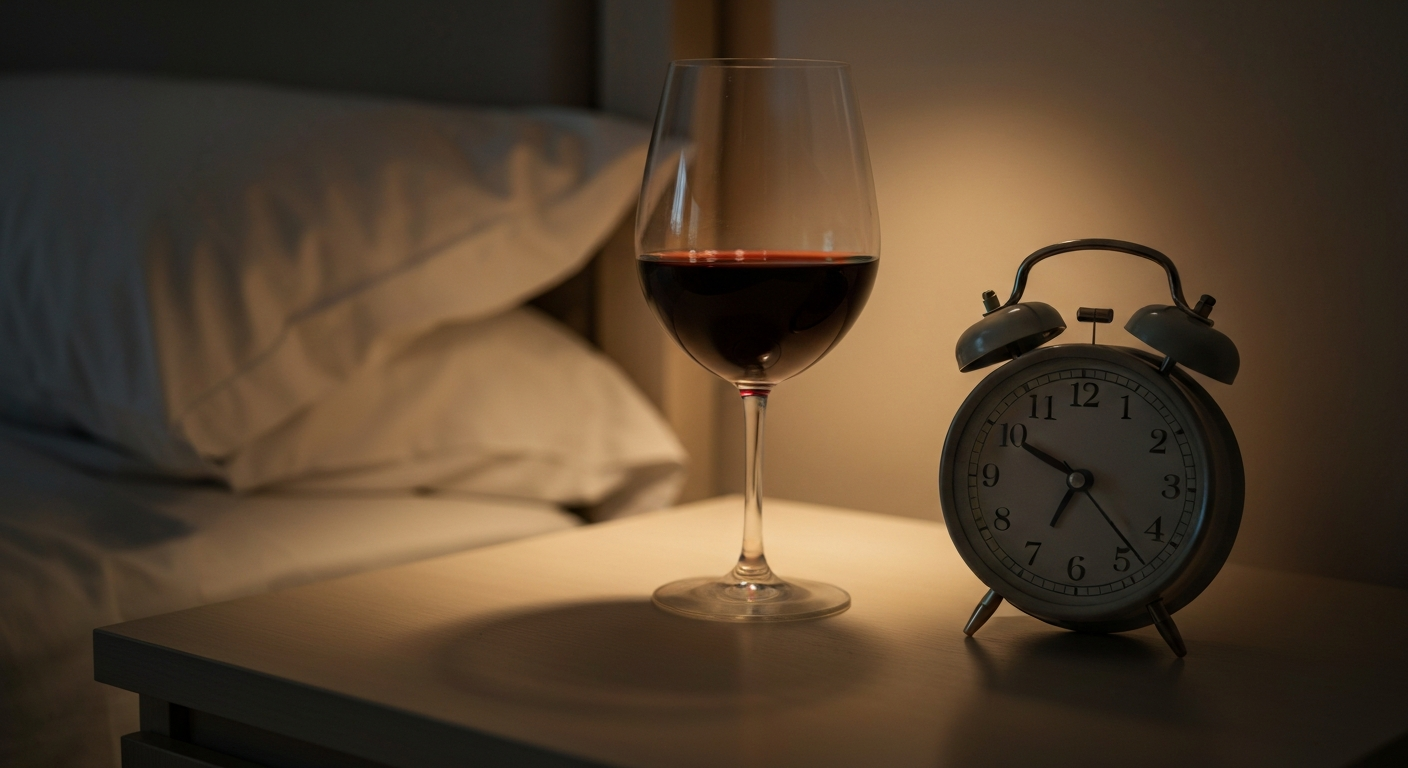

Alcohol causes snoring by relaxing the muscles that hold your throat open during sleep more than normal sleep does on its own. The more you drink and the closer to bedtime you drink, the narrower and more floppy your airway becomes — and the louder the snoring.
Alcohol is a muscle relaxant that acts on the central nervous system. During sleep, this relaxation extends to the pharyngeal muscles — the muscles that keep the walls of your throat from collapsing inward. When these muscles relax beyond their normal sleep-time baseline, the airway narrows more than usual, and snoring becomes louder or more frequent.
Normally during sleep, the brain reduces the signal strength sent to pharyngeal muscles by about 30 to 40 percent compared to waking. This is why most people breathe louder during sleep than when awake. Alcohol pushes that reduction further — sometimes by an additional 20 to 30 percent on top of the normal sleep-time reduction. The result is a significantly floppier airway that vibrates more aggressively with each breath.
This mechanism explains why:
- People who never normally snore will often snore after drinking
- People who snore occasionally will snore much louder and more continuously after drinking
- Existing snorers with mild sleep apnea may experience significantly worse apnea events on alcohol nights
"Alcohol ingestion significantly increases upper airway resistance during sleep and is a well-established cause of snoring and sleep apnea exacerbation. Even moderate consumption in the evening hours produces measurable increases in the apnea-hypopnea index." — Journal of Clinical Sleep Medicine at aasm.org
The effect of alcohol on throat muscles correlates with the blood alcohol concentration present during sleep. Drinking closer to bedtime means peak alcohol levels coincide with sleep — creating maximum muscle relaxation at exactly the wrong moment.
Alcohol is metabolized at roughly 0.015 percent blood alcohol content per hour. A standard drink raises blood alcohol by about 0.02 to 0.03 percent. This means:
The practical rule: stop drinking at least three hours before your planned bedtime. If you know you'll be out later than usual, factor this in when planning when to stop.
Also Read: How to Reduce Snoring Immediately: 6 Steps for Tonight
For people who have or are at risk for obstructive sleep apnea, alcohol is a significant amplifier of apnea severity. It can convert mild apnea into moderate or severe apnea on the nights it is consumed.
Sleep apnea involves the airway repeatedly closing completely during sleep, dropping blood oxygen and triggering arousals. Alcohol both relaxes the airway further (making complete closure more likely) and suppresses the arousal response that normally restarts breathing within seconds. The result is longer apnea events and deeper oxygen desaturation on alcohol nights.
People with known sleep apnea who drink close to bedtime can experience apnea events that are twice as long as their sober baseline. This is why sleep specialists strongly advise patients with apnea to avoid alcohol in the hours before bed.
Alcohol has a sedative effect during the first half of the night — it shortens the time it takes to fall asleep and deepens early sleep. But as the liver metabolizes the alcohol, the second half of the night becomes fragmented and lighter, with more awakenings and reduced REM sleep.
The combination of alcohol-induced snoring (which can cause self-arousal), rebound wakefulness during alcohol metabolism, and reduced REM sleep means alcohol consistently reduces sleep quality despite its sedative initial effect.
People who drink to help them fall asleep are trading sleep onset ease for fragmented sleep architecture — a net loss.
"Alcohol shortens sleep latency but increases sleep fragmentation in the second half of the night. It significantly worsens snoring and sleep apnea severity, particularly during the initial hours of sleep when blood alcohol levels are highest." — National Institutes of Health at nih.gov
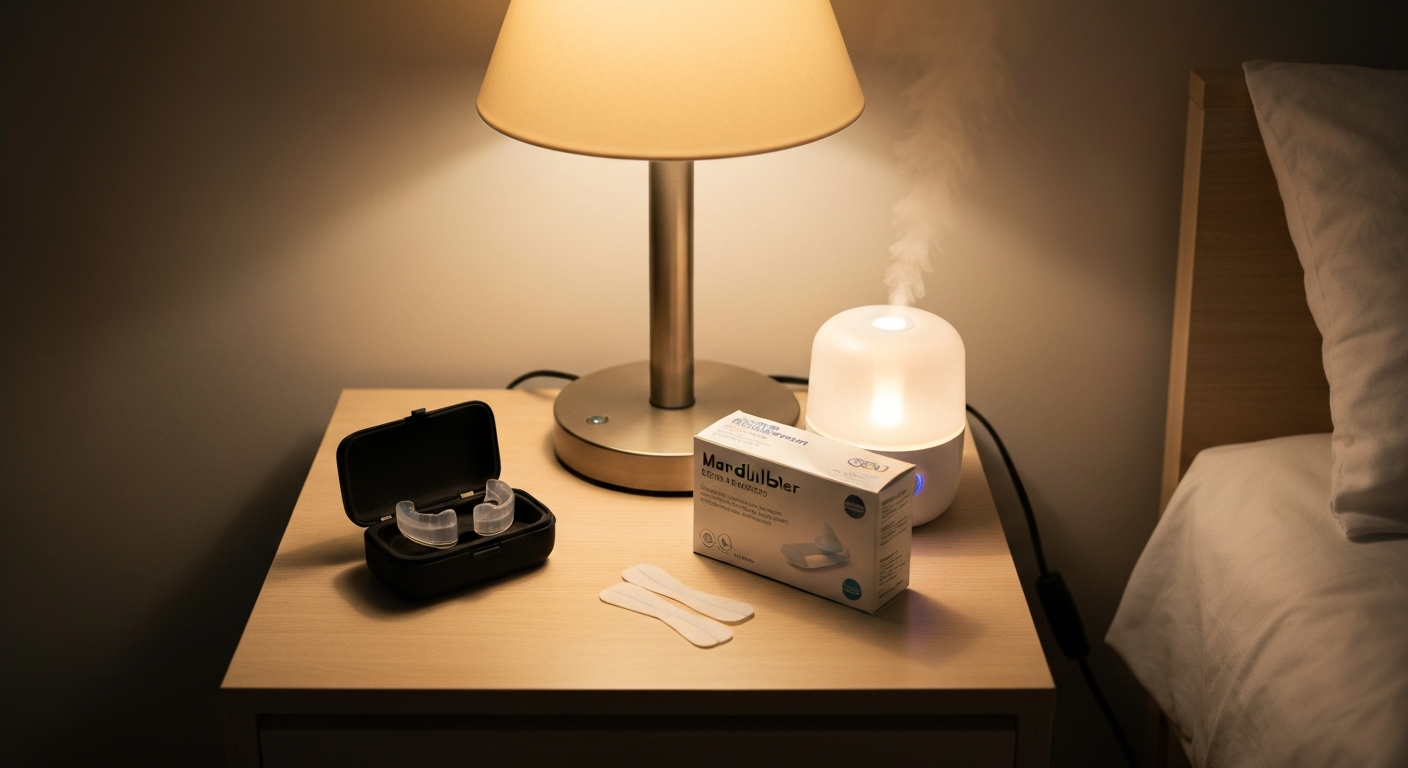
For snorers who drink socially and cannot always follow the three-hour cutoff, a mandibular advancement device provides structural support for the airway regardless of how relaxed the throat muscles are.
A MAD holds the lower jaw forward, physically maintaining airway width even when muscle tone is reduced by alcohol. It doesn't prevent the muscle relaxation from occurring — it compensates for it mechanically by keeping the airway open through jaw position.
This is why MADs are particularly useful for snorers who also drink — they provide consistent airway support on both sober and alcohol nights.
SnoreMeds provides a self-impression MAD that molds to your teeth at home.
| ✓Our Pick |
Reduce alcohol-worsened snoring with a SnoreMeds jaw-repositioning mouthpiece — works whether or not you've had a drink Backed by strong customer feedback — the most recommended solution in forums and Q&A communities. Learn More → |
Additional tips for snorers who drink:
- Drink water between alcoholic drinks and before bed — hydration partially counteracts alcohol's drying effect on throat tissues
- Avoid alcohol-containing drinks mixed with sedatives or sleep aids — the combination amplifies airway muscle relaxation further
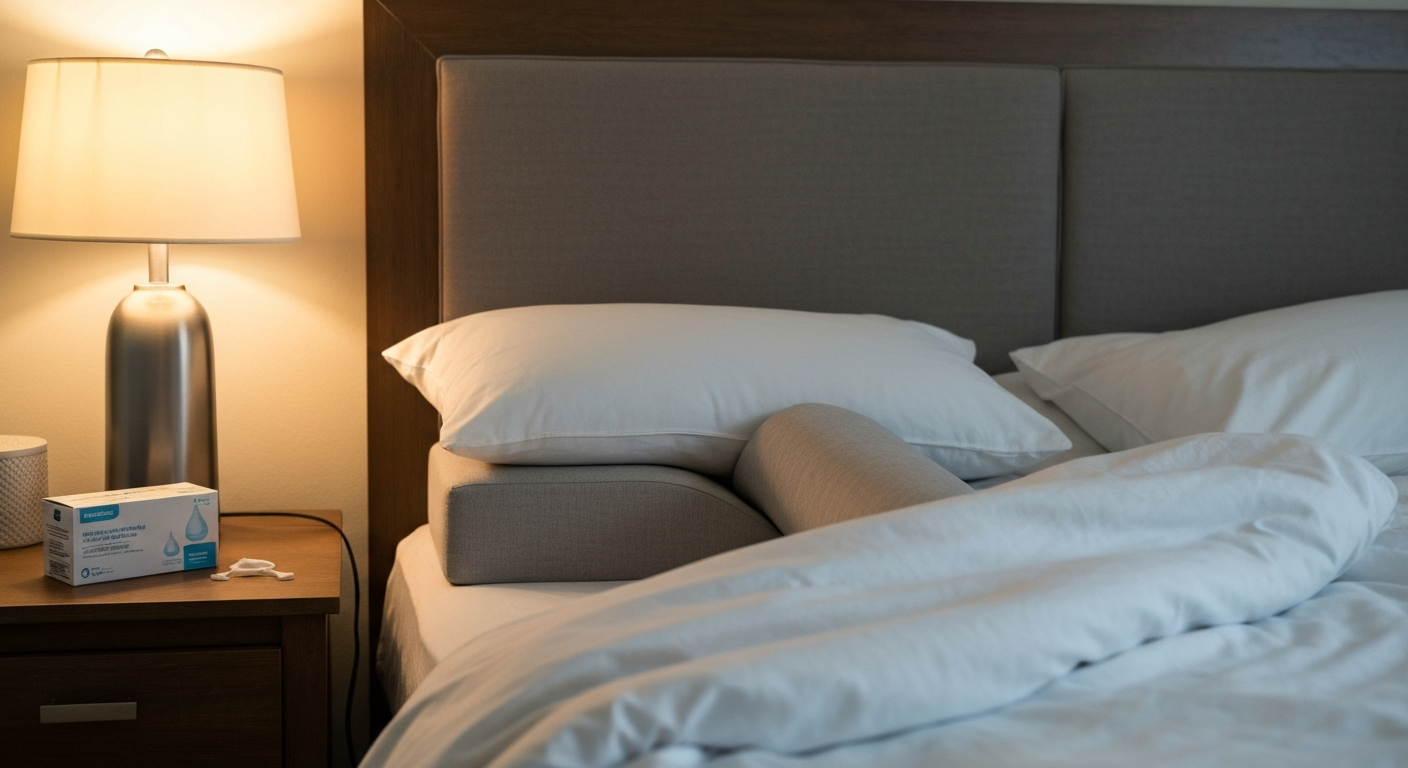
- Sleep on your side on alcohol nights — positional support is especially important when muscle tone is reduced
All types of alcohol have the same pharmacological effect on throat muscle tone — the active ingredient in every alcoholic drink (ethanol) is the same. There is no "safe" type of alcohol for snoring. What matters is the dose and timing, not the beverage type.
Some people report snoring less after beer or wine than after spirits — this is likely due to drinking behavior rather than beverage chemistry. Beer and wine are consumed more slowly and are typically lower in alcohol by volume, which reduces the peak blood alcohol level and its timing relative to sleep onset.
Also Read: Does Drinking Make You Snore? 6 Facts & Fixes
Alcohol causes snoring by relaxing the pharyngeal muscles that hold your throat open — reducing airway caliber and increasing tissue vibration during sleep. The effect is dose-dependent and timing-dependent: drinking more and drinking closer to bedtime produces louder, more frequent snoring. The most effective behavioral fix is a three-hour alcohol cutoff before bed. A mandibular advancement device provides structural airway support on nights when alcohol is present. People with known or suspected sleep apnea should be especially cautious about evening alcohol consumption.
Even one drink consumed within an hour or two of bedtime can worsen snoring in habitual snorers. For non-snorers, the threshold is higher — typically two or more standard drinks close to bedtime. The individual threshold varies with body weight, alcohol tolerance, and baseline airway anatomy.
No. Tolerance develops for alcohol's sedative effects, but the effect on pharyngeal muscle relaxation shows less tolerance adaptation. Regular drinkers may still experience significant snoring on drinking nights despite higher overall alcohol tolerance.
No — the active ingredient (ethanol) is the same in all alcoholic beverages. What matters is total ethanol dose and proximity to bedtime, not beverage type. Beer and wine are consumed more slowly and at lower concentrations, which often means lower peak blood alcohol levels — but equivalent ethanol doses produce equivalent snoring effects regardless of beverage type.
Yes. A mandibular advancement device mechanically holds the jaw and tongue in a forward position regardless of muscle tone. Its effect on airway geometry is structural, not pharmacological — so it remains effective even when alcohol has relaxed the surrounding muscles further than usual.
Reviewed and Updated on June 17, 2026 by George Wright