Sleep

The most evidence-backed ways to avoid snoring are: sleep on your side consistently, cut alcohol before bed, maintain a healthy weight, manage nasal congestion, strengthen your throat muscles with daily exercises, and use a mandibular advancement device for structural airway narrowing.
Snoring is rarely caused by one factor alone. Most habitual snorers have two or three overlapping contributors — position, anatomy, alcohol, weight, nasal health — which is why single-fix approaches often produce only partial results.
The good news is that each factor you address compounds the others. Sleeping on your side plus cutting alcohol often reduces snoring more than either change alone, because each independently narrows the airway and their effects add up.
Think of anti-snoring strategies as a stack: behavioral changes at the foundation, devices in the middle for persistent cases, and medical intervention at the top if snoring is accompanied by sleep apnea signs.
"Snoring is a multifactorial condition. Effective management requires identification of contributing factors — anatomical, behavioral, and physiological — and targeting each systematically." — American Academy of Sleep Medicine at aasm.org
Sleeping on your back is the single most common positional cause of snoring. In this position, gravity pulls the tongue and soft palate directly into the airway. Eliminating back sleeping removes this trigger entirely for position-dependent snorers.
Approximately 50 percent of habitual snorers are position-dependent — meaning their snoring occurs primarily or exclusively on their backs. For this group, side sleeping alone can produce dramatic reduction.
Practical approaches to staying on your side:
Most people establish consistent side-sleeping within 4 to 6 weeks of deliberate effort.
Also Read: Best Pillow for a Snorer: 4 Types That Actually Work
Alcohol relaxes skeletal muscles throughout the body, including the pharyngeal muscles that hold the throat open during sleep. Drinking within two to three hours of bedtime significantly increases airway collapsibility and snoring severity.
Alcohol also suppresses the arousal response, meaning you sleep more deeply through snoring events — which means you get less restorative sleep even if you don't wake fully.
The alcohol cutoff rule: stop drinking at least three hours before your planned sleep time. On nights when you do drink, compensate with extra water before bed to support throat-tissue hydration.
Fat deposits around the neck and throat reduce the caliber of the upper airway. Even a modest weight reduction — 5 to 10 percent of body weight — can reduce snoring in overweight individuals by meaningfully widening the airway.
A neck circumference above 17 inches for men and 16 inches for women is associated with increased snoring and sleep apnea risk. For people whose snoring emerged or worsened alongside weight gain, weight management is one of the highest-leverage behavioral interventions.
This takes months rather than nights — so pair it with faster-acting approaches while working on longer-term weight goals.
Nasal congestion forces mouth breathing, which bypasses the nose's airway-stabilizing structure and promotes throat-tissue vibration. Keeping nasal passages clear prevents this cascade.
A daily saline nasal rinse removes allergens and mucus. For allergy sufferers, a nasal corticosteroid spray used consistently (takes 1–2 weeks to reach full effect) reduces nasal inflammation. Nasal strips applied before bed provide mechanical widening if structural narrowing is part of your nasal anatomy.
Keep pets out of the bedroom and use allergen-proof mattress and pillow covers to reduce allergen exposure during sleep — a major nasal congestion driver for sensitive individuals.
Also Read: Snoring Due to Allergies: Causes, Triggers & Fixes
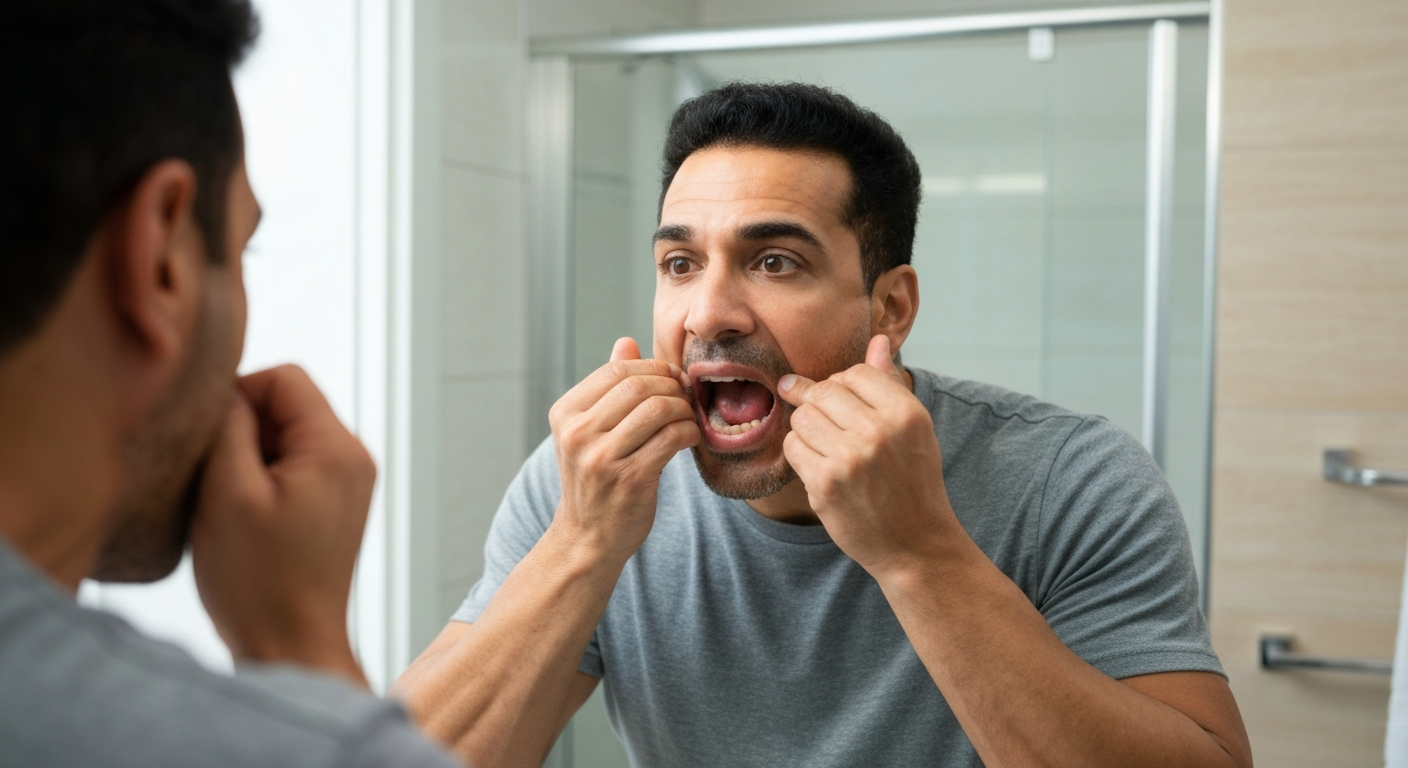
The muscles that keep the airway open during sleep can be strengthened with daily exercises — reducing their tendency to collapse and vibrate during sleep. This is called myofunctional therapy.
A randomized controlled trial published in Sleep found that 3 months of myofunctional exercises reduced snoring frequency by 36 percent and loudness by 59 percent compared to a sham intervention. Results begin around 6 to 8 weeks and continue improving with consistency.
Daily exercise routine (8 to 10 minutes):
- Press the tongue flat against the roof of the mouth, hold 3 seconds, 10 reps
- Slide the tongue tip backward along the palate 20 times
- Say "ahh" and hold the soft palate raised for 2 seconds, 10 reps
- Chew with exaggerated jaw movements for 2 minutes
- Push the lower jaw forward and hold for 30 seconds
This is the most effort-intensive approach on this list but produces the most durable results because it changes the underlying muscle physiology rather than compensating for it.
When behavioral changes reduce but don't eliminate snoring, a mandibular advancement device (MAD) is the most evidence-backed non-prescription intervention. It addresses airway geometry directly, regardless of the contributing behavioral factors.
A MAD holds the lower jaw slightly forward during sleep. This keeps the tongue base away from the posterior throat wall and stiffens the soft palate by changing its resting angle. Both effects reduce tissue vibration. Clinical trials show MADs reduce snoring frequency and loudness by 50 to 75 percent in compliant users.
SnoreMeds provides a self-impression MAD kit — you mold the device to your teeth at home, creating a customized fit that's more comfortable and effective than generic boil-and-bite options.
| ✓Our Pick |
Avoid snoring with a jaw-repositioning mouthpiece — SnoreMeds custom-fit device keeps your airway open all night No special skills required — straightforward to use and most orders ship quickly. Learn More → |
If snoring is accompanied by observed breathing pauses, gasping or choking sounds, severe daytime sleepiness, morning headaches, or high blood pressure that is difficult to control, see a sleep specialist. These signs indicate possible obstructive sleep apnea, which requires a formal sleep study and may need CPAP therapy.
Avoiding snoring is a layered process: start with side sleeping and cutting alcohol before bed (fastest free fixes), add nasal congestion management and daily throat exercises (medium-term), and use a mandibular advancement device for structural airway narrowing (most effective mechanical fix). Weight management helps over the longer term. If snoring comes with gasping or extreme fatigue, get a sleep study before relying on home remedies alone.
Also Read: How to Stop Snoring in Your Sleep: 6 Proven Methods
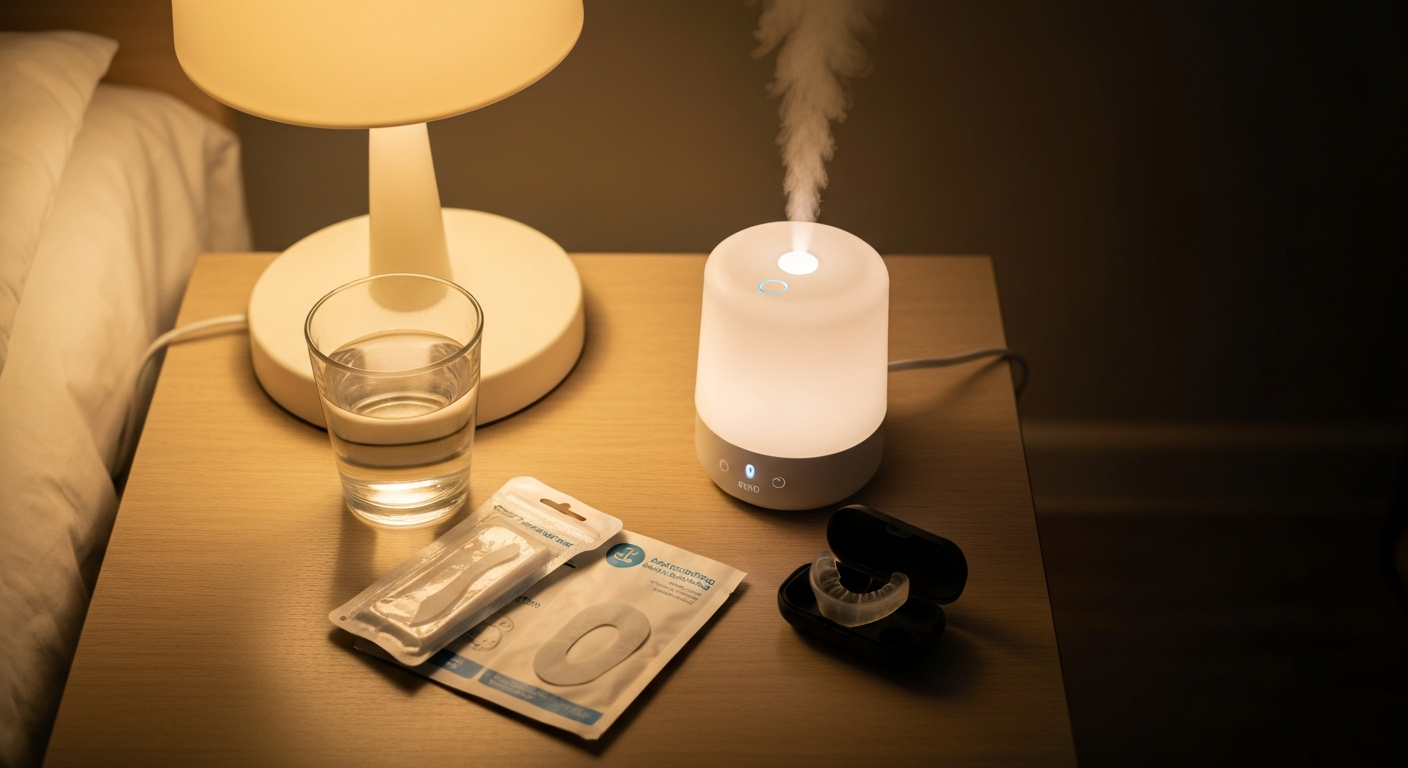
Sleep on your side and apply a nasal strip before bed — these two changes can produce meaningful results on the first night for many snorers. Adding a humidifier and stopping alcohol for the evening further reduces severity.
For some people, yes — particularly those whose snoring is driven by weight, alcohol, or sleep position rather than anatomy. For snorers with structural causes (recessed jaw, enlarged tonsils, narrow airway), lifestyle changes reduce snoring but a device or procedure is typically needed for full resolution.
A tendency toward snoring is partly genetic — narrow airway anatomy, jaw structure, and soft palate shape are inherited. But even with genetic predisposition, behavioral factors like sleep position, alcohol use, and weight significantly modulate expression of that tendency. Most people with a family history of snoring can substantially reduce it through the strategies above.
Specially shaped anti-snoring pillows work by keeping you in a lateral (side) position or by elevating the head to reduce airway collapse. They are most helpful for positional snorers and can be effective, though most research finds them less consistent than a full-length body pillow for maintaining side-sleeping.
Reviewed and Updated on June 17, 2026 by George Wright