Sleep

Mouth breathing during sleep causes snoring because it directs unfiltered air through the throat at a less stable angle than nasal breathing — promoting soft-tissue vibration. Fixing the reason your mouth opens at night — nasal congestion, jaw position, or habit — is the key to stopping mouth-breathing snoring.
Nasal breathing and mouth breathing create fundamentally different airflow dynamics in the throat. Nasal breathing filters, humidifies, and stabilizes airflow before it reaches the throat. Mouth breathing bypasses all of this — sending faster, drier, less controlled air directly through the pharynx.
When you breathe through your nose, the airstream enters the back of the throat at an angle that is naturally less likely to cause tissue vibration. The nasal turbinates (bony ridges inside the nose) slow and condition the air. The airway is narrower at the nose, but the overall system is designed for this route.
When the mouth opens — because the nose is blocked, jaw muscles are relaxed, or the habit has developed — air rushes through the larger oral cavity and hits the back of the throat at a wider, more turbulent angle. The tongue, uvula, and soft palate are fully exposed to this airstream. They vibrate — producing snoring.
"Oral breathing bypasses the nasal cavity's regulatory function and significantly increases pharyngeal airflow resistance. This increased resistance is a major contributor to snoring and sleep-disordered breathing in chronic mouth breathers." — American Journal of Orthodontics and Dentofacial Orthopedics at ajodo.org
Mouth breathing at night is almost always caused by one or more of the following: nasal obstruction, structural jaw issues, habit reinforcement from years of congestion, or loss of muscle tone that allows the jaw to fall open.
| Cause | Description |
|---|---|
| Nasal congestion | Allergies, colds, deviated septum, nasal polyps — anything that blocks the nose |
| Mouth breathing habit | Developed during periods of congestion; the body maintains it even when the nose clears |
| Weak jaw/lip tone | Muscles that hold the mouth closed relax excessively during deep sleep |
| Enlarged tonsils or adenoids | Block the nasopharynx, forcing air through the mouth |
| Structural jaw position | Recessed lower jaw allows the mouth to fall open in supine position |
Nasal obstruction is the most common reversible cause. Structural jaw position and enlarged tonsils often require medical evaluation.
Also Read: Snoring Due to Allergies: Causes, Triggers & Fixes
The treatment approach depends on the cause. For nasal obstruction, clearing the nose is the primary intervention. For jaw position and muscle tone, devices and exercises help. For habit, retraining tools are available.
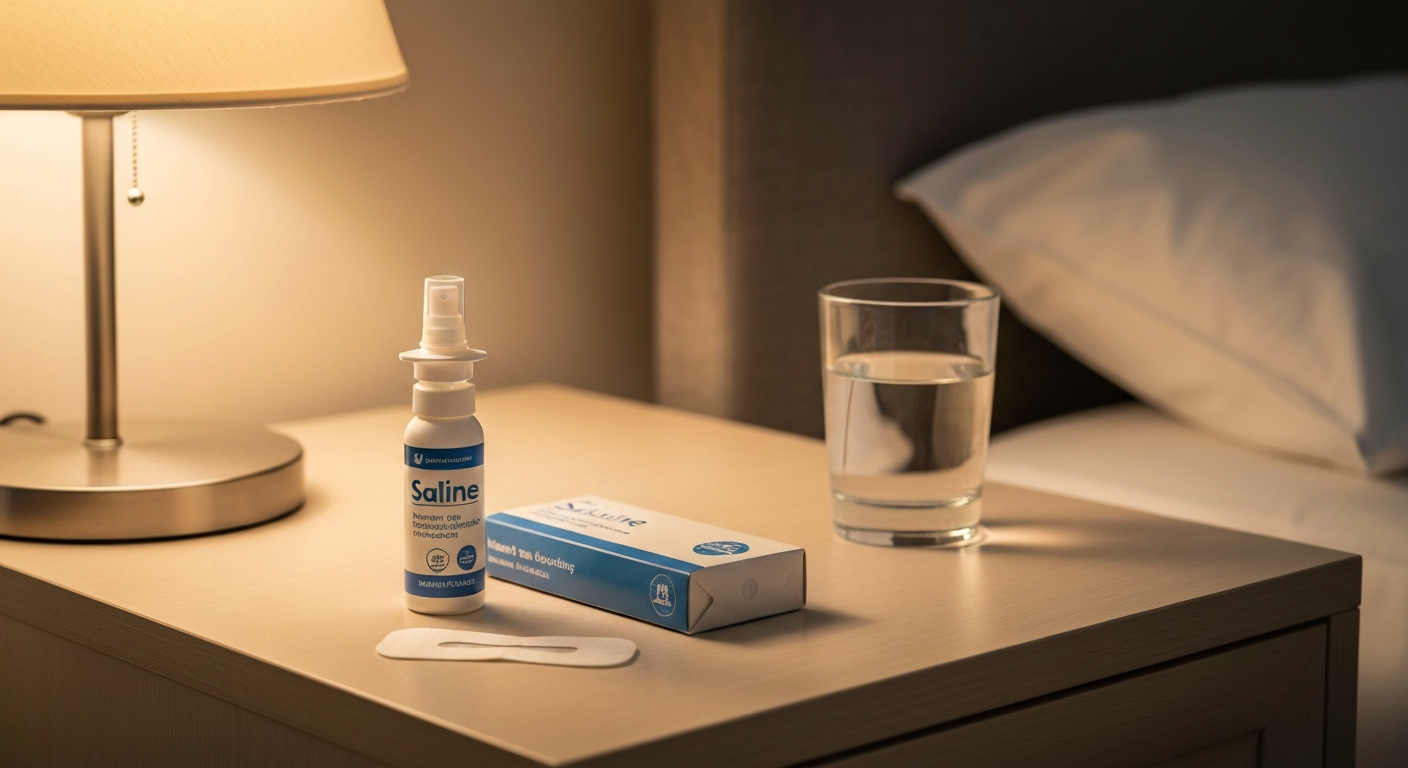
This is the most impactful intervention for the majority of mouth-breathing snorers:
Once the nose is clear, most people who were mouth breathing due to congestion naturally revert to nasal breathing during sleep.
For people whose nasal passages are functionally clear but who continue mouth breathing by habit, medical-grade mouth tape applied lightly across the lips before sleep encourages nasal breathing. The tape creates gentle resistance, prompting the body to breathe through the nose.
This approach is safe only when the nose is confirmed clear — never tape the mouth if nasal obstruction is present. Use specifically designed mouth-breathing tape (not duct tape or general tape) and ensure it peels off easily if you need to open your mouth.
Also Read: Natural Remedies for Snoring: 8 Proven Methods That Work
The muscles that hold the mouth closed during sleep can be strengthened with exercises:
Consistent practice over 4 to 6 weeks improves resting muscle tone, which helps keep the mouth closed during sleep.
For snorers whose mouth breathing is driven by jaw position — the lower jaw falls back and down during sleep, pulling the mouth open — a mandibular advancement device addresses both issues simultaneously. By holding the lower jaw forward, a MAD keeps the jaw from falling back, which maintains better lip and mouth closure and directly widens the throat airway.
SnoreMeds produces a self-impression MAD that is moldable at home — addressing both the jaw-position contributor to mouth opening and the throat-tissue vibration that produces snoring.
| ✓Our Pick |
Stop mouth-breathing snoring at the source — SnoreMeds repositions your jaw and keeps your airway open all night Trusted by professionals and everyday users alike — a smart investment that pays for itself. Learn More → |
Beyond snoring, chronic nocturnal mouth breathing has additional effects that can be clues to its presence and severity.
If you consistently wake with a bone-dry mouth, chances are high that you are a habitual mouth breather during sleep.
Also Read: Why Snoring Causes Dry Mouth: 7 Causes & How to Fix It
If clearing nasal obstruction and addressing jaw tone do not resolve mouth-breathing snoring — particularly if snoring is loud, irregular, or accompanied by gasping — a sleep medicine evaluation is appropriate. A structural cause like a deviated septum or enlarged adenoids may require ENT treatment. Obstructive sleep apnea associated with mouth breathing requires CPAP or an appropriately fitted oral appliance.
Mouth breathing and snoring are closely linked: open-mouth breathing during sleep sends unfiltered, turbulent airflow through the throat, causing tissue vibration. The fix matches the cause — nasal congestion treatment for obstruction-driven mouth breathing, mouth taping and jaw exercises for habitual cases, and a mandibular advancement device for jaw-position contributors. Clear nasal obstruction first; if snoring and mouth breathing persist after that, a MAD addresses the structural airway component directly.
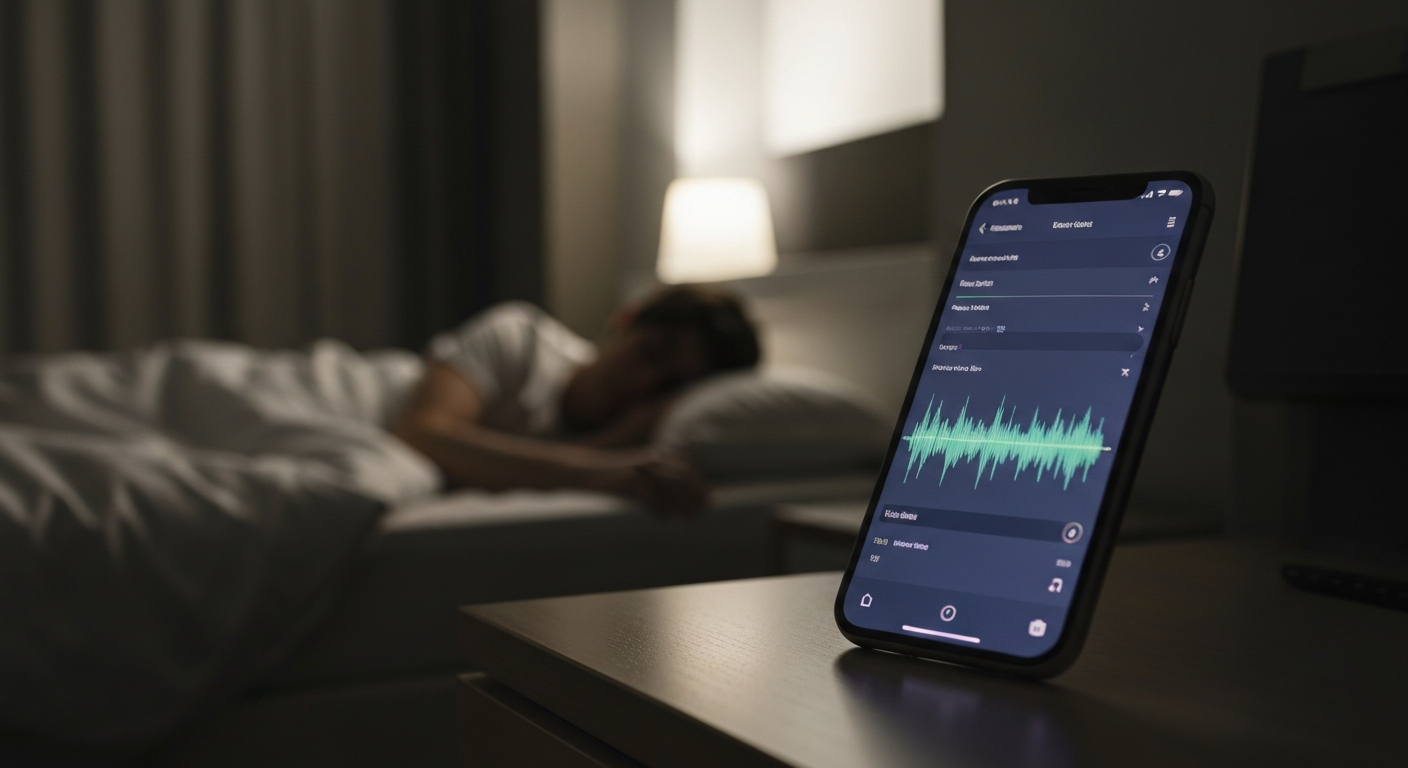
Tell-tale signs include waking with a very dry mouth or sore throat, needing to drink water immediately on waking, morning bad breath despite evening brushing, and excessive thirst. A partner or smartphone sleep app that records audio overnight can also confirm open-mouth breathing or snoring.
Yes. Mouth breathing with snoring in children is a significant concern — it is often caused by enlarged tonsils or adenoids and can affect dental development, facial structure, and cognitive performance if untreated. A pediatrician or pediatric ENT should evaluate any child who regularly snores or breathes through the mouth during sleep.
A humidifier helps by reducing the dryness in the mouth and throat that results from mouth breathing, which reduces tissue stickiness and vibration somewhat. But it does not address the root cause of mouth opening. It works best as a complement to nasal clearance or a mandibular advancement device rather than as a standalone treatment.
Yes, particularly when the mouth breathing is habitual rather than structural. A combination of daily nasal breathing exercises, correct tongue posture practice (tongue resting on the roof of the mouth), lip-strengthening exercises, and — if needed — mouth tape can shift most habitual mouth breathers back to nasal breathing over 4 to 8 weeks.
Reviewed and Updated on June 17, 2026 by George Wright